
Picture this: waking up to stunning mountain views from your bedroom window, stepping directly out onto your private patio, and enjoying a home that seems to grow naturally from the landscape itself. That's the magic of hillside walkout basement house plans. These innovative designs take advantage of sloped terrain to create homes that feel both luxurious and perfectly integrated with their surroundings.
When you think about building a home on a hillside, the possibilities seem endless. But there's one particular approach that stands out for its cleverness and practicality - the walkout basement. This design strategy transforms what could be a challenging slope into an asset, creating living spaces that are both functional and beautiful. Whether you're planning your dream home or simply curious about how these remarkable structures work, understanding walkout basement house plans is essential. These homes don't just sit on the land; they embrace it, making the most of every inch of space while offering unique advantages that traditional flat-lot homes simply cannot match.

What Makes a Walkout Basement Special
A walkout basement isn't just a basement with a door leading outside - it's a carefully planned architectural solution that maximizes the benefits of sloped land. These homes feature a portion of the basement level that sits above ground level, creating direct access to the outdoors without having to go through the main living areas. Imagine having a garden room that opens directly onto your yard, or a family room that floods with natural light from a southern exposure. This design eliminates the typical feeling of being underground and instead creates a seamless connection between indoor and outdoor living spaces. The key difference lies in how the structure interacts with the topography, using gravity and elevation to create unique living experiences that are impossible to achieve on flat lots.
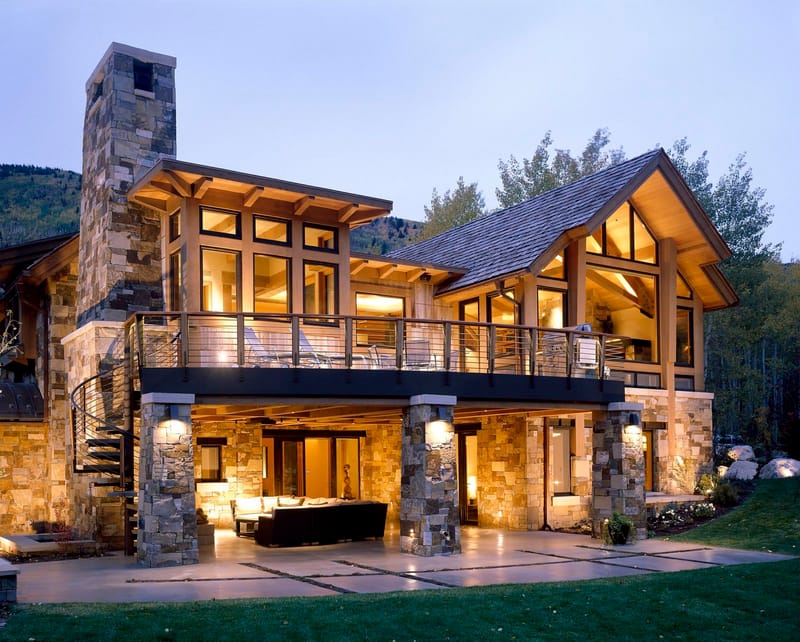
Key Design Considerations for Sloped Land
Planning a walkout basement requires careful attention to several critical factors. First, you must assess the slope itself - how steep is it, and does it allow for safe construction? A gradual incline typically works best, though even steeper slopes can often accommodate walkout designs with proper engineering. The orientation of your home becomes crucial too; positioning the walkout area to face the direction that receives the most sunlight can dramatically improve energy efficiency and comfort. Additionally, consider drainage issues carefully. Water management is vital on sloped properties, and poor planning can lead to costly problems later. The foundation design needs to account for soil conditions, which might require specialized techniques like retaining walls or stepped foundations. These elements work together to create a cohesive plan that respects both the natural landscape and the practical requirements of modern living.
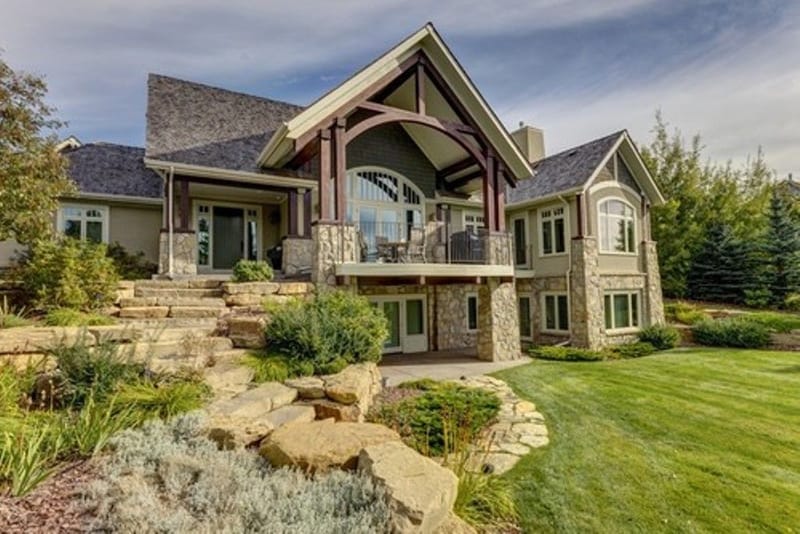
Benefits Beyond Just Space
Walkout basements offer advantages that extend far beyond simply creating additional square footage. One major benefit is the improved natural lighting that comes from having windows and doors that open directly to the outside. This means less reliance on artificial lighting during the day and a more pleasant atmosphere overall. The connection to the outdoors also enhances mental well-being, providing a sense of openness and freedom that many people crave in their homes. From a practical standpoint, these homes often have better energy efficiency because the earth's natural insulation helps regulate temperature. They also provide excellent storage solutions since the extra space can be utilized for everything from wine cellars to workshops. And let's not forget the resale value - homes with walkout basements often command premium prices due to their unique features and practical benefits.
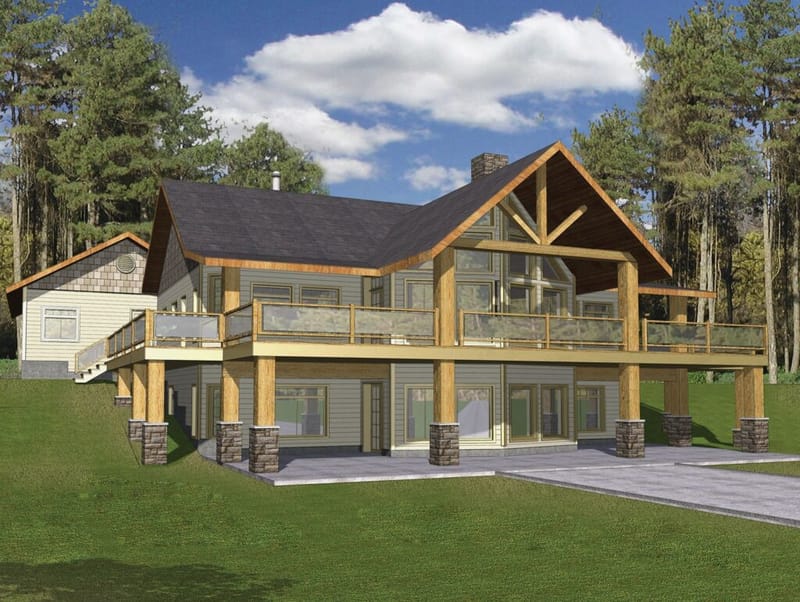
Construction Challenges and Solutions
Building a walkout basement isn't without its challenges. The most significant hurdle is often the excavation process, which requires careful planning and sometimes specialized equipment. You'll need to dig down to create the basement space while ensuring the slope remains stable. Retaining walls become essential when dealing with significant changes in elevation, and these structures must be engineered properly to prevent future issues. Foundation stability is another concern, especially if you're working with unstable soils or near water sources. Weather conditions can also impact construction timelines, particularly in areas with heavy rainfall or extreme temperatures. However, experienced builders understand these challenges and have developed solutions that make even the most difficult sites manageable. Proper site preparation, quality materials, and skilled craftsmanship can overcome most obstacles.
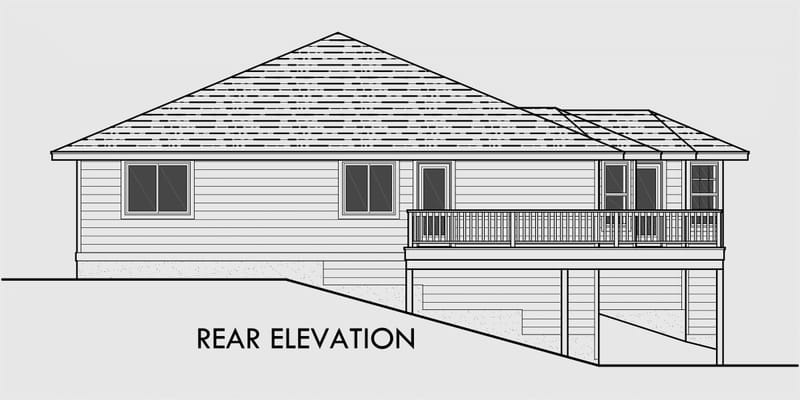
Cost Implications and Budget Planning
Walkout basement house plans generally cost more than conventional homes due to the additional complexity involved. The exact price varies significantly based on factors like the size of the slope, soil conditions, and the extent of the walkout area. Typically, you can expect to pay 15-25% more for a walkout basement compared to a standard home on flat ground. This premium covers the extra excavation work, specialized foundation requirements, and often additional finishing touches that enhance the outdoor connection. However, the investment often pays off through increased property value and reduced heating costs over time. When budgeting, remember to factor in potential soil stabilization work, drainage systems, and any necessary permits. Some homeowners find that the added value makes the higher initial cost worthwhile, especially if they're looking for a unique home that stands out in their neighborhood.
Maintenance and Long-Term Care
Once built, walkout basement homes require some special attention to maintain their beauty and functionality. The exterior walls and walkout areas need regular inspection for signs of water damage or structural issues, particularly after severe weather events. Drainage around the home is crucial, so keeping gutters clean and ensuring proper grading away from the foundation is essential. The outdoor connections also demand care - whether it's maintaining the patio area, ensuring proper landscaping, or protecting the walkout doors from wear and weather. Many owners find that the extra maintenance is offset by the satisfaction of having a truly unique home that provides year-round enjoyment. Regular professional inspections can catch small problems before they become expensive repairs, making long-term ownership more enjoyable and financially sound.
Hillside walkout basement house plans represent a sophisticated approach to building that takes full advantage of natural landscapes while delivering exceptional living experiences. These homes combine practical benefits with aesthetic appeal, creating spaces that feel both grounded and elevated. While they require more planning and consideration than traditional construction, the rewards are substantial. From the enhanced natural lighting to the seamless connection with outdoor spaces, walkout basements offer something truly special. Whether you're considering building your dream home or simply appreciating the artistry of good architecture, understanding these designs reveals how thoughtful planning can transform a challenging site into a source of pride and joy. The key is working with professionals who understand both the technical aspects and the creative vision behind these remarkable structures.


