
Picture this: You're standing on a hillside, looking down at a beautiful home that seems to grow naturally out of the landscape. That's exactly what a sloped lot house plan with a walkout basement can achieve. These designs don't just look impressive – they offer practical advantages that make them incredibly appealing to homeowners.
When you think about building on a sloped lot, the possibilities seem endless. But there's one particular design approach that stands out for both its visual appeal and functional benefits: the walkout basement. This architectural style takes full advantage of the natural terrain while creating additional living space that feels connected to the outdoors. It's not just about aesthetics – it's about maximizing every inch of your property while creating a home that feels like it belongs right where it stands.
What Makes a Sloped Lot Special?
A sloped lot isn't just a fancy way to say 'hill.' It's a unique opportunity for creative design. When you have a gradual incline, you can build a house that integrates seamlessly with the land. The key is understanding how to work with gravity rather than against it.
Consider a typical sloped lot scenario: you might have a gentle rise from your street level to your backyard. This creates natural drainage and provides excellent views. Many homeowners find that their sloped lot allows for a more interesting architectural experience compared to flat lots. The challenge becomes how to best utilize that slope for maximum benefit.
The beauty of sloped lots lies in their ability to create multiple levels of living space. Instead of building a single story that looks like it's sitting flat on the ground, you can design a structure that flows naturally with the contours of your land. This often results in homes that feel more spacious and connected to their environment.
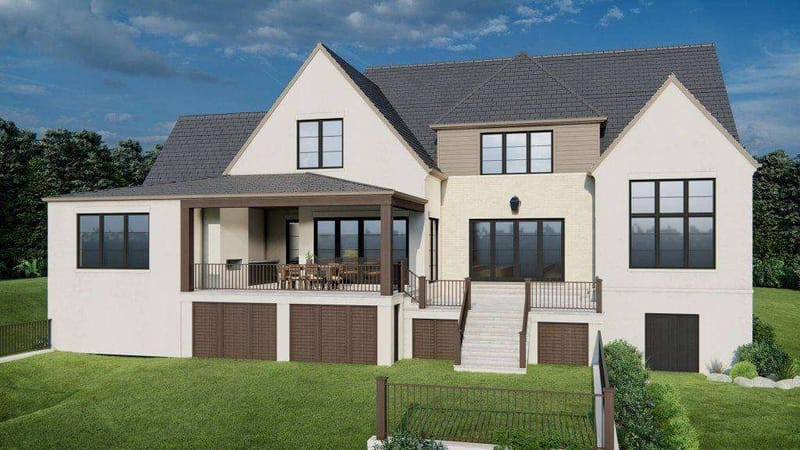
Understanding Walkout Basement Design
A walkout basement is essentially a basement that opens directly to the outside through doors or windows. Rather than having all basement access through the main entrance, you'll find that some rooms can be accessed directly from the yard or garden area. This design element dramatically changes how you think about basement space.
Think of it this way: instead of being confined to a dark, windowless space, your basement becomes bright, airy, and connected to nature. You could have a family room that opens onto a patio, or a bedroom with direct access to a garden. The psychological impact alone is significant – people often feel less "trapped" in a walkout basement compared to traditional basements.
The technical aspect involves careful planning around the foundation. You'll need to consider how much of the basement wall will be exposed to the elements. Some designs feature full walkout walls, while others might have partial exposure. The decision affects everything from drainage to insulation requirements.
Key Benefits of Sloped Lot House Plans
There are several compelling reasons why sloped lot house plans with walkout basements are gaining popularity:
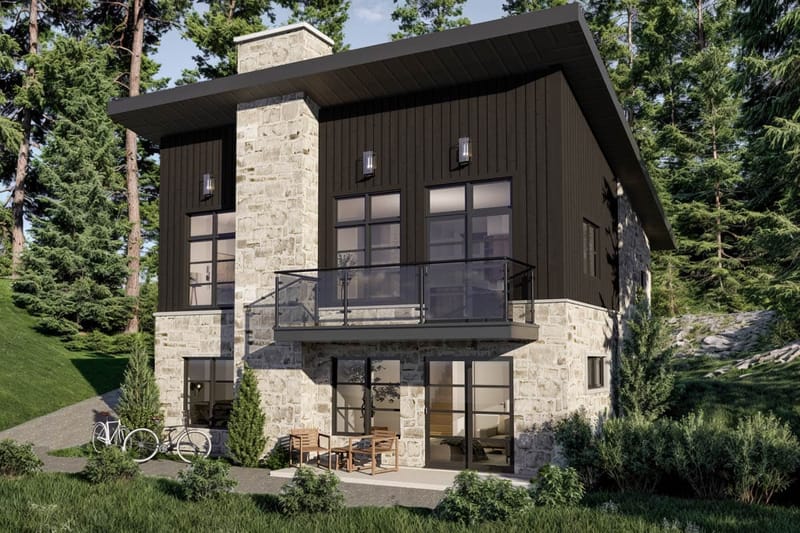
Design Considerations and Challenges
While the benefits are numerous, designing a sloped lot house with a walkout basement comes with its own set of challenges. The most important thing to remember is that good design starts with understanding your site conditions.
Foundation Planning: This is where things get complex. You'll need to work with a structural engineer to determine how much of your basement will be exposed to the elements. The soil conditions, water table levels, and local building codes all play crucial roles in determining the best approach.
Drainage Solutions: Proper water management becomes critical. You'll want to ensure that rainwater doesn't pool around your foundation. This might involve installing proper grading, drainage systems, or even retaining walls to control water flow.
Staircase Placement: Where you place your stairs can significantly affect both the usability and aesthetics of your walkout basement. Will they be hidden in a corner, or do you want them to be a design feature themselves? The answer impacts everything from traffic flow to overall home layout.
Safety Considerations: Access to the outside from your basement requires attention to safety features. This includes proper lighting, non-slip surfaces, and potentially security measures for doors that open to the yard.
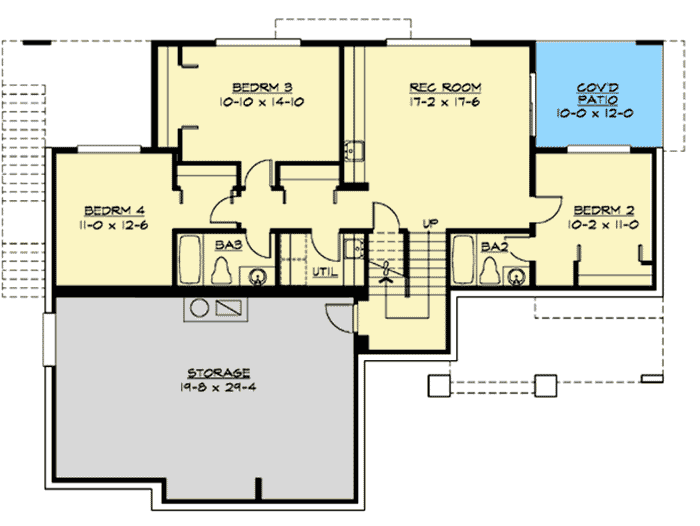
Popular Layout Options
Different sloped lot configurations lend themselves to various house layouts. Here are some common approaches:
Split-Level Designs: These are perhaps the most straightforward application of walkout basements on sloped lots. The house sits at different elevations, with the basement level naturally positioned lower than the main living areas. This creates a natural flow between levels.
Crawl Space Integration: Some designs incorporate a shallow crawl space that transitions into the basement area. This can provide additional storage or utility space while maintaining the sloped lot's natural characteristics.
Terrace Layouts: For lots with steeper slopes, designers might create terraced levels that flow down the hillside. Each level can serve different purposes, with the basement level often becoming the entertainment or recreational area.
Mixed-Use Spaces: Modern designs often combine multiple functions within the walkout basement. You might find a home office, gym, or guest suite integrated into what was traditionally just a storage area. The flexibility of these spaces allows for creative solutions based on your family's needs.
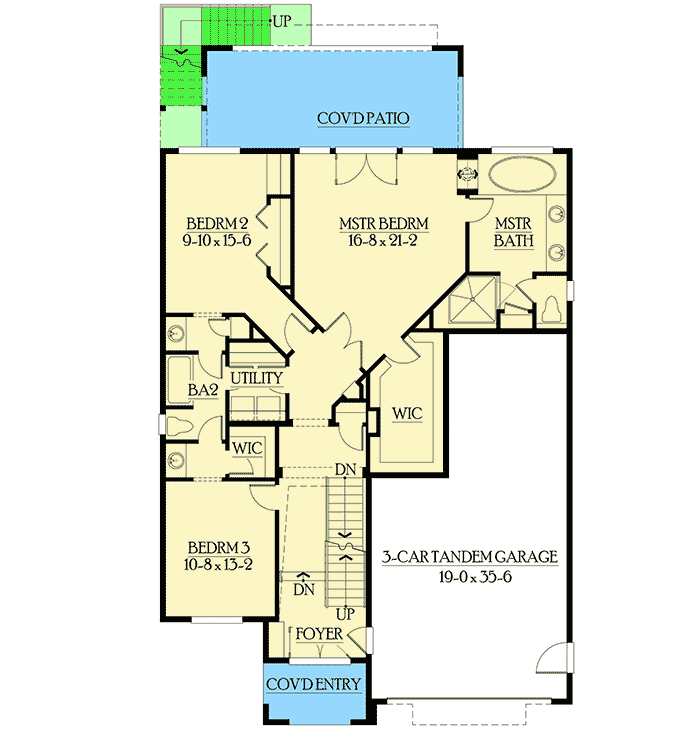
Construction Tips and Cost Factors
Building a sloped lot house with a walkout basement requires special attention to several factors. The cost implications can be substantial, but the investment often pays off in terms of both comfort and resale value.
Site Preparation: Before construction begins, you'll likely need extensive excavation and grading. This can be one of the most expensive aspects of the project, especially if you're dealing with difficult soil conditions or steep slopes.
Foundation Materials: Depending on how much of your basement will be exposed to the elements, you may need specialized materials. Concrete block walls, for example, might require additional waterproofing treatments. The choice of materials affects both cost and long-term maintenance requirements.
Permitting Requirements: Sloped lot construction often involves more complex permitting processes. Local building departments may have specific requirements for retaining walls, drainage systems, and foundation design. Be prepared to spend extra time navigating these processes.
Timeline Considerations: Because of the complexity involved, these projects typically take longer than standard home builds. Weather conditions can also impact progress, particularly during rainy seasons when working with slopes can become challenging.
Maintenance and Long-Term Considerations
Once you've completed your sloped lot house with a walkout basement, ongoing maintenance becomes an important part of ownership. These homes require attention to certain details that might not be as critical in traditional construction.
Water Management: Keeping water away from your foundation is crucial. Regular inspection of drainage systems, gutters, and grading around your home helps prevent issues before they start.
Exterior Door Maintenance: Doors that open to the outside require regular care. Weatherstripping, proper hinges, and seasonal adjustments keep them functioning smoothly. You'll also want to monitor for signs of wear from weather exposure.
Insulation and Climate Control: The exposed portions of your basement need proper insulation to maintain comfortable temperatures. This is particularly important if you're using the walkout area as a living space.
Safety Features: As mentioned earlier, ensuring adequate lighting and security for your walkout doors is essential. These features should be regularly checked and updated as needed.
Sloped lot house plans with walkout basements represent more than just a design trend – they're a practical solution for maximizing limited space while creating homes that feel truly connected to their surroundings. Whether you're planning your first home build or considering a renovation, understanding these concepts can help you make informed decisions about your property.
The key is approaching the project with realistic expectations and working closely with professionals who understand both the technical aspects and the creative possibilities. With proper planning, these homes can provide years of enjoyment while increasing your property's value and functionality. The investment in time and money upfront often pays dividends in comfort and lifestyle benefits that extend far beyond the initial construction phase. After all, when you build with the land rather than against it, you're creating something that truly belongs in its location.


