
Picture this: waking up in a cozy bedroom nestled high above the main floor, with panoramic views stretching across your neighborhood. That's the magic of a well-designed loft. It's not just about having extra space - it's about creating layers of living that bring energy and character to your home. Whether you're building from scratch or remodeling an existing structure, understanding how to properly incorporate a loft into your house plan can completely change how you experience your living space.
Lofts have become increasingly popular in modern home design, offering homeowners a unique way to maximize their square footage while adding visual interest and architectural flair. These elevated spaces can serve countless purposes - from private sleeping quarters to creative workspaces, entertainment areas, or even home offices. The key lies in thoughtful planning and understanding how to integrate a loft seamlessly into your overall house layout. What makes a loft truly special isn't just its height, but how it enhances the flow and function of your entire home. When done right, a loft becomes more than just an extra room - it becomes the heart of your home's personality.
Understanding Loft Architecture
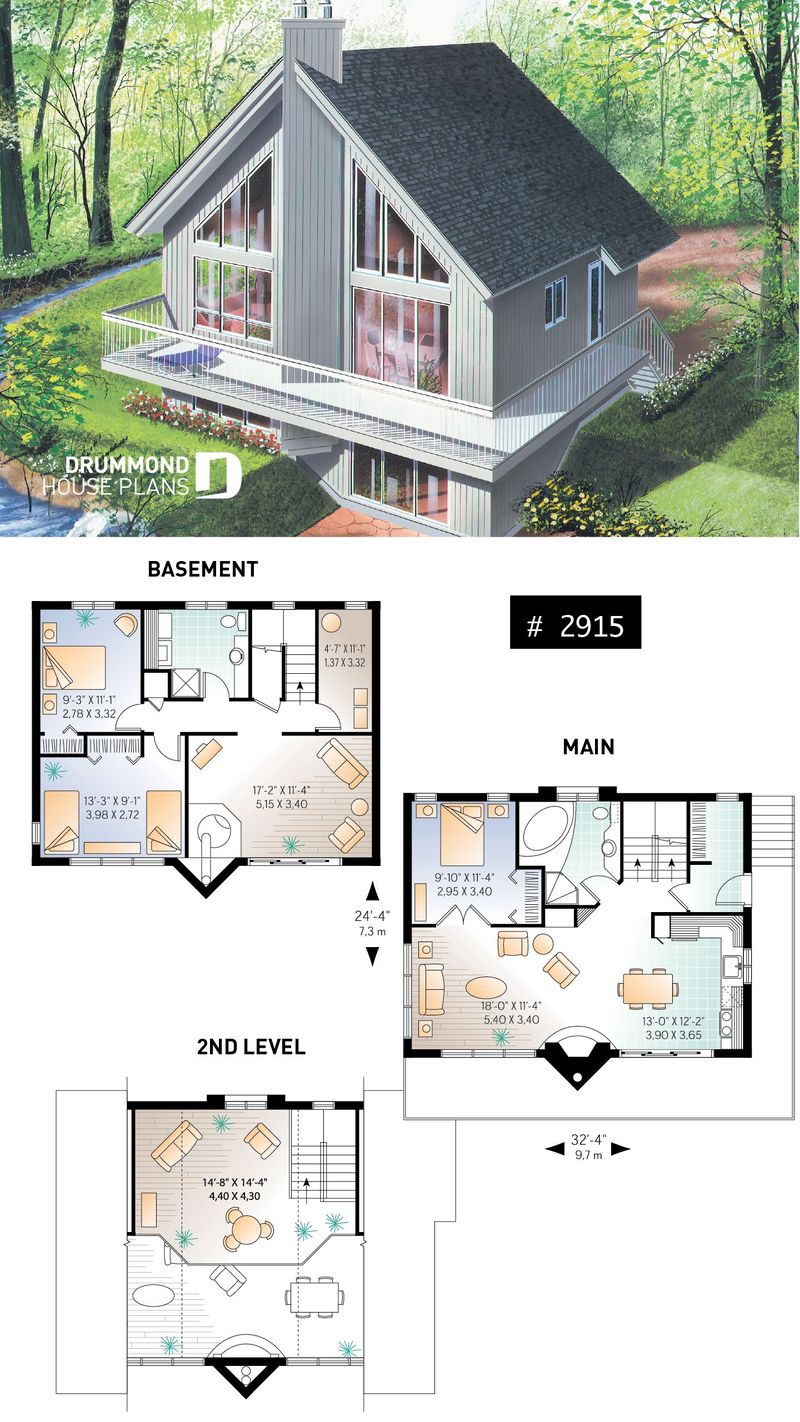
A loft is essentially a raised floor area within a larger space, typically accessed via stairs or a ladder. Unlike traditional upper floors, lofts often feature exposed beams, high ceilings, and industrial-style elements that give them a distinctive character. The architectural possibilities are endless when designing a loft space. Some homes feature true lofts with cathedral ceilings, while others incorporate partial loft areas that blend seamlessly with the main floor. The beauty of a loft lies in its flexibility. You might find one homeowner using theirs as a guest suite, another as a home gym, and a third as a library or studio. The secret is matching the loft's purpose with the overall flow of your home.
Key Design Considerations
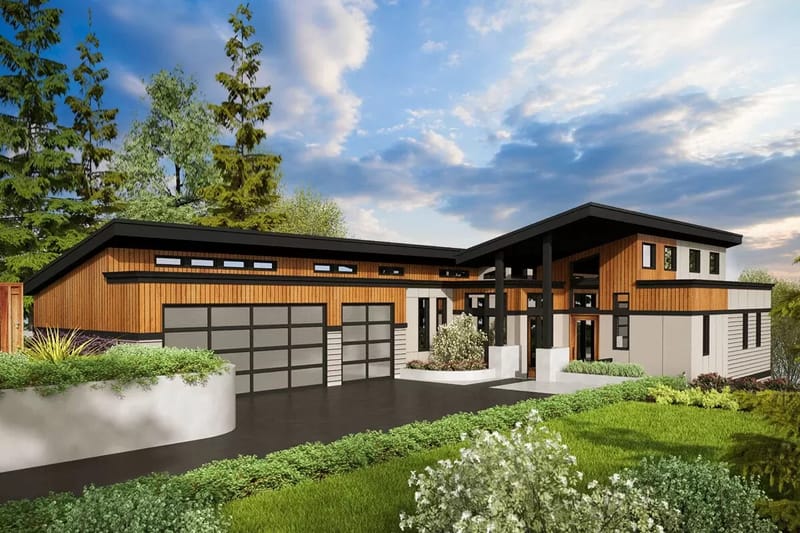
Before diving into floor plans, consider several crucial factors. First, think about headroom requirements. A typical loft needs at least seven feet of clearance, though many designers recommend eight feet for comfort. The structural integrity of your home matters enormously too - some older homes may need reinforcement to support a loft addition. Lighting becomes critical as well. Natural light can make a huge difference in how spacious and welcoming your loft feels. Many successful loft designs incorporate skylights, large windows, or even glass doors that connect the loft to the main living area. Don't forget about safety features like proper railings if the loft access is higher than standard. These details matter more than you might expect.
Space Planning Essentials
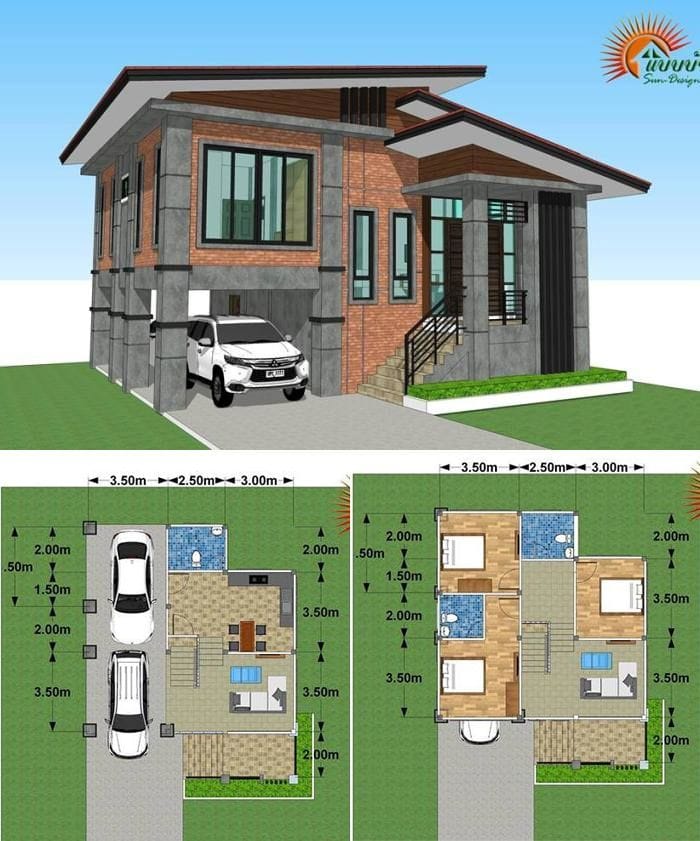
Effective space planning for lofts requires thinking beyond simple square footage calculations. Consider how the loft will interact with the rest of your home. Will it be a quiet retreat or a bustling activity zone? For example, if you plan to use your loft as a bedroom, you'll want to ensure good sound insulation from the main floor. If it's going to be a home office, positioning it near natural light sources makes a significant difference in daily productivity. Think about traffic flow too. How will family members move between levels? Will there be a dedicated staircase, or will the loft be accessed via a ladder? These decisions shape not just the look of your home but also its day-to-day usability. Sometimes a small loft can feel enormous with smart organization, while a large one can feel cramped without careful consideration.
Popular Loft Configurations
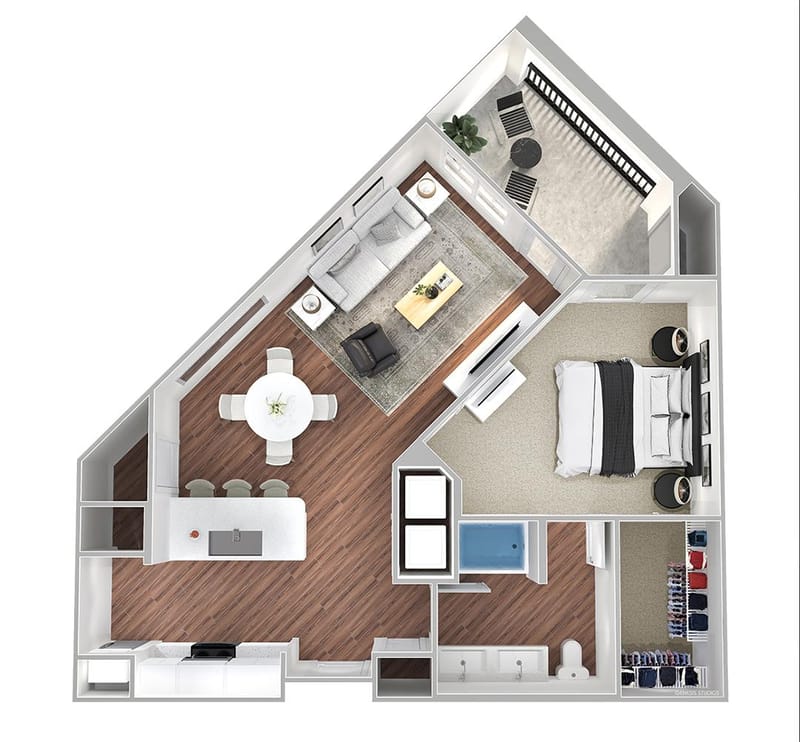
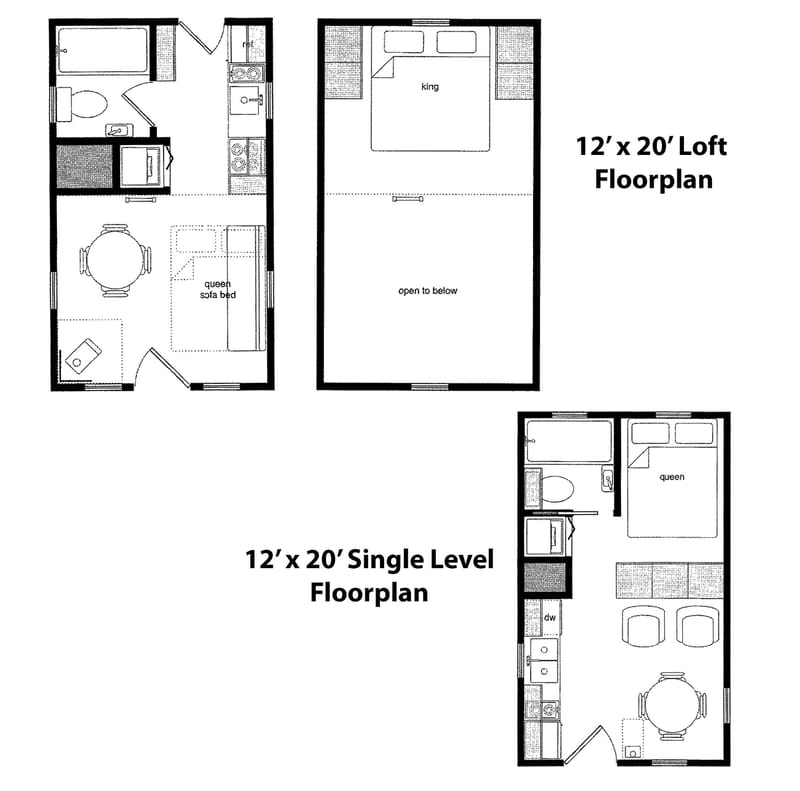
There are several common approaches to loft design that work well in various home layouts. The most straightforward is a full loft with its own entrance and complete privacy. This works wonderfully in larger homes where you want a separate sleeping area. Another popular option is a partial loft that extends over part of the main living space, such as a reading nook or home theater. Many homeowners love the idea of a mezzanine-style loft that sits above a sitting area or dining space. This creates a natural division while maintaining visual connection. Some architects even design lofts that double as storage areas, incorporating built-in shelving or hidden compartments. The possibilities are limited only by your imagination and budget constraints.
Safety and Accessibility Features
Safety should always come first when designing loft spaces. Proper stair construction is vital - the steps need to be wide enough and have consistent risers for safe climbing. If you're planning a ladder access, make sure it's sturdy and meets local building codes. For families with young children, consider guardrails around the loft opening or a secure gate. Fire safety is another important factor, especially in older homes. Smoke detectors should be placed strategically, and escape routes must remain clearly visible and accessible. Electrical considerations also play a big role. You'll need adequate power outlets and possibly additional lighting fixtures. Don't overlook accessibility for elderly family members - perhaps a ramp instead of stairs or a lift system for heavy items. These thoughtful additions make a significant difference in long-term usability.
Cost Considerations and Budgeting
Building or converting a space into a loft can vary dramatically in cost depending on several factors. Renovating an existing space is usually less expensive than new construction, but the price tag still depends heavily on the extent of modifications needed. Basic loft conversions might range from $15,000 to $50,000, while more elaborate designs could exceed $100,000. Materials selection plays a major role in pricing. Exposed brick walls, wooden beams, and custom millwork all add to costs but can also significantly increase your home's value. Labor costs vary regionally, with some areas seeing higher prices due to local market conditions. It's wise to set aside 10-15% of your total budget for unexpected expenses. Remember that a well-planned loft can actually increase your home's resale value by providing flexible living spaces that appeal to many buyers.
Designing a house plan with a loft offers incredible opportunities to create personalized living spaces that reflect your lifestyle and needs. Whether you're envisioning a quiet retreat, a creative workspace, or simply more functional space, the key lies in thoughtful planning and attention to detail. From considering safety features to maximizing natural light, every aspect of loft design affects how you'll live in your home daily. The investment in a well-executed loft can transform not just your home's appearance but also its practicality and value. As you begin planning your own loft space, remember that it's not just about adding square footage - it's about creating layers of living that enhance your everyday experiences. With proper consideration of design principles, safety requirements, and budget constraints, your loft can become one of your home's most cherished features.


