
Picture this: you're standing on your backyard deck, looking out over a stunning view of rolling hills, with the gentle slope of your property creating the perfect setting for a home that seems to grow naturally from the land itself. This isn't just a dream - it's entirely possible when you incorporate a walkout basement into your design. But how exactly does it work? What are the real benefits, challenges, and considerations? Let's dive deep into the world of sloped lot construction.
When you think about building on a sloped lot, the first thing that comes to mind might be a dramatic view or an interesting architectural challenge. But there's another element that can transform your entire living experience - a walkout basement. This design feature allows you to create additional living space while taking full advantage of your property's natural topography. Whether you're planning a new build or renovating an existing home, understanding how walkout basements work on sloped lots is crucial. These structures offer unique opportunities for maximizing both space and views, but they also come with their own set of considerations that deserve careful attention.
What Is a Walkout Basement?
A walkout basement is essentially a basement that has direct access to the outdoors through doors or windows that open directly onto the ground level. Unlike traditional basements that are completely underground, walkout basements have at least one side that extends above ground level, creating a natural connection between indoor and outdoor spaces. Think of it as having a private patio or garden area right at your basement level. The term 'walkout' refers to the ability to walk directly outside from your basement without going through the main house first.
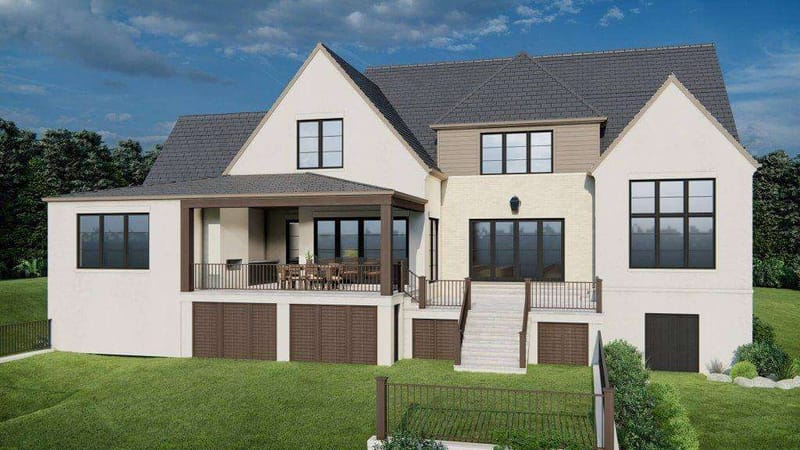
This type of basement design is particularly popular in areas with challenging terrain because it allows homeowners to make the most of their land's natural features. Instead of fighting against the slope, you actually work with it to create functional and beautiful spaces. Imagine waking up in your bedroom and stepping directly onto a deck or patio that overlooks your landscape - that's the magic of a well-designed walkout basement.
Benefits of Walkout Basements on Sloped Lots
There are several compelling reasons why walkout basements are especially appealing on sloped properties:
The beauty of combining a walkout basement with a sloped lot is that you're essentially working with nature rather than against it. It's a smart solution that respects the landscape while maximizing functionality.
Key Design Considerations for Sloped Lots
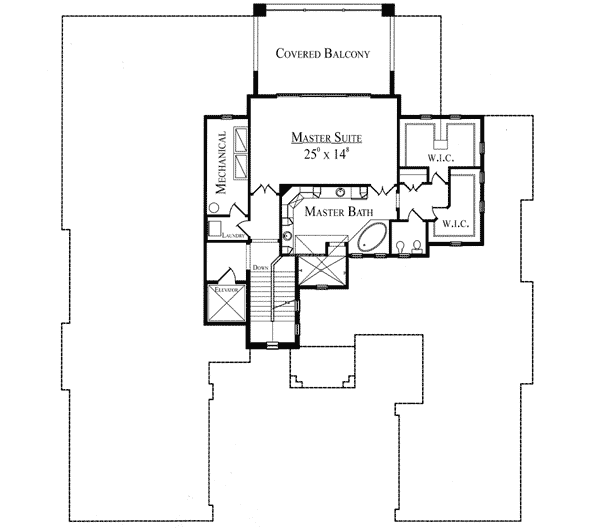
Before diving into the specifics of your walkout basement plan, there are several important factors to consider:
Working with a professional who understands both sloped lot construction and basement design is essential. They'll help you navigate these complexities and ensure your final design meets all safety and building code requirements.
Planning Your Walkout Basement Layout
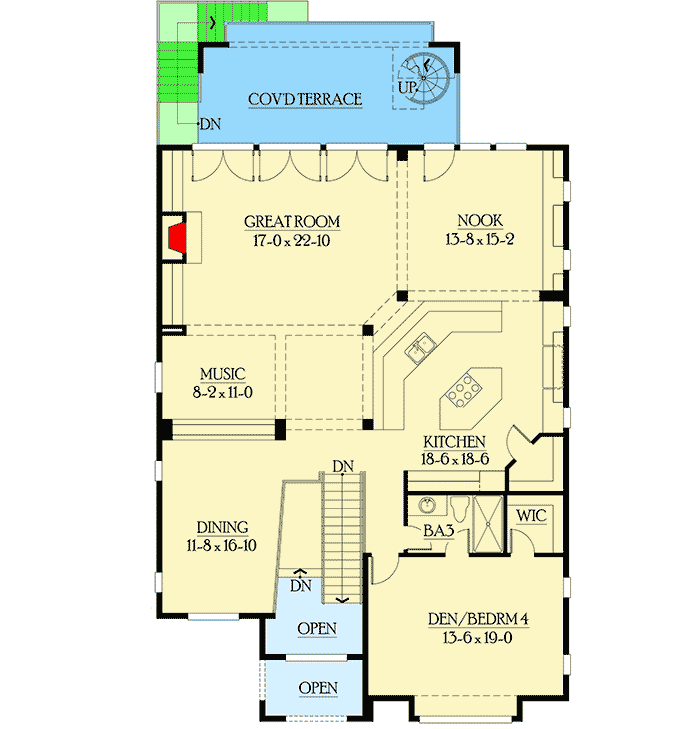
Creating a successful walkout basement layout requires thoughtful consideration of several elements:
Functional zones - Start by determining what you want to use each area for. The walkout side is perfect for family rooms, dining areas, or entertainment spaces since it offers great views and natural light. Consider placing bedrooms or quieter spaces on the interior side where you get more privacy.
Window placement - Windows on the walkout side should be strategically positioned to maximize views and natural light. Large windows or glass doors create that seamless transition between inside and outside. Think about privacy concerns too - you might want to add screening or landscaping to protect your space from prying eyes.
Staircase design - The stairs leading to your walkout basement are a focal point of the design. They can be straight, curved, or even spiral depending on space constraints and aesthetic preferences. Make sure they meet local building code requirements for width and safety.
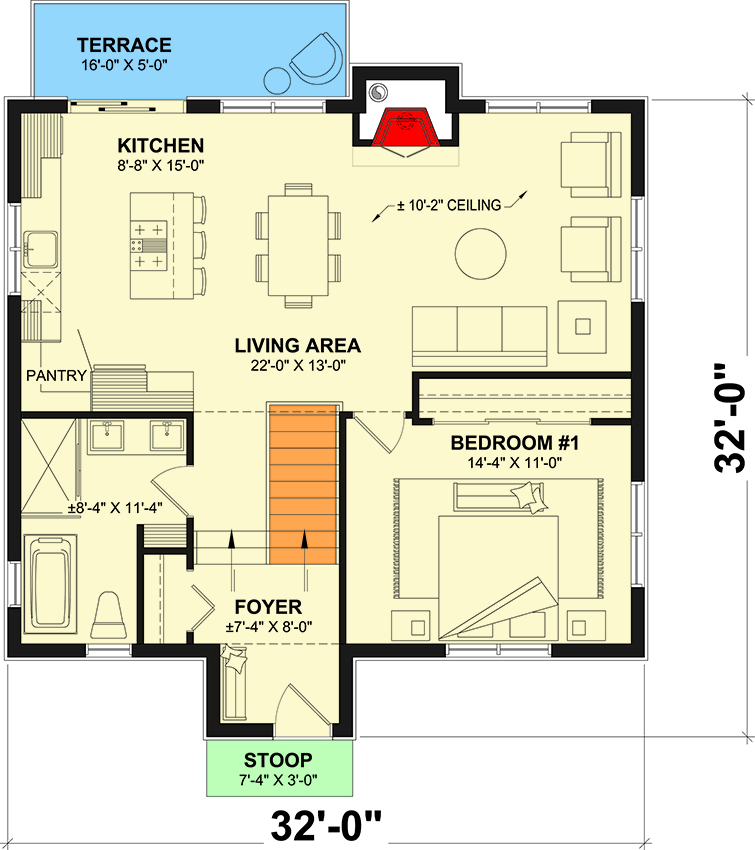
Storage solutions - Basements are great for storage, but with a walkout design, you want to make sure everything flows smoothly. Built-in shelving, custom cabinetry, and clever organization solutions can keep the space feeling clean and functional.
Lighting strategy - Since you'll be using this space regularly, good lighting is essential. Combine ambient lighting with task lighting and accent lights to create a warm, inviting atmosphere that works during both day and night.
Structural Challenges and Solutions
The structural aspects of a walkout basement on a sloped lot present unique challenges that require specialized knowledge:
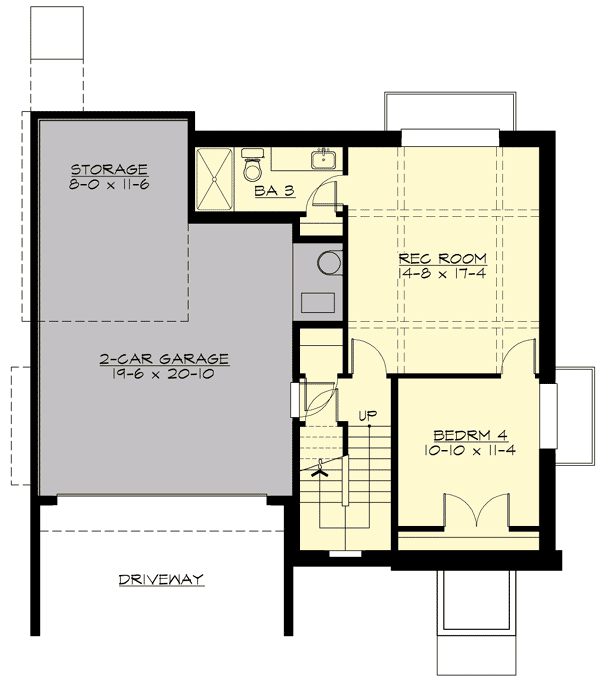
Many homeowners find that investing in quality engineering upfront saves money and headaches later. These professionals can help you navigate the technical aspects while ensuring your design remains practical and safe.
Cost Factors and Budget Planning
Walkout basements on sloped lots can significantly impact your overall project budget, but they're often worth the investment:
Consider that while the initial investment is greater, the added value and functionality often justify the expense. A well-designed walkout basement can provide years of enjoyment and potentially increase your home's resale value by 10-15%.
A walkout basement on a sloped lot represents more than just a building feature - it's a lifestyle choice that can transform how you live and interact with your environment. When you carefully plan and execute this type of design, you're creating a space that feels both connected to nature and perfectly suited to your needs. The key is understanding that this isn't just about digging down into the earth; it's about creating a harmonious relationship between your home and its surroundings.
Whether you're dreaming of a cozy family room with floor-to-ceiling windows overlooking your garden, or a spacious entertainment area that blurs the line between indoor and outdoor living, the possibilities are endless. The investment in time, planning, and resources pays off in ways that extend far beyond simple square footage. You're not just building a house - you're creating a place where memories will be made, where family gatherings will happen, and where you can truly appreciate the natural beauty of your sloped lot.
The journey from concept to completion requires patience and careful attention to detail, but the result is a home that stands apart from the ordinary. It's a testament to thoughtful design and respect for the land you call home.


