
In today's evolving family dynamics, the demand for thoughtful home designs that accommodate multiple generations has never been higher. Whether you're planning a new build or remodeling an existing space, understanding how to properly integrate a mother-in-law suite into your home plan can transform both your living experience and your relationships with family members.
The modern American family isn't what it used to be. More than ever, we're seeing multi-generational households, adult children staying with parents longer, and aging parents needing assistance while maintaining their independence. This shift has made the mother-in-law suite one of the most sought-after features in residential architecture. These separate living spaces offer a perfect solution for keeping family members close while preserving privacy and personal autonomy. What started as a simple idea has evolved into a complex design challenge that requires careful consideration of space, function, and family needs.
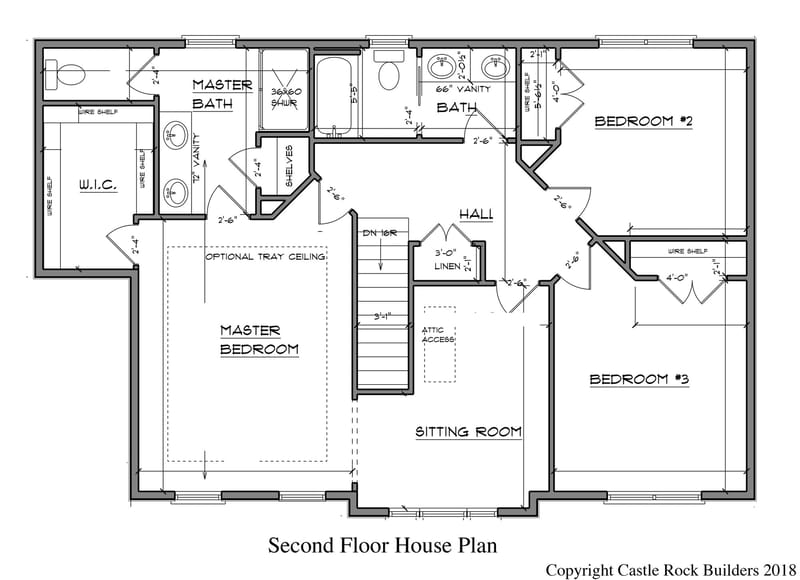
Understanding Mother-in-Law Suite Basics
A mother-in-law suite, also called a junior suite or accessory dwelling unit, is essentially a self-contained living space within a larger home. Think of it as a small apartment or cottage tucked inside your main house. These spaces typically include a bedroom, bathroom, kitchenette, and living area. The key is that they're completely independent yet connected to the main house. They can be located in basements, attics, converted garages, or even separate wings of the house. Many people assume these spaces are just for elderly parents, but they serve many purposes. Young adults might want to live independently while remaining close to family. Aging parents may prefer to have their own space while still being part of the household. Some families use them as rental units to help with mortgage payments. The versatility makes these spaces incredibly valuable in today's housing market.
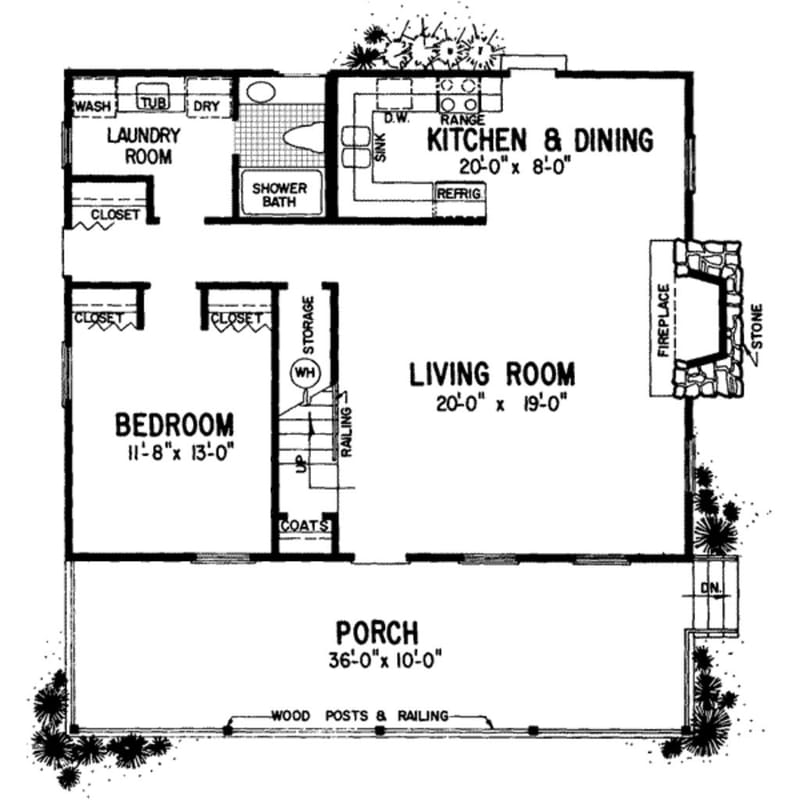
Key Design Considerations
When planning a mother-in-law suite, several factors come into play. First, consider the size and layout of your available space. Basements often work well because they provide natural privacy and can be easily separated from the main living areas. Attics require careful structural considerations but offer unique opportunities for creative design. The most important thing is ensuring adequate square footage - generally, 400-600 square feet is recommended for basic functionality. Another crucial element is accessibility. The space should be easy to navigate for anyone, especially older residents. This means wide doorways, no steps, and appropriate lighting throughout. You'll also want to think about the connection to the main house. Will there be a direct hallway? Or will it be accessed through another room? The decision affects everything from privacy to heating costs. Consider whether the suite needs its own utilities or if it can share systems with the main house. Plumbing, electrical, and HVAC considerations can make or break a successful installation.
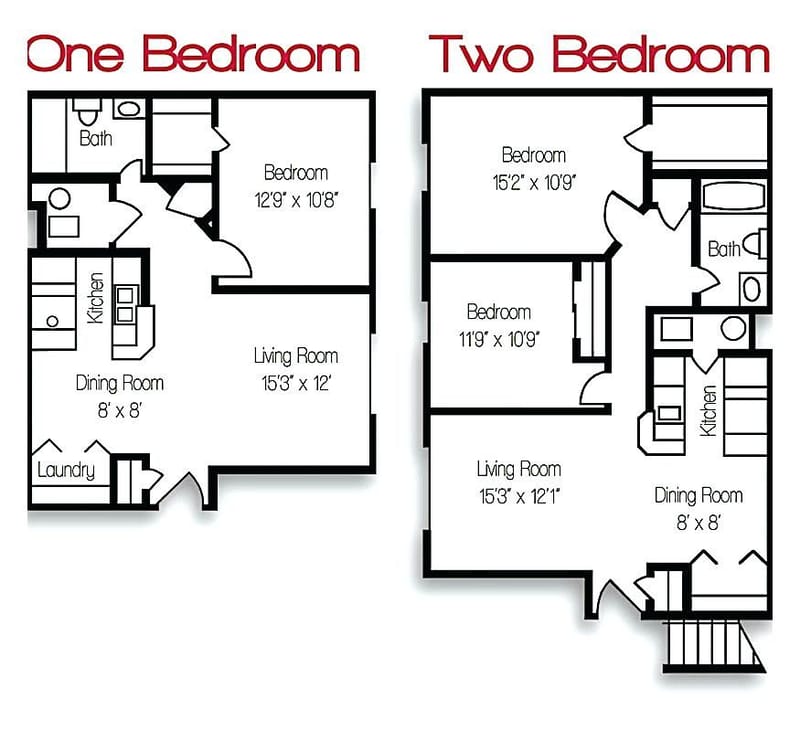
Space Planning Essentials
Proper space planning is where things get interesting. Start with the basics: bedroom, bathroom, and kitchenette. A full-size bed works best in these smaller spaces, though a twin or full bed can suffice. The bathroom should include a shower or tub, sink, and toilet - nothing fancy, but functional. For the kitchenette, even a small refrigerator, microwave, and counter space can make a huge difference in daily life. The living area is often overlooked but critical for comfort. Even a small sitting area provides essential social space. Many people add a dining area, though it's not always necessary. Think about storage too. Built-in closets or cabinets help maximize every inch of space. Consider furniture that serves multiple purposes - a dining table that converts to a desk, or a sofa bed that saves floor space. These small details can make a big difference in how comfortable and functional the space feels. The overall flow should feel natural and uncluttered.
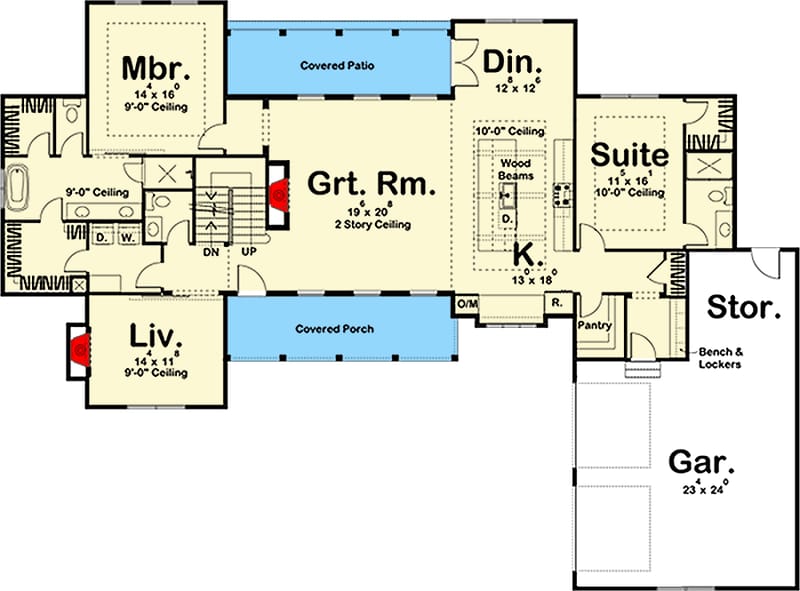
Privacy vs. Connection Balance
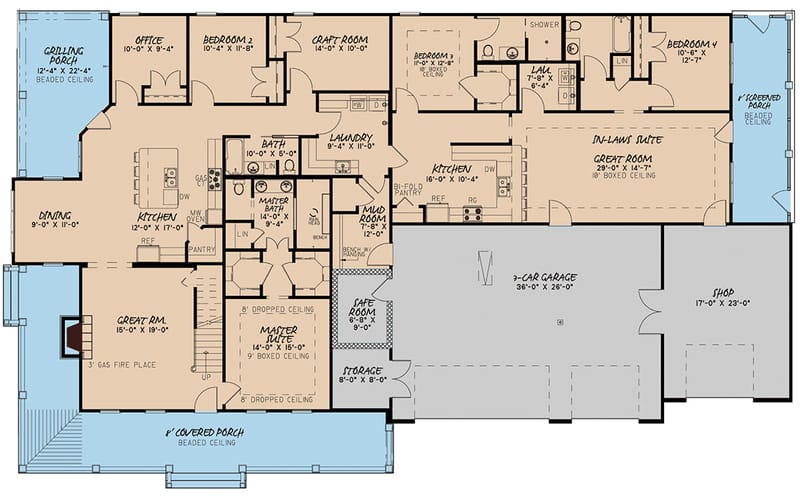
One of the biggest challenges in designing these suites is finding the right balance between privacy and connection. Families want to stay close, but they also need space to breathe. This tension creates some fascinating design decisions. On one hand, you want the suite to feel like its own place - with its own entrance, perhaps a private porch or patio. On the other hand, you don't want it to feel isolated from the rest of the family. Many successful designs incorporate a shared hallway that leads to the main house, creating a sense of connection while maintaining privacy. Some homeowners install a window that looks into the main living area, allowing residents to watch family activities without being intrusive. Others create a common area where both families can gather - maybe a breakfast nook or family room. The key is to avoid making either family feel like they're living in separate worlds. Communication during the design phase helps ensure everyone's needs are met.
Cost and Budget Planning
Budgeting for a mother-in-law suite can vary dramatically based on your starting point and desired features. If you're building a new home, incorporating the suite from the beginning typically costs less than retrofitting an existing structure. Expect to pay anywhere from $15,000 to $50,000 for a basic renovation, depending on the complexity and materials chosen. New construction costs can range from $75,000 to $150,000 or more. The biggest expenses usually come from plumbing, electrical work, and HVAC installation. If you're adding to a basement, you might need additional waterproofing or foundation work. Kitchenettes can drive up costs significantly, especially if you want high-end appliances. It's worth noting that some areas have specific zoning restrictions that could affect your budget. Check local codes early to avoid expensive surprises later. Financing options exist for both renovations and new construction, so don't let budget concerns stop you from pursuing this dream.
Legal and Zoning Requirements
Before you start planning, it's essential to understand local regulations. Not all areas allow mother-in-law suites, and those that do often have strict requirements. Some cities require permits for any structural changes, while others have specific rules about the size, location, and even appearance of these spaces. You might need to submit detailed plans for approval before breaking ground. Building codes vary significantly across regions, affecting everything from electrical requirements to fire safety standards. Some places require separate utility meters, while others allow shared systems. Insurance implications can also be significant. You might need to update your homeowner's policy to account for the additional living space. Some insurance companies charge more for homes with accessory dwelling units, while others offer special coverage options. Researching these requirements early can save you time and money down the road. Don't assume that what works in one neighborhood will work everywhere.
Mother-in-law suites represent more than just additional living space - they're a reflection of how our families are changing and growing together. When thoughtfully designed, these spaces can become the heart of family life, bringing generations closer while respecting individual needs and privacy. Whether you're planning a complete home renovation or designing a new house, considering the integration of a separate living unit shows deep understanding of modern family dynamics. The investment pays off in more ways than one - from emotional satisfaction to potential financial benefits. The key is approaching the project with realistic expectations, thorough planning, and open communication among all parties involved. Remember, the goal isn't to create a separate world, but rather to create a harmonious environment where everyone can thrive. With proper design and attention to detail, your mother-in-law suite can become one of the most valued features of your home.


