
When you think of building a house, what comes to mind? Maybe a crew of workers with hard hats, or perhaps the sound of hammering and drilling. But before any of that happens, there's something much more important happening behind the scenes - someone draws up a blueprint. These detailed drawings are like the secret code that tells builders exactly how to construct everything from foundations to rooftops. It's fascinating how one piece of paper can hold the power to transform dreams into physical reality.
You've probably seen those architectural drawings that look like they belong in a museum - detailed lines, measurements, and symbols that seem to speak a language all their own. But have you ever wondered if builders actually follow these blueprints to the letter? The answer isn't quite as straightforward as you might expect. While blueprints are incredibly important, the reality of construction is more nuanced than simply following instructions. There's a dance between planning and execution that makes building projects both challenging and fascinating. Every builder has a story about when things didn't go according to plan, and every blueprint tells a story too - sometimes about what went right, sometimes about what went wrong.
What Blueprints Actually Contain
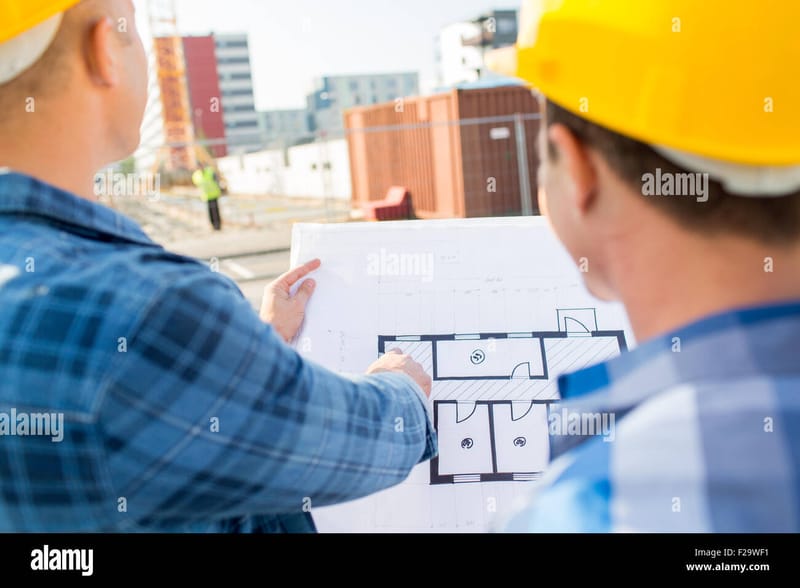
Blueprints are far more than just pretty pictures of houses. They're comprehensive guides that include everything from structural details to electrical layouts. Think of them as a complete instruction manual for construction. A typical blueprint includes:
These documents often span dozens of pages, each page focusing on different aspects of the project. Some architects even add notes that explain why certain decisions were made. You might find explanations about why a particular beam size was chosen, or why a specific type of insulation was selected. It's almost like reading a story that explains not just what to build, but why it's being built that way.
The Reality of Construction

Here's where things get interesting. While blueprints provide the foundation for construction, builders don't always follow them exactly. Why? Because buildings don't exist in a vacuum. They're built on sites with varying conditions, weather changes, and unexpected discoveries. Imagine you're laying the foundation for a house and suddenly you hit a layer of rock that wasn't shown on the original plans. What do you do then? You adjust.
This flexibility is part of what makes construction so complex. Builders must constantly evaluate what they're seeing against what they planned. Sometimes this means making small adjustments - changing a few inches here and there. Other times, it requires major modifications that can impact the entire project timeline. Professional builders often say they work with blueprints rather than strictly following them. It's a delicate balance between honoring the original vision and adapting to reality.
Common Challenges Builders Face
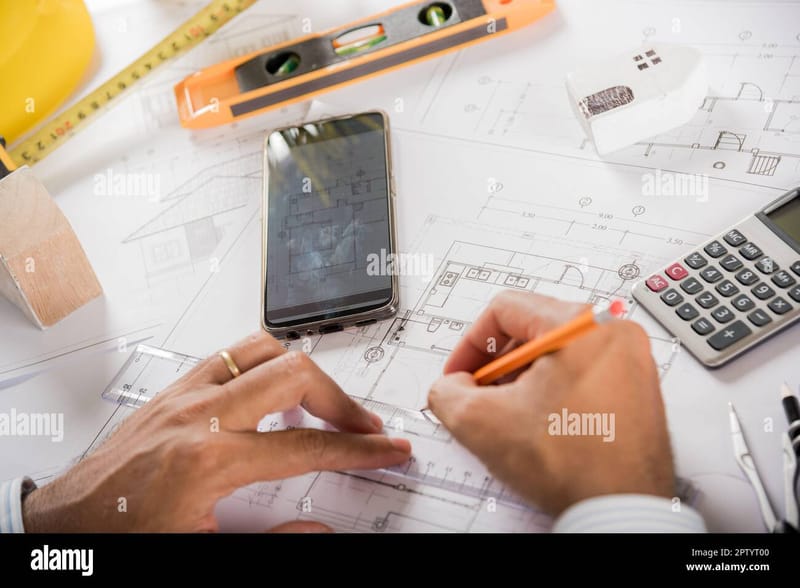
Every builder has experienced moments when blueprints met reality in unexpected ways. Here are some frequent situations that test even the most experienced professionals:
One contractor shared how they had to completely redesign the electrical layout after finding old wiring that was still functional but couldn't support modern needs. The blueprint showed a different setup entirely. Another example involved discovering that the soil beneath a proposed foundation was much softer than anticipated, requiring additional reinforcement measures. These situations highlight why blueprints, while essential, are just the starting point of construction.
How Builders Communicate With Plans
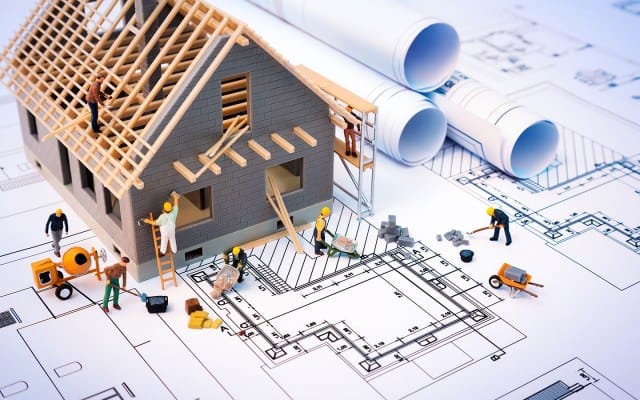
Effective communication between architects, builders, and clients is crucial for successful projects. Builders often spend significant time studying blueprints before breaking ground. They check measurements multiple times, verify materials specified, and confirm that everything makes sense in context. Many builders have developed their own systems for working with blueprints.
Some prefer digital versions that allow them to annotate directly on the plans. Others stick with paper copies and use colored pencils to mark changes as they occur. The key is ensuring everyone involved understands the plans clearly. When builders work with clients, they often walk through the blueprints together, explaining what each element means and how it will affect the final result. This collaborative approach helps prevent misunderstandings later in the process. It's not uncommon for builders to suggest improvements or alternatives based on their experience and knowledge of local building codes.
Quality Control and Adjustments
Even when everything goes according to plan, quality control remains a constant concern. Builders regularly compare their work against blueprints throughout the construction process. They measure walls, check angles, and verify that components match specifications. This ongoing verification helps catch problems early, before they become costly fixes later.
However, some adjustments are necessary even when everything seems perfect. For instance, a builder might notice that windows don't align perfectly with the floor plan due to settling of the structure. Or perhaps the ceiling height is slightly different than expected because of variations in the foundation. These aren't necessarily problems - they're just part of the natural process of construction. Skilled builders know how to handle these situations professionally, ensuring that the final product meets expectations while staying within budget and schedule constraints.
Modern Technology in Blueprint Use
Today's construction industry has embraced technology in ways that make working with blueprints more efficient and accurate. Digital blueprints can be instantly shared with team members across different locations. Software programs allow builders to overlay plans onto actual construction sites using GPS technology. Some companies now use virtual reality headsets to walk through projects before they're even built.
These technological advances have changed how builders interact with blueprints. Instead of just reading drawings, they can now manipulate them digitally, test different scenarios, and share real-time updates with architects and clients. However, the fundamental relationship between blueprint and construction remains the same. Technology enhances the process, but it doesn't eliminate the need for skilled judgment and adaptability. Builders still need to make decisions based on their experience and understanding of local conditions.
So does a builder actually build from a blueprint? The honest answer is yes, but with important caveats. Blueprints serve as the foundation for construction, providing essential guidance and specifications that keep projects organized and safe. Yet the reality of building involves constant adaptation, problem-solving, and skilled decision-making. Every builder knows that while blueprints are invaluable tools, they're just the beginning of the construction journey. The magic happens when talented professionals combine precise planning with practical experience to bring architectural visions to life. Whether you're planning to build your own home or simply want to understand how construction works, remember that blueprints are the roadmap, but the journey itself is what makes the destination truly special.


