
Imagine stepping into your home and immediately feeling the warmth of natural light, the gentle rustle of leaves, and the quiet comfort of open air. This isn't just a dream – it's the reality of homes designed with central courtyards. These architectural gems have been captivating homeowners for centuries, offering something rare in today's world: a natural sanctuary right in your backyard.
Central courtyard homes represent more than just a design choice – they embody a philosophy of living that prioritizes connection to nature, community, and well-being. Whether you're planning a new build or considering renovations, understanding how these spaces work can transform your entire approach to home design. Think of it as creating a living room that breathes, a space that changes with the seasons and the mood of your family. The courtyard becomes the heart of your home, drawing people together while providing a peaceful retreat from the outside world. It's not just about aesthetics; it's about crafting a lifestyle that feels grounded and intentional.
What Makes a Central Courtyard Special
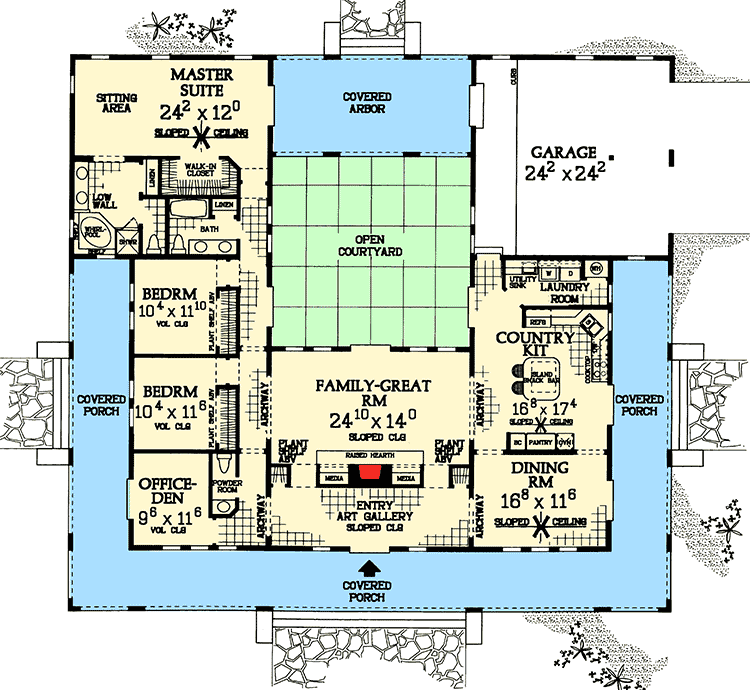
A central courtyard isn't just a hole in the ground surrounded by walls. It's a carefully planned space that serves multiple purposes simultaneously. The design creates natural ventilation and lighting that flows throughout the house. Picture this: morning sun streaming through the open sky, casting dancing shadows across stone pathways. The courtyard acts as a buffer between indoor and outdoor life, creating a seamless transition that many people find deeply satisfying.
The magic happens when you consider how these spaces naturally regulate temperature. During hot weather, the courtyard provides cool respite, while in winter, it captures and holds heat from the sun. It's like having a built-in climate control system that works with nature rather than against it. Many homeowners report feeling more connected to their environment when they live in homes with central courtyards. There's something primal about being surrounded by open air and natural elements that makes us feel more alive.
Historical Roots and Cultural Significance
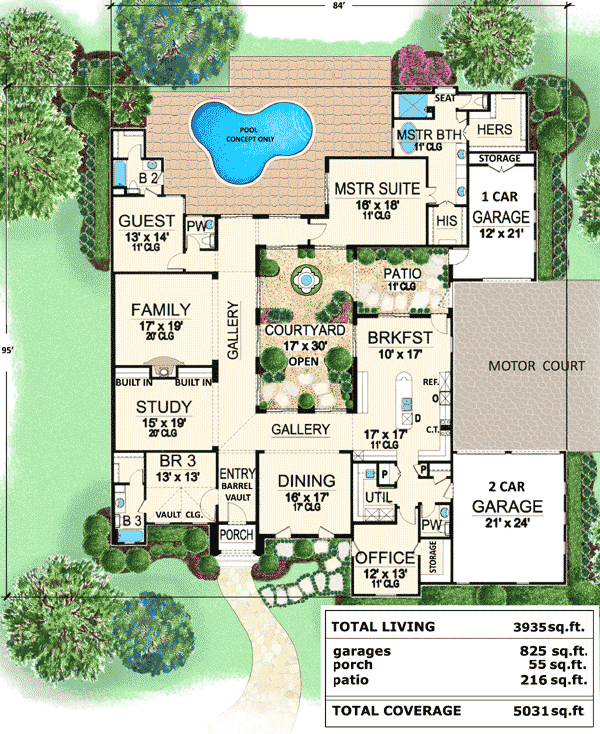
Courtyard designs aren't new – they've been around for thousands of years. Ancient civilizations from the Middle East to Asia developed these concepts to suit their climates and lifestyles. In Morocco, you'll find intricate tile work surrounding central gardens that provide relief from scorching heat. Traditional Japanese homes incorporate small courtyards that encourage mindfulness and meditation.
These designs reflect cultural values about community and harmony. They show that people have always understood the importance of having a space that bridges indoors and outdoors. The courtyard becomes a place where families gather, children play, and guests are welcomed. It's not just about having a pretty garden – it's about creating a social hub that enhances relationships within the household and with neighbors. Even in modern urban settings, these designs remind us that we're still seeking those fundamental human needs for openness and connection.
Key Design Elements to Consider
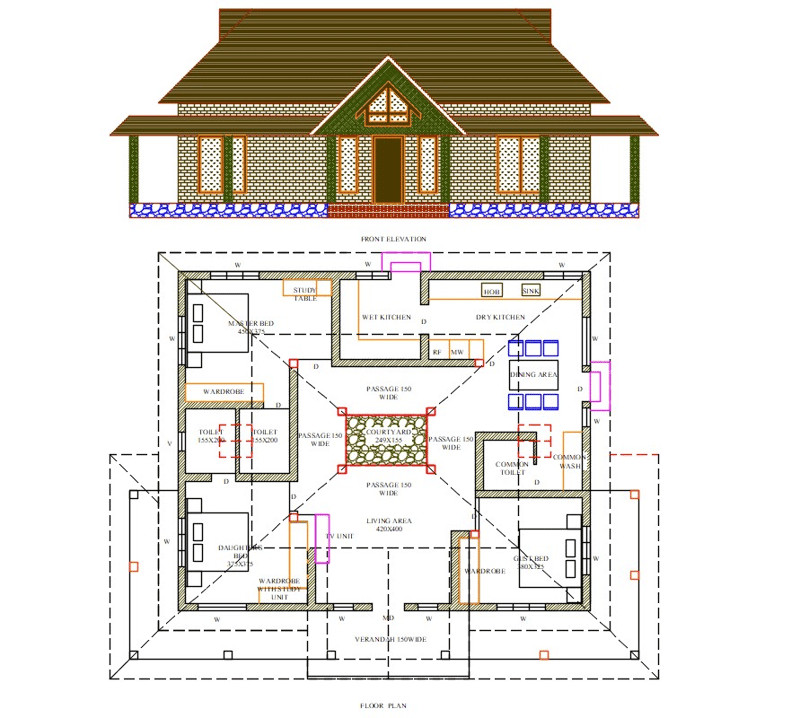
Creating a successful central courtyard requires thoughtful planning. Here are some essential elements that make or break the experience:
Practical Benefits Beyond Aesthetics
Beyond looking beautiful, central courtyards offer tangible advantages that impact daily life. Energy costs often decrease because the design naturally regulates temperature. You'll notice less reliance on air conditioning during summer months. The open-air design also improves indoor air quality, which is especially important for families with allergies or respiratory issues.
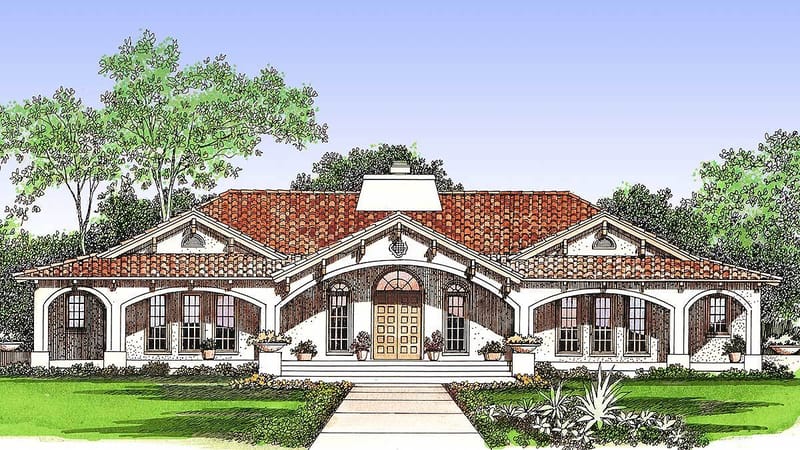
The psychological benefits are equally impressive. Studies show that people who live in spaces with natural elements experience reduced stress levels and better mental health. Having a dedicated outdoor space encourages more time spent in nature, which research links to improved creativity and overall well-being. Families often report stronger bonds when they regularly gather in their courtyard space. It becomes a place where memories are made and traditions are maintained.
Common Challenges and Solutions
Not every home design works perfectly with a central courtyard. Some common issues include:
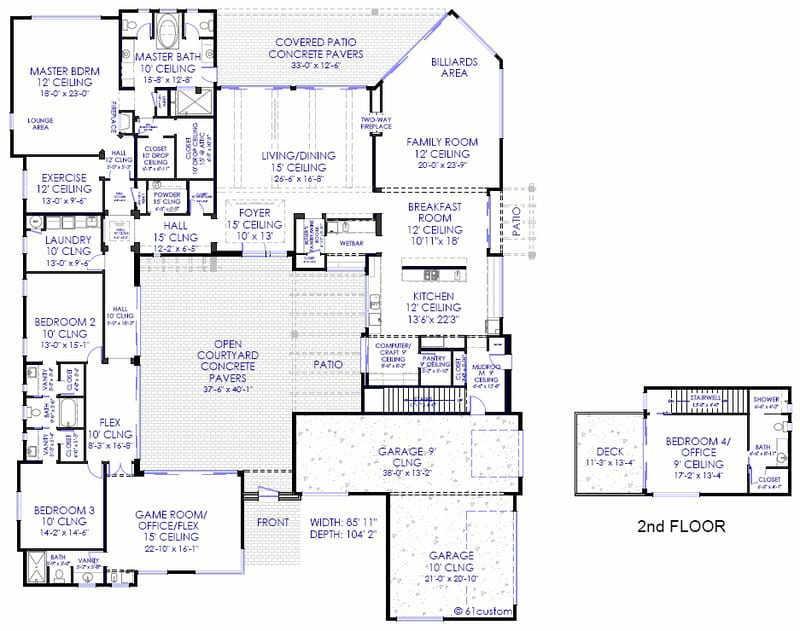
The key is to address these challenges early in the design process. Many of these issues can be worked around with thoughtful planning and creative thinking.
Modern Applications and Innovation
Today's central courtyard designs blend traditional principles with modern innovations. Smart irrigation systems make watering easier and more efficient. Solar lighting adds ambiance without increasing electricity bills. Modern materials like composite decking or recycled stone offer durability and beauty.
Some designers now incorporate technology seamlessly into courtyard spaces. Hidden speakers for music, smart sensors for lighting, and even automated shade systems demonstrate how traditional concepts can embrace contemporary living. These innovations don't compromise the natural feel of the space – instead, they enhance it. The result is a home that honors its roots while meeting modern needs. People appreciate that their courtyard can be both a peaceful retreat and a high-tech entertainment area when needed.
Central courtyard homes represent more than just architectural style – they're a way of approaching life with intentionality and connection. Whether you're designing a new home or renovating an existing one, understanding how to properly implement these spaces can transform your living experience. The key is balancing timeless principles with practical realities. When done right, a central courtyard becomes the most cherished part of your home. It's where you'll spend your mornings reading, your afternoons entertaining, and your evenings reflecting. It's not just a design element – it's a lifestyle choice that brings nature, community, and peace directly into your daily routine. The investment in creating this kind of space pays dividends in happiness, health, and lasting memories.


