
Have you ever wondered just how tall a two-story house really is? It's a question that pops up more often than you might think, especially when planning renovations, comparing properties, or simply satisfying your curiosity. The answer isn't quite as straightforward as you might expect, and there's actually quite a bit of variation depending on several important factors.
When we picture a two-story house, we often conjure up images of cozy family homes with distinct upper and lower levels. But how tall exactly are these structures? This seemingly simple question opens up a fascinating world of building standards, regional variations, and design choices that affect everything from property values to neighborhood aesthetics. Whether you're a homeowner considering expansion, a real estate agent helping clients, or just someone curious about construction, understanding the height of two-story houses matters more than you might realize.
Standard Height Measurements
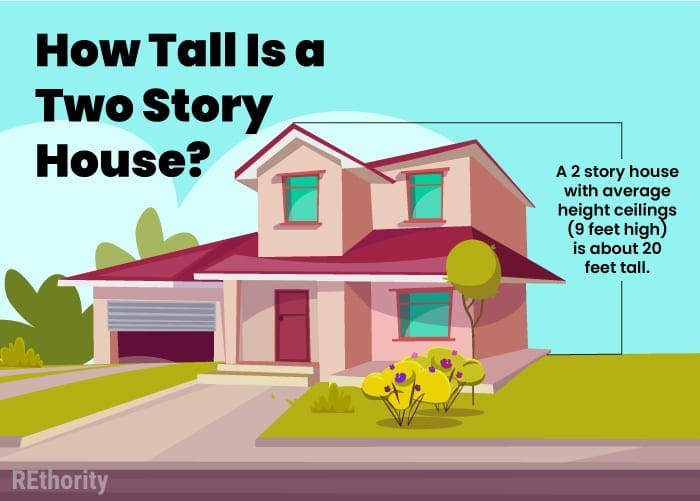
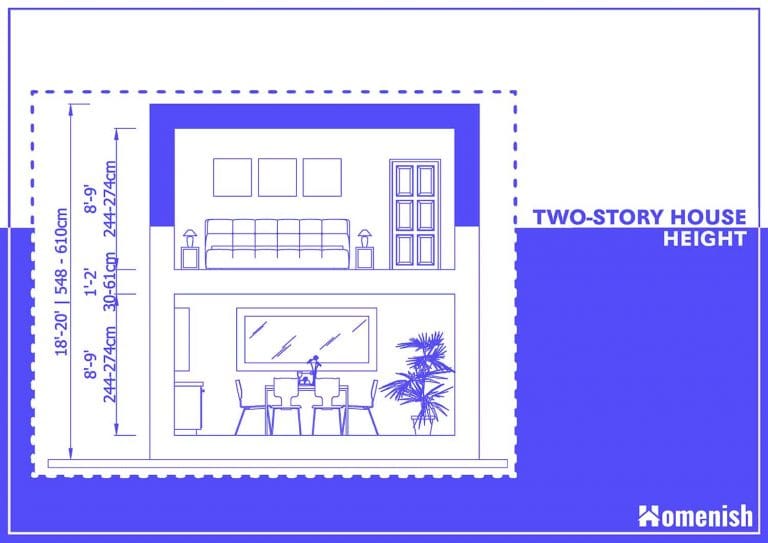
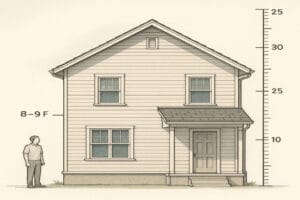
The average height of a two-story house typically ranges between 20 and 28 feet from ground level to the roof peak. This measurement includes both the main living areas and the attic space above. However, let's break this down further because it's not quite that simple. Most standard two-story homes have each floor measuring about 9 to 10 feet in height. That means the total vertical space is roughly 18 to 20 feet between floors, plus additional height for the roof structure and any dormer windows. For example, a typical house with 9-foot ceilings would measure approximately 18 feet from basement to second floor, then another 8 to 10 feet to reach the peak of the roof. This calculation can vary significantly based on architectural style and local building codes.
Factors Influencing Overall Height
Several elements play a role in determining exactly how tall your two-story home will be. First, ceiling height matters tremendously - while 8 feet was once standard, modern homes often feature 9-foot or even 10-foot ceilings. Second, roof design dramatically impacts final measurements. Gable roofs add extra height compared to flat or shed roofs. Third, the type of foundation affects the overall structure. Basements, crawl spaces, and slab foundations all contribute differently to total height. Let's look at some real-world scenarios. A house with a basement and 9-foot ceilings might measure 24 feet total, while one with a finished attic and 10-foot ceilings could reach 28 feet. Even the simplest measurements can differ by several feet depending on these variables.
Regional Variations and Building Codes
Building regulations vary dramatically across different regions, affecting house heights in unexpected ways. In areas prone to severe weather, builders often construct taller homes to accommodate better ventilation and drainage systems. Coastal regions might require higher structures to meet flood elevation requirements. Urban areas frequently have stricter height limitations due to zoning laws and neighboring buildings. Rural locations tend to allow more flexibility, sometimes resulting in homes that reach 30 feet or more. For instance, homes built in Florida might be taller to comply with hurricane-resistant construction standards, while those in mountainous regions could be shorter to maintain proper snow load distribution. These regional differences mean that what seems like a typical two-story house in one area might be considered exceptionally tall elsewhere.
Architectural Styles and Their Impact
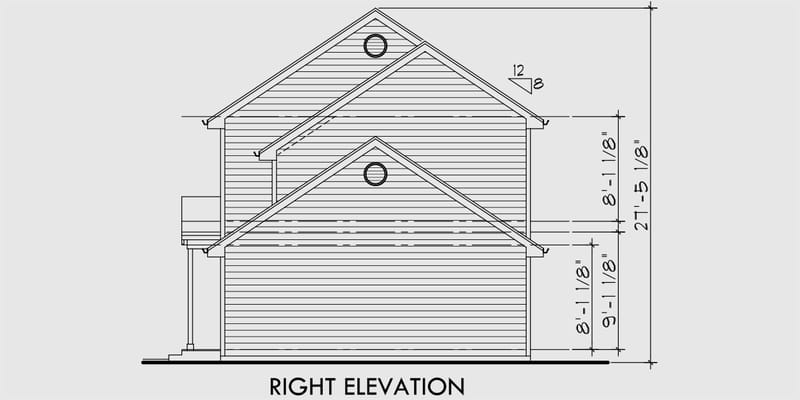
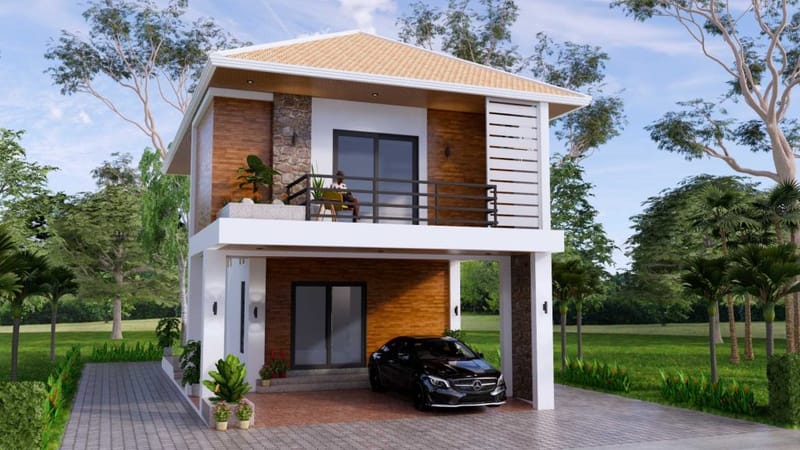
Different architectural styles bring unique considerations to house height calculations. Colonial-style homes often emphasize symmetry and proportion, which can result in more moderate heights. Victorian homes might feature elaborate rooflines that add significant vertical dimension. Modern minimalist designs tend to favor clean lines and may incorporate vaulted ceilings that dramatically increase overall height. Ranch-style homes, though typically single-story, sometimes include bonus rooms or lofts that create a similar effect to two stories. Consider a traditional Cape Cod style house with its distinctive gabled roof - the peak can add several feet to the total height compared to a flat-roofed contemporary design. The choice of materials also plays a part; brick construction might be slightly taller than wood-frame homes due to different structural requirements.
Practical Implications for Homeowners
Knowing your house's actual height isn't just academic - it has real implications for daily life. If you're planning to install a new roof, the height determines the complexity and cost of the project. Homeowners with taller homes might experience different heating and cooling dynamics, potentially requiring more energy-efficient solutions. Property taxes often factor in square footage and building height, so knowing your exact measurements matters for financial planning. For safety reasons, tall homes might require special considerations for window guards, fire escape installations, or exterior maintenance equipment. Imagine having to climb ladders to reach your roof - that's a practical consideration that comes with increased height. Additionally, if you're planning to add a second story to an existing single-story home, understanding current building heights helps determine whether you'll need permits or face restrictions.
Comparing to Other Structures
Two-story houses sit comfortably in the middle ground when compared to other common residential structures. Single-story homes typically range from 10 to 12 feet in height, making two-story homes roughly twice as tall. Three-story buildings can reach 35 to 45 feet, putting them well beyond typical residential heights. Commercial structures like small office buildings often exceed 20 feet, sometimes reaching 30 feet or more. Even comparing to other home types reveals interesting patterns. Tiny houses might be under 10 feet tall, while luxury estates can stretch to 30 feet or more. Think about it this way: a two-story house is roughly the height of a three-year-old child standing on a grown-up's shoulders. This comparison helps put the scale into perspective for many people.
The height of a two-story house isn't just a number on a blueprint - it's a reflection of countless decisions made during construction and design. From simple ceiling heights to complex regional regulations, every factor contributes to the final measurement. Whether you're measuring your own home, evaluating properties, or simply satisfying curiosity, remember that these figures represent much more than mere dimensions. They tell the story of building traditions, regional adaptations, and the careful balance between functionality and aesthetics. So next time you see a two-story home, take a moment to appreciate not just its appearance, but the thoughtful engineering and planning that went into creating its impressive vertical presence. The next time you're looking at a property, you'll know exactly what to look for when assessing the true height of a two-story dwelling.


