
Imagine waking up to snow-capped peaks, the crisp mountain air filling your lungs, and a cozy fireplace crackling in the background. That's the essence of a chalet home - a style that has captured hearts worldwide. These distinctive mountain retreats aren't just houses; they're lifestyle statements that blend rustic charm with contemporary comfort. Whether you're planning your dream vacation home or simply curious about this architectural marvel, understanding what makes a chalet special is essential.
Chalet homes have a magical quality that seems to transport you straight into a ski resort fantasy. But what exactly defines a chalet? It's more than just a building nestled among pine trees or a place with a wooden exterior. These homes represent a unique architectural philosophy that values connection with nature, functional design, and the simple pleasures of mountain living. From the early days of Swiss alpine architecture to today's luxury mountain estates, chalets have evolved while maintaining their core appeal. What started as simple log cabins for farmers and shepherds has transformed into sophisticated retreats that blend traditional elements with modern amenities. The appeal isn't just aesthetic - it's about creating a space where life slows down, where every detail contributes to a sense of peace and belonging.
The Origins and History of Chalet Architecture
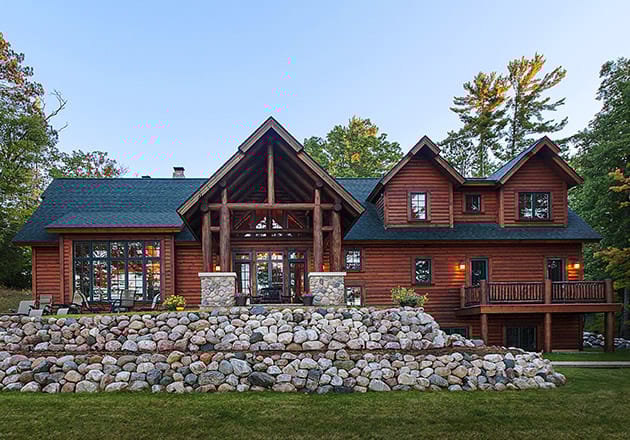
The word 'chalet' comes from the French term for a small mountain cabin, and its roots stretch back centuries. Originally, these were simple structures built by Alpine communities for seasonal work or shelter during harsh winters. Early chalets were typically constructed from local materials like wood, stone, and clay. The design was practical above all else - thick walls for insulation, steep roofs to shed snow, and large windows to let in precious mountain light. These weren't just buildings; they were survival tools adapted to extreme conditions. In the late 1800s, chalet architecture began gaining popularity beyond the Alps. Wealthy Europeans discovered these charming homes as perfect retreats from city life. The Victorian era saw a boom in chalet-style construction across Europe and North America. By the 1900s, chalets had become symbols of leisure and sophistication. Today, we see how these historical foundations continue to influence modern designs, though with updated materials and technologies. The evolution shows us that while tastes change, the fundamental appeal of connecting with nature remains constant.
Key Design Features That Define a Chalet Home
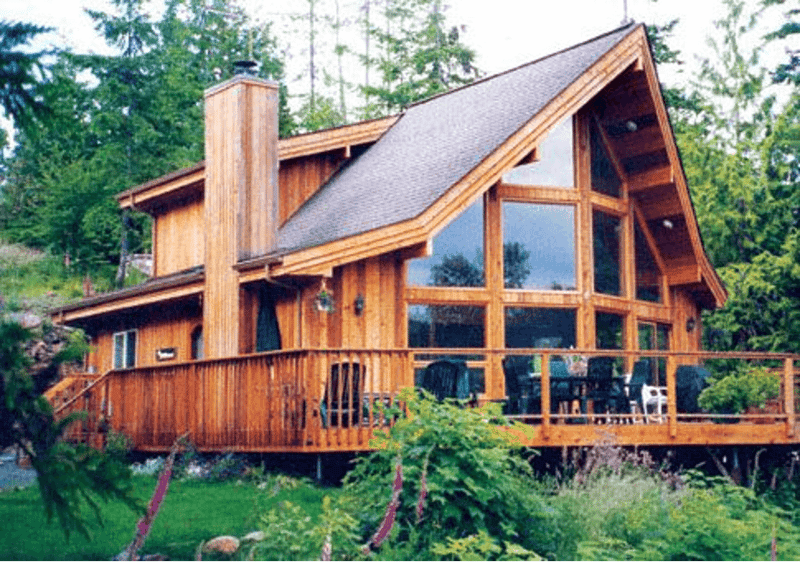
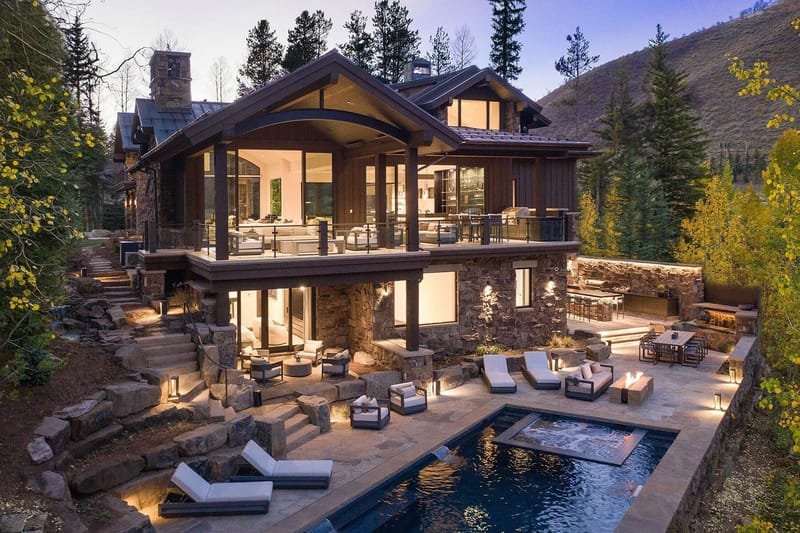
What makes a chalet stand out isn't just its location, but its distinctive features that create that signature mountain feel. The most obvious characteristic is the steep, often asymmetrical roof design. These roofs aren't just pretty - they serve a purpose. They allow snow to slide off easily and provide excellent protection against mountain weather. Many chalets feature large overhanging eaves that create covered areas perfect for enjoying the outdoors year-round. The exterior materials tell the story too. Wood siding, particularly cedar or pine, creates that warm, natural look that feels right at home in mountain settings. Stone accents add durability and visual interest. Windows play a crucial role too - large, multi-pane windows offer expansive views and flood interiors with natural light. Many chalets incorporate wraparound porches or decks that extend the living space outside. The layout often emphasizes open floor plans that encourage gathering and conversation. These homes frequently feature high ceilings that create a sense of spaciousness and warmth. Some even include unique elements like spiral staircases or exposed wooden beams that celebrate the craftsmanship of mountain building traditions.
Popular Chalet Styles Around the World
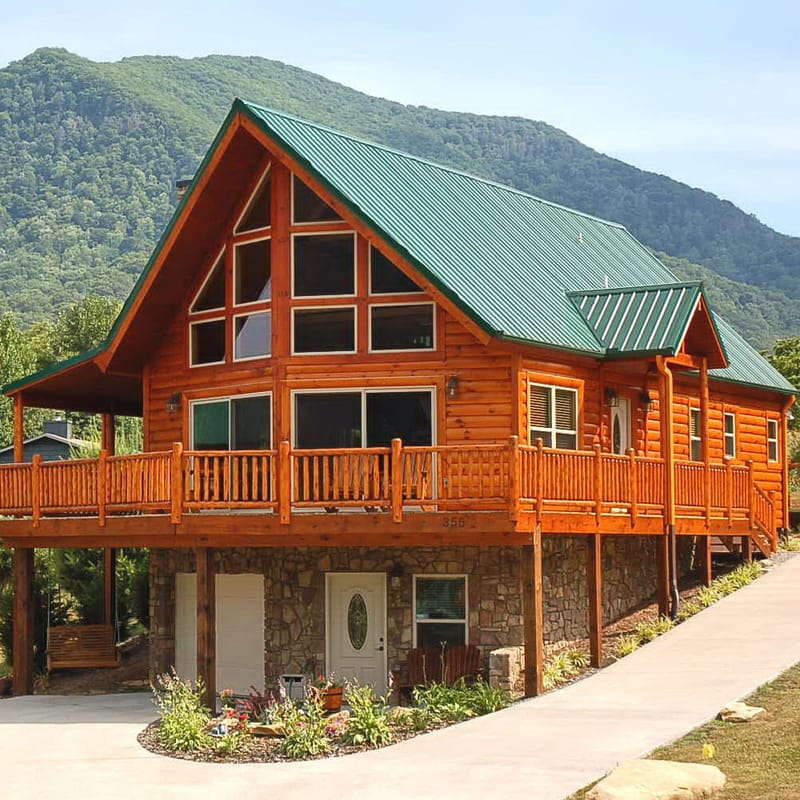
While Swiss chalets form the foundation of the style, different regions have developed their own interpretations. The traditional Swiss chalet style is characterized by its symmetrical design, steep gabled roof, and extensive use of wood. These often feature a central chimney and may include decorative elements like carved wooden details. Austrian chalets tend to be more ornate, sometimes incorporating intricate woodwork and colorful trim. French chalets emphasize elegance and often include elegant proportions and refined details. American chalets, especially those in Colorado and other mountain states, blend European influences with local materials and practical needs. Canadian chalets often feature more robust construction due to harsher weather conditions. Scandinavian chalets incorporate Nordic elements like clean lines and minimalist approaches. Each region adds its own flair while maintaining the core chalet principles. For instance, some chalets might emphasize modern glass walls while others stick closer to traditional timber framing. The beauty lies in how each location adapts the basic concept to fit local climate, culture, and available materials. This regional diversity keeps chalet architecture fresh and exciting, showing how universal concepts can take on completely different personalities.
Benefits of Living in a Chalet Home
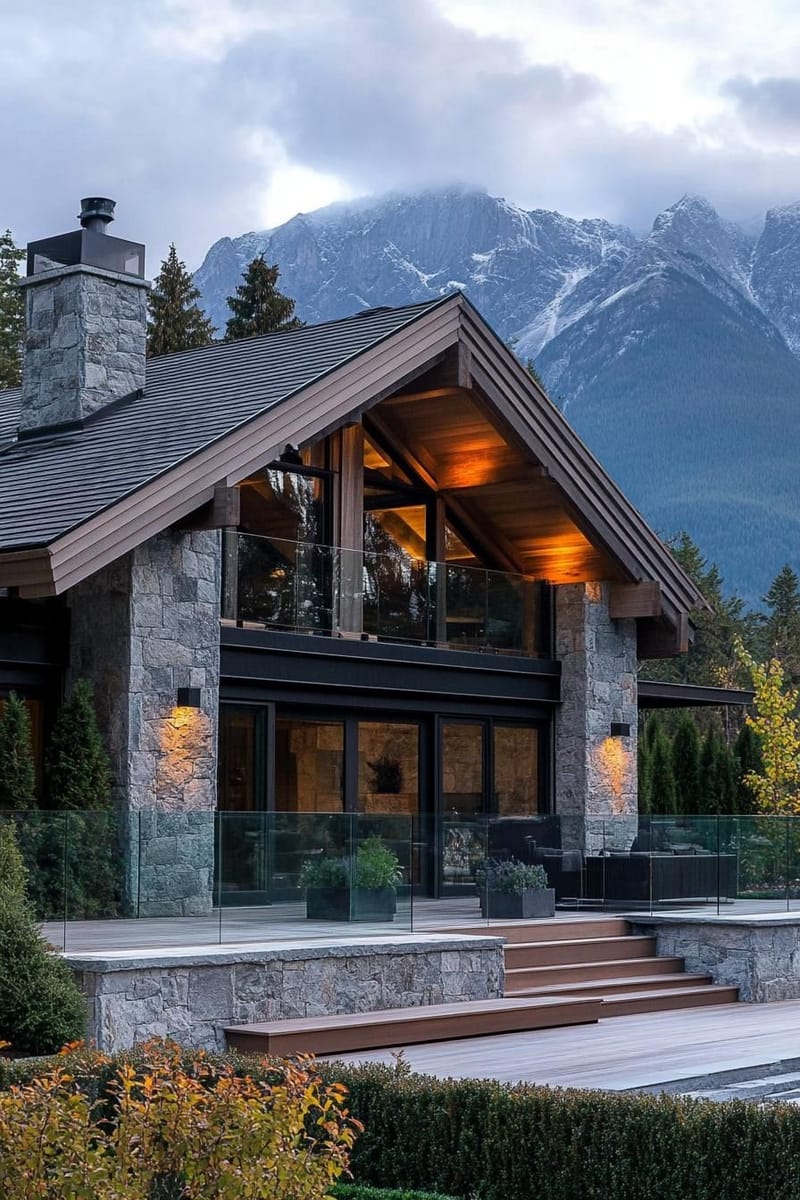
Living in a chalet offers advantages that go far beyond just aesthetics. The connection with nature is perhaps the biggest draw. Waking up to fresh mountain air and stunning views creates a daily reminder of the natural world's beauty. These homes often provide better insulation and energy efficiency due to their design and materials. The open floor plans and large windows create spaces that feel both intimate and spacious. Many chalet owners find that these homes naturally promote relaxation and reduce stress levels. The layout encourages family time and socializing, with common areas designed for gathering. Some chalets even offer unique features like hot tubs or private ski access. The investment potential is another factor - chalet properties often hold their value well, especially in desirable mountain locations. The lifestyle benefits are substantial too. Many chalet owners report feeling more connected to their community and appreciating the slower pace of mountain life. The sense of accomplishment that comes with building or renovating a chalet is also significant. These homes often become treasured family heirlooms passed down through generations.
Modern Challenges and Innovations in Chalet Construction
Building a chalet today presents challenges that didn't exist in earlier eras. Climate considerations are more complex, with changing weather patterns affecting everything from foundation design to heating systems. Modern chalets must balance traditional aesthetics with contemporary sustainability goals. Energy efficiency has become a major focus, requiring innovative solutions like improved insulation and smart heating systems. Many new chalets incorporate renewable energy sources like solar panels or geothermal heating. Water management is critical in mountain environments, requiring careful attention to drainage and snow melt handling. The integration of technology presents both opportunities and challenges. Smart home systems can enhance comfort while maintaining the rustic charm that chalets are known for. Material innovations offer new possibilities while still honoring traditional techniques. Builders now face the challenge of creating chalets that meet modern safety standards and building codes while preserving the authentic character. Some architects are experimenting with cross-laminated timber and other sustainable materials that maintain the natural look while offering better performance. The industry continues to evolve, finding ways to make chalet living more accessible and environmentally responsible without losing its soul.
Choosing the Right Chalet for Your Needs
Not every chalet is right for every situation. Location matters enormously - consider whether you want year-round living or seasonal enjoyment. Size and layout should match your family's needs and lifestyle preferences. Budget considerations include not just purchase price but also ongoing maintenance costs. Some chalets require more upkeep than others, especially those with traditional materials. Look for properties with good infrastructure and access to services. Consider the surrounding environment and whether it matches your desired lifestyle. If you're thinking about building rather than buying, research local zoning laws and building requirements. The condition of existing chalets varies widely, so factor in renovation costs if necessary. Many chalet owners appreciate having space for outdoor activities like skiing, hiking, or gardening. Some prefer more privacy, while others enjoy being part of a mountain community. Think about future needs like accessibility for aging family members or space for guests. Professional consultation can help ensure you find a chalet that truly fits your vision and practical requirements. Remember that a chalet is more than a house - it's a commitment to a particular way of life.
A chalet home represents much more than a place to live. It's a bridge between the natural world and comfortable modern living, a testament to human ingenuity in adapting to challenging environments. Whether you're drawn to the romantic history of mountain architecture or simply love the idea of waking up to snow-capped peaks, chalet homes offer something special. They remind us that our living spaces can be more than functional - they can inspire, comfort, and connect us to something larger than ourselves. As we continue to seek balance in our increasingly digital lives, these mountain retreats offer a tangible reminder of simpler times and natural beauty. The enduring popularity of chalet homes proves that when we design spaces that honor both tradition and innovation, we create something truly lasting. The next time you see a chalet perched on a mountainside, remember that you're looking at more than just a building - you're seeing a way of life that has endured for centuries and continues to evolve.


