
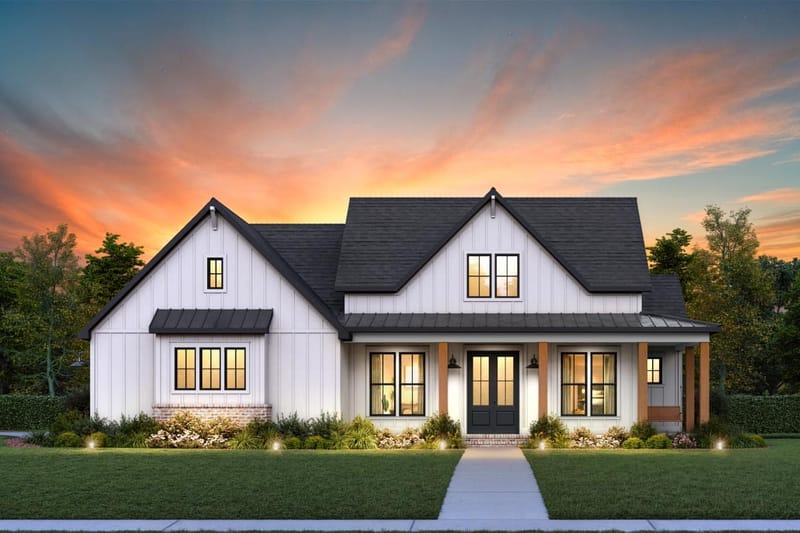
There's something deeply appealing about a farmhouse home with its wrap around porch. The idea of having a space that flows seamlessly from front to back, inviting guests and family members alike, creates a warmth that's hard to match. Whether you're planning your dream home or simply curious about these classic designs, understanding what makes a wrap around porch work so well can transform your approach to farmhouse architecture.
Farmhouse homes have experienced a remarkable renaissance in recent years. While the style itself isn't new, the modern interpretation of farmhouse aesthetics has captured hearts across America. One element that truly defines this look is the wrap around porch. This architectural feature transforms a simple house into a welcoming haven that embraces both indoor and outdoor living. What makes a wrap around porch so special? It's not just about the space itself, but how it changes the relationship between the home and its surroundings.
What Makes a Wrap Around Porch Special
A wrap around porch isn't just a decorative addition—it's a fundamental part of the home's character. These porches create a visual continuity that draws the eye around the entire structure. Imagine standing on the front porch, looking out toward the backyard, then walking around to the side where you might find a dining area, and finally circling back to the rear porch where you could have a cozy sitting space. This flow of movement and space creates a sense of openness that many traditional homes lack.
The beauty of a wrap around porch lies in its versatility. Depending on how you design it, it can serve multiple purposes. You might have a breakfast nook on one side, a reading corner on another, and a grill station on the back. This multi-functional aspect means every square foot of porch space is maximized for enjoyment.
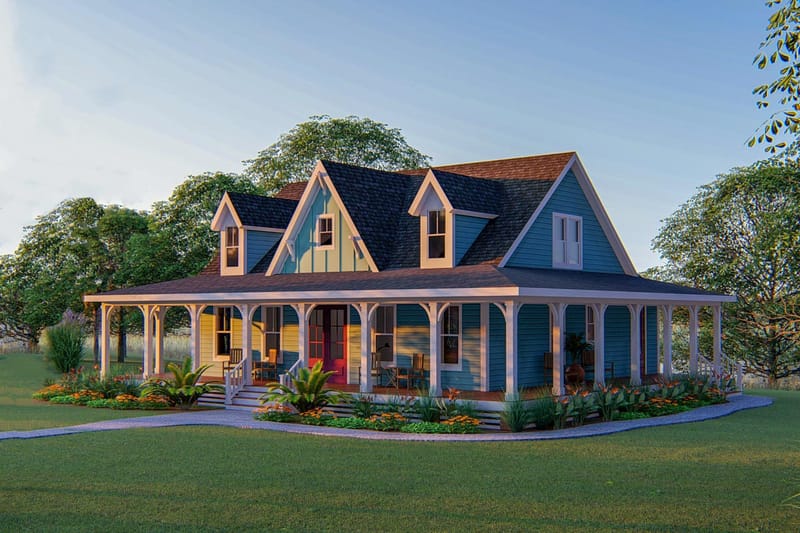
Consider the way light filters through different areas of a wrap around porch. Morning sun might hit the front porch while afternoon light moves to the back. This natural rhythm adds a dynamic quality to the space that changes throughout the day.
Key Design Elements to Consider
When planning a farmhouse with a wrap around porch, several design elements deserve careful attention:
The foundation of any good wrap around porch is proper planning. You'll want to consider how the porch integrates with the main house structure. Are you extending the living space, or creating a separate area? Both approaches have their merits, but they require different structural considerations.
Think about the flow of traffic. Will people walk directly from the kitchen to the porch, or will there be a transition area? These decisions shape not just the design, but the daily life of the home.
Popular Farmhouse Porch Layouts
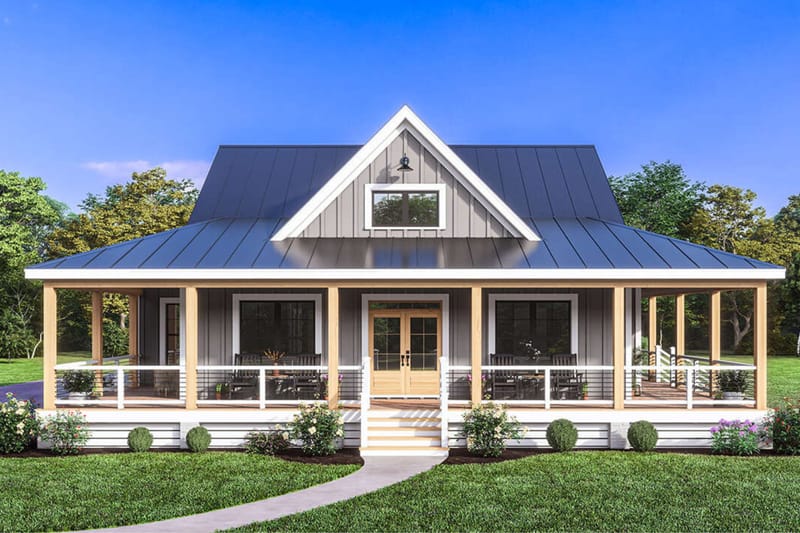
Farmhouse porch layouts vary widely, each offering unique advantages. The most common arrangements include:
Each layout requires different considerations. A full wrap porch demands more structural support and may impact the home's foundation. However, it provides maximum usable space and a striking visual presence.
The front porch typically becomes the focal point of the home's exterior. It's where visitors first encounter the property and where families often gather during pleasant weather. The side porch can serve as a more private space for relaxation, while the back porch might become a kitchen extension for entertaining.
Real-world examples show that even modest homes can benefit from thoughtful porch design. A small farmhouse with a 12-foot front porch can feel much larger than a sprawling house without this architectural feature.
Structural Considerations and Building Tips
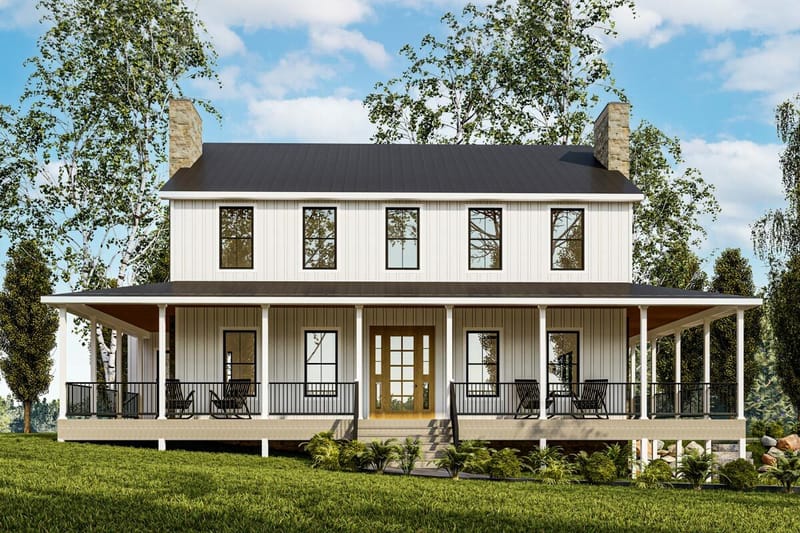
Building a wrap around porch involves more than just measuring and cutting wood. Structural integrity is crucial for safety and longevity. Here are some important factors:
Many homeowners underestimate the complexity of porch construction. The roof alone can be challenging, especially when trying to maintain consistent angles and proper water runoff. Professional consultation is often worth the investment for complex designs.
Consider the materials carefully. Pressure-treated lumber works well for structural components, but finish materials should be chosen for durability and appearance. Cedar and pine are popular choices for their natural resistance to insects and weather.
One common mistake is failing to account for settling. Homes naturally shift over time, and a porch that's not properly anchored can develop cracks or become unstable. Planning for expansion joints and flexible connections helps address this issue.
Cost Analysis and Budget Planning
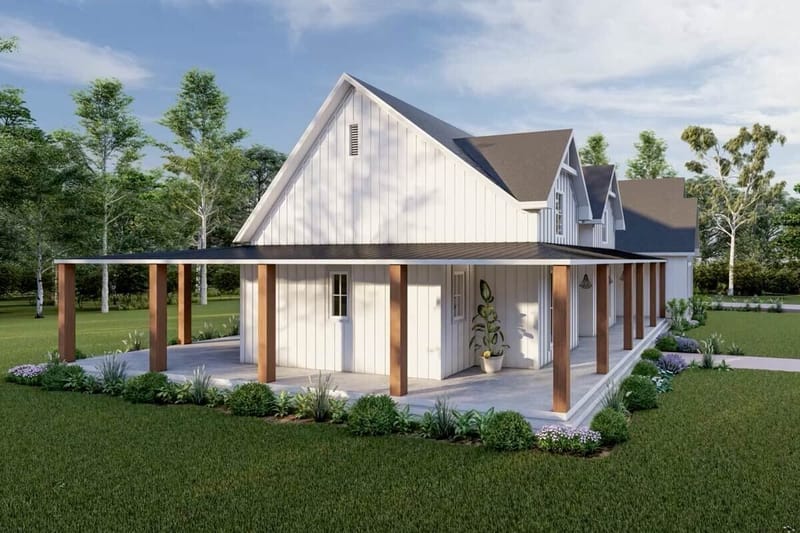
Budgeting for a wrap around porch requires careful consideration of multiple factors. Costs can range significantly based on size, materials, and complexity:
The biggest expense typically comes from materials and labor. Quality lumber costs more than basic options, but it also lasts longer and requires less maintenance. Professional installation is often necessary for complex designs, particularly those involving structural modifications.
Homeowners often overlook ongoing maintenance costs. Porches require regular cleaning, staining, and sometimes repairs. A well-maintained porch can last 30+ years, making it a worthwhile investment despite initial costs.
It's worth noting that a wrap around porch can increase your home's value. Studies show that outdoor living spaces, particularly porches, can add 5-10% to a home's market value. This return on investment makes the project attractive for many homeowners.
Planning ahead helps manage costs effectively. Getting quotes from multiple contractors and having a detailed plan before starting construction prevents costly changes later.
Maintenance and Longevity Tips
Proper maintenance keeps a wrap around porch looking beautiful and functioning safely for decades. Here's how to keep yours in top condition:
Wooden porches require particular attention to moisture control. Even treated lumber benefits from regular sealing to protect against weathering. Pay special attention to the areas where the porch meets the house, as these are common trouble spots.
Simple maintenance tasks can extend your porch's life significantly. Regular sweeping prevents dirt accumulation that can scratch surfaces. A quick inspection before winter helps identify issues that might worsen during cold months.
Some homeowners prefer to treat their porch as an outdoor room rather than just a structural element. This mindset encourages more careful handling and better long-term care. When you think of it as a space to enjoy, maintenance becomes easier to prioritize.
Professional inspections every few years can catch subtle problems before they become major repairs. Many issues are easily fixed when caught early, saving money and preventing safety hazards.
A farmhouse with a wrap around porch represents more than just architectural choice—it embodies a lifestyle that values comfort, connection, and timeless beauty. Whether you're designing your first home or updating an existing structure, understanding the nuances of porch design ensures a successful outcome. The key is balancing aesthetic appeal with practical functionality. A well-designed porch should feel like an extension of your living space, not an afterthought. Consider your family's needs, your climate, and your budget when making decisions about size, materials, and layout. The result will be a home that not only looks stunning but also enhances your daily life. Remember that the best porch designs evolve with their owners' changing needs. Start with a solid foundation and allow room for future modifications. With thoughtful planning and proper execution, a wrap around porch can become one of your home's most treasured features. It's a place where memories are made, conversations flourish, and the simple pleasure of being outdoors is elevated to an art form.


