
In a world where space is at a premium and costs keep climbing, tiny houses have emerged as both a lifestyle choice and a practical solution. But when it comes to two-bedroom layouts, the challenge becomes even more fascinating. How do you create a home that feels spacious, comfortable, and functional within just a few hundred square feet? The answer lies in thoughtful floor plan design. These compact dwellings demand clever solutions, smart storage strategies, and a deep understanding of how to make every inch count.
Imagine waking up each morning in a cozy space that feels like a sanctuary, with room for two people to live comfortably. That's exactly what a well-designed 2 bedroom tiny house can offer. It's not just about making do with less—it's about creating something beautiful and efficient. The secret ingredient? A good floor plan. Whether you're considering a DIY build or working with a designer, understanding how to layout your space effectively can make all the difference between a cramped feeling and a welcoming atmosphere. Let's dive into what makes these designs work so well, and how you can apply these principles to your own project.
The Foundation of Great 2 Bedroom Tiny House Plans
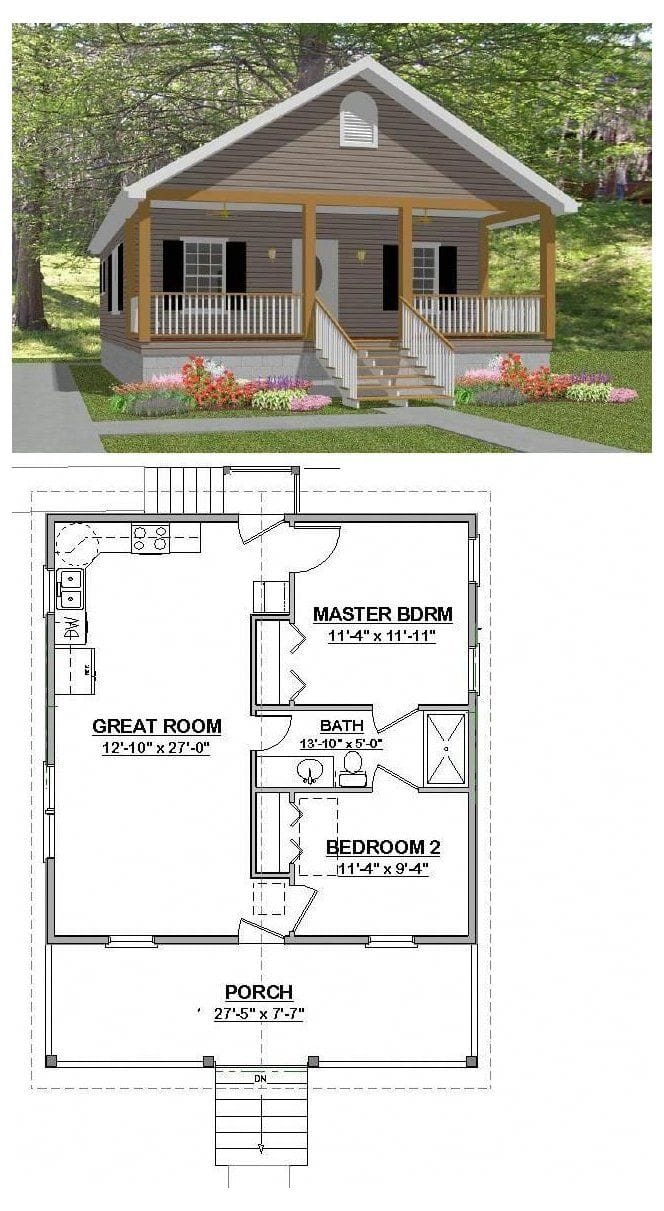
A successful 2 bedroom tiny house starts with understanding the basics. The most common sizes range from 300 to 600 square feet, though some creative builders push beyond that. What matters most isn't just the total area, but how you organize it. Think of it like arranging furniture in a living room—the key is creating zones that feel distinct yet connected. A good starting point is to think about your daily routines and how you want to move through your space. Do you need separate areas for sleeping, cooking, and relaxing? Or will you prefer a more open concept that flows seamlessly from one activity to another? The answer to these questions will shape your entire floor plan strategy. Consider how you'll use each area throughout the day, and remember that flexibility is key in such limited spaces.
Key Design Principles for Compact Living
When it comes to tiny house floor plans, certain principles stand out as essential. First, prioritize multi-functional spaces. A dining table that doubles as a workspace, or a bench that provides seating and storage, creates maximum utility from minimal area. Second, embrace vertical space. Built-in shelves, lofted sleeping areas, and high ceilings can dramatically increase usable space without expanding the footprint. Third, keep circulation paths clear. In small spaces, every inch counts, so avoid blocking walkways with furniture or fixtures. Here are some core elements that make these plans work:
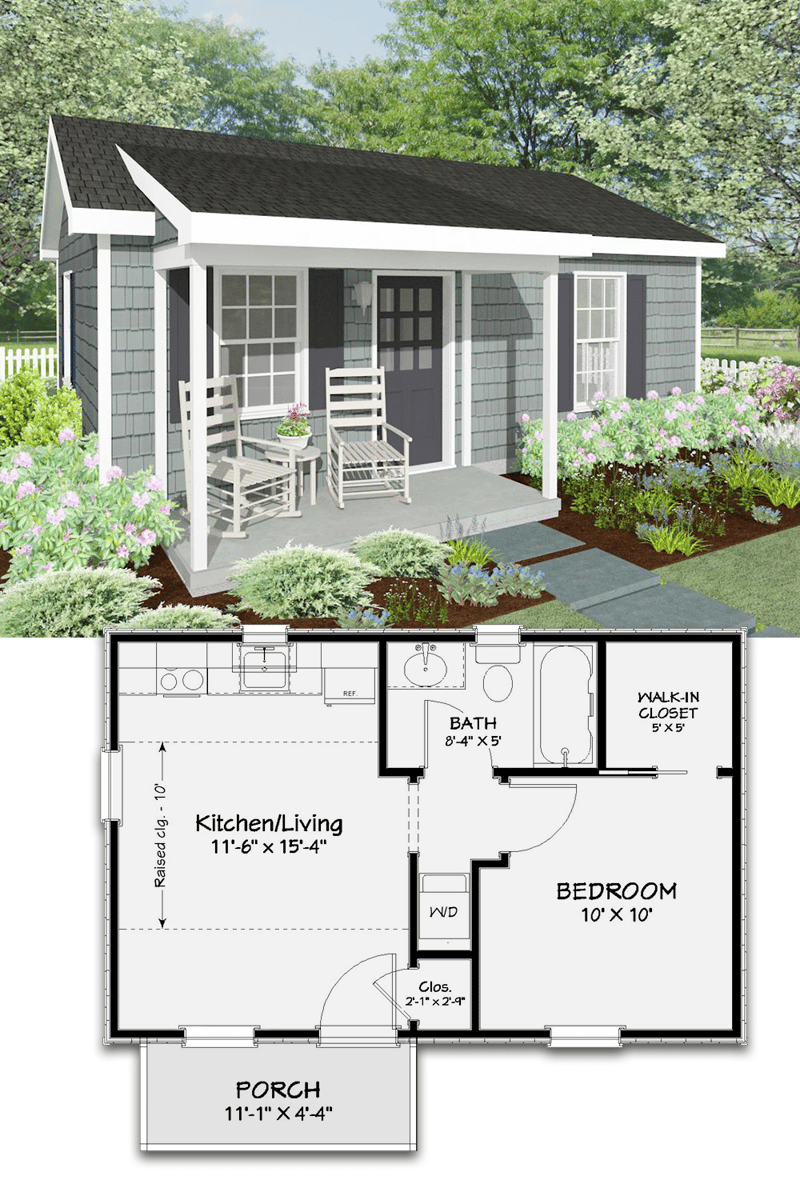
These principles aren't just helpful—they're necessary. They transform a cramped feeling into a well-organized, comfortable environment.
Popular 2 Bedroom Floor Plan Configurations
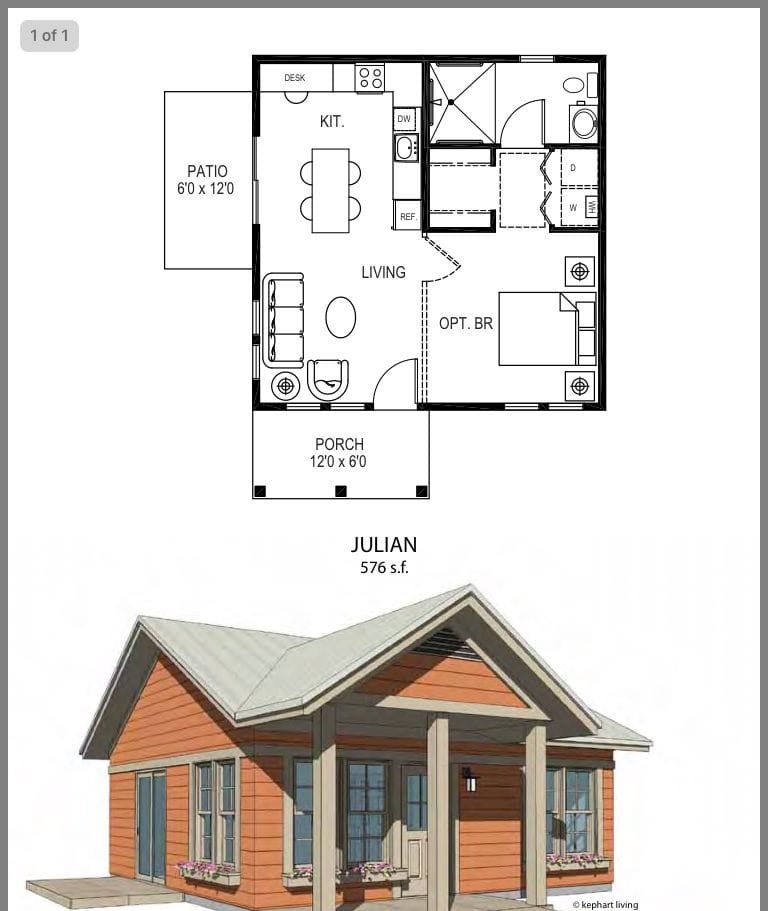
There are several tried-and-true layouts that work particularly well for 2 bedroom tiny houses. The L-shaped layout offers excellent privacy while maintaining an open feel. One bedroom sits at one end, while the kitchen, bathroom, and living area form the other arm of the L. This setup allows for natural separation without sacrificing connection. Another favorite is the linear design, where rooms flow one after another along a central hallway. This works especially well when you have a longer footprint. The island kitchen style places the main kitchen area in the center, with bedrooms positioned on either side. This creates a social hub with private retreats nearby. Finally, the loft configuration uses elevated sleeping areas to create additional living space below. This is great for maximizing headroom and creating distinct zones. Each of these styles has advantages depending on your specific needs and site conditions.
Maximizing Storage Without Sacrificing Space
Storage in tiny houses requires creativity and careful planning. Every cabinet, drawer, and shelf must earn its place. Consider under-bed storage for seasonal items or extra bedding. Wall-mounted shelving can provide easy access to books and supplies while keeping the floor space clear. Built-in cabinetry that follows the curve of a wall or ceiling can maximize unused space. Many designers now incorporate Murphy beds that fold away during the day, freeing up valuable floor area. Some homeowners use the space above their heads for storage, installing overhead bins or cabinets. The key is thinking vertically and horizontally. Look for opportunities to store items in unexpected places—inside drawers, behind doors, or even in the space beneath stairs. When everything has a designated spot, your tiny house will feel organized rather than cluttered. Remember, less clutter means more feeling of spaciousness.
Kitchen and Bathroom Integration Strategies
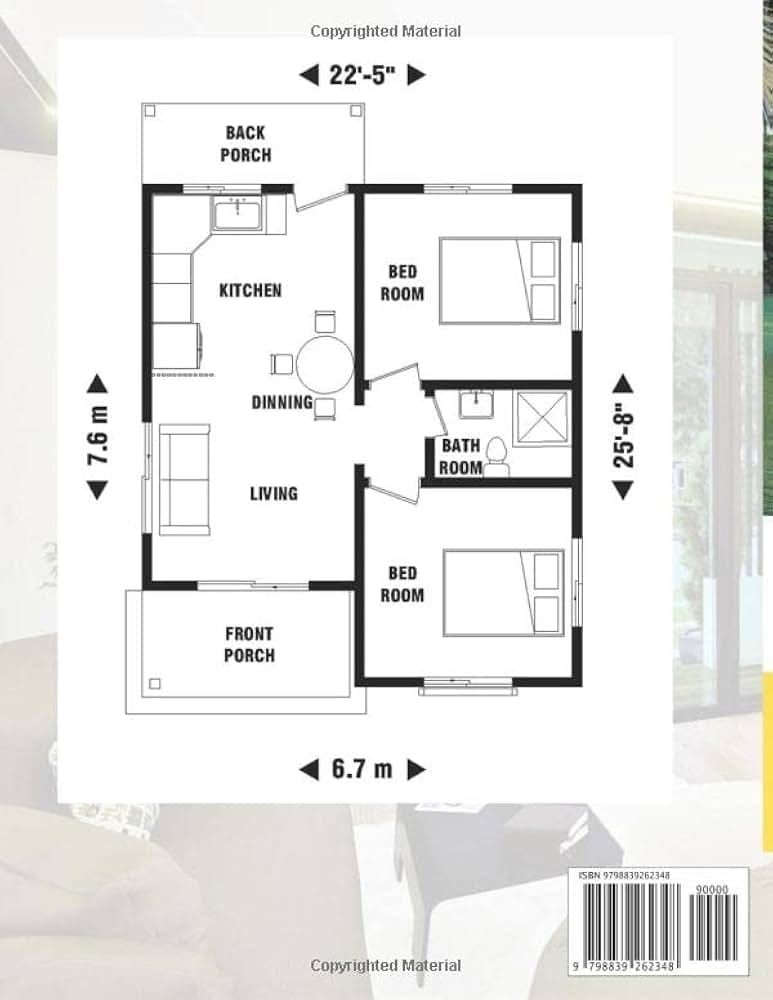
The kitchen and bathroom are often the trickiest parts of a tiny house layout because they require plumbing and appliances. But smart integration can make them feel part of the larger space rather than separate islands. A galley-style kitchen with appliances aligned along one wall keeps things streamlined. Consider using a compact stove and sink combination that saves space. For bathrooms, look for ways to combine functions. A shower that also serves as a bathtub, or a toilet that sits in a corner to save space, can work wonders. Some builders opt for a wet bar or prep area that doubles as a small dining area. The goal is to minimize dedicated spaces while maximizing functionality. This approach helps create a sense of openness even in the most confined areas. Remember, your kitchen and bathroom are the heart of your daily routine, so make sure they feel comfortable and efficient.
Practical Tips for Your Own Tiny House Design
Ready to start planning your own 2 bedroom tiny house? Here are some practical steps to get you started:
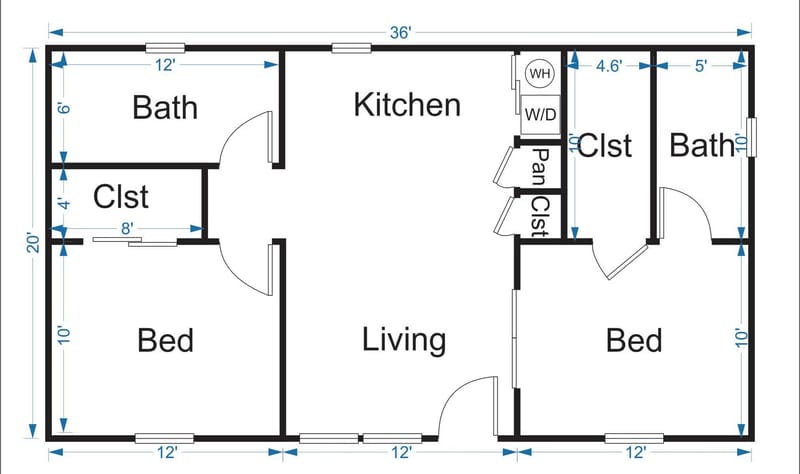
Start with the basics and gradually add complexity. You might find that a simple arrangement works better than you expected. Sometimes the best designs are the ones that surprise you. Don't be afraid to experiment with different layouts until you find what feels right. The process itself can be as rewarding as the final result.
Common Mistakes to Avoid in Tiny House Planning
Even experienced designers sometimes fall into traps when planning tiny homes. One major mistake is assuming that less space means less comfort. A tiny house should still feel spacious and functional. Another common error is overlooking circulation space. People often squeeze too much into their floor plans, leaving no room to move around comfortably. Many also neglect the importance of proper lighting and ventilation. Without adequate natural light and fresh air, even the most beautifully designed space can feel confining. Storage planning often gets rushed, leading to shortages later. Finally, some planners fail to consider the practical aspects of daily living—how you'll actually use the space. These issues can be frustrating once construction begins, so take time to think through every detail. A well-thought-out plan prevents costly changes later.
Inspiration From Real Tiny House Projects
Looking at real examples can spark new ideas for your own project. Some homeowners have created stunning 2 bedroom tiny houses that showcase innovative solutions. One couple built a 400-square-foot home with a loft bedroom and a kitchen that opens into the living area. Another family designed a 500-square-foot space with a bathroom that includes a window seat for reading. These projects demonstrate that with creativity and determination, you can achieve almost anything within a small footprint. Social media platforms are full of inspiring examples from around the world. Each home tells a story of how someone made the most of their situation. Whether you're looking for inspiration or practical advice, these real-world examples offer valuable insights. They show what's possible when you combine smart design with personal style.
Designing a 2 bedroom tiny house floor plan is both an art and a science. It requires balancing aesthetics with functionality, creativity with practicality, and personal taste with real-world needs. The key is understanding that these homes aren't just smaller versions of regular houses—they're thoughtfully crafted environments designed to enhance daily life. Whether you're drawn to open layouts, vertical storage solutions, or clever multi-purpose spaces, there's a design approach that fits your lifestyle. Remember, the most important element isn't the size of your home, but how well it serves your needs. With careful planning and a willingness to think outside the box, you can create a space that feels both comfortable and inspiring. Your dream tiny house awaits, ready to be shaped by your unique vision and practical requirements. The journey starts with a single plan, and that's exactly where you should begin.


