
When we think about construction, we often picture workers following precise plans. But how closely do actual building projects match those detailed drawings? The relationship between blueprints and real construction is more complex than it might first appear.
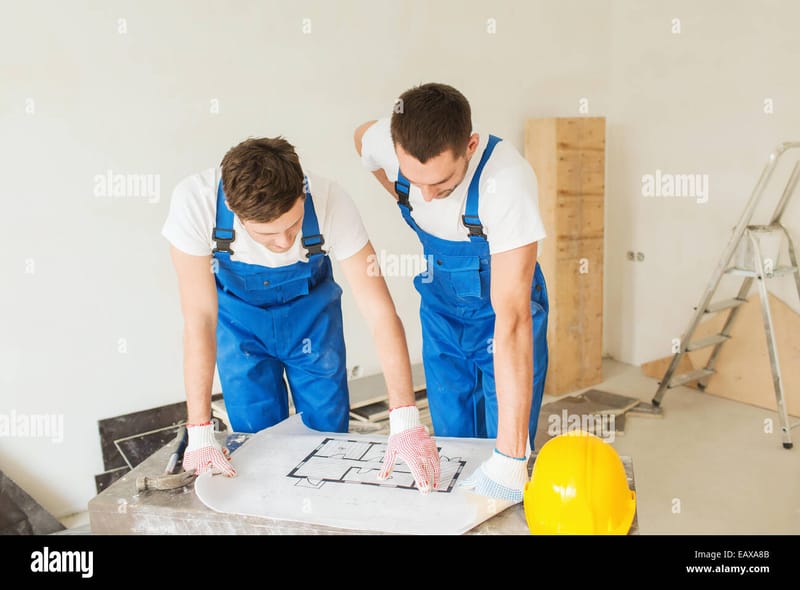
You've probably seen construction sites with workers standing around looking at paper drawings or digital screens showing blueprints. But does anyone actually follow those plans exactly? It's a question that comes up often when people watch construction shows or visit new buildings. The truth is, while blueprints are crucial, they're just the beginning of the story. Let's explore how builders work with these plans and what really goes on behind the scenes.
What Blueprints Actually Are
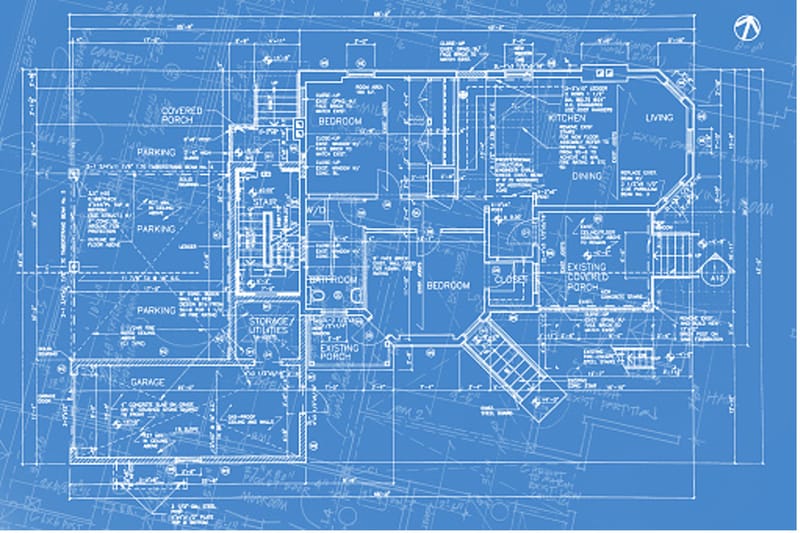
Blueprints aren't just pretty pictures or technical drawings. They're detailed guides that show exactly how a building should look and function. Think of them as the recipe for construction. These documents include measurements, materials, structural details, and even color schemes. But here's the thing - they're drawn up by architects and engineers who have never stood in the actual location where the building will go.
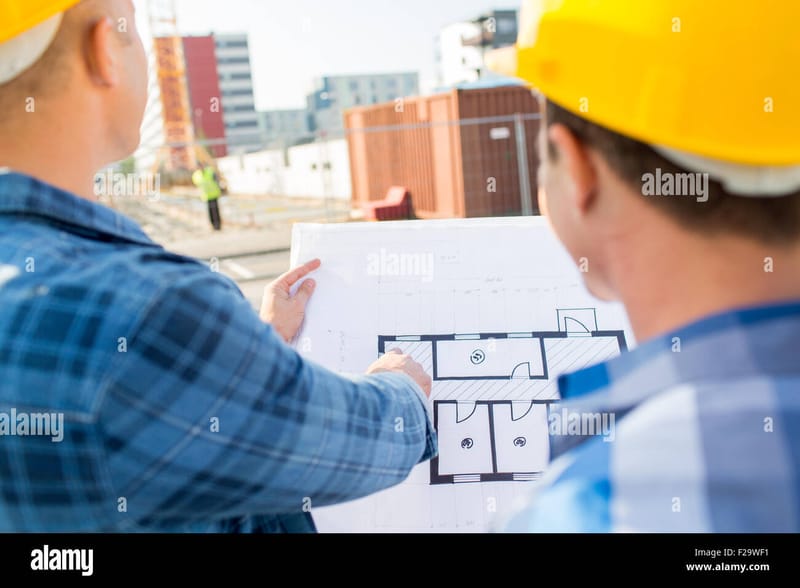
A typical blueprint set might include floor plans, elevations, sections, and details for different parts of the structure. They tell builders where walls go, how thick they should be, what materials to use, and how everything connects together. The architect draws these plans based on the client's needs and local building codes. But when you get down to it, there's still a gap between theory and reality.
The Reality of Construction Sites
On a typical construction site, you'll see more than just people following blueprints. There's a lot of problem-solving happening daily. Workers encounter issues that weren't anticipated during the planning phase. For example, they might discover unexpected underground conditions, like rock formations or old foundations. Or perhaps the soil doesn't behave the way engineers predicted.
Let's say a builder is constructing a house according to the blueprint. They start with the foundation, but then hit a large tree root that wasn't shown on the survey. The plan calls for a specific depth, but now they must adjust. This isn't a failure to follow the blueprint - it's part of the creative process of building. Builders must adapt while maintaining safety and quality standards. Sometimes they even modify their approach based on weather conditions, material availability, or budget changes.
How Builders Use Blueprints in Practice
Builders don't just read blueprints and hope for the best. They study them carefully, often going over every detail multiple times. Many professionals keep copies of the plans in their trucks and refer back to them regularly. They use these drawings to calculate materials needed, plan work schedules, and coordinate with subcontractors.
But let's be honest - no two construction projects are identical. Even when using the exact same blueprint, each project faces unique challenges. A builder working on a home in Florida will deal with humidity and heat differently than one in Minnesota. Weather impacts everything from concrete curing times to material storage. That means adjustments happen constantly, even when the blueprint remains unchanged.
Professional builders often create their own notes on blueprints, marking areas that require special attention or noting changes that need to be made. They might write "check elevation" or "verify electrical load." These annotations become part of the ongoing conversation between the original design and the actual construction.
Common Adjustments and Modifications
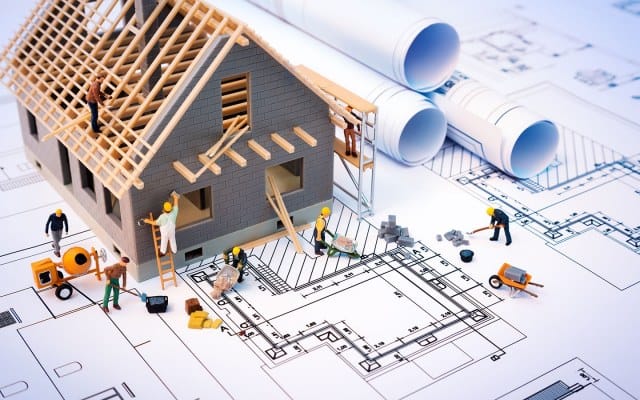
Building from blueprints rarely happens without some changes. Here are several common situations where modifications occur:
These adjustments don't mean the blueprint was wrong. Instead, they show how the real world interacts with theoretical designs. For instance, if a client wants to add a larger window, that change might affect structural beams. The builder works with the architect to make necessary adjustments to keep everything safe and functional.
The Role of Experience and Skill
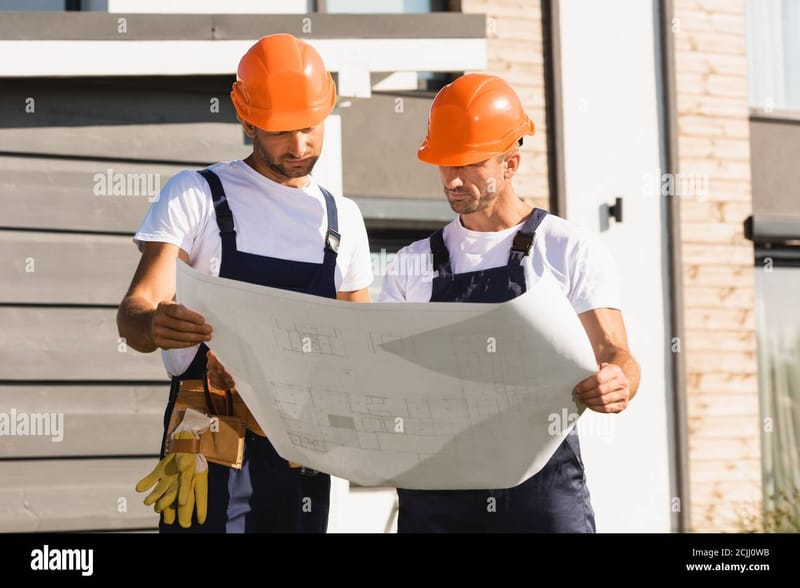
Good builders understand that blueprints are just one tool among many. Years of experience teach them to anticipate problems before they happen. They know how different materials behave under various conditions. Experienced carpenters can often spot potential issues just by looking at the layout.
Consider a veteran builder who has constructed dozens of homes. They know that certain foundation types work better in specific soil conditions. They understand that a particular wall configuration might need extra reinforcement. This knowledge doesn't come from reading blueprints alone. It comes from seeing how things work in practice.
This experience also helps with communication. When a builder spots a potential issue, they can explain it clearly to the architect or client. They might say, 'Based on my experience, we should consider adding extra support here because of the soil conditions.' That kind of practical wisdom is invaluable.
Technology Changes Everything
Modern construction has brought new ways to work with blueprints. Digital tools allow builders to access plans instantly on tablets or phones. Some companies now use augmented reality to overlay blueprints onto actual construction sites. This makes it easier to see exactly where things should go.
3D modeling software lets builders visualize projects before construction begins. They can spot potential conflicts between pipes, wires, and structural elements. This technology reduces errors and saves time during the building process.
However, even with all these advances, the fundamental challenge remains the same. Blueprints provide a framework, but real construction requires flexibility, judgment, and adaptation. Technology helps, but it doesn't eliminate the need for skilled workers who understand both the plans and the realities of building.
So do builders actually build from blueprints? Yes, they do - but not in the rigid way many people imagine. Blueprints serve as the foundation for construction, providing essential guidance and specifications. However, real-world construction involves constant problem-solving, adaptation, and skill. Builders must interpret plans while considering countless variables like weather, materials, site conditions, and safety requirements. The most successful projects combine careful adherence to blueprints with practical experience and flexibility. Understanding this balance helps us appreciate both the art and science of construction. Whether you're planning a new home or simply curious about how buildings come to life, remember that blueprints are just the starting point of a much larger story.


