
Imagine waking up each morning to the sound of birds chirping instead of traffic noise. Picture yourself enjoying a peaceful breakfast in a sun-drenched kitchen while your neighbors are still sleeping. This isn't just a dream – it's possible when you transform your garage into a cozy two-bedroom apartment. What started as a place for cars and storage has become a sanctuary for many families seeking affordable housing solutions.
In today's housing market, finding affordable living spaces has become increasingly challenging. Many people are discovering creative ways to maximize their property's potential. One particularly interesting trend is converting existing garages into functional two-bedroom apartments. Whether you're looking to add extra income through rental units or simply need additional living space, this transformation offers incredible possibilities. The key lies in understanding the process, requirements, and considerations involved in such a significant home improvement project.

Why Consider a Garage Conversion?
There are several compelling reasons why garage conversions have gained popularity among homeowners and investors alike. First, the cost-effectiveness cannot be ignored. Building a new addition often costs significantly more than converting an existing structure. Second, many garage spaces are already connected to utilities, making the conversion process more straightforward. Third, these spaces often offer excellent privacy since they're typically separated from main living areas. Additionally, garage conversions can dramatically increase property value while providing flexible living arrangements. For instance, a single parent might rent out one bedroom while keeping the other for personal use, creating a practical solution for financial flexibility. Some homeowners find themselves with enough space to host guests or even start a small business from home. The versatility of these setups makes them incredibly appealing to modern lifestyle needs.

Legal Requirements and Permits
Before diving into any garage conversion project, understanding local regulations is crucial. Every municipality has different building codes, zoning laws, and permit requirements that govern such modifications. You'll likely need permits for electrical work, plumbing changes, and structural alterations. Some areas require a full building permit, while others may only need a simple renovation permit. It's essential to check if your area allows residential conversions in garage spaces. In some cases, you might need to apply for a variance or special use permit. Local building departments can provide detailed information about required inspections and compliance measures. The permitting process can take anywhere from a few weeks to several months, so plan accordingly. Many people underestimate how much time and paperwork is involved in obtaining proper approvals, leading to delays and unexpected expenses.

Essential Planning and Design Considerations
Effective planning sets the foundation for a successful garage conversion. Start by assessing your garage's dimensions and structural integrity. Consider factors like ceiling height, window placement, and existing electrical infrastructure. Determine how you want to divide the space – perhaps one bedroom with a shared bathroom, or two separate bedrooms with a common area. Natural light plays a significant role in making spaces feel welcoming and spacious. If your garage lacks windows, consider adding skylights or larger doors for better illumination. Storage solutions should integrate seamlessly with the overall design. Think about how furniture will fit within the converted space and whether the garage's layout supports your desired room configuration. Budget planning is equally important, as unexpected expenses often arise during renovations. Consider hiring professionals early in the process to avoid costly mistakes later.

Structural Modifications and Safety Measures
Converting a garage requires careful attention to structural elements to ensure safety and compliance. The first step involves assessing load-bearing walls and support beams. These structural components must remain intact or be properly reinforced during the conversion process. Electrical systems often need upgrading to accommodate modern living standards. Outdated wiring can pose serious fire hazards, so professional electrical work is highly recommended. Plumbing considerations include determining if existing water lines can support new fixtures or if new connections are necessary. Insulation becomes critical for temperature control, especially if the garage was previously unheated. Proper ventilation systems prevent moisture buildup and maintain air quality. Fire safety measures should include smoke detectors, fire extinguishers, and emergency exits if required by local codes. Many homeowners discover that the most challenging aspect involves coordinating multiple tradespeople while maintaining safety standards throughout construction.
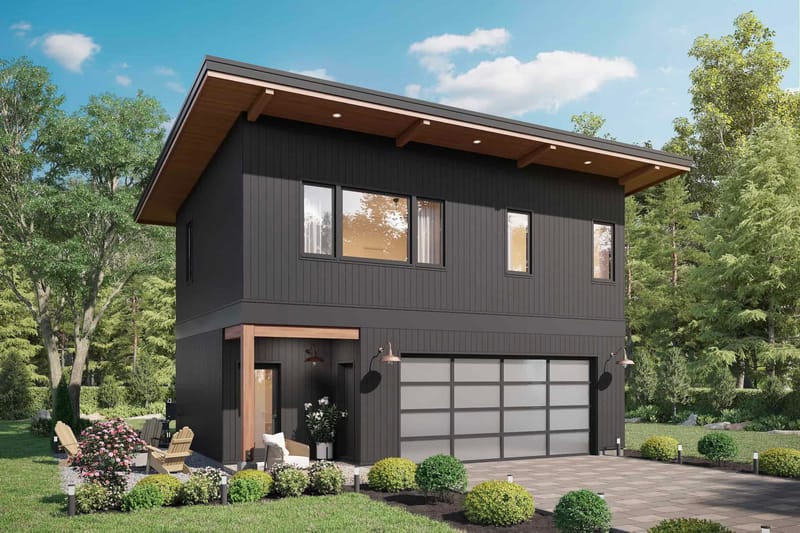
Cost Analysis and Budgeting Strategies
The financial investment for garage conversions varies widely based on location, size, and scope of work. Basic conversions might cost $15,000 to $30,000, while luxury finishes could reach $75,000 or more. Materials alone can account for 40-60% of total costs, so shopping around for quality items is essential. Labor costs typically represent 30-40% of the budget, with specialized work commanding higher rates. Unexpected expenses often include hidden structural issues, permit fees, and utility upgrades. Some people find success by tackling certain aspects themselves, such as painting or flooring installation. However, electrical and plumbing work usually requires professional expertise to meet safety standards. Consider timing your project during off-peak seasons when contractors might offer better rates. Creating a detailed budget breakdown helps prevent overspending and ensures all necessary elements are accounted for. Remember that the finished product should provide good return on investment if you plan to sell or rent the space.
Practical Tips and Real-Life Examples
Successful garage conversions often involve smart compromises between functionality and aesthetics. Many homeowners begin by focusing on essential elements like insulation, electrical outlets, and basic plumbing before moving on to decorative features. A popular approach involves creating a kitchenette or wet bar in the garage space, making it suitable for entertaining or casual meals. Storage solutions like built-in shelving, custom cabinetry, and under-stair storage can maximize limited square footage. Some people choose to maintain the garage door as part of the design aesthetic rather than replacing it entirely. Others create unique features like a Murphy bed or convertible furniture that saves space while adding character. Real-world examples show that creative lighting choices can transform a utilitarian garage into a warm living space. One family successfully converted their garage into a studio apartment for their elderly parents, complete with a private entrance and modern amenities.
Converting a garage into a two-bedroom apartment represents more than just a home improvement project – it's a lifestyle choice that can bring tremendous value to your property and daily routine. From the initial planning stages to final touches, every decision impacts both the functionality and appeal of your new space. While challenges exist, many homeowners find the rewards far outweigh the effort required. The key lies in thorough preparation, realistic expectations, and understanding local regulations. Whether you're looking to generate rental income, create additional living space, or simply explore creative housing options, garage conversions offer versatile solutions. With proper planning and professional guidance, what once served as a place for vehicles can become a comfortable home for family members or tenants. The transformation opens doors to numerous possibilities that align with modern housing needs and preferences.


