
Picture this: waking up in your own private retreat, complete with a walk-in closet and spa-like bathroom. Now imagine having two of those spaces in your home. That's the magic of homes designed with two master bedrooms. It's not just about luxury – it's about creating personal sanctuaries within your living space.
When it comes to home design, few features capture the imagination quite like having two master bedrooms. These aren't just fancy additions – they're thoughtful solutions for modern families. Whether you're planning a new build or renovating an existing space, understanding how to properly incorporate dual master suites can transform your entire living experience. Think about it: one bedroom for you, another for your partner, family members, or even guests. The possibilities are endless when you consider how these spaces can work together.
Why Choose Two Master Bedrooms?
The appeal of two master bedrooms goes far beyond just having extra space. Consider the practical advantages that come with this setup. First, there's the privacy factor. When everyone has their own dedicated retreat, you reduce conflicts over shared spaces. Second, it offers flexibility for different lifestyle needs. One person might prefer a quiet morning routine while another enjoys a more active start to the day.
There's also the financial aspect to consider. In many markets, homes with two master bedrooms command higher resale values. That's because buyers often see this as a premium feature, especially in families with teenagers or aging parents who need separate living arrangements.
Let's look at some specific situations where two master bedrooms become essential. Families with grown children might want to provide space for visiting relatives. Couples with different schedules benefit from having separate sleeping areas. Or perhaps you're planning for future generations – having a master suite for parents and another for adult children creates harmony in multi-generational living.
Key Layout Considerations
Planning a home with two master bedrooms requires careful thought about how these spaces interact with the rest of your house. Here are the most important elements to keep in mind:
A well-designed dual master bedroom layout often places the suites on opposite sides of the house. This arrangement naturally creates separation while maintaining easy access to shared amenities. Think about the practical aspects too – how will you access both suites during emergencies? What about maintenance and cleaning?
The positioning also affects the overall energy efficiency of your home. Having two master bedrooms on the same side can help regulate temperature more effectively than spreading them across different sections.
Designing Individual Master Suites
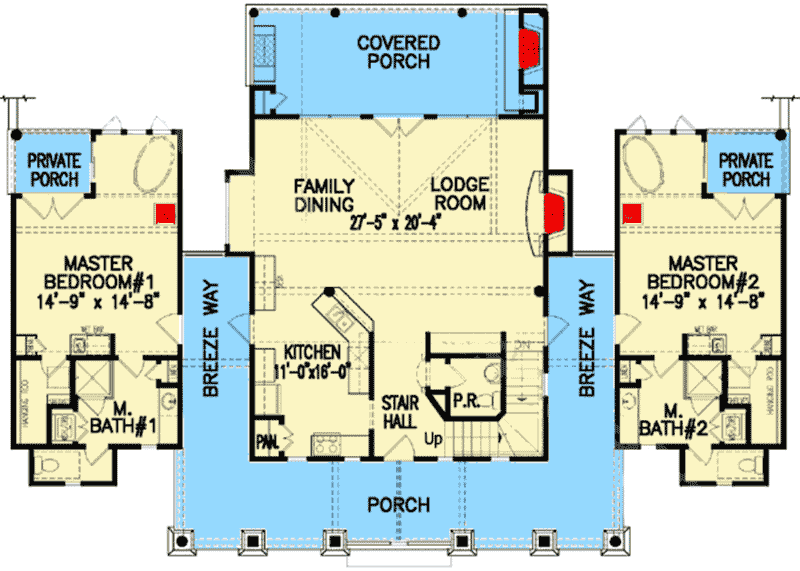
Each master bedroom should feel like its own special place. The key is creating unique identities while maintaining a cohesive look throughout your home.
Start with the basics: walk-in closets, ensuite bathrooms, and comfortable seating areas. But go beyond the standard features. Consider a reading nook tucked into a corner of one bedroom, or a small sitting area in another. These details make each space feel personalized and special.
The bathroom design deserves special attention. You might choose to make one bathroom more traditional while the other features modern fixtures and finishes. Some homeowners opt for separate vanities and showers in each suite, while others prefer a shared bathroom with individual stalls.
Don't forget about lighting. Natural light is great, but artificial lighting should also be thoughtfully planned. Layered lighting creates atmosphere – ambient lighting for general illumination, task lighting for reading, and accent lighting for visual interest.
Storage solutions deserve consideration too. Beyond the obvious closet space, think about hidden storage areas, drawers, and shelving that serve the specific needs of each occupant. Someone who loves collecting books might need different storage than someone who prefers jewelry or clothing collections.
Functional Integration with Shared Areas
The beauty of two master bedrooms lies in how they can work together with other parts of your home. Shared spaces become the heart of the home, connecting the two retreats.
Consider the kitchen and dining areas. These spaces often serve as gathering points for families. If you have two master bedrooms, make sure the kitchen remains central to social activities. This might mean designing open floor plans that naturally draw people together.
Living rooms and family areas play crucial roles too. They should offer comfortable spaces for relaxation and conversation. When you have two master bedrooms, these areas become even more important for bringing people together.
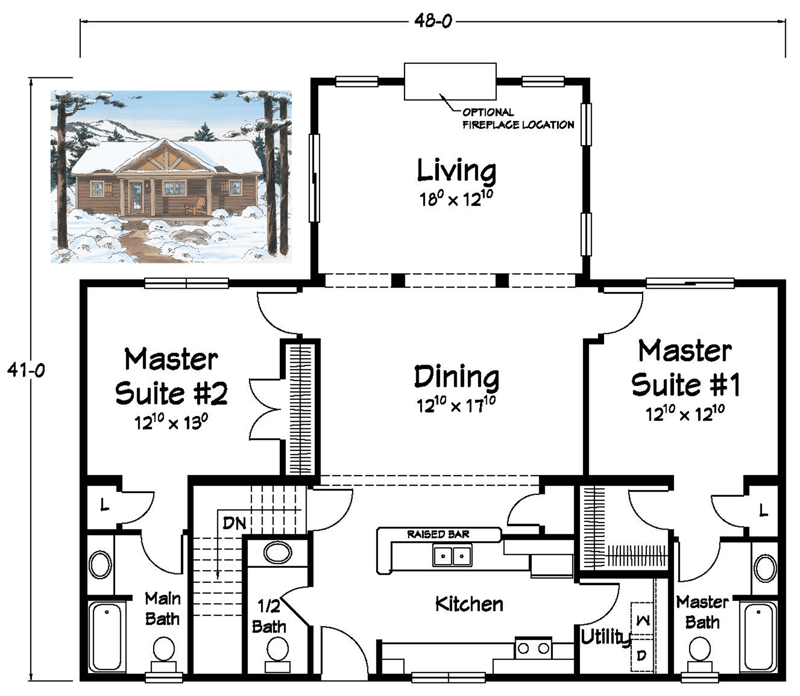
Bathrooms represent another critical connection point. Having a shared bathroom that serves both master suites can be efficient, but it also requires careful planning. Consider traffic flow, privacy concerns, and the actual usage patterns of your household.
Outdoor spaces also matter. A covered porch or deck that connects to both master suites provides additional living areas. This becomes particularly valuable during different seasons when indoor spaces might feel too confined.
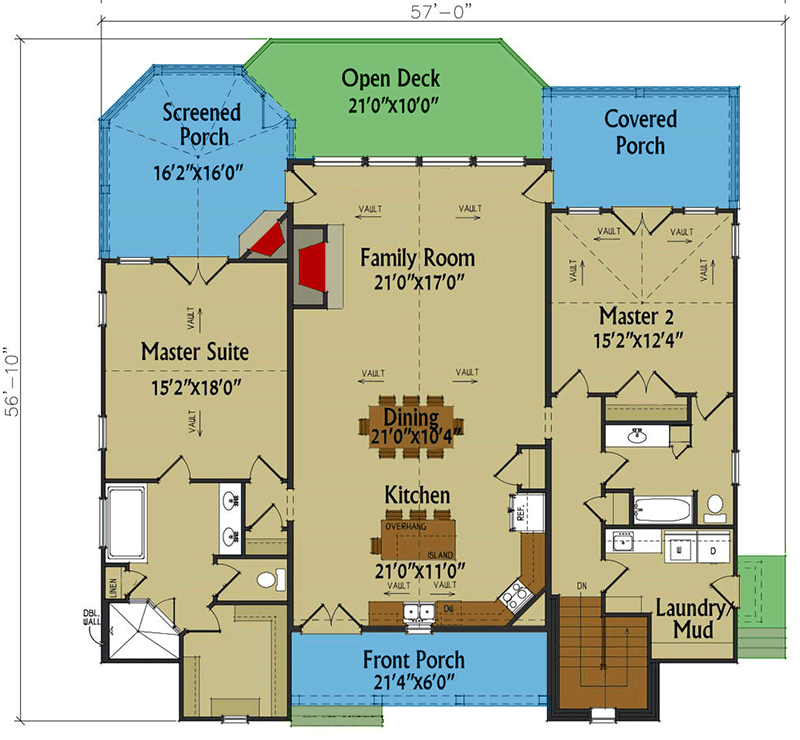
The challenge lies in balancing individual privacy with family connection. You want each master bedroom to feel like a sanctuary, yet you also want to encourage interaction among family members.
Space Planning and Size Requirements
Before you start sketching out plans, it's important to understand what size spaces you'll need. Each master bedroom should comfortably accommodate:
The total square footage required depends on your specific needs. A basic master suite might require 400-600 square feet per bedroom, though many homeowners prefer larger spaces.
Think about the overall home size too. A 3,000-square-foot home with two master bedrooms might need 800-1,000 square feet dedicated to these suites alone. This doesn't include additional areas like sitting rooms or shared bathrooms.
When planning, consider the ceiling height. Higher ceilings (9-10 feet) can make master suites feel more spacious and luxurious. However, they also increase construction costs and heating/cooling expenses.
Another factor is the location within the home. Master bedrooms located on the second floor often provide better privacy and noise control compared to ground-level suites. But they also require more stairs for daily access.
Budget considerations also play a role. More space means more materials and labor costs. Consider what features are most important to you versus what you can realistically afford.
Cost Considerations and Budget Planning
Building or remodeling a home with two master bedrooms involves several cost factors. Let's break down what you might expect to pay:
The price per square foot varies significantly based on your location and quality preferences. In major metropolitan areas, expect to pay $300-$500+ per square foot for high-end finishes. In smaller towns, you might find similar quality for $150-$300 per square foot.
Keep in mind that while two master bedrooms increase upfront costs, they also tend to increase property value. Many real estate experts suggest that this feature can boost home values by 5-10% compared to homes without dual master suites.
To manage costs effectively, prioritize which features matter most to you. You might choose to invest heavily in one suite while keeping the other more basic. Alternatively, you could focus on quality materials in one bedroom and standard finishes in the other.
Consider timing too. Building during off-season months might save money on labor costs. Also, don't overlook the importance of detailed planning – poor planning leads to expensive mistakes and rework later.
Popular Design Styles and Trends
Modern home designs offer numerous options for creating appealing dual master bedroom layouts. Here are some popular approaches:
Contemporary Minimalist: Clean lines, neutral colors, and simple furniture create a calming atmosphere. This style emphasizes function over form, focusing on comfortable, practical spaces.
Traditional Elegance: Ornate details, rich fabrics, and classic furniture pieces bring warmth and sophistication to master suites. This approach works well for those who appreciate timeless design.
Modern Farmhouse: Combines rustic elements with contemporary comfort. Exposed beams, shiplap walls, and natural materials create inviting spaces that feel both cozy and stylish.
Scandinavian Simplicity: Light woods, soft textures, and abundant natural light characterize this trend. The emphasis is on creating peaceful, uncluttered spaces that promote relaxation.
Industrial Chic: Exposed brick, metal accents, and raw materials create dramatic, edgy spaces. This style appeals to those who want a bold statement in their home.
Current trends also include smart home integration, sustainable building practices, and flexible spaces that can adapt to changing needs. Many homeowners are choosing to incorporate technology seamlessly into their master suites, from lighting controls to climate management systems.
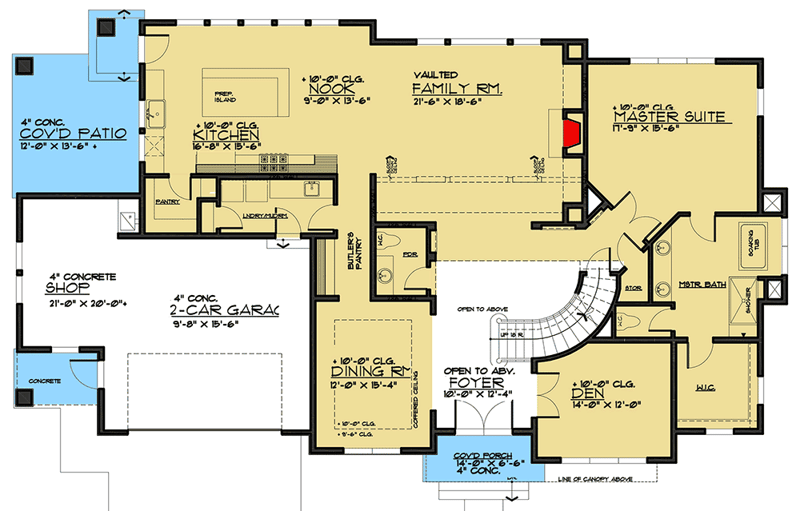
The key is finding a style that reflects your personality and lifestyle. Consider what makes you feel most comfortable and relaxed, then build your design around those principles.
Practical Tips for Implementation
Here are some actionable strategies to make your dual master bedroom plan successful:
Remember that this is your home, so make it reflect your unique tastes and requirements. Don't follow trends blindly – instead, adapt them to fit your situation perfectly.
Common Mistakes to Avoid
Even experienced homeowners sometimes fall into traps when designing dual master bedroom layouts. Here are the most frequent pitfalls to avoid:
These mistakes aren't disasters – they're learning opportunities that help refine future projects.
Making It Work for Your Situation
Every family's situation is unique, which means there's no one-size-fits-all approach to dual master bedroom design. Consider these scenarios:
For Young Couples: Focus on creating intimate, romantic spaces with shared amenities. Think about what makes you feel connected as a couple.
For Families with Children: Consider how the master suites will work with children's rooms. You might want a more open concept or separate entrances.
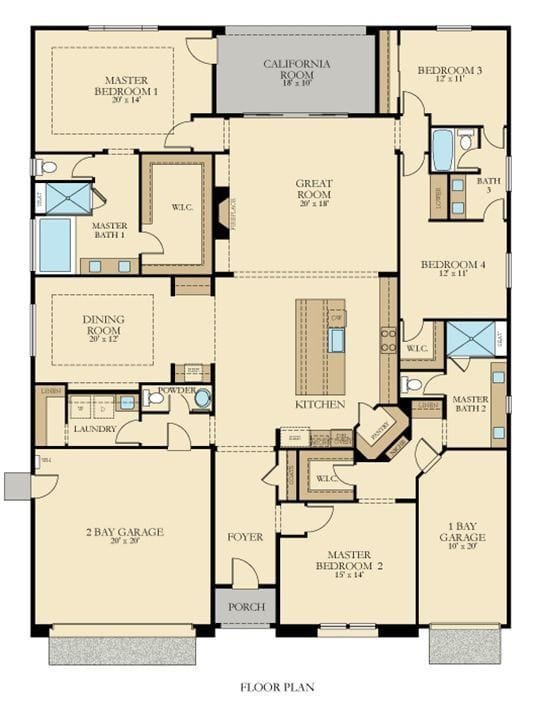
For Multi-generational Homes: Plan for flexibility that allows different generations to live independently while remaining close. This might mean one suite for parents and another for adult children.
For Empty Nesters: Think about accessibility and comfort. Consider features like grab bars, good lighting, and easy navigation.
For Homeowners with Pets: Design spaces that accommodate pets gracefully. This might include pet-friendly materials or designated areas for animals.
The key is starting with your specific circumstances and working backward from there. What matters most to you? What challenges do you anticipate? Answering these questions helps determine the best approach for your situation.
Don't let perfectionism prevent you from moving forward. Even small changes to existing layouts can create significant improvements in how your home functions.
Future-Proofing Your Home Design
Thinking ahead is crucial when designing homes with two master bedrooms. The world changes rapidly, and your home should be able to adapt to new needs over time.
Consider how technology will integrate into your spaces. Smart home systems can enhance comfort and convenience while providing flexibility for future upgrades. Think about wireless charging stations, automated lighting, and climate controls that can be managed remotely.
Accessibility features are increasingly important. As people age, having ramps, wider doorways, and adaptable spaces becomes necessary. These considerations don't have to compromise aesthetics – they can enhance them.
Flexibility in layout allows for changes as your needs evolve. Maybe you start with two master bedrooms but later decide to convert one into a home office or guest room. Good planning makes these transitions smoother.
Environmental considerations also matter. Sustainable building practices, energy-efficient appliances, and water conservation features create homes that are both responsible and economical.
The goal isn't to predict the future exactly, but to create spaces that can grow with you. This means investing in quality materials and thoughtful design that won't quickly become outdated.
Remember that good design addresses today's needs while preparing for tomorrow's possibilities. Your dual master bedroom home should feel current now and remain functional and beautiful for years to come.
Designing a home with two master bedrooms is more than just adding extra space – it's about creating personalized retreats that support your lifestyle and enhance your daily experience. From thoughtful layout planning to practical design choices, every element contributes to making your home truly yours. The key is balancing individual privacy with family connection, investing in quality materials while staying within budget, and thinking ahead about how your needs might change over time. Whether you're building a new home or renovating an existing space, the investment in dual master bedrooms can provide both immediate satisfaction and long-term value. Remember that the best design is one that reflects your personality and meets your specific needs. Take your time with the planning process, seek professional guidance when needed, and trust your instincts about what will make your home feel like a true sanctuary.


