
Imagine walking into your home and seeing your parents or adult children comfortably settled in their own private space. This isn't just a dream - it's becoming a reality through smart house design. In-law suites have transformed from afterthoughts to essential features in modern homes, offering families a way to stay close while preserving individual privacy.
The way we think about family living has shifted dramatically over the past few decades. More families are choosing to live together, but they're also demanding more flexibility in how they organize their living spaces. An in-law suite represents one of the most practical solutions to this modern challenge. These separate living areas within a larger home provide both connection and independence for extended family members. Whether you're planning a new build or renovating an existing home, understanding how to properly incorporate these spaces can make all the difference in creating a harmonious family environment.
What Makes an In-Law Suite Different
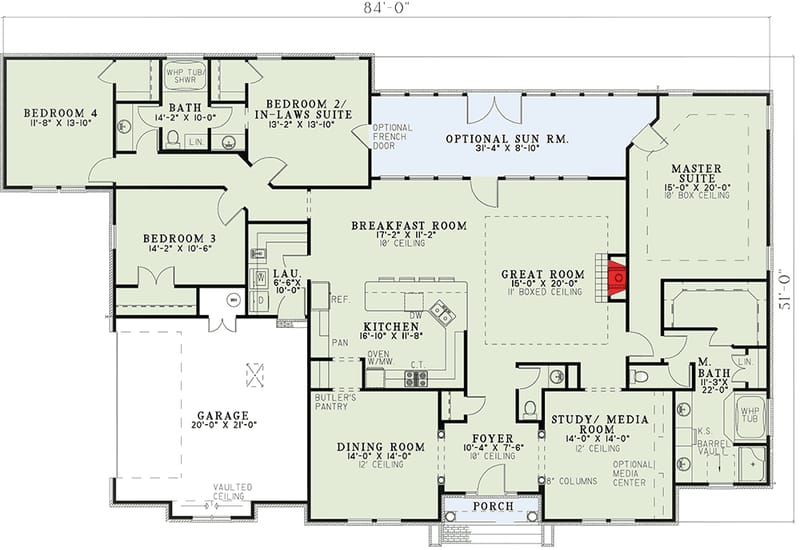
An in-law suite isn't simply a guest room with a bathroom. It's a complete living space designed for someone who might be staying long-term or even permanently. These areas often feature a full kitchen, living area, bedroom, and bathroom - essentially functioning like a small apartment within the main house. The key distinction is that they're built to accommodate a person's daily needs while still feeling connected to the larger family unit. Think about it this way: when you're designing a suite, you're essentially creating a second home inside your first one. This means every detail matters, from the layout to the finishes.
Popular Layout Options
There are several approaches to designing in-law suites that work well with different house styles and family needs:
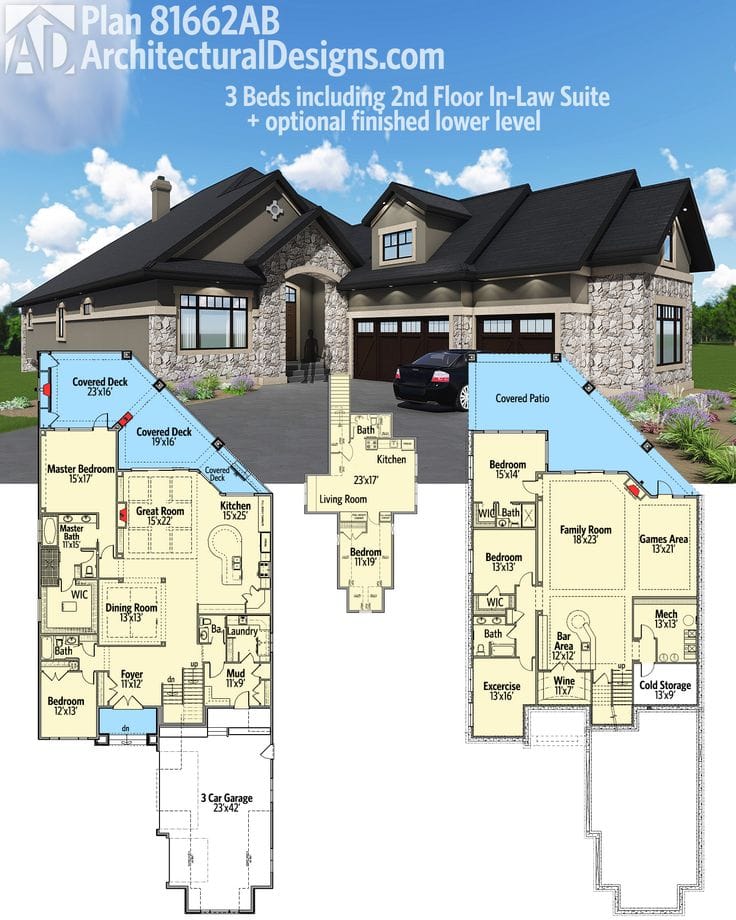
Each option comes with its own set of advantages and challenges. A basement suite might offer the most cost-effective solution, while a rear addition could provide the best views and sunlight. The right choice depends on your specific situation and what you want to achieve.
Key Design Considerations
Designing an effective in-law suite requires thinking beyond basic space requirements. Here are some important factors to consider:
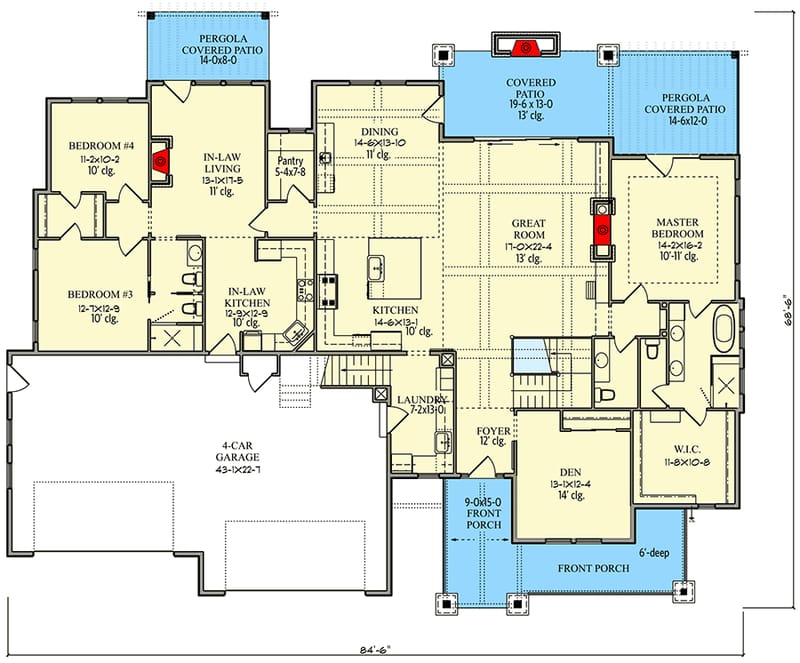
The goal is to create a place that feels both comfortable and functional for whoever will be using it regularly.
Practical Benefits for Families
In-law suites offer many advantages that extend far beyond simple extra sleeping space. For families, these arrangements can provide:
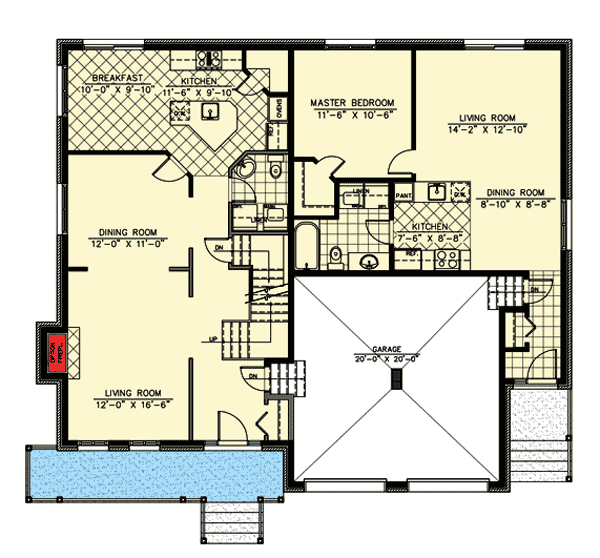
These practical advantages often outweigh the initial investment required to create these spaces. Families report feeling more secure knowing that help is available when needed, and that they can enjoy regular time together.
Common Mistakes to Avoid
Many homeowners make errors when planning in-law suites that can cause problems later. Here are some pitfalls to watch out for:
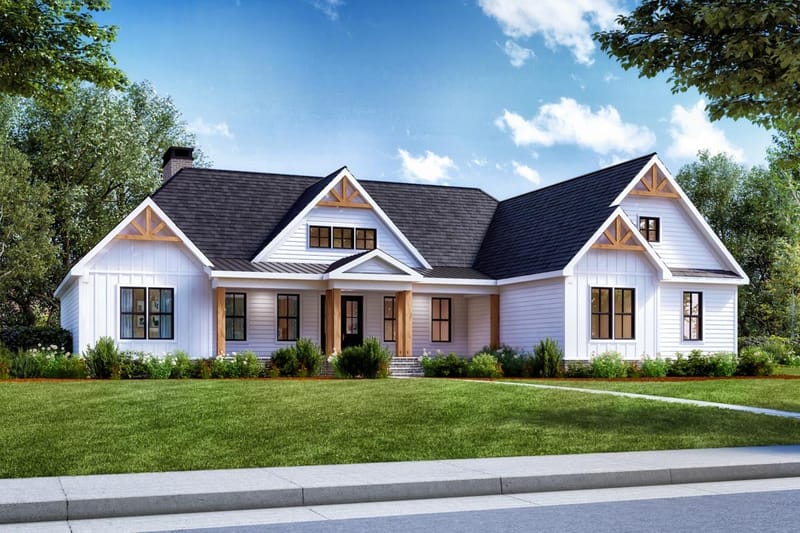
Remember, you're not just building another room - you're creating a functional living space that will be used regularly. Taking time to plan carefully can save headaches down the road.
Budget Considerations
In-law suites vary widely in cost depending on size, materials, and complexity. Here's what you should expect:
The cost depends heavily on whether you're adding to an existing structure or building from scratch. Basement conversions often cost less than side additions, but the investment usually pays off in terms of resale value and family satisfaction. Consider your long-term plans when budgeting - if you're planning to keep the house for many years, investing in quality construction makes sense.
In-law suites represent more than just additional living space - they're a thoughtful approach to modern family dynamics. These carefully planned areas allow multiple generations to live together while respecting each person's need for independence. Whether you're designing a new home or renovating an existing one, taking time to properly plan these spaces shows respect for your family's future needs. The investment in thoughtful design today can prevent problems tomorrow and create lasting connections between family members. The key is to approach the project with realistic expectations, careful planning, and consideration for everyone who will be using the space.


