
Imagine stepping out of your bedroom and into a sparkling pool right in your living space. It's not just a fantasy anymore - indoor pools are becoming increasingly popular in modern home design. But how do you actually make this dream work? What does it take to seamlessly blend luxury swimming with comfortable living? Let's dive into the fascinating world of house plans featuring interior pools.
When you think about luxury homes, you might picture sprawling estates with outdoor pools, but there's something uniquely appealing about having a pool inside your house. It's like having a personal resort right in your backyard - no weather concerns, year-round accessibility, and complete privacy. This trend isn't just about having a fancy feature; it's about creating a lifestyle that blends comfort, convenience, and sophistication. Whether you're planning a new build or renovating an existing home, understanding how to incorporate an interior pool properly can transform your living experience.
Understanding the Basics of Interior Pool Design
Designing a home with an interior pool requires more than just deciding where to place the water feature. You're essentially creating a completely new room within your house, one that needs careful consideration of several factors. First, let's talk about space requirements. An indoor pool typically needs at least 10 feet of clearance around all sides for safety and maintenance access. That means if you're planning a 12-foot by 24-foot pool, you'll need roughly 30 feet by 40 feet of dedicated space.
The height of your ceiling becomes crucial too. Most indoor pools require a minimum of 8 to 10 feet of clearance from floor to ceiling to accommodate the pool structure and any overhead features like lighting or ventilation systems. If your existing home doesn't have these dimensions, you might need to consider structural modifications or even a new construction project.
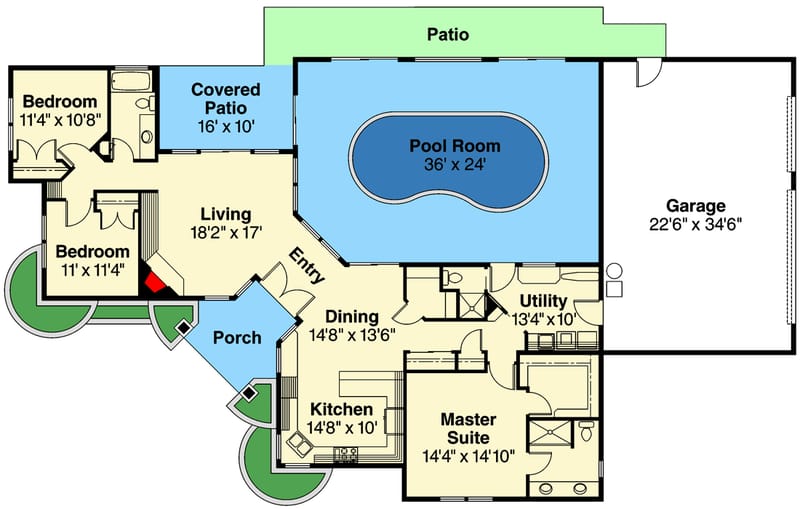
Let's look at some real-world examples. A family in Austin decided to add an indoor pool to their existing home. They had a large great room with 12-foot ceilings, which made it perfect for their 15x30-foot pool. However, they discovered that the existing HVAC system couldn't handle the additional humidity. So they had to upgrade their entire climate control setup to ensure proper air circulation and moisture management.
Key Considerations for Layout and Placement
Where you place your indoor pool can make or break the entire design. Think about traffic flow and how the pool will fit into your daily routine. The location should allow for easy access while maintaining the aesthetic appeal of your home. Here are some important placement strategies:
Consider the impact on your home's natural light and airflow. A pool located in a basement or lower level might struggle with adequate lighting and ventilation. On the flip side, placing it in a sunny area can create beautiful reflections and enhance the visual appeal.
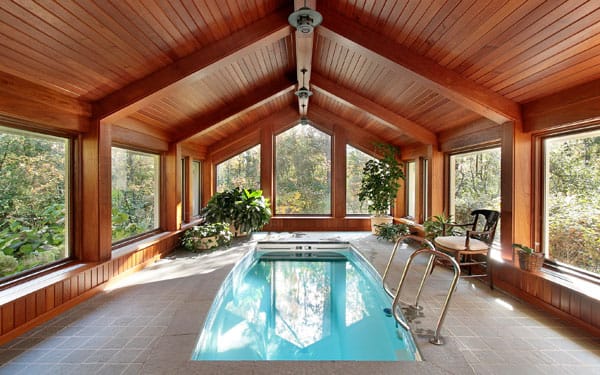
Many homeowners find success with placing their indoor pool in the center of a large open area, such as a family room or great room. This creates a focal point that draws attention and makes the space feel more dynamic. For example, a couple in Denver built their indoor pool in their main living area, using a custom-designed glass wall to separate the pool zone from the rest of the room. The result was a stunning space that felt both luxurious and functional.
Structural Requirements and Engineering Challenges
Adding an indoor pool isn't just about aesthetics - it's a significant engineering challenge that requires professional expertise. The weight of water alone is substantial. A typical 15-foot by 30-foot pool filled with water weighs approximately 18,000 pounds. That's why proper foundation work is absolutely essential.
Here are the critical structural elements you must address:
In older homes, especially those built before modern building codes, you might encounter unexpected challenges. A homeowner in Chicago found that their 1960s home required extensive foundation reinforcement before they could install an indoor pool. The cost of structural upgrades ended up being about 20% of the total pool installation cost.
Professional engineers play a vital role in this process. They assess the existing structure and determine what modifications are necessary. Some homes may need additional support beams, reinforced concrete slabs, or specialized waterproofing membranes. The investment in proper engineering upfront saves you from costly problems later down the road.
Ventilation and Climate Control Solutions
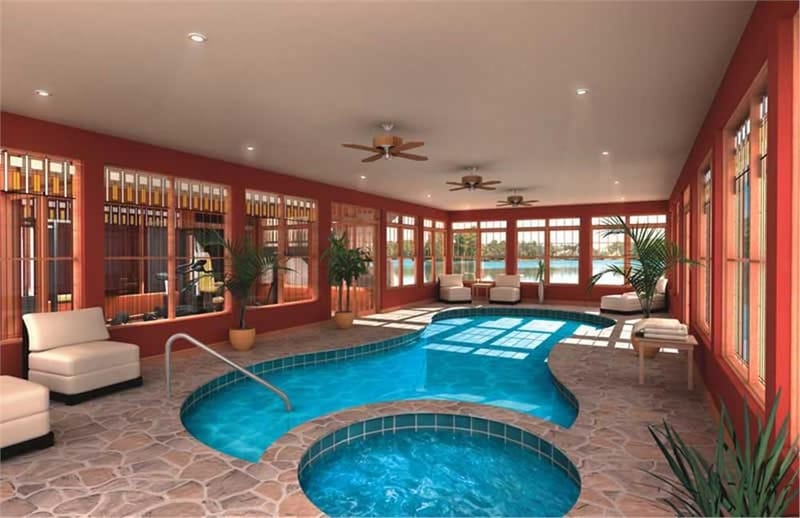
One of the biggest hurdles in indoor pool design is managing humidity and air quality. Water evaporation creates significant moisture levels that can damage walls, floors, and furniture if not properly controlled. Without adequate ventilation, you could end up with mold growth, wood rot, and other structural issues.
Effective ventilation systems typically include:
The size of your ventilation system depends heavily on the pool's dimensions and usage frequency. A small 10x20-foot pool used occasionally might need basic exhaust fans, while a larger pool used daily requires a more robust system.
A recent case study from Florida showed that a home with a 20x40-foot indoor pool installed a commercial-grade ventilation system costing $15,000. They calculated that this investment paid for itself within three years through reduced maintenance costs and improved air quality.
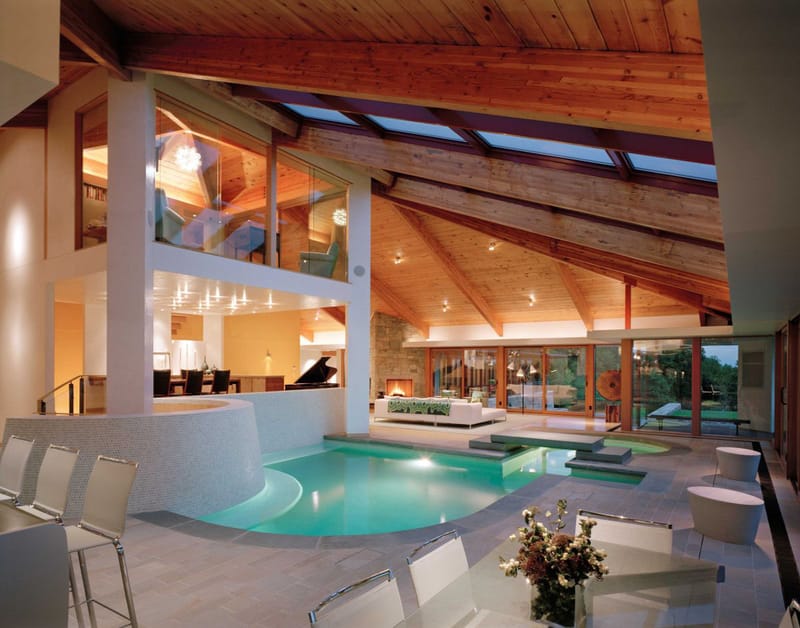
Climate control also affects water temperature and energy efficiency. Many indoor pool owners opt for heated pools to extend their usability seasonally. Proper insulation and heating systems work together to maintain comfortable water temperatures while keeping energy costs reasonable.
Safety Features and Compliance Requirements
Safety should always be the top priority when designing indoor pool spaces. Regulations vary by location, but most areas require specific safety measures for indoor pools. These often include:
The electrical components for indoor pools must meet strict safety standards. Specialized wiring, GFCI protection, and proper grounding are non-negotiable requirements. Many professionals recommend hiring certified electricians who specialize in pool installations.
Another crucial aspect is emergency preparedness. Having clear signage, first aid supplies, and communication devices near the pool area ensures quick response in case of accidents. Some homeowners install security cameras that monitor the pool area, providing an extra layer of safety.
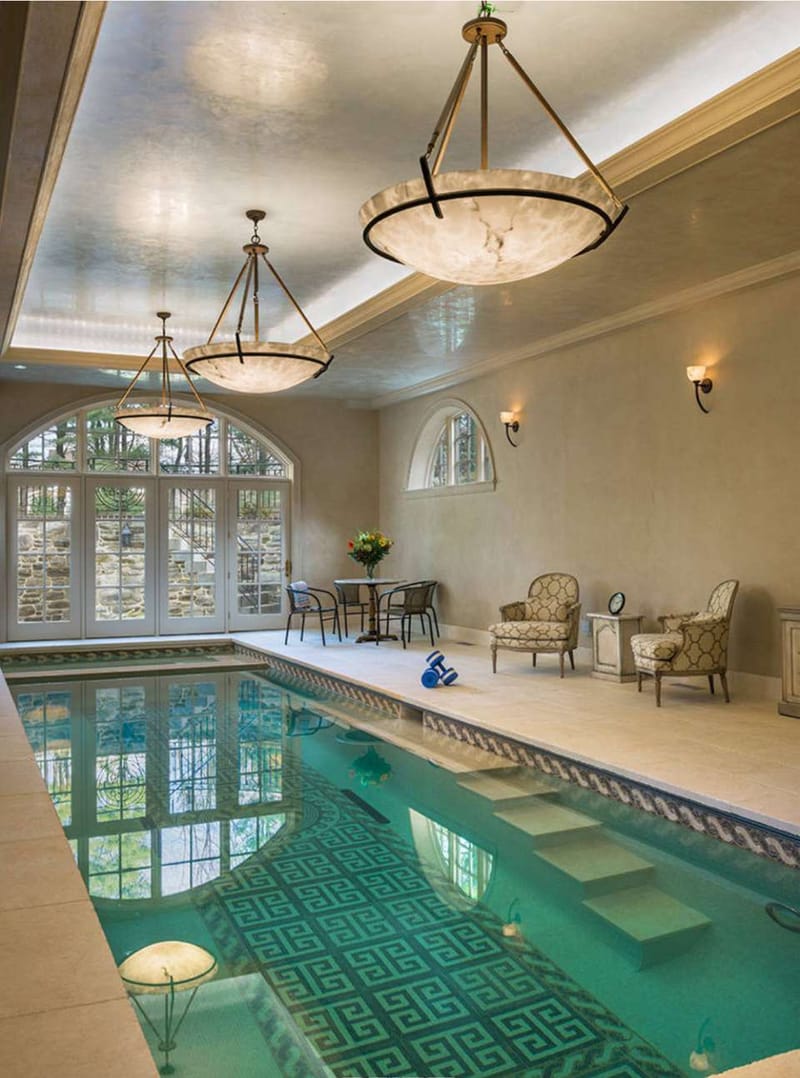
Consider the needs of all family members. If you have young children, you might want to install a pool cover system that automatically retracts when needed. For elderly residents, grab bars and non-slip surfaces become essential additions to the design.
Maintenance and Cost Considerations
Indoor pools require regular maintenance, just like outdoor pools, but with some unique considerations. The controlled environment means less debris, but potentially more humidity-related issues. Here's what to expect:
Monthly maintenance costs typically range from $100 to $300, depending on pool size and usage. Professional maintenance services usually cost between $200 and $500 per month, offering peace of mind and expert care.
Budget considerations go beyond initial installation costs. You'll need to account for:
A well-designed indoor pool can actually increase your home's value by 5-10%, according to recent real estate market analysis. However, the investment varies significantly based on the pool's size, materials, and overall design quality.
Some homeowners find creative ways to reduce ongoing costs. Installing solar heating systems can dramatically cut energy bills, while automated cleaning systems save time and effort. Smart pool monitoring technology allows remote control of temperature and chemical levels, making maintenance more efficient.
Designing a home with an interior pool represents a significant investment in lifestyle and comfort. From the initial planning stages to ongoing maintenance, every decision impacts both the functionality and enjoyment of your aquatic space. The key lies in understanding that this isn't just about adding a swimming pool to your home - it's about creating an entirely new living environment that enhances your daily life.
Whether you're considering a small spa-style pool or a full-size swimming pool, the principles remain consistent: proper planning, professional execution, and thoughtful consideration of all aspects of the installation. The benefits of having a private, year-round swimming space are undeniable, but they come with responsibilities that shouldn't be overlooked.
As you explore your options, remember that the best indoor pool design is one that fits seamlessly into your existing lifestyle. Take your time with the planning process, consult with professionals, and don't rush into decisions. After all, this is your personal sanctuary - a place where you can relax, entertain guests, and enjoy the simple pleasure of swimming anytime you want. With careful attention to detail and proper implementation, your indoor pool can become the crown jewel of your home rather than a source of stress or expense.


