
When you think about adding extra space to your home, what comes to mind? Maybe it's a bigger kitchen or a home office. But what if I told you there's another way to expand your living space while keeping your family close? That's where mother-in-law suites come in. These cleverly designed spaces are more than just bedrooms and bathrooms – they're lifelines for families, offering independence while maintaining connection.
In today's world, where family dynamics shift and life circumstances change, having a dedicated space for extended family members has become more than just convenient – it's often essential. Mother-in-law suites, or accessory dwelling units (ADUs), represent a thoughtful approach to family housing that's gaining popularity across all demographics. Whether you're planning a new build or looking to renovate an existing home, understanding how to properly incorporate these spaces into your house plans can transform your living situation. These aren't just separate rooms tucked away in the basement or attic. They're carefully planned areas that offer privacy, comfort, and functionality while remaining connected to the main house.
What Is a Mother-in-Law Suite?
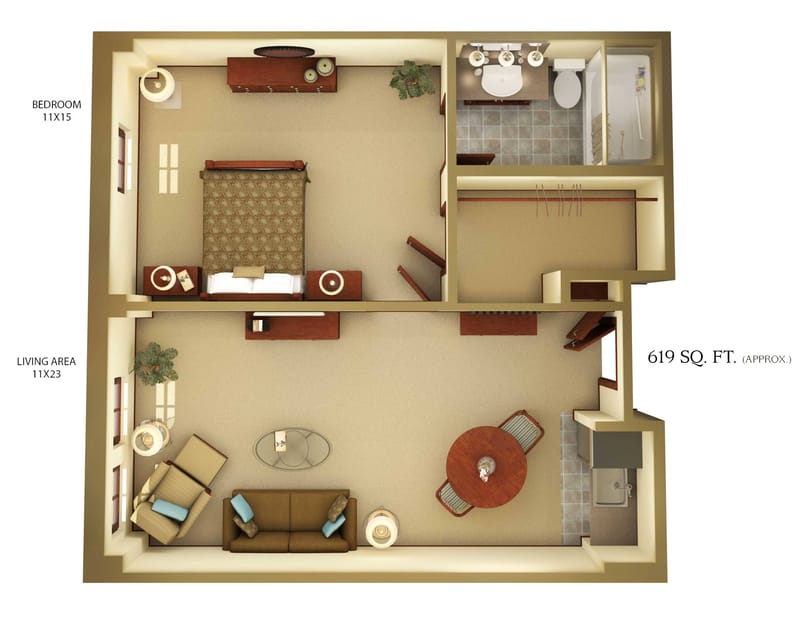
A mother-in-law suite is essentially a self-contained living area within or attached to a primary residence. Think of it as a small apartment or studio that provides independent living space for family members, typically aging parents or adult children. These units usually include a private bedroom, bathroom, and sometimes a small kitchen or eating area. The design philosophy behind these spaces is simple yet powerful: provide autonomy while maintaining family bonds.
The term itself might sound traditional, but modern mother-in-law suites are far from outdated. Today's designs embrace contemporary aesthetics, smart technology, and flexible layouts that can adapt to changing needs. From a single bedroom with ensuite bathroom to full kitchens and living areas, the possibilities are endless. What makes these spaces special isn't just their size, but how they serve multiple purposes – providing privacy for guests, support for aging family members, or even rental income potential.
Why Include a Mother-in-Law Suite in Your House Plan?
There are several compelling reasons why incorporating a mother-in-law suite into your house plan makes sense:
Consider this scenario: A couple in their sixties wants to stay in their home but needs help with mobility. Rather than moving to a nursing facility, they could live independently in a suite while remaining close to their adult children. This arrangement benefits everyone involved, reducing stress and allowing for quality time together.
Key Design Considerations
Designing a mother-in-law suite requires careful thought about both form and function. Here are the essential elements to consider:
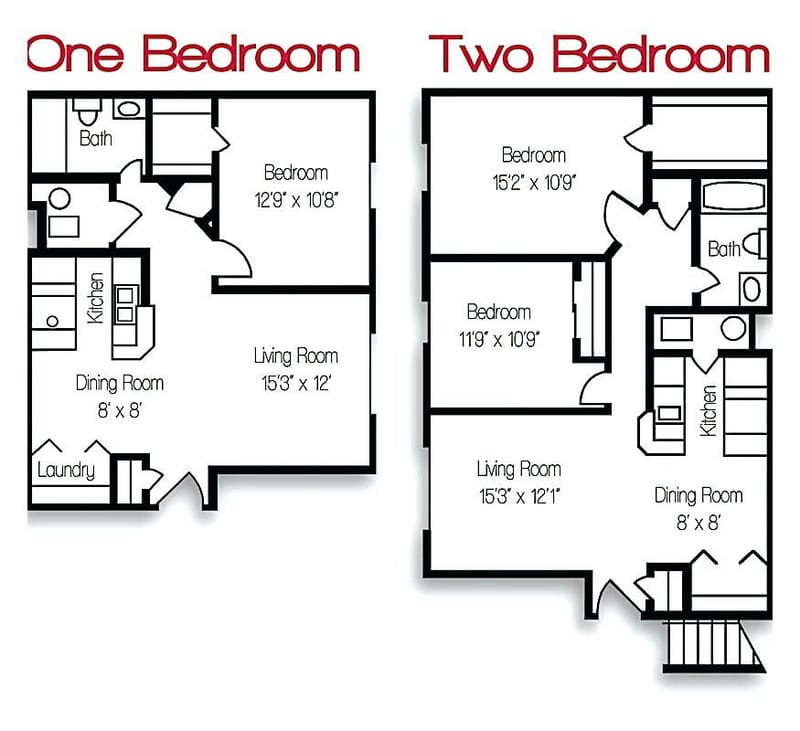
Location and Access: The suite should have its own entrance or clear access path from the main house. This ensures privacy while making it easy for visitors to move between spaces. Some designs feature direct connections through interior doors, while others include separate exterior entrances.
Size and Layout: Most suites range from 300 to 800 square feet. Smaller versions work well for basic sleeping arrangements, while larger ones can accommodate full kitchens and living areas. The layout should flow naturally with the rest of the home.
Natural Light and Ventilation: Good lighting and airflow are crucial for comfort and health. Windows should provide adequate light and views, while proper ventilation helps maintain air quality.
Safety Features: Especially important when accommodating elderly residents, safety features like grab bars, non-slip surfaces, and wide doorways can make a significant difference in daily living.
Technology Integration: Modern suites should include smart home features, easy-to-use controls, and reliable internet connectivity for entertainment and communication.
Popular Suite Configurations
Different family situations call for different suite setups. Here are some common configurations:
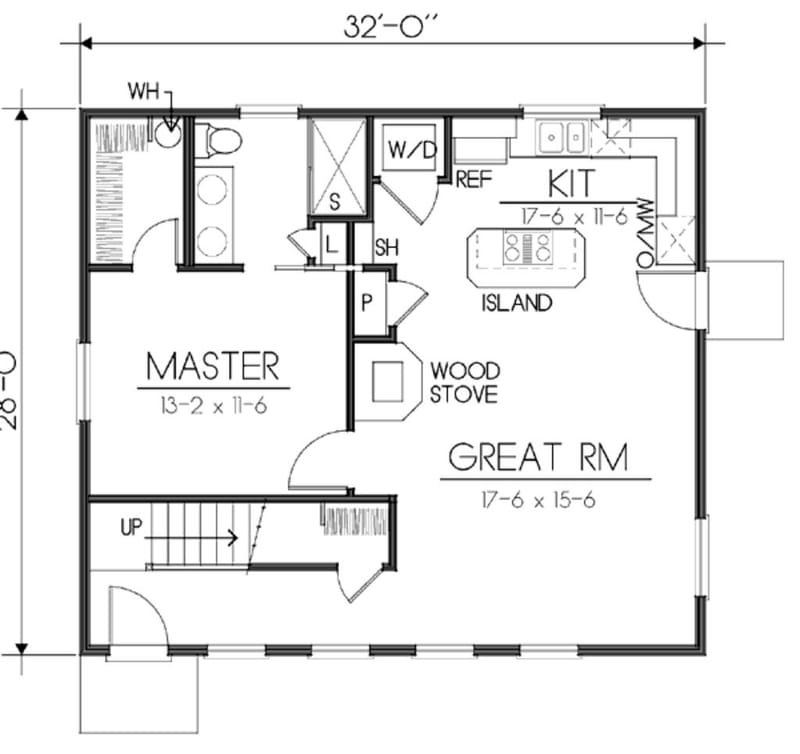
Basic Bedroom Suite: This includes a private bedroom, bathroom, and possibly a small sitting area. It's ideal for temporary stays or occasional visits.
Kitchenette Option: Adding a small kitchenette with a sink, refrigerator, and microwave gives residents more independence. This setup works well for longer stays or for those who want to prepare their own meals.
Full Kitchen Suite: For maximum independence, a complete kitchen with stove, dishwasher, and full appliances creates a true residential experience. This configuration is popular with aging parents or adult children who prefer living as independently as possible.
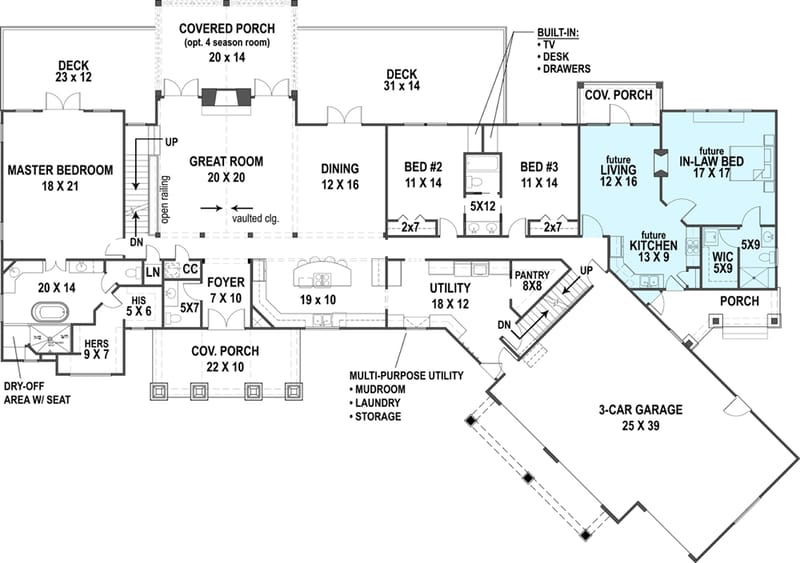
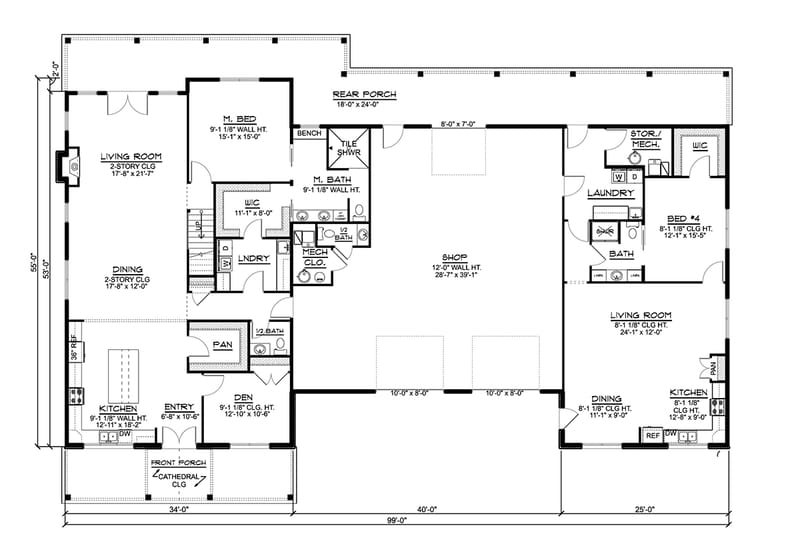
Living Room Integration: Some designs combine the suite with a shared living area, creating a sense of community while preserving individual privacy. This approach works particularly well in homes with open floor plans.
Separate Entry Design: Suites with their own front door or entryway provide the highest level of independence and privacy. These often resemble small apartments or guest houses, making them appealing to both residents and potential renters.
Planning Tips for Your House Plan
Here are some practical steps to consider when planning your mother-in-law suite:
One common mistake homeowners make is underestimating the complexity of integrating a suite. It's not just about drawing lines on paper – it involves plumbing, electrical systems, heating, and cooling considerations that impact the entire home.
Cost Analysis and ROI
The investment in a mother-in-law suite varies significantly based on size, location, and design choices. On average, construction costs range from $50,000 to $150,000 for a basic suite, with premium options reaching much higher figures. However, the return on investment extends beyond immediate property value increases.
Immediate Benefits:
Long-Term Advantages:
Real estate trends show that homes with well-designed mother-in-law suites sell faster and for higher prices than comparable properties without such features. The key is balancing quality construction with functional design that serves both current and future needs.
Mother-in-law suites represent more than just additional square footage – they're solutions to modern family challenges and opportunities for enhanced living experiences. Whether you're planning a new home or considering modifications to an existing one, these spaces offer practical benefits that extend far beyond their physical dimensions. The investment in thoughtful planning and quality construction pays dividends in family harmony, property value, and personal satisfaction. As family structures continue to evolve, having a well-designed suite becomes increasingly valuable. The key lies in approaching the project with realistic expectations, proper planning, and consideration for both current and future needs. With careful attention to design, location, and functionality, a mother-in-law suite can become one of the most rewarding additions to any home.


