
Imagine waking up in a bedroom with a view that stretches across the entire room, or having a private study tucked away in a corner that feels like its own little world. These aren't just dreams anymore – they're realities made possible by thoughtful house plans featuring lofts. Whether you're building a new home or renovating an existing space, understanding how to incorporate these versatile areas can transform your living experience.
In today's world of limited space and growing families, architects and homeowners are turning to creative solutions to maximize every inch of their homes. Lofts have emerged as one of the most popular approaches to multi-level living, offering both functional benefits and aesthetic appeal. These elevated spaces can serve countless purposes, from cozy reading nooks to spacious home offices, and even private sleeping quarters. But designing and incorporating a loft effectively requires more than just good intentions. It demands careful planning, attention to safety standards, and a deep understanding of how these spaces integrate with the rest of your home.
What Makes a Loft Special
A loft isn't just a fancy term for a high-ceilinged room – it's a carefully designed vertical space that adds both character and functionality to a home. Unlike traditional second floors that might feel disconnected from the main living areas, lofts often create a sense of intimacy and connection. They can provide a quiet retreat while still remaining part of the overall home flow.
The key advantage of a loft lies in its versatility. Many homeowners find themselves struggling with space limitations in modern homes, especially when trying to accommodate growing families or work-from-home needs. A well-planned loft offers a solution that's both elegant and practical. Consider how a loft can serve multiple purposes – perhaps as a guest bedroom during weekends, a quiet workspace during weekdays, or a children's play area when the family is together.
These spaces often feature exposed beams, unique architectural details, and that distinctive 'industrial chic' look that many people find appealing. The openness of a loft can make even small homes feel larger and more airy. Plus, there's something inherently satisfying about having a space that feels separate yet connected to the rest of your home.
Design Considerations for Loft Spaces
Creating a successful loft requires careful thought about several important factors:
Popular Loft Configurations
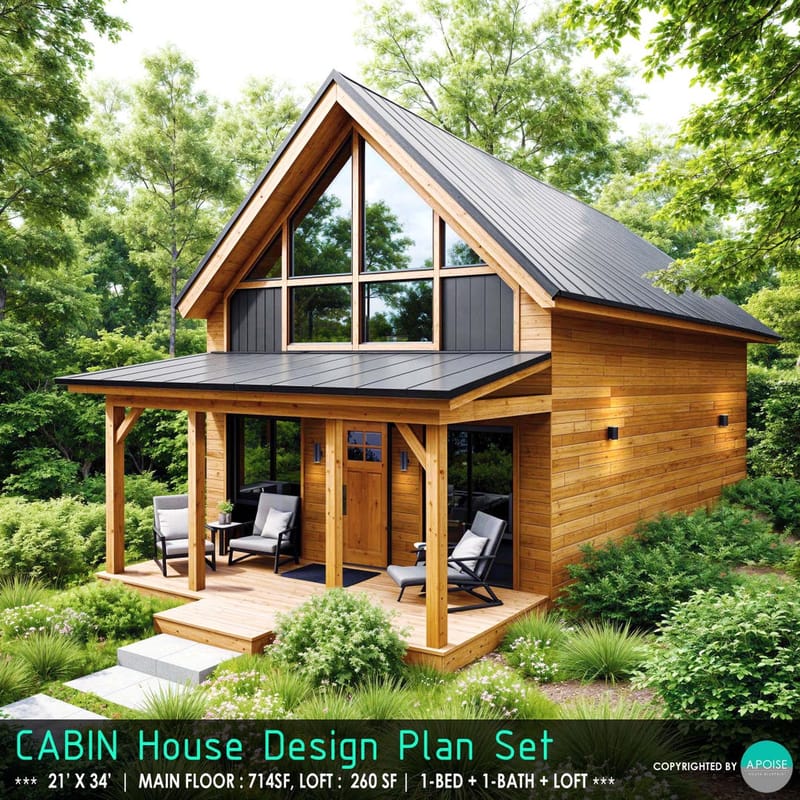
Different lifestyles call for different loft arrangements. Here are some common setups that work well in residential designs:
Master Suite Loft: This is perhaps the most popular configuration, where the master bedroom occupies the loft space. It provides privacy for the couple while maintaining visual connection to the main living areas. The high ceilings can add drama and grandeur to what might otherwise be a simple bedroom.
Home Office Loft: For remote workers or anyone who needs a dedicated workspace, a loft office offers the perfect combination of focus and inspiration. The elevated position can provide a sense of separation from household distractions while still allowing easy communication with family members below.
Guest Room Loft: When entertaining guests regularly, a loft bedroom can offer a special experience. Visitors often enjoy the novelty of sleeping in a higher space, and the privacy it provides makes for better rest.
Playroom or Recreation Loft: Families with young children might find that a loft space works perfectly as a play area. It gives kids room to run around safely while keeping them separated from the main living areas.
Storage Loft: Sometimes the simplest solution is the best one. A loft designed purely for storage can keep clutter out of sight while maximizing the vertical space in a home.
Building Codes and Safety Requirements
Before you start planning your loft, it's crucial to understand the building regulations that apply in your area. These requirements vary significantly depending on where you live, but there are some universal principles that apply:
Working with a qualified architect or contractor who understands local building codes is essential. These professionals can guide you through the permitting process and ensure your loft meets all necessary standards.
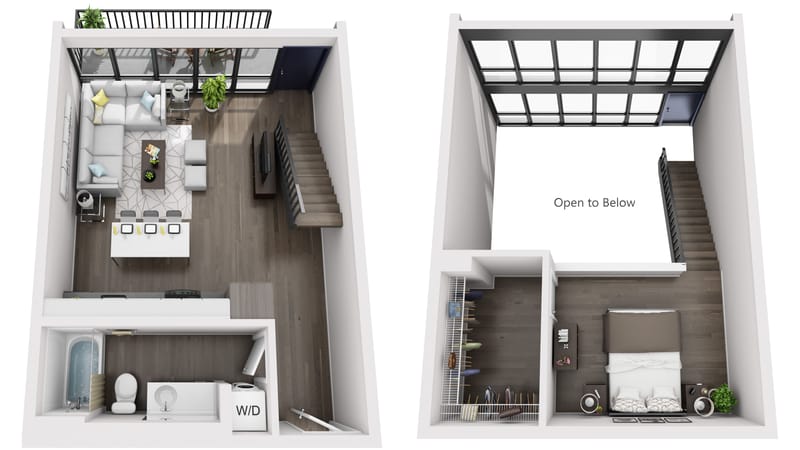
Cost Considerations and Budget Planning
Adding a loft to your home can range from a modest investment to a substantial renovation project. The costs depend heavily on whether you're building a new home or modifying an existing structure.
New Construction Costs: When designing a new home, incorporating a loft typically costs between $20,000 and $50,000 extra. This includes the structural modifications, stairway construction, and finishing touches. The exact amount depends on the size of the loft, materials used, and local labor costs.
Renovation Costs: Converting an existing space into a loft usually costs more than building one from scratch. This is because you're working within existing constraints and may need to address issues like inadequate ceiling height or poor structural support. Expect to pay between $30,000 and $80,000 for a complete loft conversion.
Key Cost Factors:
Remember that a well-executed loft can also increase your home's resale value, making it a potentially smart financial decision.
Maximizing Functionality in Loft Spaces
The true magic of a loft lies not just in its appearance, but in how well it serves your daily life. Here are some strategies for making the most of your elevated space:
Smart Storage Solutions: Lofts offer incredible storage potential. Think about using the space above for seasonal items, books, or rarely-used furniture. Built-in shelving systems can maximize vertical space while maintaining a clean look. Consider pull-down ladders or retractable stairs for easy access.
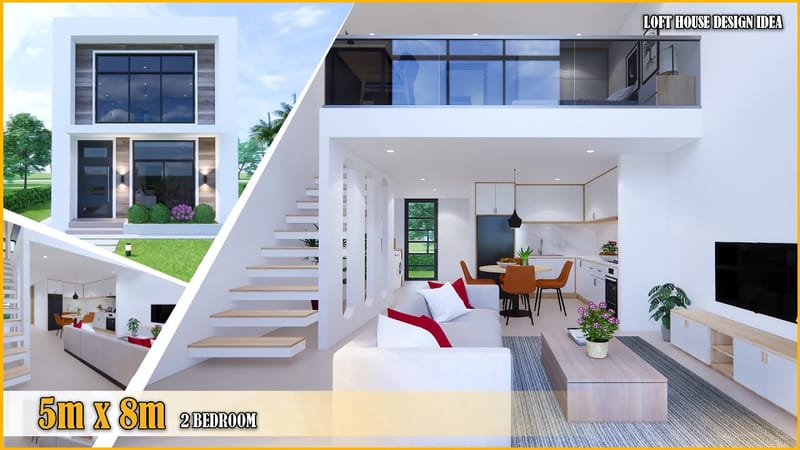
Multi-Purpose Design: One of the biggest advantages of a loft is its flexibility. A single space can serve different functions throughout the day or week. For example, a loft could function as a home gym during the morning hours and a quiet reading area in the evening.
Natural Light Integration: Install large windows or skylights to ensure your loft feels bright and welcoming. This not only improves the mood but also reduces energy costs associated with artificial lighting.
Comfort Elements: Don't forget about temperature control. A loft can get quite cold in winter and hot in summer, so consider installing a small heating unit or fan. Adding rugs, curtains, and soft furnishings can also improve comfort levels.
Privacy Features: While lofts are often connected to the main living areas, you can still create a sense of privacy with room dividers, curtains, or even a half-wall. This allows you to enjoy the open feel while maintaining some separation when needed.
Safety First: Always ensure that any equipment installed in the loft, such as lighting fixtures or storage units, is properly secured and meets safety standards.
Common Challenges and Solutions
Despite their benefits, lofts come with unique challenges that homeowners should be prepared for:
Access Issues: Getting to and from a loft can be tricky, especially for elderly family members or those with mobility concerns. Installing a sturdy ladder or a small elevator system might be necessary.
Ventilation Problems: Lofts tend to be poorly ventilated, which can lead to moisture buildup and mold growth. Proper ventilation systems, including exhaust fans and air circulation methods, are crucial.
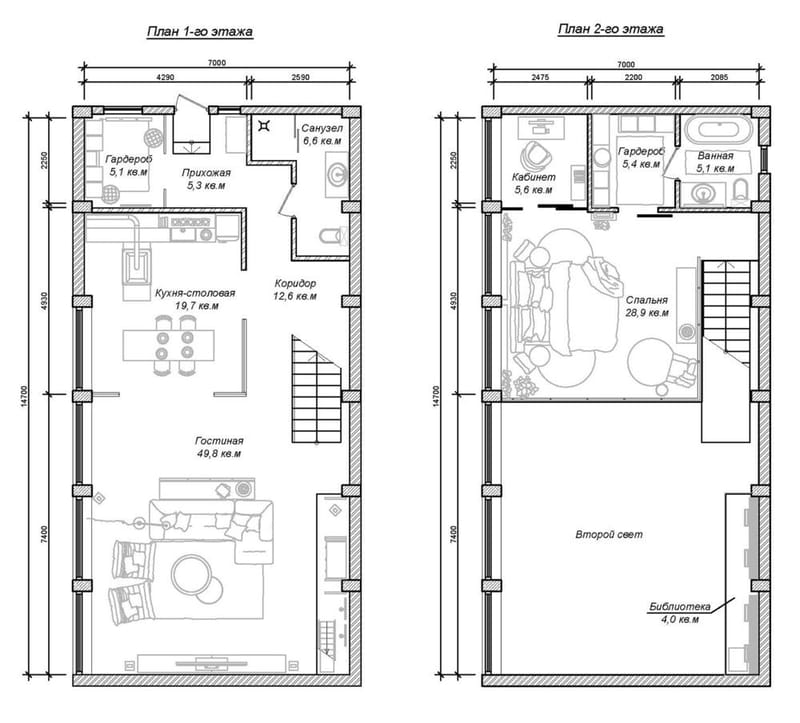
Noise Transfer: Sound can travel easily between floors in a loft setup. Consider adding sound-dampening materials to walls and floors to reduce noise transfer.
Temperature Variations: As mentioned earlier, lofts often become much colder than lower levels. Installing radiant heating or a mini-split system can help maintain consistent temperatures.
Structural Limitations: Not all homes are suitable for loft conversions. Older buildings might lack the structural integrity to support an additional floor. Consulting with a structural engineer early in the planning process can prevent costly surprises later.
Maintenance Challenges: Accessing the loft for cleaning or repairs can be difficult. Plan ahead for maintenance schedules and ensure that any necessary tools or equipment can reach the space easily.
Choosing the Right Loft for Your Needs
Every family's situation is different, so selecting the right type of loft requires honest self-reflection. Ask yourself:
Consider your lifestyle and future needs when making decisions. A loft that seems perfect today might not serve you well in five years if your family grows or your circumstances change.
Also think about how the loft integrates with the rest of your home. Does it complement the existing architecture, or does it feel jarring and out of place? The best lofts enhance rather than compete with the overall design of the house.
Future Trends in Loft Design
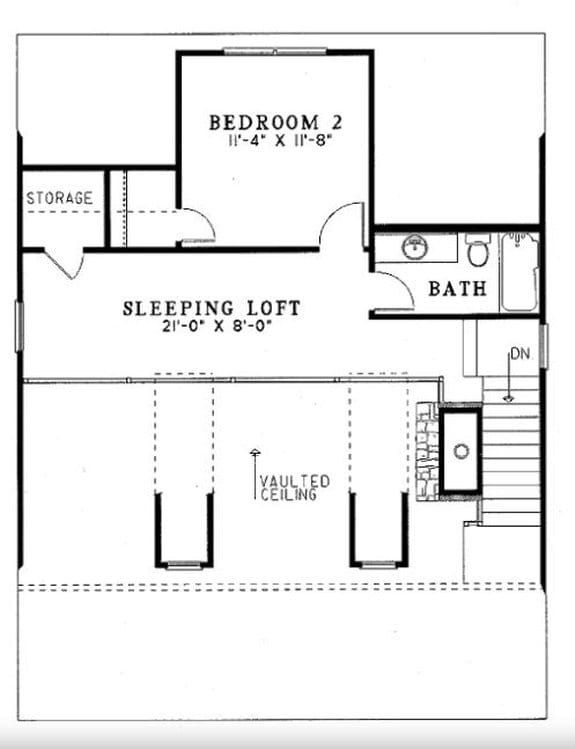
The world of loft design continues to evolve, driven by changing lifestyles and technological advances. Some emerging trends include:
As we move forward, expect to see even more innovative uses for loft spaces, especially as people continue to seek creative solutions to modern housing challenges.
Real-Life Examples and Inspiration
Looking at actual examples can help clarify how lofts work in practice. Consider these real-world scenarios:
The Urban Loft Apartment: In a city apartment with high ceilings, a converted attic space becomes a cozy bedroom with a window seat and built-in storage. The industrial look of exposed brick and steel beams creates a dramatic focal point.
The Family Home Loft: A suburban family home incorporates a loft over the garage that serves as a children's playroom and guest bedroom. The space feels separate from the main living areas but remains connected through the open staircase design.
The Work-from-Home Loft: A professional's home features a loft office with floor-to-ceiling windows and a desk positioned to take advantage of natural light. The space feels inspiring and productive while providing privacy from household distractions.
The Storage Loft: A homeowner in a smaller space uses a loft area for seasonal clothing and holiday decorations. The space is accessed via a ladder and contains carefully organized storage solutions that maximize every inch.
These examples show how lofts can adapt to various needs and preferences, proving that the key to success lies in thoughtful planning and consideration of how the space will actually be used.
House plans with lofts represent more than just architectural trends – they're practical solutions for modern living challenges. Whether you're looking to create a peaceful retreat, a productive workspace, or simply more usable space, a well-designed loft can transform your home in ways you never imagined possible. The key to success lies in understanding both the possibilities and the limitations of these spaces. By considering factors like safety, accessibility, and functionality from the beginning, you can create a loft that truly enhances your quality of life. The investment in time and resources needed to plan a loft properly pays dividends in both comfort and increased property value. As housing needs continue to evolve, lofts will likely remain a popular choice for homeowners seeking creative, efficient solutions to their living situations. The next time you're planning a home project, don't overlook the potential of vertical space – it might just be the missing piece that completes your dream home.


