
There's something deeply satisfying about watching a craftsman work with his hands, creating something beautiful from raw materials. When it comes to hammered copper sinks, that satisfaction runs even deeper. These aren't just kitchen fixtures – they're heirloom pieces that tell stories of tradition, skill, and enduring quality. Every dent, every curve, every unique mark tells its own tale of the artisan who shaped it.
Imagine walking into a kitchen where the sink isn't just functional – it's a conversation starter, a focal point that makes every meal feel special. That's what hammered copper sinks do. But beneath their stunning appearance lies a fascinating story of craftsmanship that spans centuries. This isn't mass-produced plastic or cheap metal – it's the result of skilled hands, traditional methods, and an appreciation for beauty that transcends time. The journey from raw copper sheet to that distinctive hammered masterpiece involves techniques passed down through generations, each step requiring patience, precision, and deep respect for the material.
The Ancient Roots of Copper Work
Copper has been used for thousands of years, dating back to ancient civilizations like Egypt and Mesopotamia. The art of working with this precious metal evolved slowly, with each culture adding their own touch to the craft. In medieval Europe, copper artisans developed specialized techniques for creating everything from cooking vessels to decorative items. The hammering process, in particular, was refined over centuries, becoming both an art form and a practical necessity. It wasn't just about shaping the metal – it was about creating textures that could hide imperfections while adding visual interest. The ancient craftsmen learned that copper's malleability made it perfect for this type of work, and they developed tools and methods that are still used today. Even the term 'hammered' itself speaks to the technique – it's not just hitting the metal, it's carefully controlled strikes that create a specific pattern and texture.
The Process Begins With Raw Materials
Before any hammering begins, the copper must be carefully selected. Quality matters enormously – the right kind of copper will give the final piece its characteristic warmth and durability. Most hammered sinks are made from either pure copper or copper alloys, with some having a thin layer of tin or other metals applied for additional protection. The sheets are typically 14-16 gauge thick, providing enough substance to withstand daily use while remaining manageable for the crafting process. The copper arrives at the workshop in large sheets, sometimes weighing hundreds of pounds. From there, the real magic begins. The first step is cleaning and preparing the surface, removing any oils or impurities that might interfere with the final finish. Some artisans prefer to work with copper that has a natural patina already developing, as this adds character to the finished piece. Others start with bright, fresh copper and allow it to age naturally over time. Either approach has its merits, and the choice often depends on the desired final look and the artisan's personal style.
The Hammering Technique
This is where the true artistry shines. The hammering process requires a steady hand and decades of practice. Craftsmen use specialized hammers with different heads – some for creating deep indentations, others for gentle textures. The basic technique involves striking the copper at precise angles and distances to create a consistent pattern. It's not random – each strike has purpose. The hammerer works systematically across the surface, building up texture gradually. Some pieces take hours to complete, with careful attention paid to maintaining uniformity while allowing natural variations. The depth and pattern of the hammer marks vary depending on the desired effect. A shallow, delicate pattern might be used for a more subtle look, while deeper, more pronounced marks create a bolder statement. Many artisans have developed their own signatures, recognizable by the unique rhythm and pressure they apply. The sound of hammer against metal becomes almost musical as the craftsman works, each strike contributing to the overall composition.
Shaping and Forming
Once the surface has been hammered, the piece must be shaped into its final form. This step requires tremendous skill and experience. The sink needs to be perfectly round or rectangular, depending on the design, and the edges must be smooth and safe. The craftsman uses a combination of tools including wooden mallets, forming blocks, and sometimes even traditional anvils. The process is delicate because too much pressure can cause the copper to crack or develop unwanted stress points. The shape is built gradually, with the hammering process helping to define the contours. Some artisans use the hammering itself to create the basic shape, while others prefer to work with mechanical presses or other tools before applying the finishing hammer marks. The edge work is particularly important – it needs to be rounded and polished so it's comfortable to handle and won't catch on clothing or utensils. Many of the most experienced craftspeople spend considerable time on this single aspect of the process.
Finishing Touches and Patinas
The final stages involve cleaning and treating the copper to achieve the desired finish. Fresh copper has a bright, shiny appearance that many people love, but it quickly develops a natural patina over time. Some customers prefer this aged look, while others want the bright copper appearance to last longer. The finishing process includes several steps: removing any remaining debris, applying protective coatings, and sometimes adding intentional patinas to enhance the appearance. The patina process can be done naturally by exposing the copper to air and moisture, or accelerated using chemical treatments. Different chemicals produce different colors – greens, browns, blues, and various shades in between. Some artisans create custom patinas to match specific color schemes or client preferences. The final polish brings out the natural luster of the metal and protects the surface from scratches and wear. It's amazing how much difference this final step makes in how the sink looks and feels.
Quality Control and Durability
What makes a hammered copper sink truly exceptional is not just its appearance, but its longevity. These pieces are built to last for generations, often withstanding decades of daily use without significant deterioration. Quality control happens throughout the entire process, with each stage carefully monitored. The metal thickness, the consistency of the hammering, and the integrity of the seams are all checked. Some manufacturers use special tests to ensure the sink won't leak or develop weak spots. The joints where the sides meet the bottom are particularly important – they need to be sealed properly to prevent water damage. The copper's natural antimicrobial properties also add to its appeal, making it a hygienic choice for food preparation areas. Most high-quality hammered copper sinks come with extensive warranties, reflecting confidence in their construction. The investment pays off in ways that extend far beyond simple functionality.
Hammered copper sinks represent more than just kitchen fixtures – they're statements of taste, quality, and craftsmanship. Each piece tells a story of skill, dedication, and respect for traditional methods. When you choose one of these remarkable creations, you're not just buying a sink; you're investing in a piece of art that will enhance your home for years to come. The care that goes into making these sinks – from selecting the finest copper to the final polishing – creates something truly special. There's a warmth and character that simply cannot be replicated by mass-produced alternatives. Whether you're drawn to the rustic charm of aged patinas or the clean lines of fresh copper, these sinks offer a connection to the past while serving modern needs. They remind us that sometimes the best things in life are those made with patience, skill, and genuine care. The next time you see one of these magnificent pieces, take a moment to appreciate not just its beauty, but the countless hours of craftsmanship that went into creating it.

Related Posts
 Home Decor
 Exploring the Design Elements of Cosa 48I01 86100 Square White Tile
 Home Decor
 The Role of Material Quality in Kingston Brass KVBH25227W8B Bathroom Fixture Longevity
 Home Decor
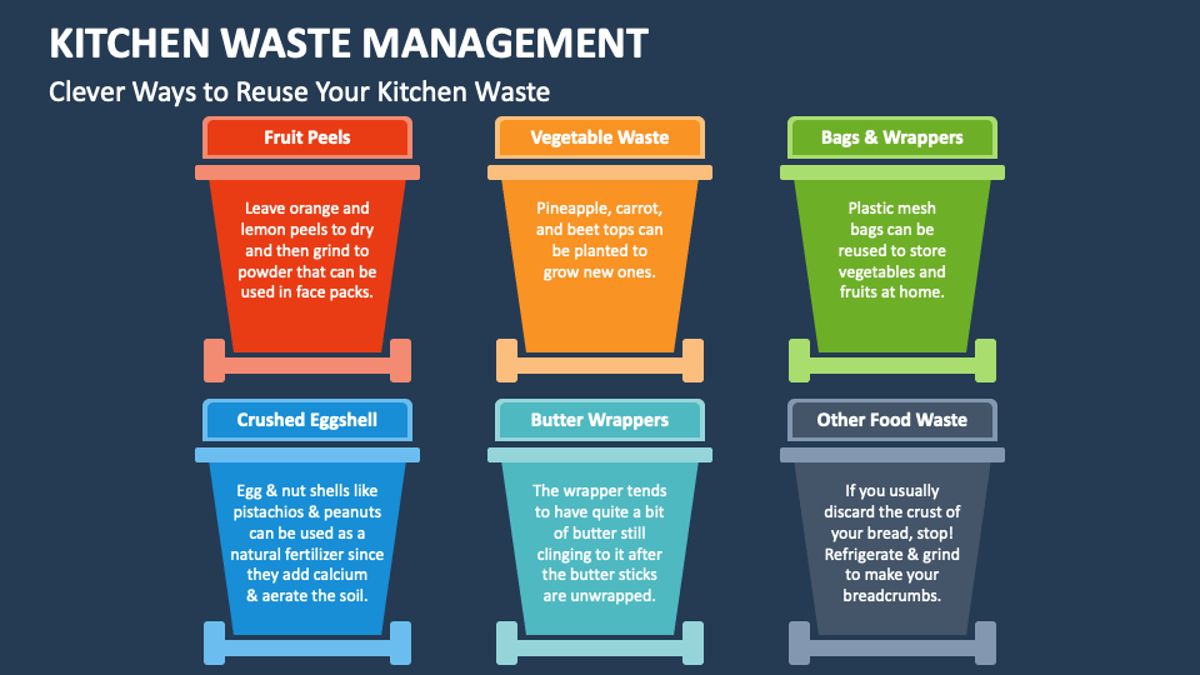
 The Ultimate Guide to Managing Kitchen Waste with Cyclonehaus Stuffer
 Home Decor
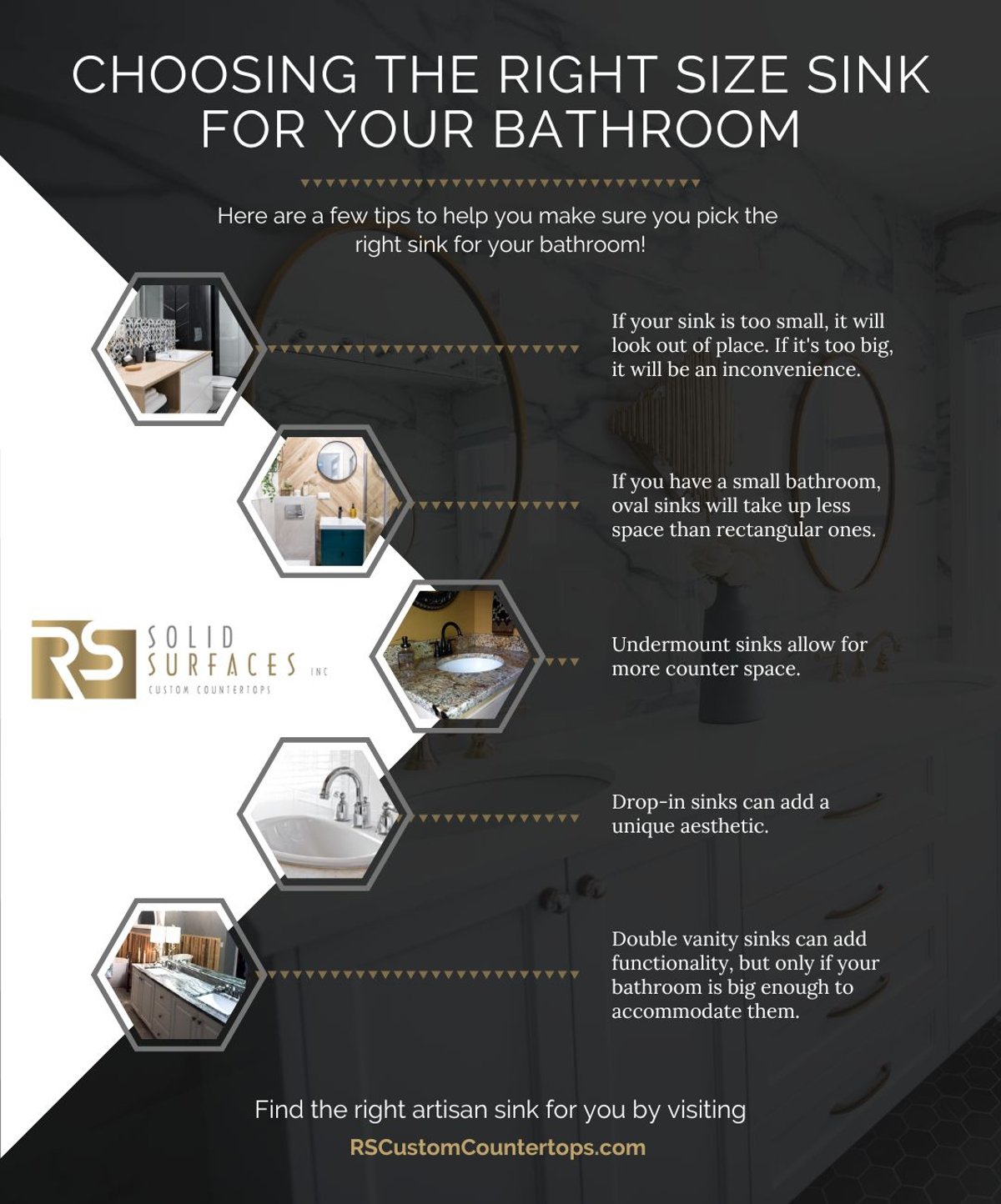
 The Art of Selecting the Right Bathroom Sink for Your Home
 Home Decor
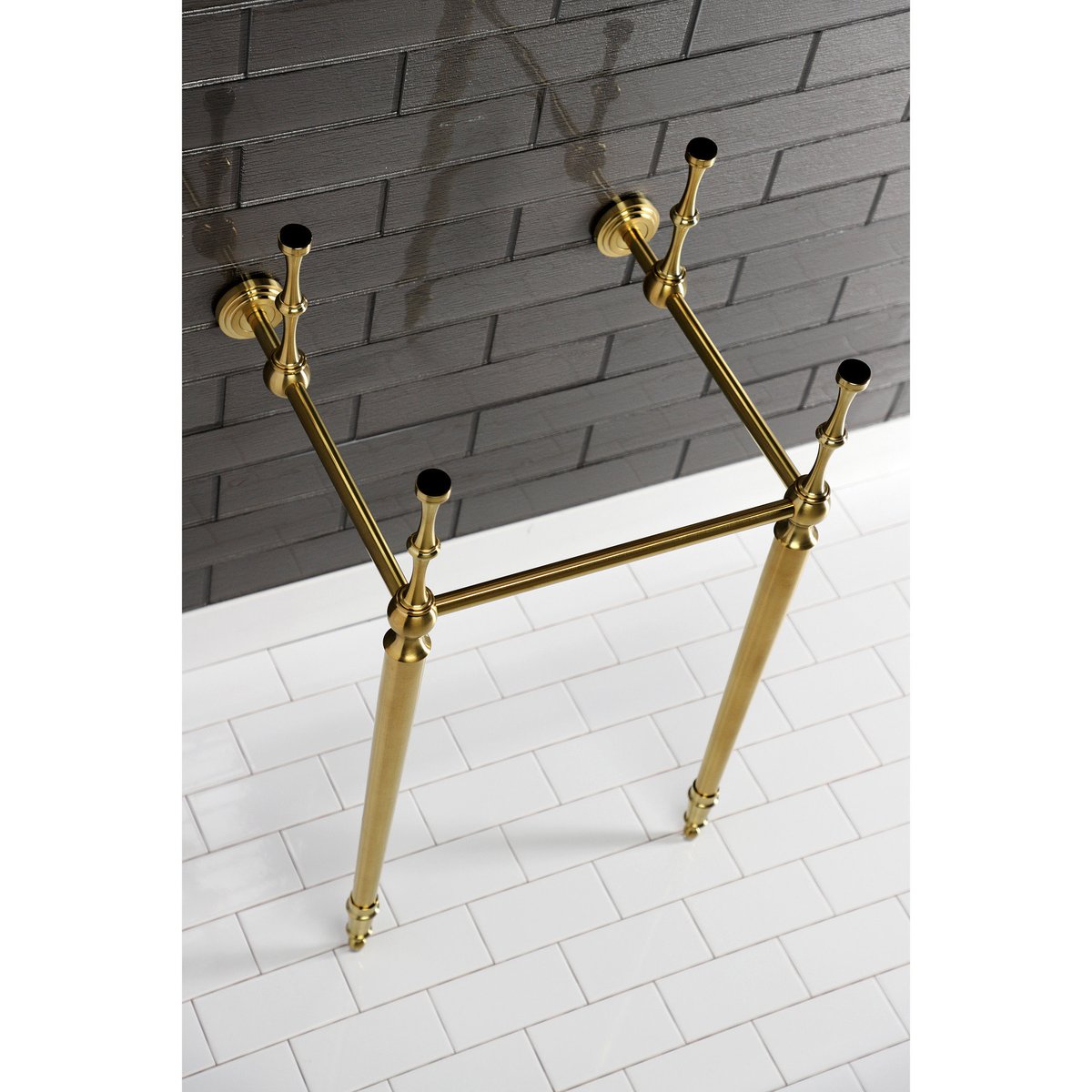
 Comparing Kingston Brass VPB1368 Console Legs with Other Premium Cabinet Hardware
 Home Decor