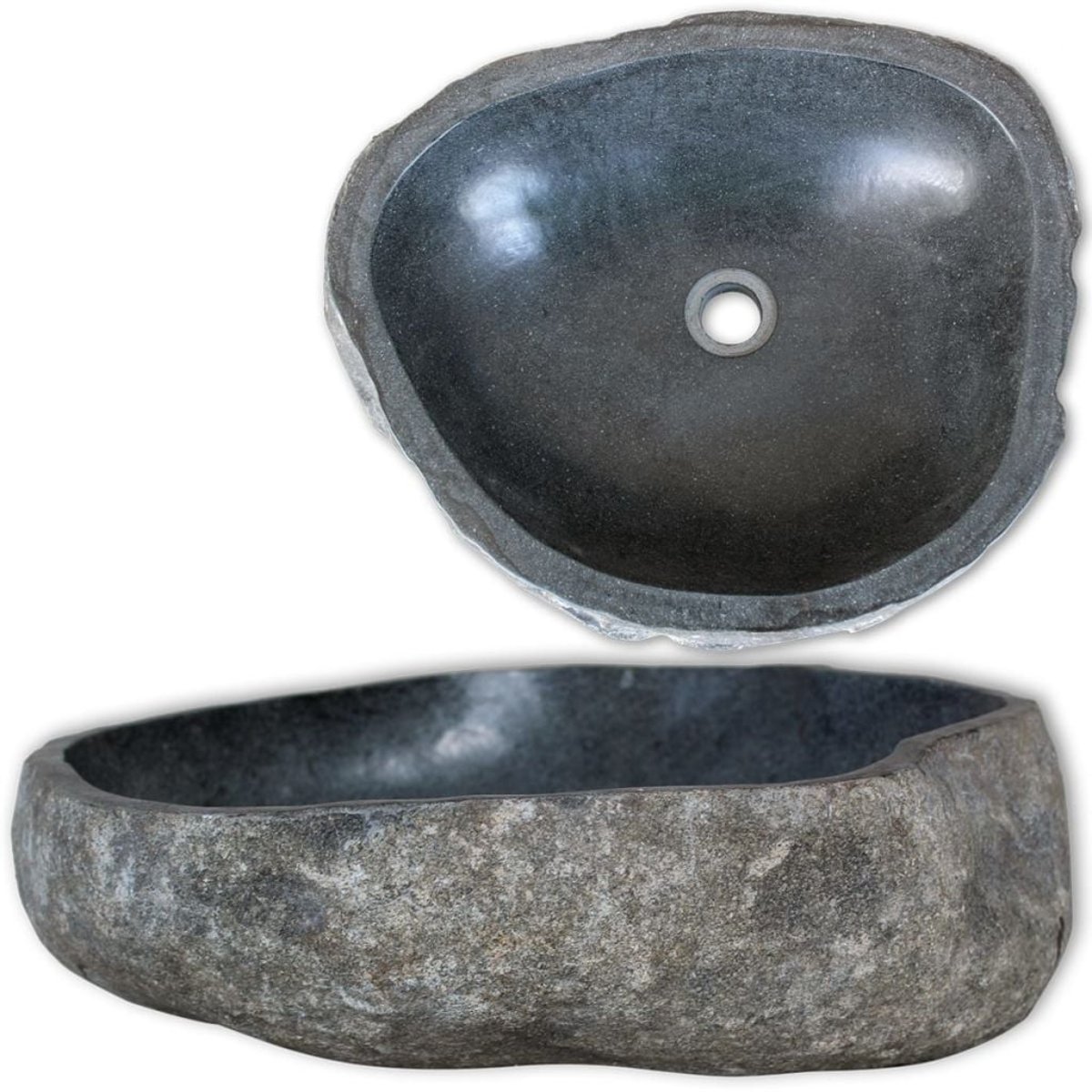
Imagine stepping into a bathroom where every element tells a story. The warm glow of natural stone catches the morning light, creating an atmosphere that feels both luxurious and grounded. This isn't just about aesthetics – it's about connecting with materials that have been shaping human spaces for millennia.
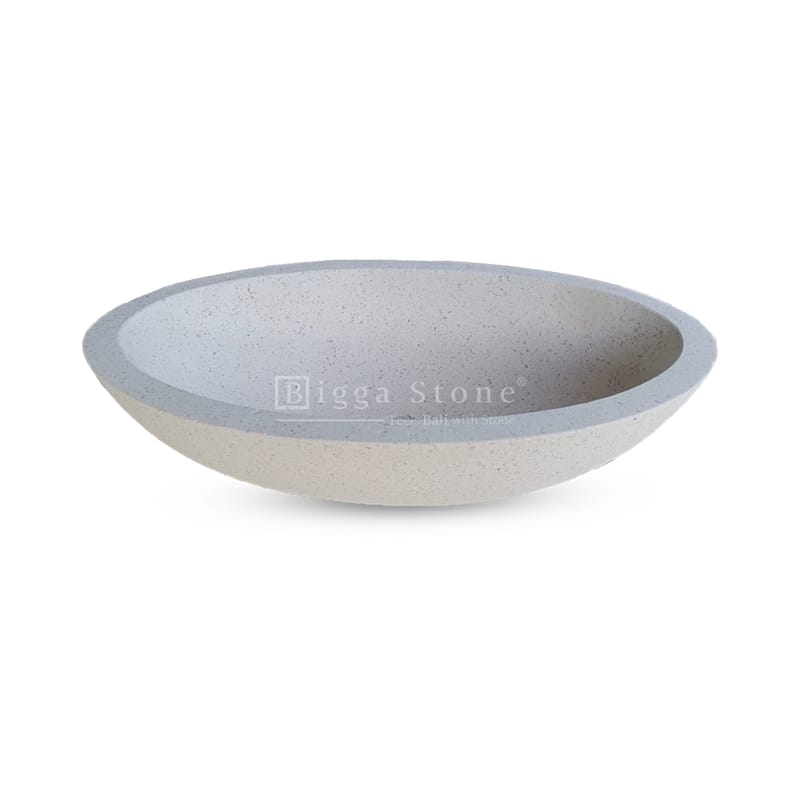
In today's world of fast design trends and mass-produced fixtures, there's something deeply satisfying about choosing a vanity sink that brings the outdoors in. Natural stone vanity sinks represent more than just a bathroom feature – they're statements about taste, durability, and connection to nature. Whether you're planning a full renovation or simply updating your current space, understanding what makes natural stone so special can guide your decision-making process. These aren't just sinks; they're conversation starters that add character and longevity to any bathroom.
The Unique Beauty of Natural Stone
Every piece of natural stone tells its own story. The veins, swirls, and variations in color create a one-of-a-kind appearance that no manufactured material can replicate. Unlike the uniform look of ceramic or porcelain, each natural stone vanity sink carries the geological history of its formation. You might find a granite sink with deep reds and golds that resemble a sunset, or a marble piece with subtle gray veining that looks like moonlight on water. This uniqueness means your bathroom won't look like anyone else's – even if you choose the same type of stone. The beauty isn't just skin-deep either; natural stone develops a patina over time, becoming richer and more complex with age. Think of it like wine – better with time. The irregularities in natural stone aren't flaws; they're features that add depth and visual interest. Some people love the dramatic contrast between light and dark areas, while others prefer the subtle elegance of muted tones. The key is finding the right balance that complements your overall bathroom aesthetic.
Durability That Stands the Test of Time
When you invest in a natural stone vanity sink, you're investing in longevity. Many natural stones like granite and quartzite are among the hardest materials found in nature, making them incredibly resistant to scratches, heat, and daily wear. A granite sink can handle the occasional pot or pan being placed directly inside without damage, something that would be impossible with softer materials. However, it's important to note that not all natural stones are created equal. Some, like certain marbles, are more porous and require regular sealing to maintain their integrity. The durability factor extends beyond physical strength. Natural stone doesn't fade under UV exposure like some synthetic alternatives, maintaining its rich colors year after year. The surface texture of natural stone also provides excellent grip, making it less slippery when wet compared to polished ceramic surfaces. This combination of strength and safety makes natural stone particularly appealing for family bathrooms where children play and adults work. Consider the practical implications: you won't need to replace your sink every few years due to wear and tear, saving money and reducing waste. The investment pays dividends in both functionality and peace of mind.
Versatility in Design and Installation
One of the most appealing aspects of natural stone vanity sinks is how easily they adapt to different design schemes. Whether your bathroom leans toward contemporary minimalism or traditional elegance, natural stone can accommodate various styles. The material works beautifully with both modern fixtures and classic hardware, bridging gaps between old and new. You can find natural stone sinks in countless shapes – rectangular, oval, round, and even custom designs that match unique vanity configurations. The installation process is surprisingly straightforward for professionals, though it does require careful attention to detail. Unlike some materials that might crack during installation, natural stone is typically quite forgiving. The key is working with experienced installers who understand how to properly support and secure stone fixtures. Some homeowners even choose to incorporate natural stone elements throughout their bathroom, using the same material for countertops, flooring, or accent walls. This creates a cohesive look that ties the entire space together. The versatility extends to maintenance too – while natural stone requires some upkeep, it's generally manageable with proper care and the right cleaning products. Many people appreciate that natural stone doesn't need frequent replacement or refinishing like some other materials do.
Environmental Benefits and Sustainability
Choosing natural stone for your vanity sink isn't just about personal preference – it's also an environmentally conscious decision. Natural stone is a renewable resource that's extracted from the earth rather than manufactured in factories. While mining does have environmental impacts, the longevity of natural stone means fewer replacements over time, ultimately reducing overall environmental footprint. Unlike synthetic materials that often contain chemicals or plastics, natural stone is completely non-toxic and safe for families. The manufacturing process for natural stone involves minimal energy consumption compared to creating artificial alternatives. Additionally, many natural stone suppliers prioritize sustainable extraction methods and responsible sourcing practices. The material itself is biodegradable and recyclable, meaning it won't contribute to landfill waste decades from now. Some stone varieties are even certified as sustainable by environmental organizations. When you think about it, a single natural stone sink could serve multiple generations of your family, making it a far more sustainable choice than temporary alternatives. The durability factor plays a crucial role here – you're not constantly replacing fixtures, which reduces demand for new materials and the associated environmental costs of production.
Cost Considerations and Value Proposition
Natural stone vanity sinks come with a price tag that reflects their premium quality and unique characteristics. However, when you consider the long-term value, the investment often proves worthwhile. The initial cost varies widely depending on the type of stone, size, and complexity of the design. High-end granite or marble options can be quite expensive, but there are also more affordable natural stone alternatives that offer similar benefits. The key is balancing your budget with your desired outcome. Many homeowners find that natural stone pays for itself over time through reduced replacement costs and increased property value. Real estate experts often note that homes featuring natural stone elements tend to sell faster and at higher prices. The resale value boost comes from the perceived quality and sophistication that natural stone brings to a home. Some people also appreciate that natural stone doesn't go out of style quickly – unlike trendy finishes that may look dated in a few years. It's worth noting that while natural stone is durable, it does require some ongoing care and maintenance. This includes periodic sealing and gentle cleaning with appropriate products. The maintenance costs are generally modest compared to the benefits received. Consider it an investment in your home's future rather than just a bathroom upgrade.
Maintenance and Care Tips
Proper care ensures your natural stone vanity sink remains beautiful for decades. The most important step is applying a quality sealer regularly – usually every 1-2 years depending on usage. This protects against stains and maintains the stone's natural luster. Always clean up spills immediately, especially acidic substances like lemon juice or wine that can etch certain stones. Use gentle, pH-neutral cleaners specifically designed for natural stone surfaces. Avoid harsh chemicals or abrasive scrubbers that might damage the finish. For daily cleaning, a soft cloth and mild soap solution work wonderfully. The beauty of natural stone is that it ages gracefully – it develops a beautiful patina over time that many people find attractive. Some stains can be removed with specialized treatments, but prevention is always better than cure. Consider placing coasters or trivets under hot items to protect the surface. Regular inspection helps catch small issues before they become major problems. Professional cleaning services are available for deeper maintenance, though routine care at home is usually sufficient. Remember that natural stone is porous, so avoiding prolonged contact with water and acidic substances will preserve its appearance. The investment in proper care pays off in maintaining the sink's beauty and functionality for many years.
Natural stone vanity sinks represent more than just a bathroom fixture – they're a statement about quality, durability, and timeless design. Whether you're drawn to the unique beauty of each piece, the long-term value they provide, or the environmental benefits of choosing a natural material, these sinks offer compelling advantages over conventional alternatives. The key is understanding what you want from your bathroom space and selecting a stone that matches your lifestyle and aesthetic preferences. With proper care and selection, a natural stone vanity sink can transform your bathroom into a sophisticated retreat that brings joy for years to come. The appeal isn't just visual – it's about creating a space that feels connected to the natural world while providing reliable function. Every time you look in the mirror, you'll see not just your reflection, but the enduring beauty of materials that have shaped human spaces for thousands of years. This isn't just about following trends – it's about choosing elements that will stand the test of time.
Related Posts
 Home Decor
 Exploring the Design Elements of Cosa 48I01 86100 Square White Tile
 Home Decor
 The Role of Material Quality in Kingston Brass KVBH25227W8B Bathroom Fixture Longevity
 Home Decor
 The Ultimate Guide to Managing Kitchen Waste with Cyclonehaus Stuffer
 Home Decor
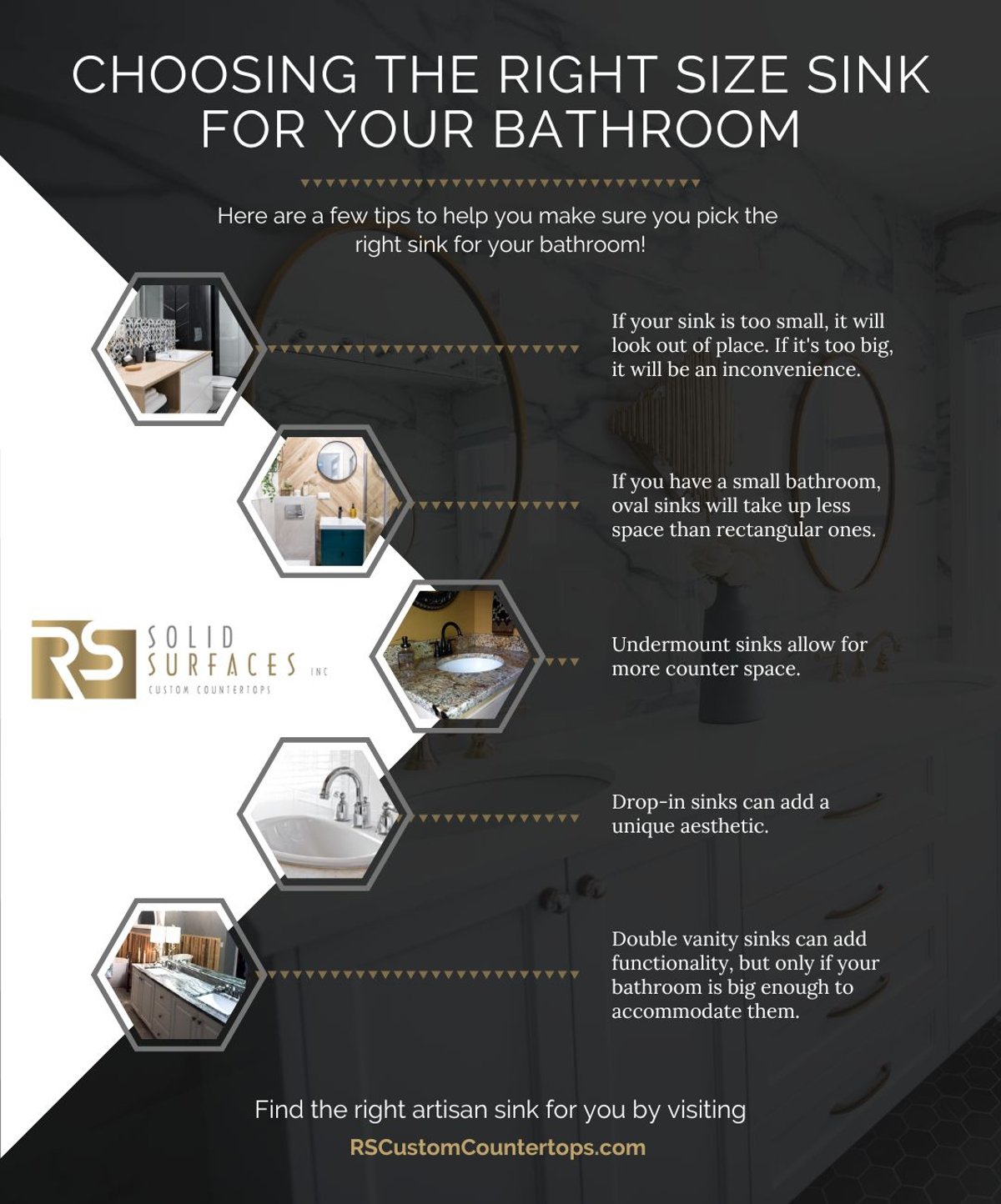
 The Art of Selecting the Right Bathroom Sink for Your Home
 Home Decor
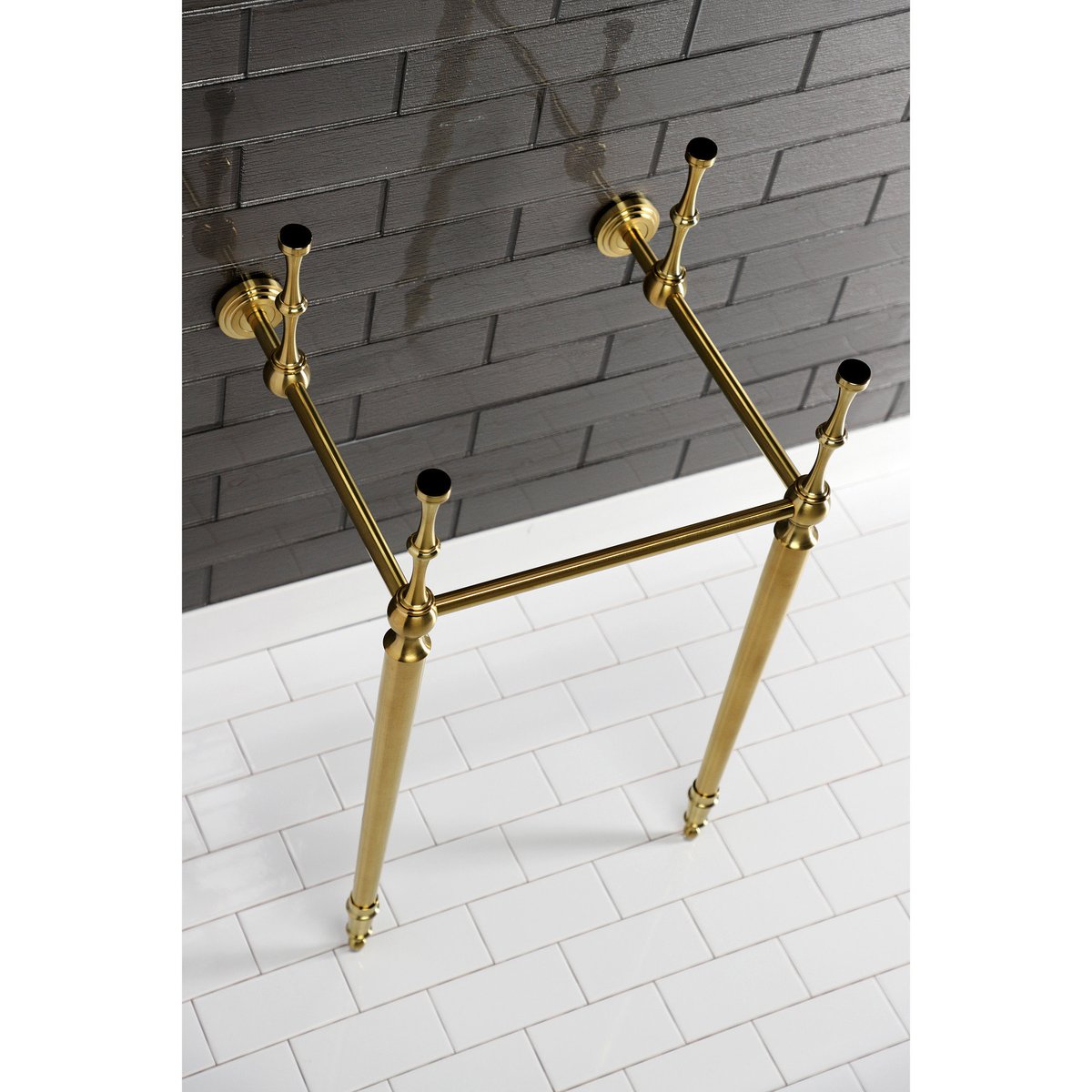
 Comparing Kingston Brass VPB1368 Console Legs with Other Premium Cabinet Hardware
 Home Decor