Imagine walking into a bathroom and feeling completely at home, regardless of your mobility needs. That's what modern accessible bathroom hardware aims to provide. It's not just about meeting regulations anymore – it's about creating spaces where everyone can move with dignity and ease. The journey from basic accessibility to thoughtful design tells us a lot about how society's understanding of inclusion has evolved.
Bathrooms have always been spaces of personal care and privacy, but they've also been places where accessibility barriers have created significant challenges for people who use wheelchairs. What used to be simple fixtures like faucets and toilets have now become complex engineering solutions designed to meet diverse needs. This transformation reflects broader changes in our society's approach to inclusion, where accessibility isn't an afterthought but a fundamental consideration. The evolution of wheelchair-accessible bathroom hardware shows us how thoughtful design can remove obstacles while maintaining beauty and functionality. Think about how many times you've had to adjust your routine because of a poorly designed fixture – now imagine that happening daily for someone whose mobility depends on every detail working perfectly.
Early Days of Accessibility
In the early decades, bathroom accessibility was often an oversight rather than a planned feature. Most bathrooms were built with standard dimensions and layouts that simply didn't accommodate wheelchair users. The first attempts at making bathrooms more accessible usually involved adding ramps or widening doorways, but the actual fixtures remained unchanged. Picture a bathroom from the 1960s – narrow counters, high-mounted fixtures, and no thought given to the space needed for a wheelchair to maneuver. These early approaches were reactive rather than proactive, addressing problems only when they became obvious rather than anticipating them. The few accessible features that existed were often poorly implemented, making them more of a hindrance than a help. For instance, some early grab bars were mounted too low or positioned in ways that made them useless for support. Many designers and architects at that time viewed accessibility as an inconvenience rather than an opportunity to improve design for everyone.
The Shift Toward Universal Design
The 1980s and 1990s marked a turning point. The concept of universal design began to take root, pushing designers to consider how products could work for people of all abilities from the start. This shift meant that bathroom hardware wasn't just about helping wheelchair users – it was about creating better experiences for everyone. Features like lever handles instead of knobs made sense for people with arthritis, while adjustable-height sinks helped both children and adults. The idea was that good design should be inclusive by nature, not something added later. As one designer put it, 'If you make something work well for the person with the most limitations, it will work well for everyone else too.' This philosophy led to innovations that might seem simple today but were revolutionary then. Consider how a single lever handle replaced the complex twist mechanisms that many people found difficult to operate. Universal design principles became the foundation for creating bathroom spaces that could serve the widest possible range of users without compromising style or function.
Key Innovations in Fixtures
Modern bathroom hardware includes several breakthrough innovations that have changed everything. Low-flow toilets with soft-close mechanisms make them safer and easier to use. Faucets with touchless operation reduce the need for fine motor control. Adjustable-height vanities allow for customization based on individual needs. Let's look at some specific examples. The development of wall-mounted fixtures reduced the risk of tripping over pipes and created more open floor space. Anti-scald valves prevent dangerous temperature fluctuations that can happen with traditional fixtures. Some manufacturers now offer bathroom hardware specifically designed for wheelchair users, including transfer stations and specialized seating options. These aren't just about compliance – they're about making daily routines less stressful and more manageable. For example, a toilet with integrated grab bars and a higher seat height can make the difference between a frustrating experience and a comfortable one. The attention to detail in these designs shows how much thought goes into ensuring safety and comfort.
Technology Integration
Today's accessible bathroom hardware incorporates smart technology in ways that previous generations couldn't have imagined. Sensors can automatically turn on lights or activate water flow, reducing the need for manual operation. Voice-activated controls let people manage their environment hands-free. Smart showers can be programmed to maintain preferred temperatures and pressure levels. These technologies don't just make life easier – they provide independence and confidence. One bathroom owner shared how a sensor-activated faucet eliminated the stress of having to remember to turn off water manually. Another mentioned how a smart shower system allowed them to enjoy a relaxing bath without worrying about temperature changes. The integration of technology means that accessibility features can be more discreet and elegant. It also opens possibilities for customization that weren't available before. Imagine being able to adjust lighting, temperature, and even music volume all from one intuitive interface. These innovations represent the future of inclusive design, where technology serves to enhance rather than complicate daily routines.
Materials and Durability Concerns
Beyond functionality, the materials used in accessible bathroom hardware have evolved significantly. Modern fixtures are built to last longer and resist wear better than earlier versions. Stainless steel and solid surface materials have replaced many of the cheaper alternatives that could rust or deteriorate quickly. This durability matters especially for high-use environments like hospitals or senior living facilities. Some manufacturers now offer warranties specifically for accessibility features, recognizing that these components face unique stresses. The choice of materials also affects maintenance requirements – easy-to-clean surfaces are essential for hygiene reasons. Consider how a smooth, non-porous surface prevents bacteria buildup compared to textured finishes that trap dirt and germs. Additionally, the weight capacity of fixtures has increased dramatically, allowing for more robust construction that can handle various usage patterns. These improvements mean that accessible bathroom features don't just work better – they also provide better value over time.
Future Trends and Predictions
Looking ahead, we're seeing exciting developments that promise to make bathrooms even more accessible. Modular systems allow for easy reconfiguration as needs change over time. Smart mirrors with built-in lighting and health monitoring capabilities are becoming more common. Some companies are experimenting with adaptive furniture that can change height and position automatically. The focus is shifting toward creating truly flexible spaces that can adapt to different users and situations. There's also growing interest in incorporating biophilic elements – natural materials and lighting that improve mental wellbeing. One promising area involves using artificial intelligence to predict user needs and adjust environmental conditions accordingly. Imagine a bathroom that learns your preferences and adjusts automatically each morning. These future developments suggest that accessibility won't just be about meeting minimum standards – it'll be about creating exceptional experiences that benefit everyone. The trend toward customization means that people can have hardware that fits their exact needs rather than settling for generic solutions.
The journey from basic accessibility to sophisticated inclusive design represents more than just technical advancement – it's a reflection of our evolving values and understanding of human dignity. Every innovation in wheelchair-accessible bathroom hardware tells a story of people working together to solve problems and improve lives. From the simple lever handle to the complex smart bathroom systems, each improvement makes a real difference in daily living. The fact that these changes have happened gradually, building on each other, shows how important it is to keep thinking about accessibility in new ways. Whether you're designing a bathroom for someone who uses a wheelchair or simply want to create a space that works well for everyone, the lessons from this evolution are clear: good design is inclusive design. As we continue to learn and grow, the bathroom of tomorrow promises to be even more welcoming and functional for all users. The best part? These advances don't just help people with disabilities – they make life better for everyone.
Related Posts
 Home Decor
 Exploring the Design Elements of Cosa 48I01 86100 Square White Tile
 Home Decor
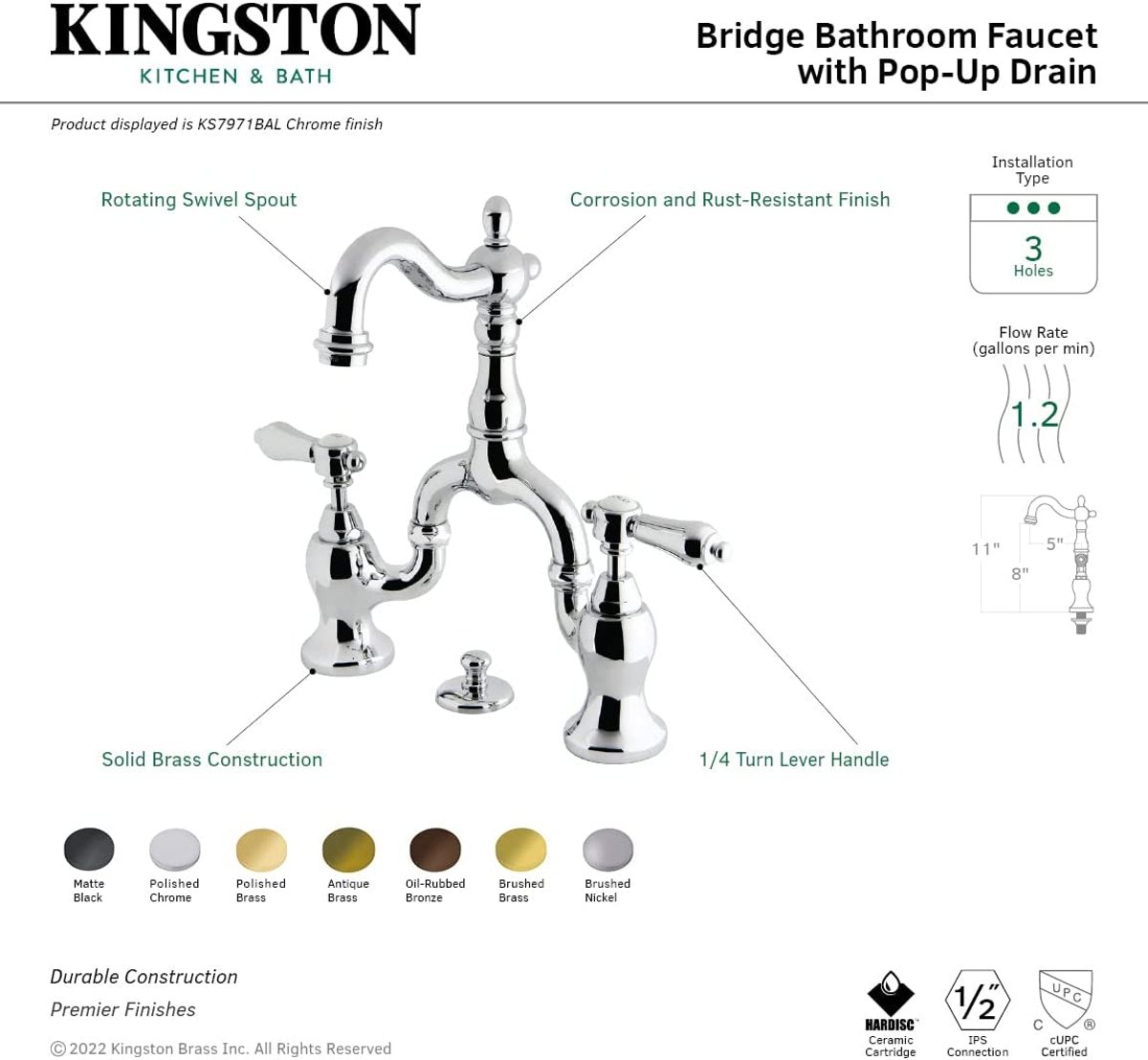
 The Role of Material Quality in Kingston Brass KVBH25227W8B Bathroom Fixture Longevity
 Home Decor
 The Ultimate Guide to Managing Kitchen Waste with Cyclonehaus Stuffer
 Home Decor
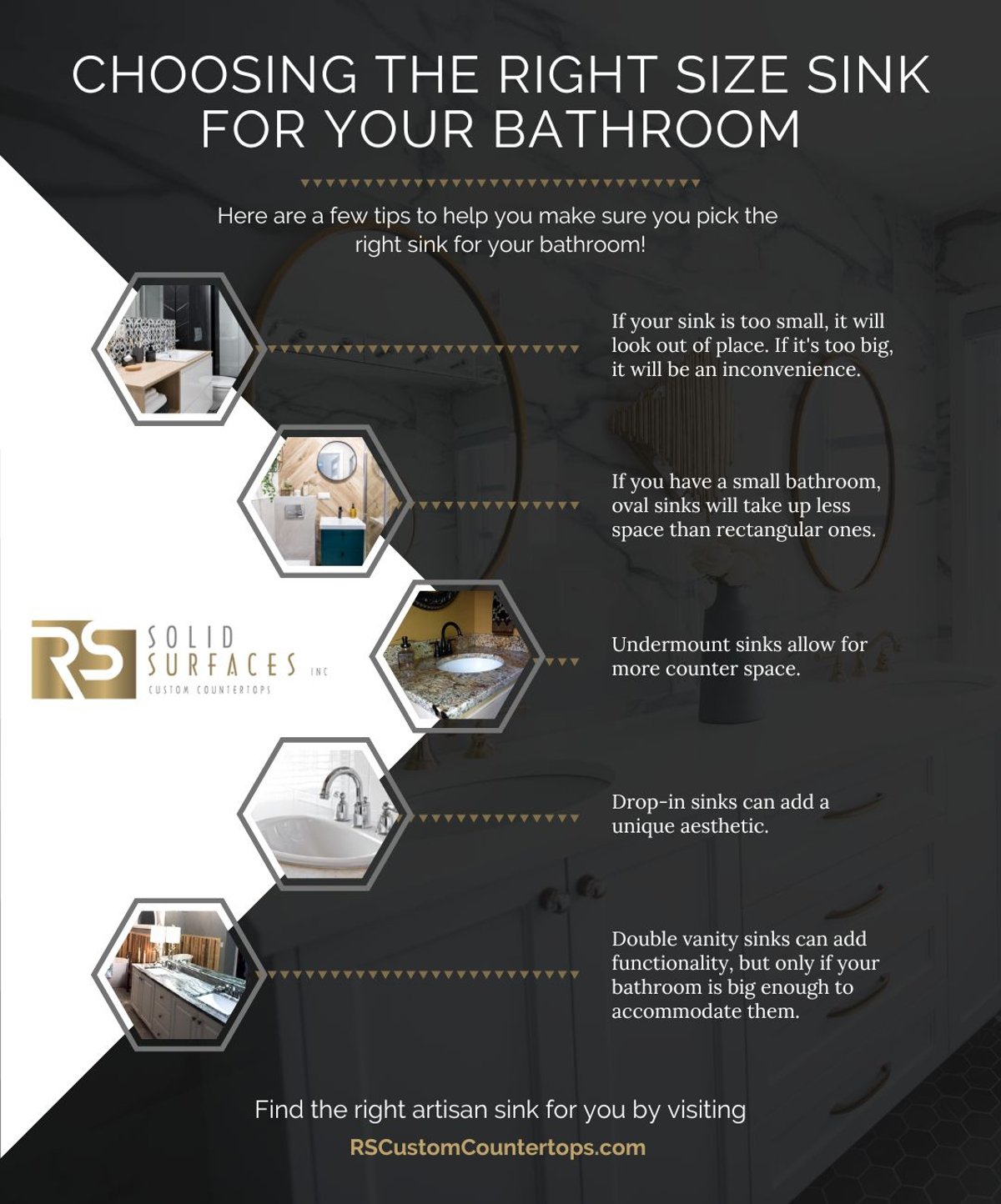
 The Art of Selecting the Right Bathroom Sink for Your Home
 Home Decor
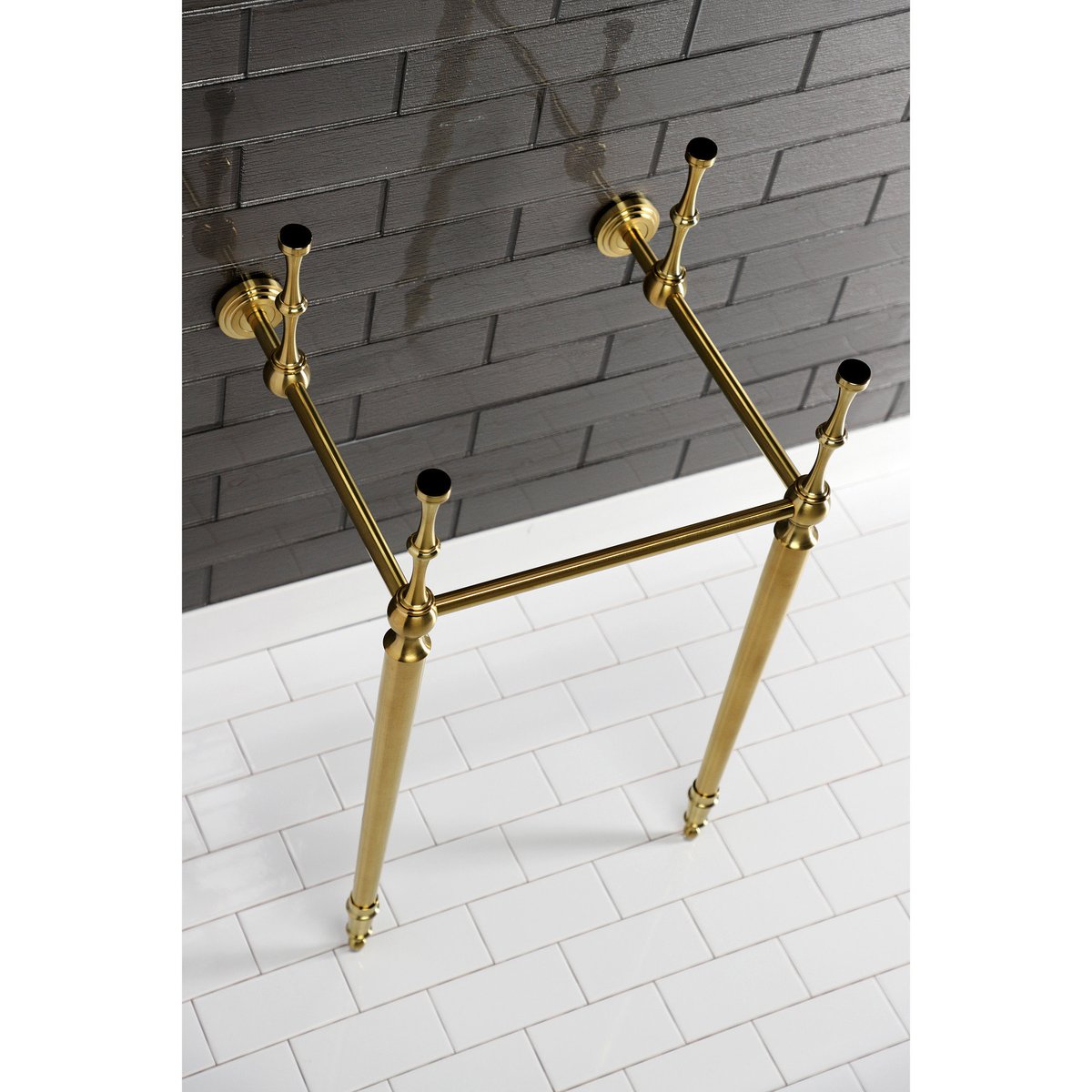
 Comparing Kingston Brass VPB1368 Console Legs with Other Premium Cabinet Hardware
 Home Decor