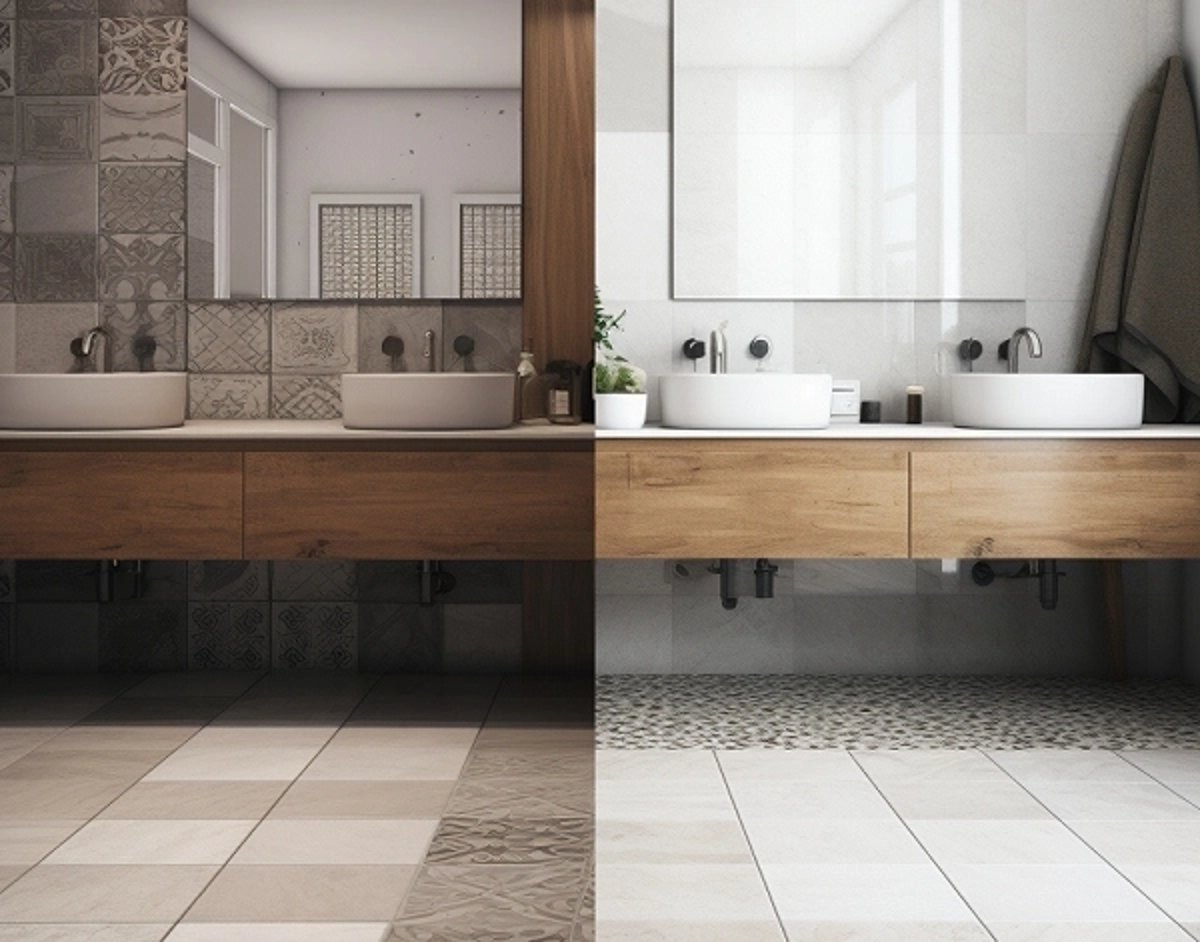
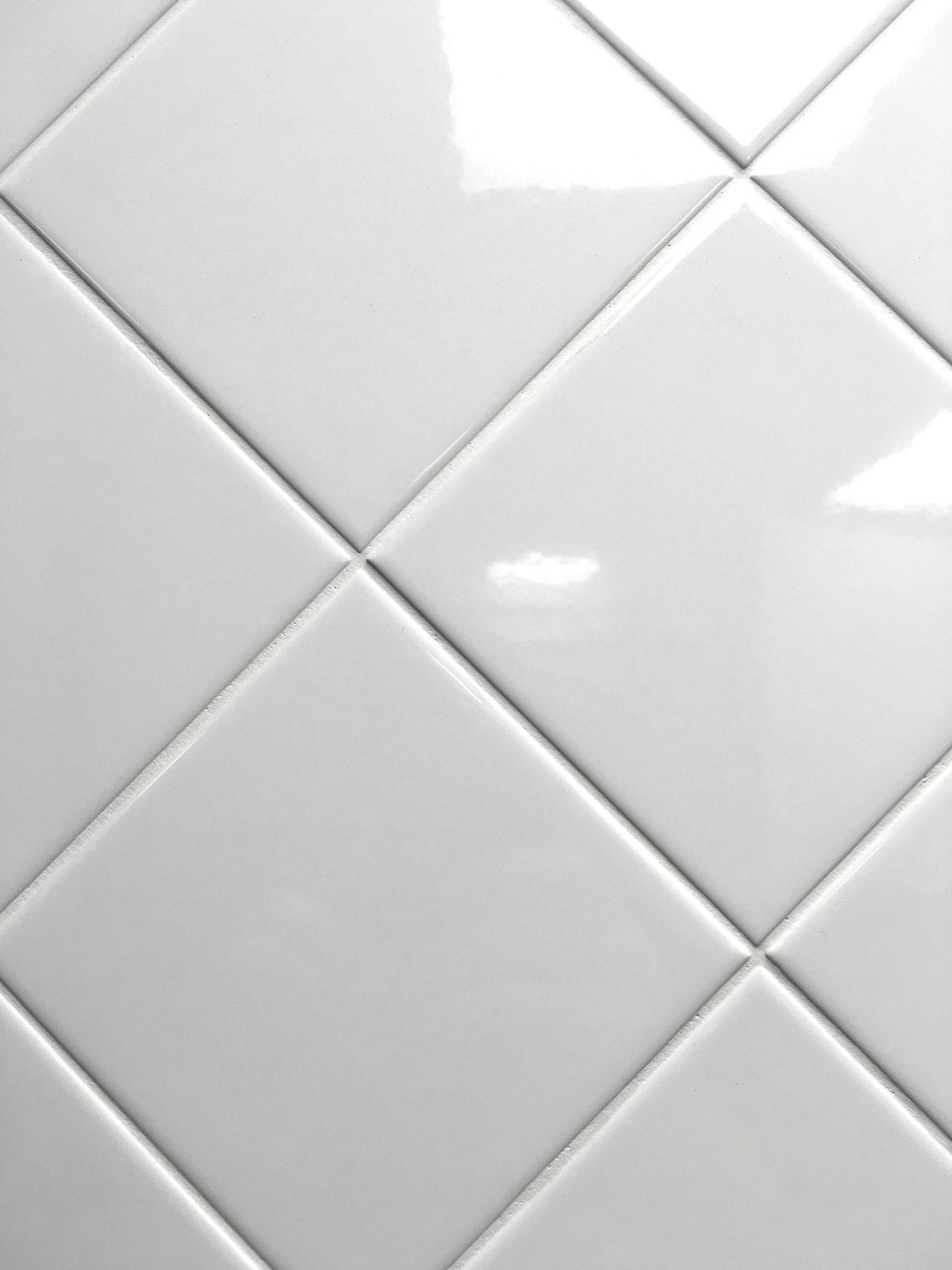
There's something special about the clean, fresh look of glossy white ceramic in any bathroom. Whether it's a gleaming vanity top, a classic toilet bowl, or a sparkling shower wall, these pieces bring both style and functionality to our daily routines. But keeping them looking their absolute best requires more than just regular cleaning. It demands understanding, attention, and a few smart techniques that can make all the difference between a spotless surface and one that's starting to show its age.
White ceramic has been a staple in bathrooms for decades, and for good reason. Its clean aesthetic, durability, and timeless appeal make it a favorite among homeowners and designers alike. However, the glossy finish that makes these pieces so appealing also makes them prone to showing water spots, soap scum, and general wear. Without proper care, even the most beautiful white ceramics can start to look dull and tired. The good news? With the right approach, these surfaces can maintain their shine and beauty for years to come. This guide will walk you through everything you need to know about preserving your glossy white ceramic bathroom pieces, from daily maintenance to deeper cleaning techniques.
Understanding Your Ceramic Surface
Before diving into cleaning methods, it's important to understand what you're working with. Glossy white ceramic is made from clay that's fired at high temperatures, creating a hard, non-porous surface. This means it's resistant to stains and bacteria, but it also means that any scratches or chips can be quite visible. The glossy finish comes from a glaze applied during manufacturing, which gives the surface its characteristic shine and makes it easy to clean. However, this same glaze can be susceptible to etching from acidic cleaners or harsh scrubbing. When you're dealing with a ceramic piece, whether it's a sink, bathtub, or tile, knowing how it's constructed helps you avoid damage while maximizing its lifespan. Think of it like caring for a delicate painting – you want to use the right tools and approach to preserve its beauty.
Daily Maintenance Practices
The secret to keeping your glossy white ceramic looking fresh lies in consistent, gentle daily habits. Start with simple routines that prevent buildup rather than trying to tackle major issues later. After each use, wipe down surfaces with a soft cloth or sponge to remove water droplets and prevent mineral deposits. Pay special attention to areas around faucets and fixtures where water tends to pool. Using a squeegee after showers can be a game-changer for maintaining that showroom shine. For daily cleaning, mild soap and warm water usually do the trick. You can also use a microfiber cloth for polishing – it removes fingerprints and light smudges without scratching the surface. Avoid using abrasive cleaners or scrub brushes on glossy surfaces. They might seem effective, but they can actually dull the finish over time. Instead, focus on prevention and gentle maintenance. These small actions add up to big results in terms of appearance and longevity.
Weekly Deep Cleaning Routine
While daily maintenance keeps things looking good, weekly deep cleaning is necessary to tackle accumulated grime and maintain the surface's luster. This is where your routine gets a bit more thorough. Start by mixing a solution of warm water and mild dish soap. Apply this to the ceramic surface and let it sit for a few minutes to break down soap scum and oils. Then, use a soft sponge or cloth to gently scrub. For stubborn stains, you might need to use a non-abrasive cleaner specifically designed for ceramic surfaces. Remember to always test any new product on a hidden area first. Rinse thoroughly with clean water and dry completely with a soft towel. This prevents water spots and maintains the glossy appearance. Don't forget to clean the grout lines between tiles if you have them – they tend to collect dirt and can make the whole space look dingy. Weekly cleaning becomes a ritual that helps preserve the integrity of your ceramic surfaces and keeps them looking like new.
Dealing with Stains and Spots
Stains on glossy white ceramic can be frustrating, especially when they appear on surfaces that are meant to look pristine. The key is identifying the type of stain and using the appropriate removal method. Water spots are common and usually harmless – they're just mineral deposits left behind by hard water. They can often be removed with a mixture of equal parts white vinegar and water. For soap scum build-up, a paste made from baking soda and a little water works well. Gently rub it onto the affected area and rinse thoroughly. Organic stains like those from body products or hair dye may require a bit more effort. Try a commercial ceramic cleaner or a solution of lemon juice and salt for natural removal. Always remember to work in small sections and rinse well afterward. Some stains might require multiple treatments before they disappear completely. Patience is key – rushing the process can lead to damage or incomplete cleaning. If a stain persists despite your efforts, it might be time to consult a professional cleaner or consider whether the surface needs more intensive treatment.
Preventing Damage and Etching
One of the biggest threats to glossy white ceramic is damage from improper cleaning methods or harsh chemicals. Etching occurs when acidic substances like lemon juice, vinegar, or certain cleansers come into contact with the glaze surface. This creates tiny scratches that can dull the appearance and make cleaning harder. To protect against this, always check labels before using any cleaning product. Stick to pH-neutral cleaners that are safe for glazed surfaces. Never use bleach or ammonia-based products directly on ceramic, as they can cause irreversible damage. Also, avoid using metal scrubbers or harsh brushes that could scratch the surface. If you notice any etching or scratches, they can sometimes be buffed out with fine-grit sandpaper or specialized ceramic polish. But prevention is always better than cure. Keeping a supply of gentle, appropriate cleaners in your bathroom makes it easier to maintain your ceramic pieces without risk of damage. Regular inspections can help catch potential problems early before they become serious.
Seasonal Care and Special Considerations
Your ceramic bathroom pieces may face different challenges depending on the season. In winter, increased humidity can lead to more water spots and mineral deposits. During summer, higher temperatures might cause some cleaning products to evaporate too quickly, leaving residue. Hard water is a year-round concern that affects all ceramic surfaces. If you live in an area with particularly hard water, consider installing a water softener or using filtered water for cleaning. This simple step can significantly reduce the amount of mineral buildup you see. Additionally, seasonal changes might affect how often you need to clean certain areas. Bathrooms used more frequently during holidays or parties may require extra attention. Regular maintenance schedules should account for these variations. Don't forget to inspect your ceramic surfaces periodically for signs of wear or damage that might need attention. Keeping notes about what works best for your specific situation helps you adapt your cleaning routine over time.
Taking care of glossy white ceramic bathroom pieces isn't rocket science, but it does require consistency and the right approach. The beauty of these surfaces lies not just in their appearance, but in their ability to maintain that appearance with proper attention. From simple daily wipes to weekly deep cleans, every action contributes to the overall health of your ceramic fixtures. Understanding what makes these materials unique helps you avoid common mistakes that can lead to damage or dullness. Remember, prevention is always better than cure, and small daily habits compound into significant results over time. Whether you're dealing with a brand-new installation or an older piece that needs some tender loving care, following these principles will help you keep your ceramic bathroom looking fresh and inviting. The investment in proper care pays dividends in both aesthetics and longevity, ensuring that your bathroom remains a beautiful and functional space for years to come.



Related Posts
 Home Decor
 Exploring the Design Elements of Cosa 48I01 86100 Square White Tile
 Home Decor
 The Role of Material Quality in Kingston Brass KVBH25227W8B Bathroom Fixture Longevity
 Home Decor
 The Ultimate Guide to Managing Kitchen Waste with Cyclonehaus Stuffer
 Home Decor
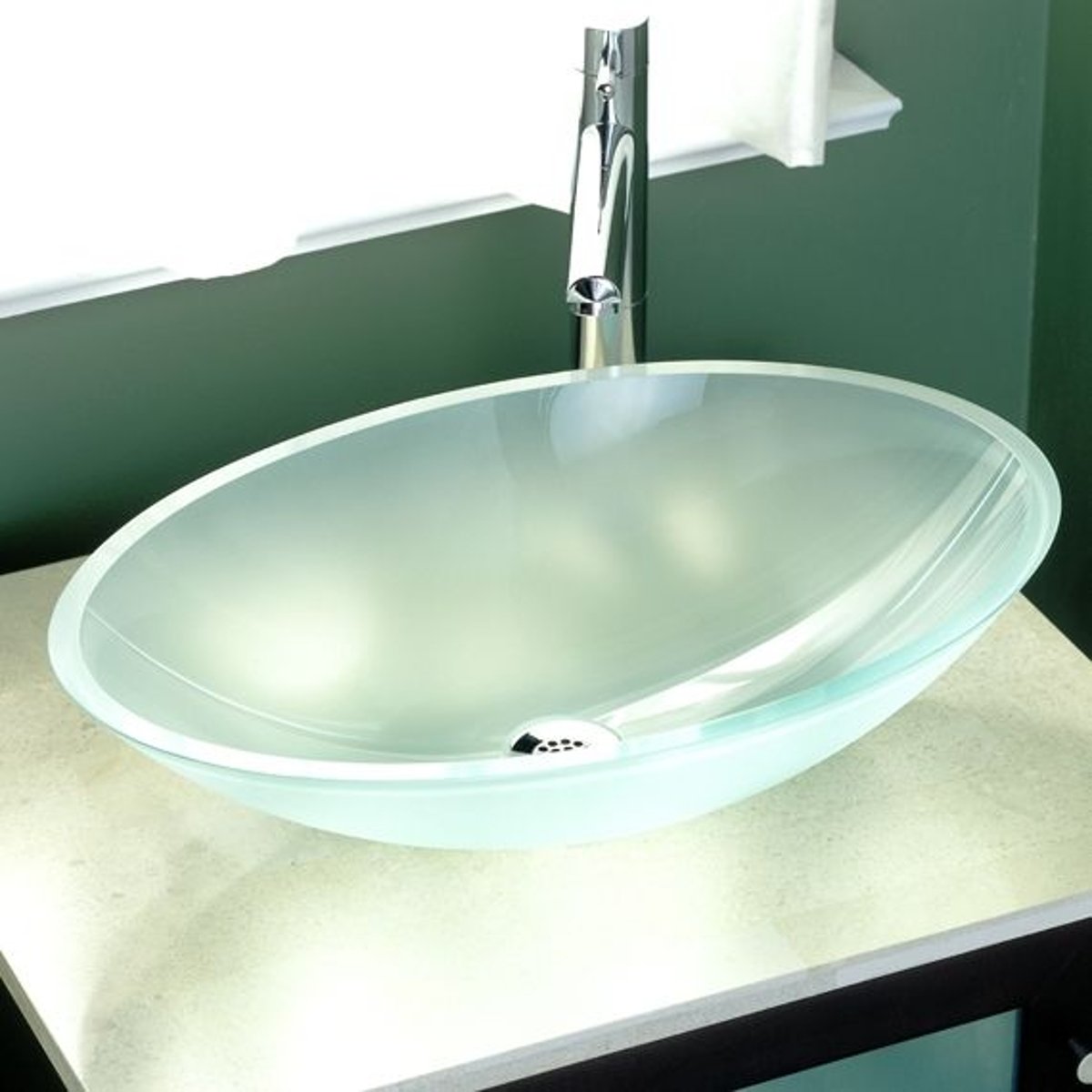
 The Art of Selecting the Right Bathroom Sink for Your Home
 Home Decor
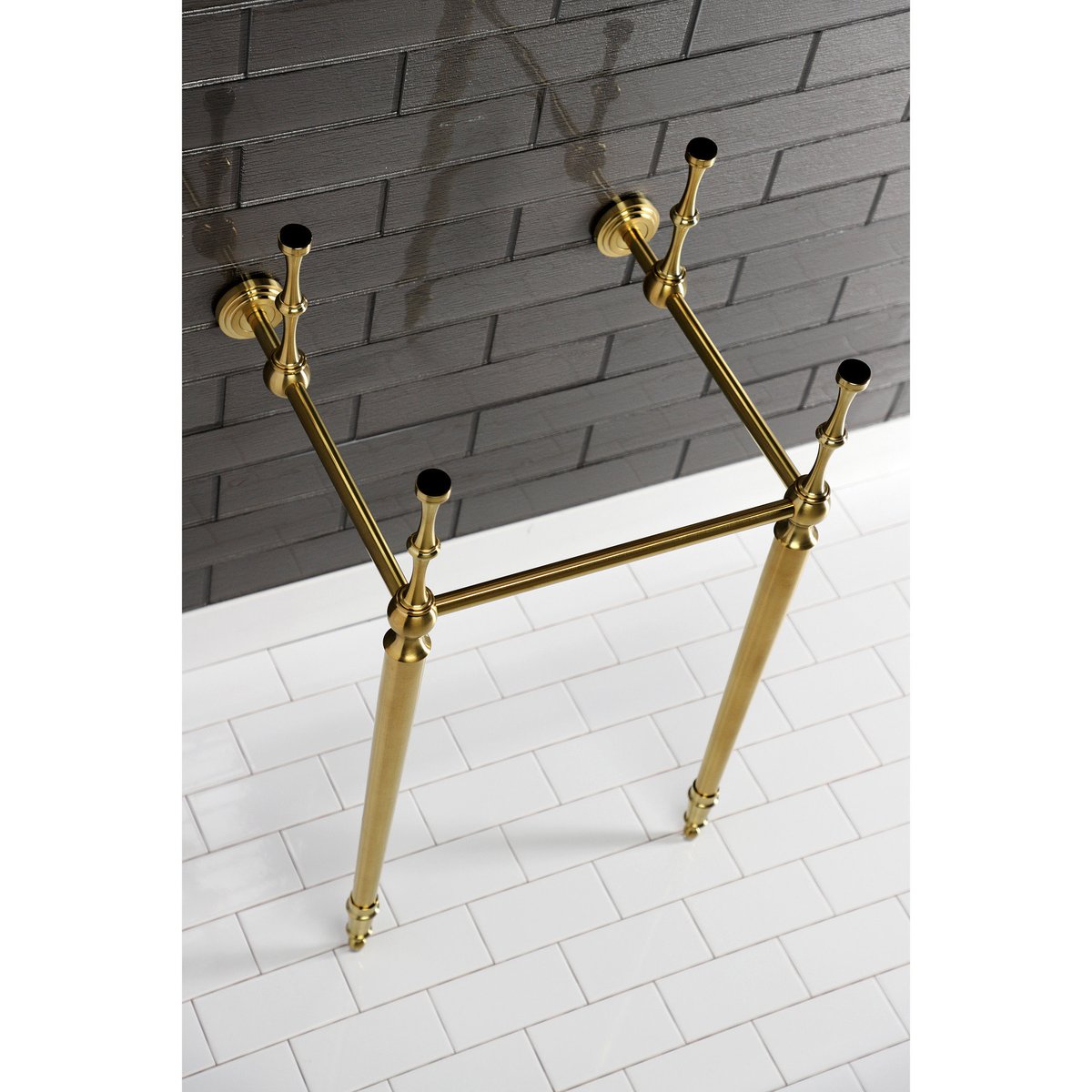
 Comparing Kingston Brass VPB1368 Console Legs with Other Premium Cabinet Hardware
 Home Decor