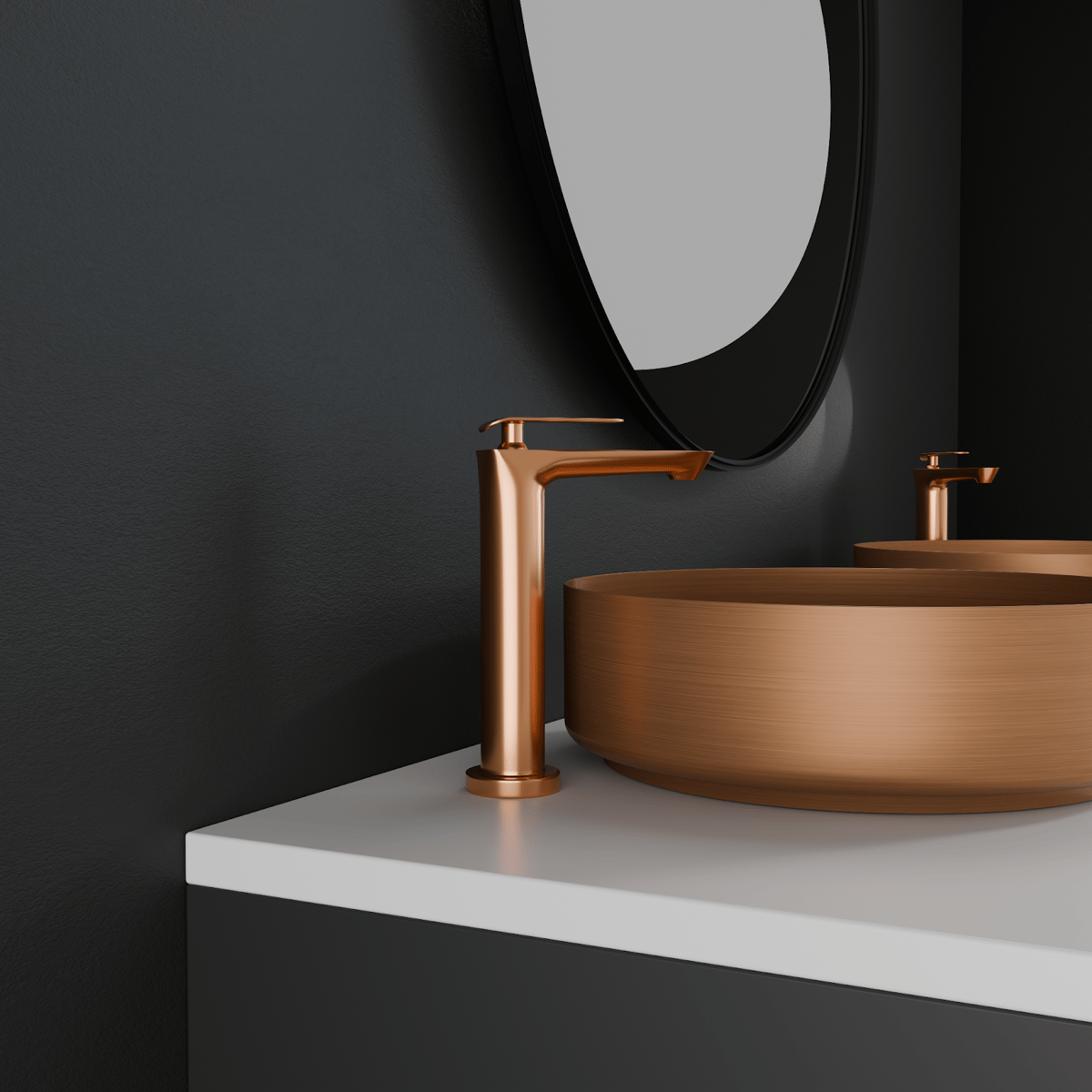
Every great bathroom starts with thoughtful material selection. When it comes to high-end fixture sets, the choices you make today will determine how your space looks and functions for years to come. The right materials don't just look beautiful—they stand up to daily wear, resist corrosion, and create an environment that feels both luxurious and practical.
Think about the last time you stepped into a bathroom that truly impressed you. Maybe it was the way light reflected off polished brass fixtures, or how sleek stainless steel made everything feel modern and clean. These moments often come down to one thing: smart material choices. In the world of luxury bathroom design, every element matters—from faucets and showerheads to tubs and vanities. The materials you select aren't just about looking good; they're about creating something that lasts, performs well, and enhances your daily routine.
Understanding the Core Material Categories
When it comes to high-end bathroom fixtures, there are several major categories that dominate the market. Let's break them down simply. Metals like brass, bronze, and stainless steel offer durability and classic appeal. They've been trusted for decades because they're strong, resistant to rust, and age beautifully. Then we have ceramics and porcelain, which provide smooth surfaces and excellent hygiene properties. These materials are often chosen for their ability to stay clean and resist stains. Glass and acrylic offer unique aesthetic possibilities, particularly when it comes to modern designs. They can create a sense of spaciousness and elegance. Finally, composite materials combine the benefits of multiple substances to deliver performance that's hard to match with single materials alone.
Brass and Bronze: Timeless Choices for Enduring Beauty
Brass and bronze have long held their place as favorites among luxury bathroom designers. These metals are incredibly versatile, offering a warm, rich appearance that never goes out of style. Brass is known for its strength and resistance to corrosion, especially when properly finished. It develops a beautiful patina over time, which many homeowners find appealing. Bronze, on the other hand, offers even greater durability and is often used in high-traffic areas. Both metals can be finished in various ways—polished, brushed, or antique—to suit different design aesthetics. When choosing brass or bronze fixtures, consider the finish carefully. A polished finish creates a bright, classic look, while a brushed finish provides a more contemporary feel with less shine. An antique finish adds character and history to any space.
Stainless Steel: Modern Elegance Meets Practicality
In recent years, stainless steel has gained popularity in luxury bathrooms, particularly in contemporary settings. This material brings a clean, industrial look that many find appealing. Stainless steel is incredibly durable and resistant to corrosion, making it ideal for humid bathroom environments. It's also easy to clean and maintain, which makes it practical for busy households. The material can be finished in various ways—from matte to polished—which allows for creative expression. One important consideration is that stainless steel can show fingerprints and water marks more easily than other materials. However, this can actually be seen as a feature by some, adding texture and visual interest to the space. The key is choosing a high-quality grade of stainless steel and maintaining it properly.
Ceramic and Porcelain: Hygiene and Smooth Surfaces
Ceramic and porcelain continue to be popular choices for bathroom fixtures due to their excellent hygiene properties and smooth finishes. These materials are non-porous, which means they resist bacteria growth and are easy to keep clean. Porcelain, in particular, is known for its strength and resistance to chipping. Both materials can be glazed to create a wide range of colors and textures. They're also highly customizable, allowing for intricate designs and detailed work. Many high-end manufacturers use advanced glazing techniques to create finishes that are both beautiful and functional. Ceramic and porcelain are especially good for items that see frequent use, like sinks and tubs. They handle temperature changes well and maintain their appearance over time.
Glass and Acrylic: Creating Light and Space
Glass and acrylic materials bring a unique quality to luxury bathroom design—they create a sense of openness and brightness. Glass fixtures, whether used for shower doors or decorative elements, allow light to flow through the space, making even small bathrooms feel larger. Acrylic, on the other hand, offers flexibility in shape and form. It's lighter than glass and can be molded into complex curves and designs. Both materials can be transparent, translucent, or opaque, giving designers many options. However, these materials require careful maintenance to prevent water spots and streaking. Glass needs regular cleaning to maintain clarity, while acrylic may need special care to avoid scratches. Despite these considerations, the visual impact of glass and acrylic can transform a bathroom from ordinary to extraordinary.
Composite Materials: The Best of Multiple Worlds
Composite materials represent a newer category that combines the best qualities of different substances. These materials might blend ceramic with resin, or metal with plastic components. They're designed to offer enhanced performance characteristics that individual materials cannot achieve alone. For example, some composite materials offer the beauty of natural stone with the durability of engineered products. Others combine the strength of metal with the smoothness of ceramic. These materials often come with warranties and are designed to be low maintenance. They can be particularly useful for fixtures that need to perform under stress, such as shower walls or bathtub surrounds. Composite materials are also becoming popular for vanity tops and countertops, offering a balance between aesthetics and function.
Making Smart Choices Based on Your Needs
Choosing the right materials for your bathroom isn't just about personal preference—it's about understanding how each material will perform in your specific situation. Consider factors like the humidity levels in your bathroom, how much use the fixtures will get, and what kind of maintenance you're willing to do. For example, if you live in a very humid climate, you'll want to prioritize materials that resist moisture damage. If your bathroom sees heavy use, you might prefer something that can handle daily wear without showing signs of aging quickly. Think about your lifestyle too. Do you prefer a traditional look or something more modern? Are you comfortable with frequent cleaning, or do you want materials that require minimal upkeep? The answers to these questions will guide your decision-making process.
Maintenance and Longevity Considerations
Every material has its own maintenance requirements, and understanding these upfront can save you time and money later. Brass and bronze fixtures may need occasional polishing to maintain their appearance, while stainless steel requires regular wiping to prevent water marks. Ceramics and porcelain are relatively low maintenance but can chip if dropped or struck. Glass and acrylic need regular cleaning to prevent buildup and maintain clarity. Composite materials often require the least maintenance but still benefit from proper care. It's worth noting that some materials age gracefully, while others may look dated after a few years. Planning ahead for these considerations helps ensure your investment continues to pay off.
Budget and Value Factors
Material choices directly impact your budget, and it's important to understand the value proposition of each option. Higher-end materials often cost more initially but can offer better longevity and resale value. For instance, a solid brass fixture might cost more than a chrome alternative, but it could last decades longer. Some materials offer great value for money, especially when considering their durability and performance. Quality is often more important than quantity in this context. You might spend less on a few high-quality pieces rather than many cheaper alternatives that need replacing frequently. Research brands and read reviews before making purchases. Sometimes, a mid-range material with superior craftsmanship can offer better value than a premium material with poor construction.
Current Trends and Future Considerations
The world of bathroom materials is constantly evolving, with new innovations emerging regularly. Sustainable materials are gaining attention, including recycled metals and eco-friendly composites. Smart materials that respond to environmental conditions are also becoming more common. For example, some surfaces now incorporate antimicrobial properties to reduce bacteria growth. Technology integration is another trend, with materials being developed to work with smart home systems. As you plan your bathroom renovation, consider how these trends might affect your choices. Will you want to update the fixtures in ten years, or do you prefer timeless materials that won't date quickly? Understanding current trends can help you make decisions that align with both your immediate needs and future aspirations.
Selecting materials for high-end bathroom fixture sets is both an art and a science. It requires balancing aesthetic preferences with practical considerations, budget constraints with long-term value, and personal taste with universal principles of durability and performance. The materials you choose will influence not just how your bathroom looks but how it functions day after day. Whether you lean toward the warmth of brass, the sleekness of stainless steel, or the elegance of composite materials, the most important factor is making informed decisions based on your specific needs. Remember that quality materials invest in your home's value and your daily comfort. Take time to research, consider your lifestyle, and choose wisely. After all, your bathroom is more than just a room—it's a sanctuary where materials matter deeply.

Related Posts
 Home Decor
 Exploring the Design Elements of Cosa 48I01 86100 Square White Tile
 Home Decor
 The Role of Material Quality in Kingston Brass KVBH25227W8B Bathroom Fixture Longevity
 Home Decor
 The Ultimate Guide to Managing Kitchen Waste with Cyclonehaus Stuffer
 Home Decor
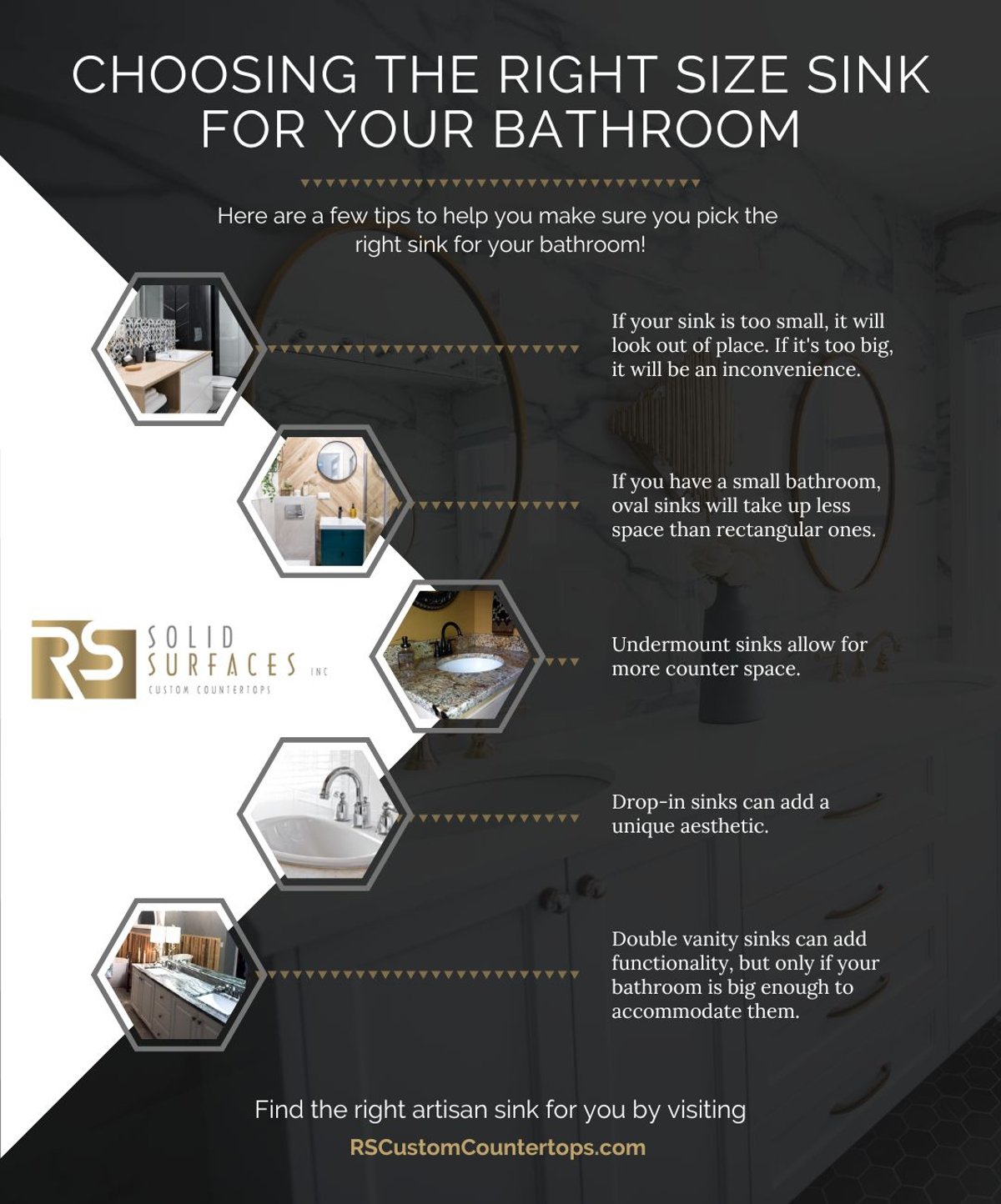
 The Art of Selecting the Right Bathroom Sink for Your Home
 Home Decor
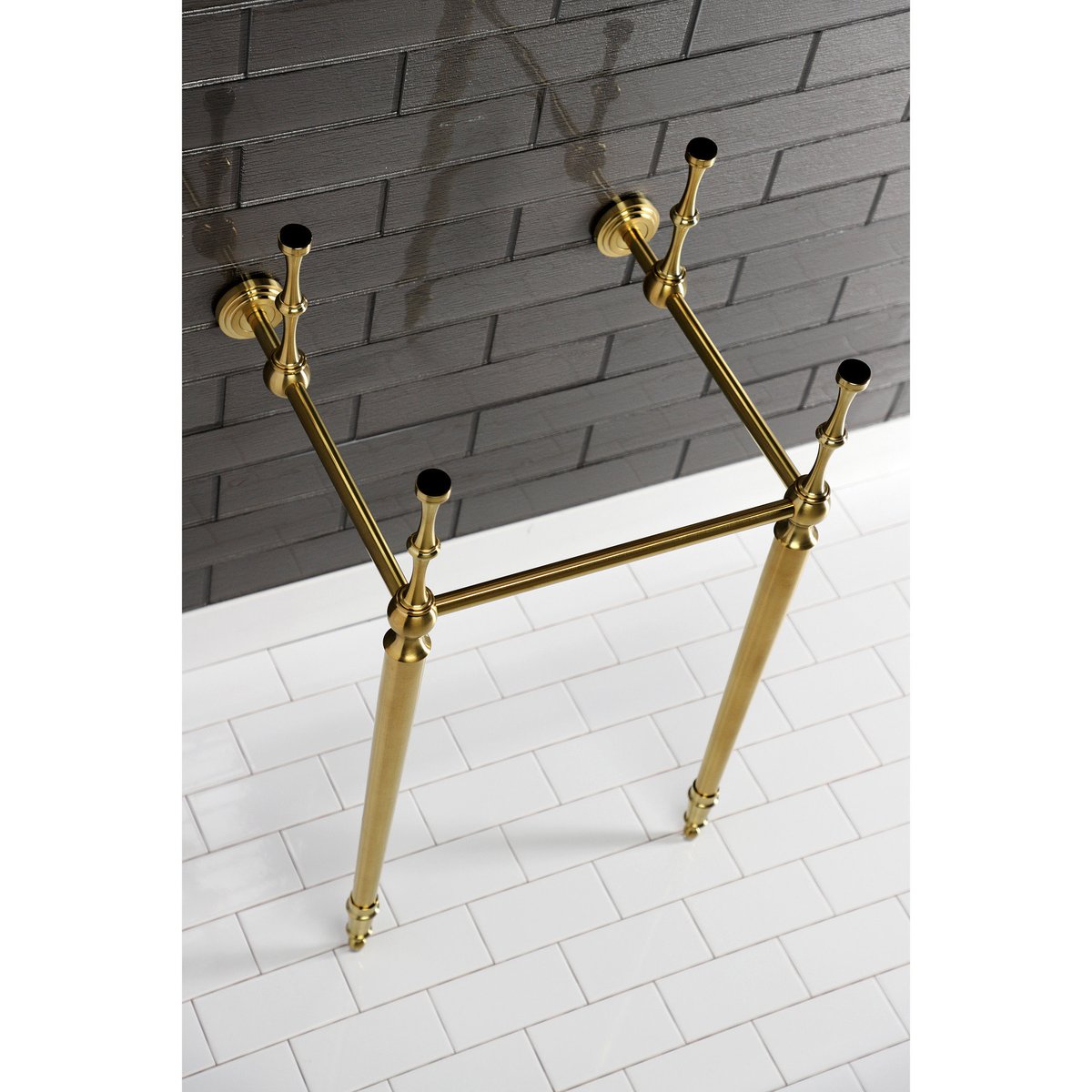
 Comparing Kingston Brass VPB1368 Console Legs with Other Premium Cabinet Hardware
 Home Decor