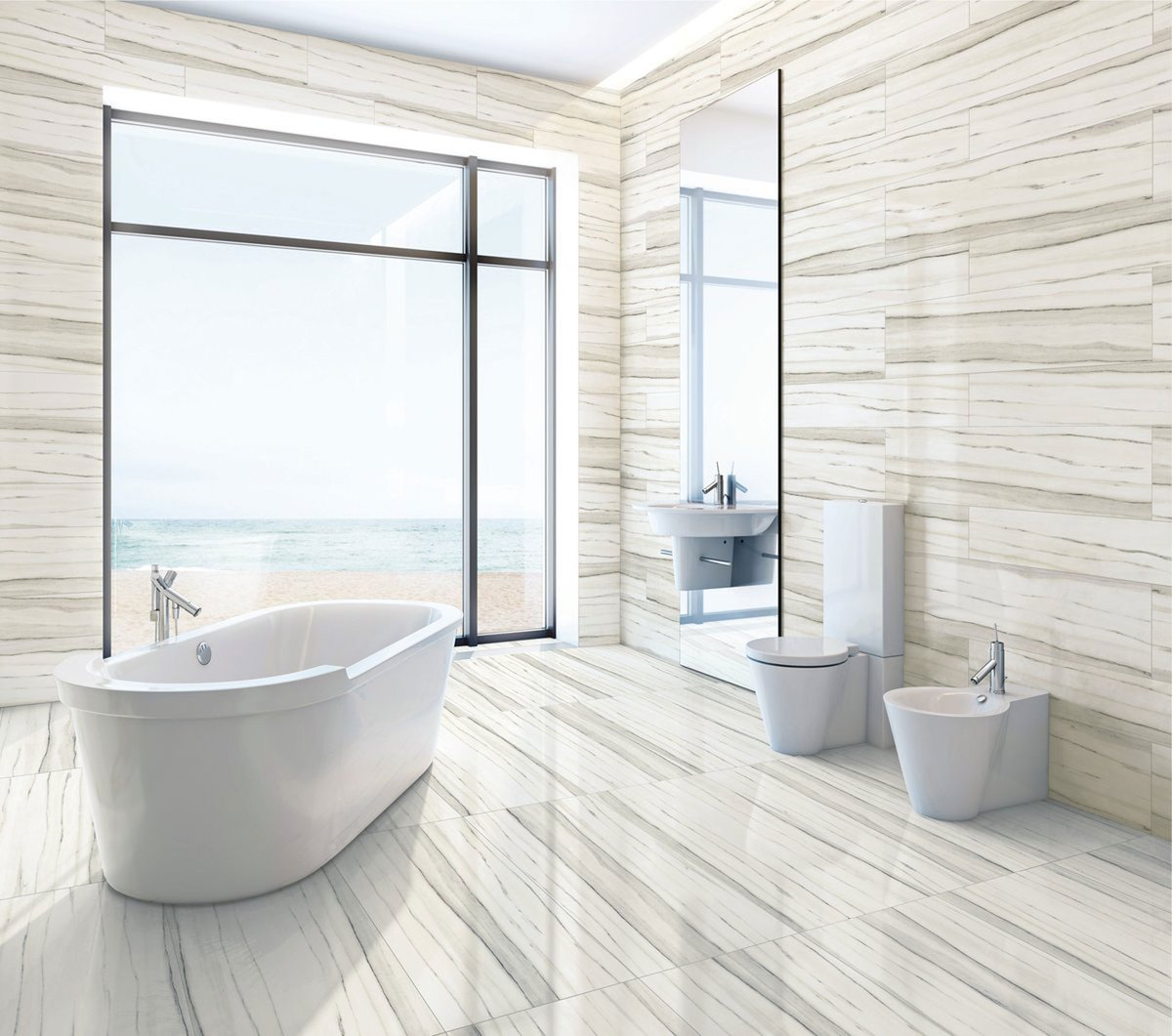
Your bathroom deserves more than just pretty tiles. It needs the right ceramic finish that balances beauty, durability, and practicality. Whether you're planning a full renovation or just updating a few fixtures, choosing the correct ceramic surface can make all the difference in your daily routine and overall home value.
When it comes to bathroom renovations, few decisions impact both aesthetics and functionality quite like choosing the right ceramic finish. It's not just about picking something that looks good – you're essentially making a long-term investment in your home's appearance and usability. Think of it this way: every time you step into your bathroom, you're interacting with these surfaces. They need to withstand moisture, handle daily wear, and look great doing it. That's why understanding what different ceramic finishes offer is so important. From classic subway tiles to modern matte finishes, each option brings its own personality and practical benefits to your space.
Understanding Ceramic Types and Their Characteristics
Ceramic tiles come in various forms, each with distinct properties that affect how they perform in a bathroom environment. The most common types include glazed ceramic, unglazed ceramic, and porcelain. Glazed ceramics have a protective layer that makes them highly resistant to stains and water. This makes them perfect for showers and tub areas where moisture is constant. Unglazed ceramics, while beautiful, require more maintenance since they absorb liquids more readily. Porcelain, often considered the premium choice, combines strength with water resistance, making it excellent for high-traffic areas. Each type offers different visual appeal and maintenance requirements. For instance, a glossy glazed tile might reflect light beautifully but could show fingerprints easily. A matte finish, meanwhile, hides smudges better but may require more careful cleaning. Understanding these basics helps narrow down your choices based on your specific needs and lifestyle.
Assessing Your Bathroom's Unique Needs
Every bathroom is different, and so are its requirements. Consider factors like available lighting, the amount of foot traffic, and how much maintenance you're willing to do. If your bathroom gets lots of natural light, you might want to experiment with darker colors or textured finishes that add depth. In contrast, smaller bathrooms benefit from lighter tones and reflective surfaces that make the space feel larger. High-traffic areas like entryways or shared family bathrooms might need more durable options. Also think about accessibility – if elderly family members live with you, slip-resistant finishes become crucial. The size of your bathroom also matters. Large spaces can handle bold patterns and contrasting textures, while compact bathrooms often look better with simpler designs and consistent materials. Don't forget about ventilation too; poor air circulation can cause moisture issues that affect certain ceramic finishes differently.
The Role of Texture in Ceramic Finishes
Texture plays a surprisingly big role in how ceramic tiles perform and look in your bathroom. Smooth finishes are easy to clean but can become slippery when wet. They also tend to highlight water spots and smudges. Textured tiles, on the other hand, provide better grip and hide imperfections well. They're particularly useful in shower areas where safety matters. Some textures create interesting shadows and highlights that add visual interest to flat walls or floors. However, textured surfaces can trap dirt and grime, requiring extra cleaning effort. The key is finding the right balance between function and form. A subtle texture on a bathroom floor might offer just enough traction without looking too busy. Meanwhile, a more pronounced texture on a backsplash can serve as a focal point while adding practical benefits. Consider how different textures interact with your lighting and whether they'll complement or clash with existing fixtures.
Color Considerations for Different Bathroom Styles
Colors can completely change the feel of a bathroom. Light colors make small spaces appear larger and more open, while dark colors create intimacy and sophistication. White and cream tones remain popular because they're versatile and timeless. They work well with both traditional and contemporary designs. But don't be afraid to experiment with bolder hues – especially in accent areas like a feature wall behind a vanity. Metallic finishes bring luxury and modernity to any bathroom. Gold, silver, and brass accents can elevate simple designs and add warmth. Neutral tones like beige, gray, and taupe offer a middle ground that works with many design schemes. When selecting colors, consider how they'll look during different times of day and under varying lighting conditions. A color that looks stunning in bright daylight might appear dull in dimmer lighting. Testing samples in your actual bathroom space helps ensure you make the right choice before committing to a large purchase.
Maintenance and Longevity Factors
One of the most important aspects of choosing ceramic finishes is thinking about how much upkeep you're willing to invest. Some surfaces require regular sealing or special cleaning products to maintain their appearance. Glossy finishes, for example, need frequent wiping to prevent water marks and streaks. Matte finishes are generally easier to maintain but may need more attention to avoid staining. Porcelain tiles are typically the most low-maintenance option, offering excellent resistance to stains and fading. Check the manufacturer's recommendations for care and cleaning methods. Also consider how quickly the material will show signs of wear over time. High-traffic areas might benefit from harder surfaces that resist scratches and dents. For bathrooms with children or pets, durability becomes even more critical. A finish that holds up well against daily use and occasional accidents will save you headaches and costly replacements down the road. Remember that some finishes age gracefully while others might look dated after a few years.
Cost Considerations and Value Proposition
Budget plays a major role in ceramic selection, but remember that the cheapest option isn't always the best value. Quality ceramic tiles can range widely in price, influenced by factors like brand, material, and manufacturing process. Higher-end options often offer better durability and aesthetic appeal, potentially saving money in the long run. Consider not just the initial cost of materials but also installation expenses and ongoing maintenance costs. Some finishes require professional installation or specialized tools, which adds to the total expense. Look for deals during seasonal sales or when manufacturers offer promotions. Buying tiles in bulk can sometimes reduce per-unit costs, especially for large projects. Also factor in the resale value of your bathroom upgrade. Certain ceramic finishes, particularly those with timeless appeal, can increase your home's market value. Think about whether you want a trendy finish that might go out of style quickly or something more enduring that will remain attractive for years to come.
Choosing the right ceramic finish for your bathroom renovation involves balancing multiple factors: practical needs, personal style, budget constraints, and long-term goals. You shouldn't rush this decision, especially since you'll be living with these choices for years to come. Take time to explore different options, consider your lifestyle, and perhaps even visit showrooms to see how materials look in person. Remember that the best ceramic finish is one that serves your space well while reflecting your personal taste. Whether you prefer the classic elegance of traditional tiles or the modern appeal of contemporary finishes, the key is making an informed choice that works for your unique situation. A little research upfront can save you from costly mistakes later and ensure your bathroom renovation truly transforms your daily routine.
Related Posts
 Home Decor
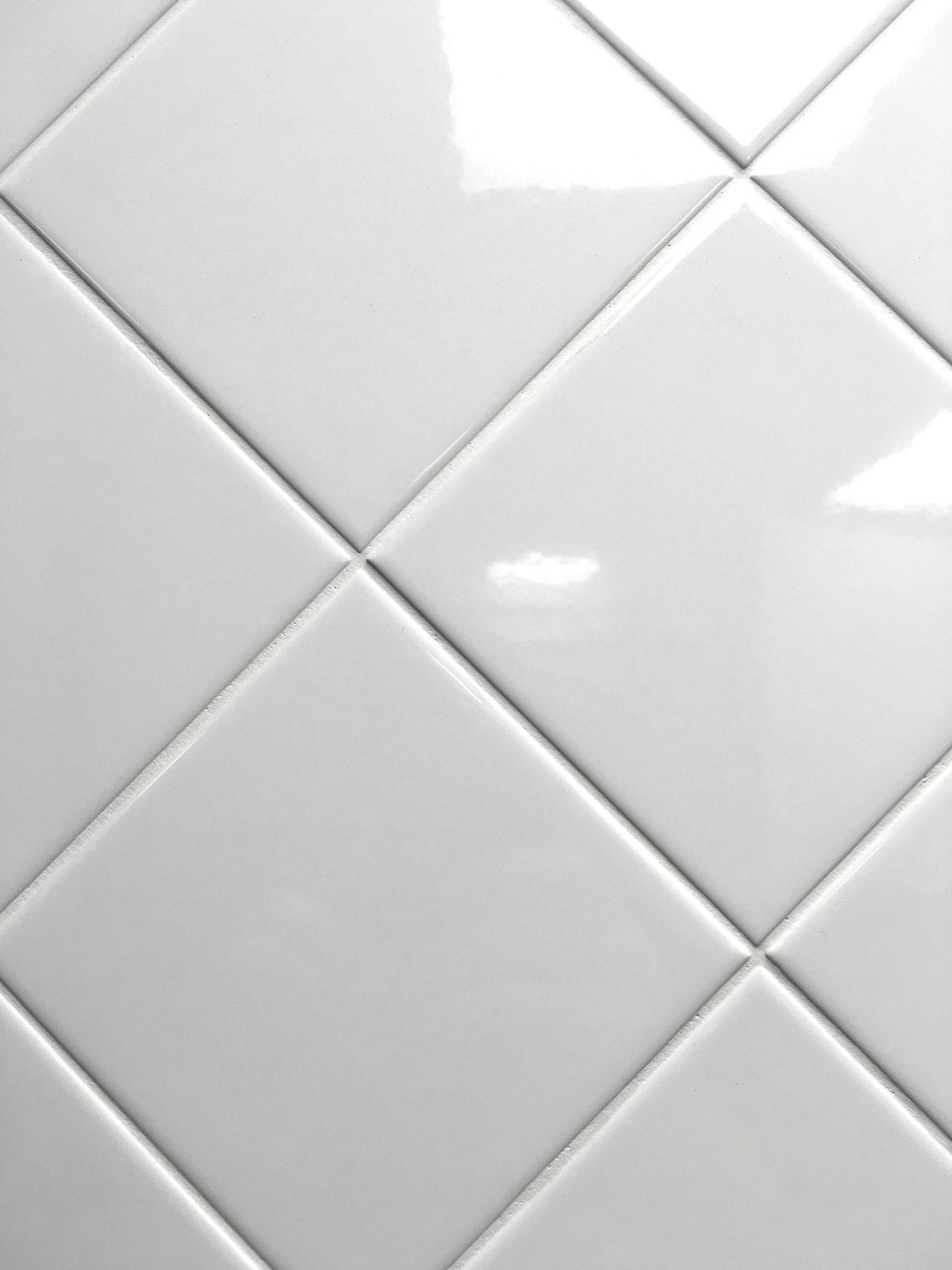
 Exploring the Design Elements of Cosa 48I01 86100 Square White Tile
 Home Decor
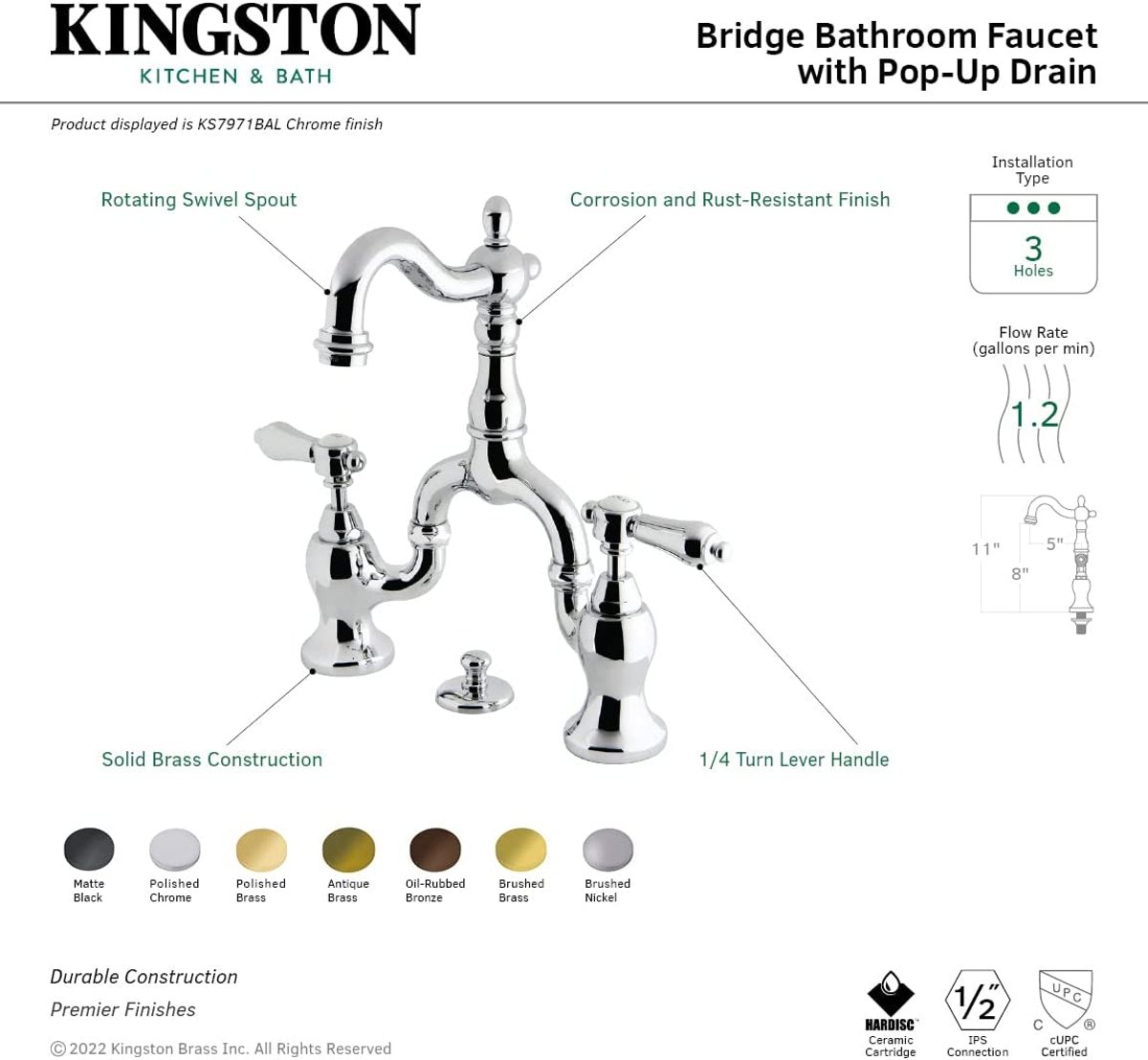
 The Role of Material Quality in Kingston Brass KVBH25227W8B Bathroom Fixture Longevity
 Home Decor
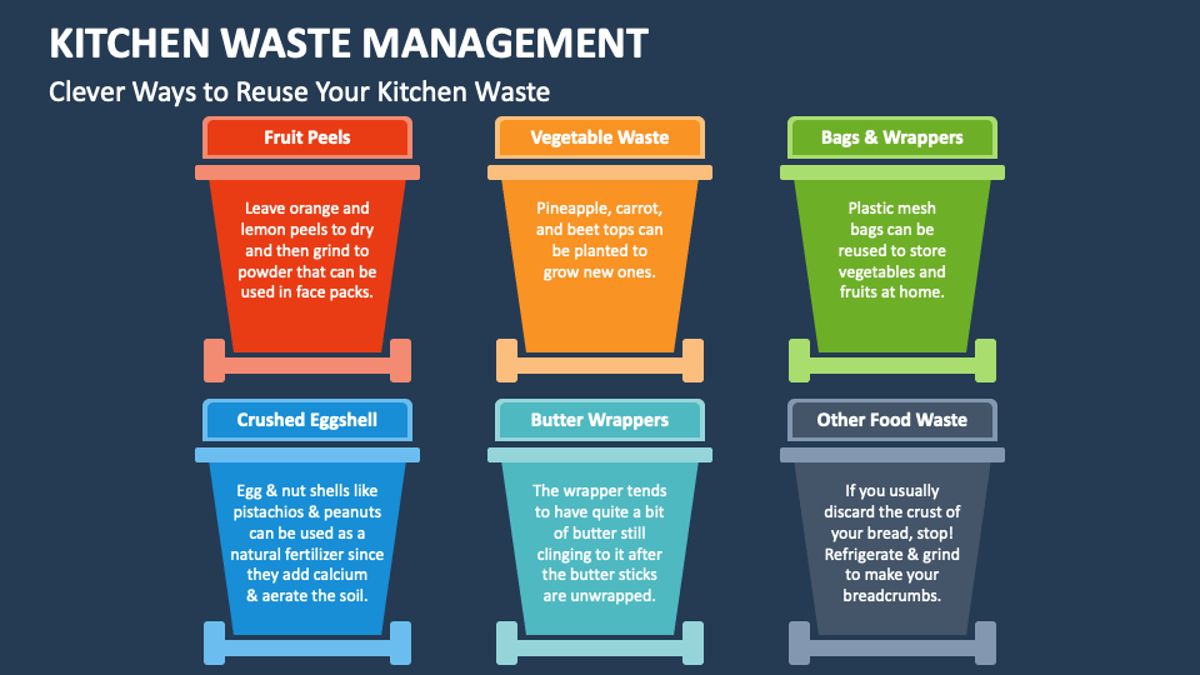
 The Ultimate Guide to Managing Kitchen Waste with Cyclonehaus Stuffer
 Home Decor
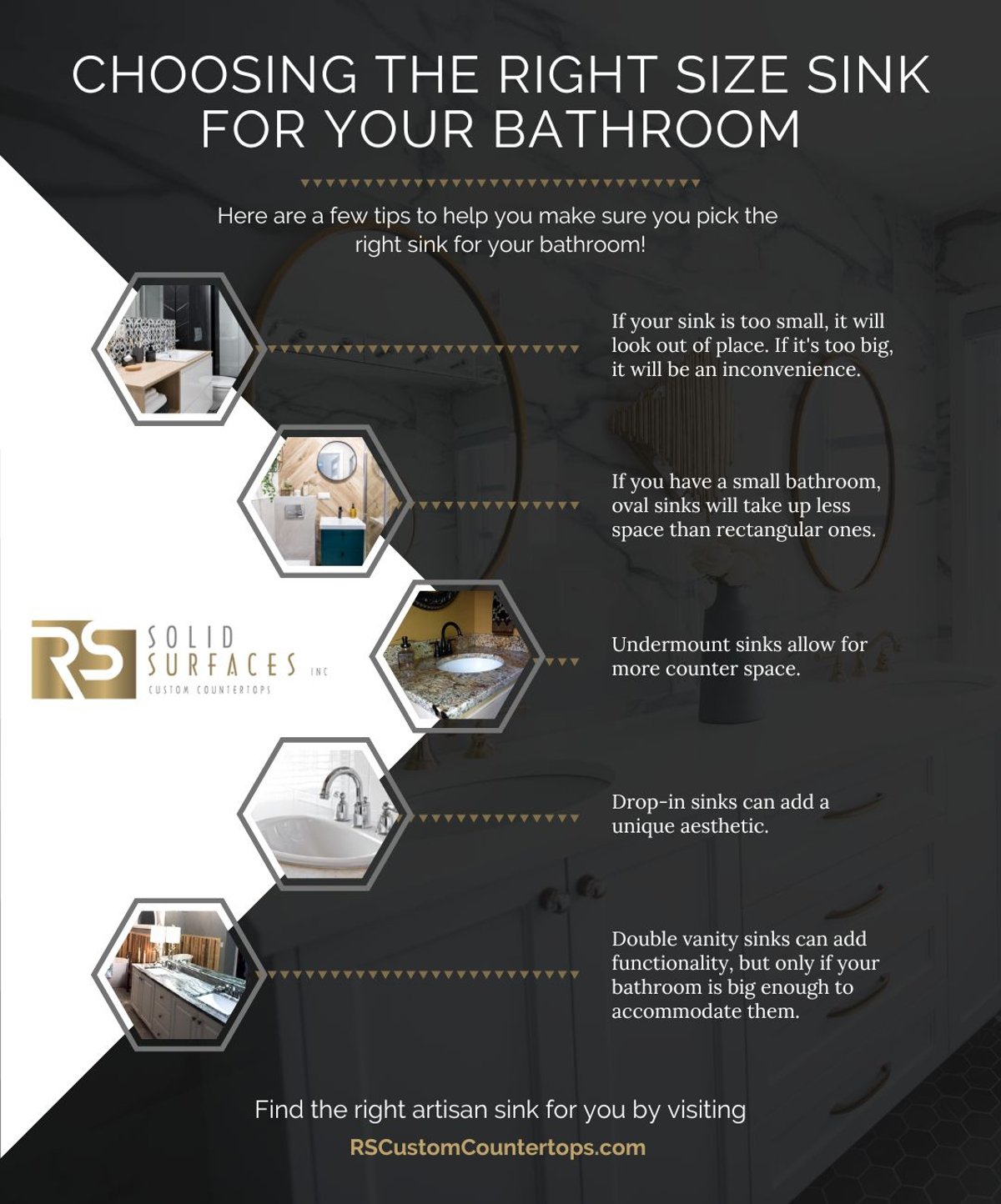
 The Art of Selecting the Right Bathroom Sink for Your Home
 Home Decor
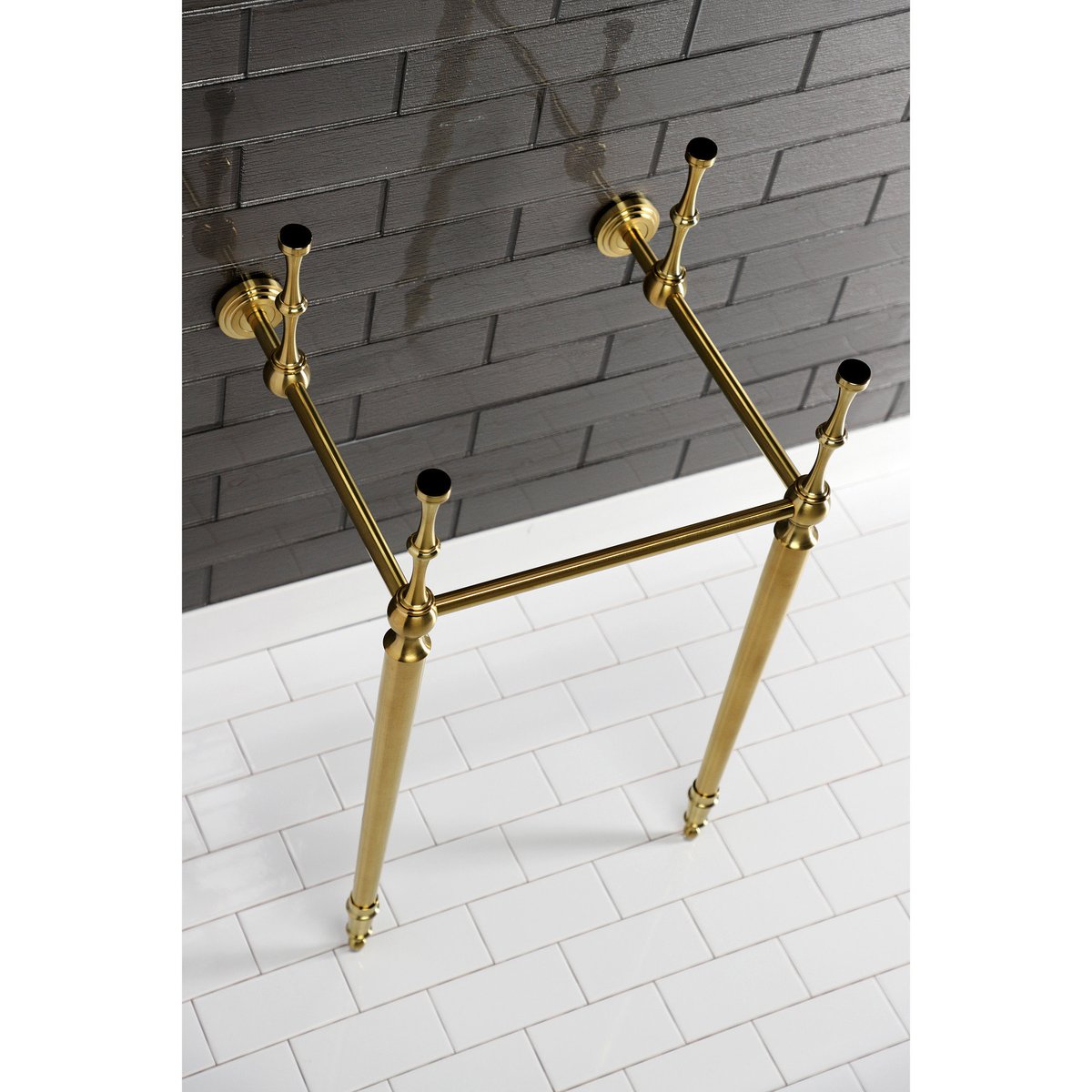
 Comparing Kingston Brass VPB1368 Console Legs with Other Premium Cabinet Hardware
 Home Decor