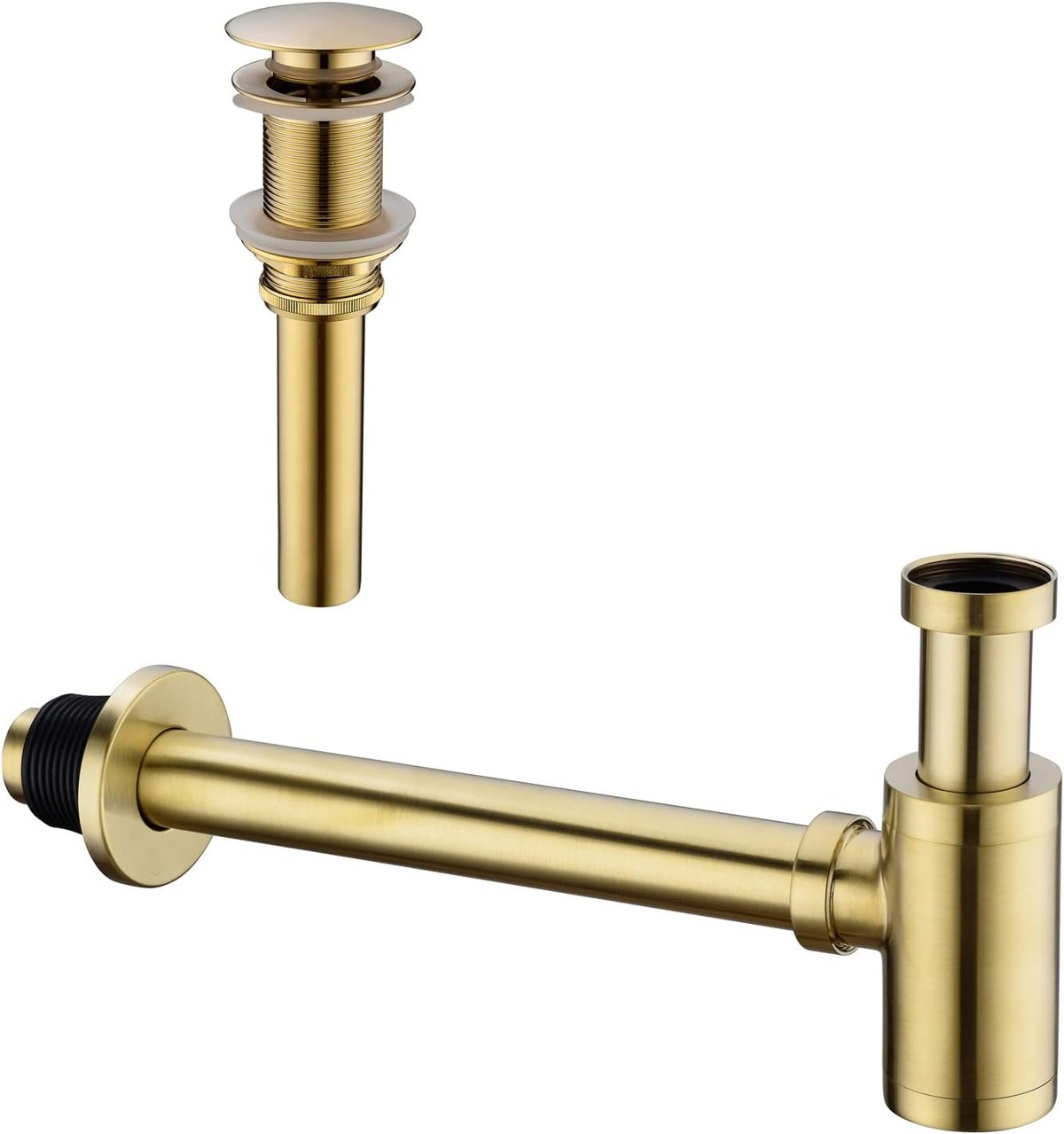
Have you ever wondered why your bathroom sink smells fresh even after a long day? Or why your shower drain doesn't let that awful sewer smell creep up from below? It's all thanks to something called a water seal – a simple but brilliant mechanism that keeps your home smelling clean and safe.
Every time you turn on your faucet or step into the shower, you're probably not thinking about the tiny barrier that's working hard behind the scenes. Yet there's a fascinating scientific principle at work in every bathroom drain that prevents those unwanted odors from invading your living space. This invisible shield isn't just about keeping smells out – it's about maintaining your family's health and comfort. Think of it like a bouncer at a club, except instead of turning away party crashers, it's preventing the worst kind of guests from entering your home.
What Exactly Is a Drain Water Seal?
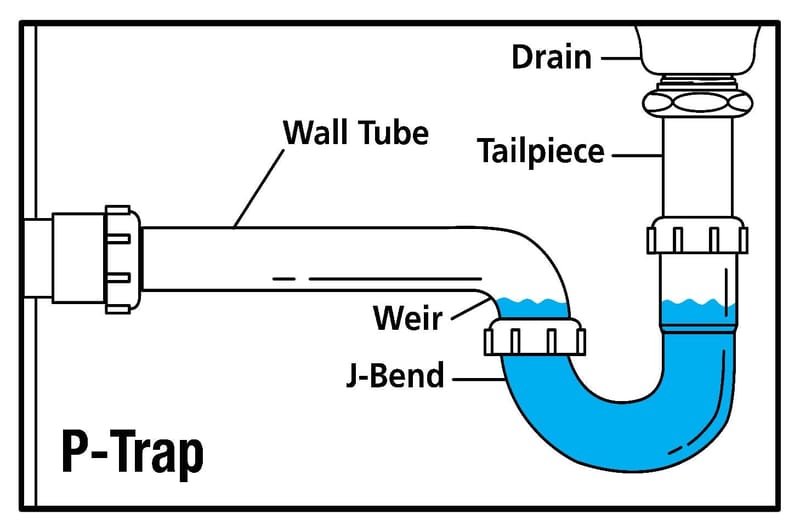
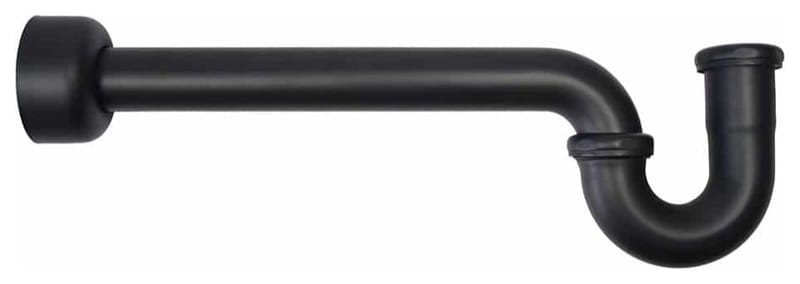
A water seal is simply a small amount of water that sits in the curved portion of your drain pipe, typically forming a U-shape. This water acts as a physical barrier between your home and the plumbing system below. When you flush your toilet or run water in your sink, the seal gets temporarily displaced, but it quickly reforms when the water stops flowing.
This might sound simple, but it's actually a marvel of engineering. The physics involved is quite elegant – gravity pulls the water down one side of the curve, while air pressure from above keeps the water from escaping the other side. It's like nature's way of creating a temporary dam that only lets certain things through.
The key is that this seal must be maintained consistently. If it breaks down, you'll start noticing those familiar odors that make you want to open a window or two. The seal works best when it's properly designed and installed, which brings us to some important factors to consider.
Why Water Seals Are Critical for Health and Comfort
The importance of proper drain seals goes far beyond just keeping your bathroom smelling fresh. These barriers play a crucial role in protecting your family's health:
• Preventing pest infestations - Without adequate seals, insects and rodents can crawl up through drains and into your home• Stopping harmful gases - Sewer gases containing hydrogen sulfide, methane, and other dangerous compounds can seep through poorly sealed drains• Maintaining indoor air quality - Unpleasant odors can affect your mood and overall well-being• Reducing maintenance costs - Early prevention saves you from expensive repairs later
Imagine if your kitchen sink didn't have a proper seal – you'd probably notice a smell that makes you question whether your food is spoiling. But with bathroom drains, the smell often comes from places you can't see, making it even more insidious.
Consider a recent study that found homes with compromised drain seals had 40% higher rates of respiratory issues among residents, particularly children. That's because the noxious gases aren't just unpleasant – they can be harmful over time.
Common Problems with Drain Seals
Even the most well-designed water seals can fail. Here are the most frequent issues you might encounter:
• Evaporation - In dry climates or during hot weather, the water in the trap can evaporate completely, leaving nothing to stop odors• Siphoning effects - When large amounts of water drain quickly, they can suck the seal out of the trap• Improper installation - If the trap isn't positioned correctly, it won't function properly• Clogged drains - Debris blocking the trap can prevent water from forming a proper seal• Age-related deterioration - Over time, components can wear out or crack
One common scenario involves a homeowner who noticed their bathroom smelled funny after leaving for a weekend trip. They hadn't used the bathroom much during their absence, and the water in the trap had evaporated completely. The solution was simple – just running water in the sink to refill the trap.
These problems don't always happen overnight. Sometimes it takes several days or weeks before you notice the difference, which is why regular checks are important. Many plumbers recommend checking your drain seals monthly, especially during summer months.
The Physics Behind How Seals Work
The science behind drain seals relies on fundamental principles of fluid dynamics and atmospheric pressure. When water fills the curved portion of a drain pipe, it creates what's called a "trap" or "P-trap" – the P shape is essential for its effectiveness.
Here's what happens in detail:
• Pressure differential - The water column creates a pressure difference that prevents gases from rising through the pipe• Surface tension - Water molecules stick together, helping maintain the seal even under slight pressure changes• Gravity effect - The weight of the water helps keep it in place• Air pressure balance - Atmospheric pressure above the water helps maintain the seal
Think of it like a water balloon that's been squeezed. The pressure inside keeps it inflated, and the material resists being pushed out. In a drain, the water behaves similarly, creating resistance against anything trying to pass through.
The ideal seal maintains enough water to create a consistent barrier while allowing normal drainage to occur. Too little water and it fails; too much and it becomes difficult to maintain. Most bathroom fixtures require between 1 and 2 inches of water in the trap to function properly.
How to Check and Maintain Your Drain Seals
Keeping your drain seals in good working order is surprisingly easy once you know what to look for. Here are practical steps to ensure everything stays functional:
• Visual inspection - Look for water in the trap area of your drains. You should see a small pool of water in the U-shaped bend• Run water test - Pour a cup of water into each drain to confirm the seal is intact• Smell test - If you notice odors coming from drains, it's often a sign the seal is compromised• Regular cleaning - Remove debris that might block the trap• Temperature awareness - Cold weather can cause pipes to contract and potentially break seals
A simple trick many homeowners use is to add a small amount of vegetable oil to their drains weekly. This creates a thin film that helps prevent evaporation while still allowing normal drainage. Some people swear by this method, though it's worth noting that excessive oil can cause clogs over time.
If you're unsure about your drain setup, don't hesitate to consult a professional plumber. They can spot subtle issues that might escape a casual observer and suggest solutions tailored to your specific plumbing configuration.
Modern Solutions and Innovations
The field of plumbing continues to evolve, bringing new innovations that improve drain seal performance:
• Self-sealing traps - These modern designs automatically refill the seal when it gets low• Improved materials - New plastics and metals resist cracking and corrosion better than older materials• Smart sensors - Some systems can alert you when a seal is compromised• Better design standards - Updated building codes now require more robust sealing mechanisms
One interesting development involves antimicrobial coatings on drain components. These treatments help prevent bacterial growth that can contribute to odor problems, even when the water seal is functioning properly.
Manufacturers have also started focusing on creating more user-friendly designs. For example, some newer bathroom fixtures feature easily accessible trap areas that allow homeowners to check and maintain seals themselves. These improvements represent the industry's commitment to making home maintenance simpler and more effective.
However, it's important to remember that while technology can enhance performance, basic principles remain the same. A well-designed seal will always be more reliable than any high-tech gadget.
The next time you wash your hands or take a shower, take a moment to appreciate the invisible work happening in your drain. It's a perfect example of how simple scientific principles can solve complex everyday problems. Understanding how your bathroom drain seals work gives you control over your home's environment and health.
Whether you're troubleshooting a mysterious odor or planning a bathroom renovation, knowing about water seals empowers you to make informed decisions. These seemingly small features are actually critical components of your home's plumbing system.
Remember, maintaining good drain seals isn't just about comfort – it's about protection. By staying aware of how these systems work and taking care of them properly, you're investing in your family's wellbeing. The science may seem basic, but its impact is profound. After all, we spend so much time in our bathrooms that we should feel confident that everything is working properly behind the scenes.
Related Posts
 Home Decor
 Exploring the Design Elements of Cosa 48I01 86100 Square White Tile
 Home Decor
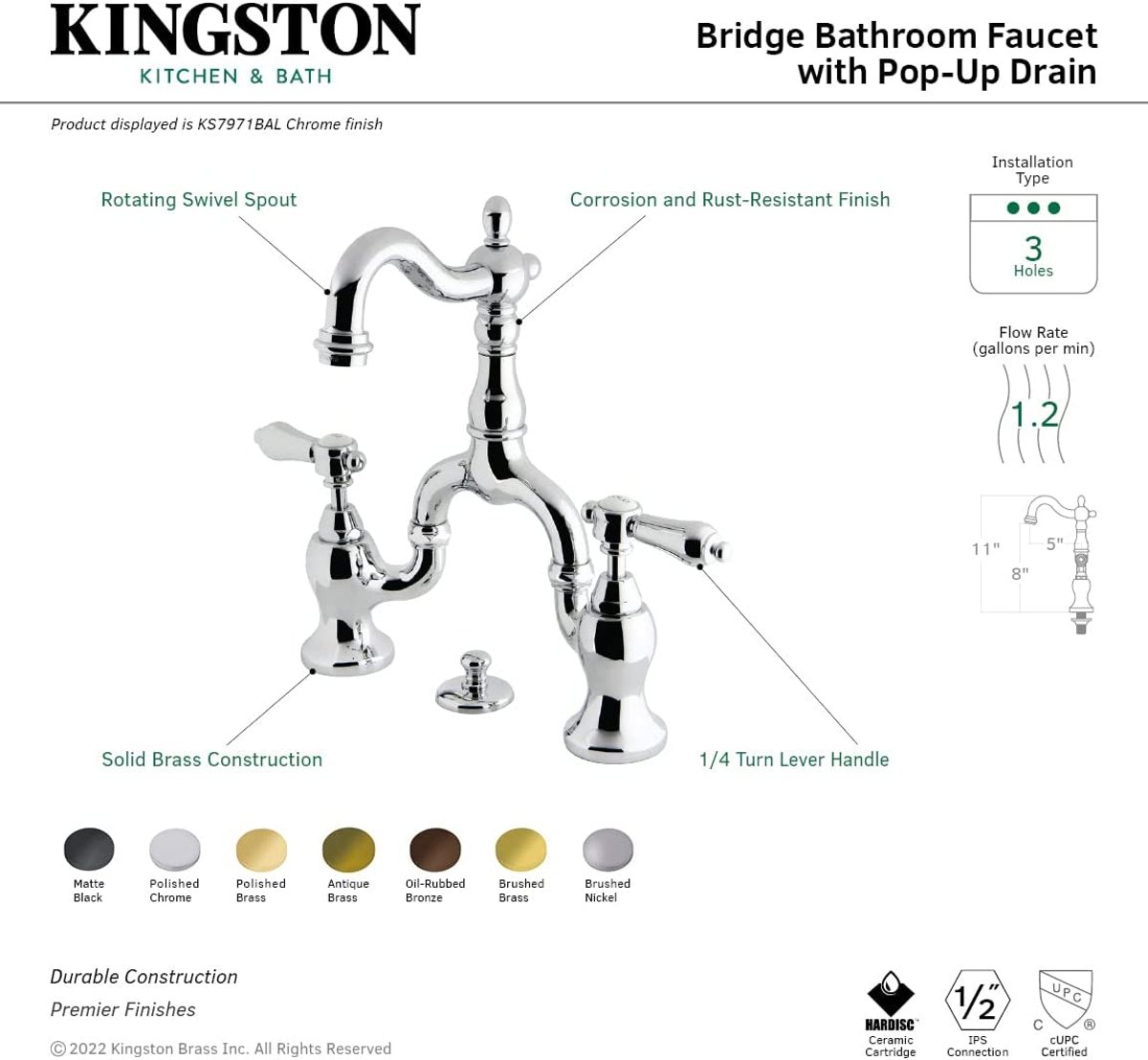
 The Role of Material Quality in Kingston Brass KVBH25227W8B Bathroom Fixture Longevity
 Home Decor
 The Ultimate Guide to Managing Kitchen Waste with Cyclonehaus Stuffer
 Home Decor
 The Art of Selecting the Right Bathroom Sink for Your Home
 Home Decor
 Comparing Kingston Brass VPB1368 Console Legs with Other Premium Cabinet Hardware
 Home Decor