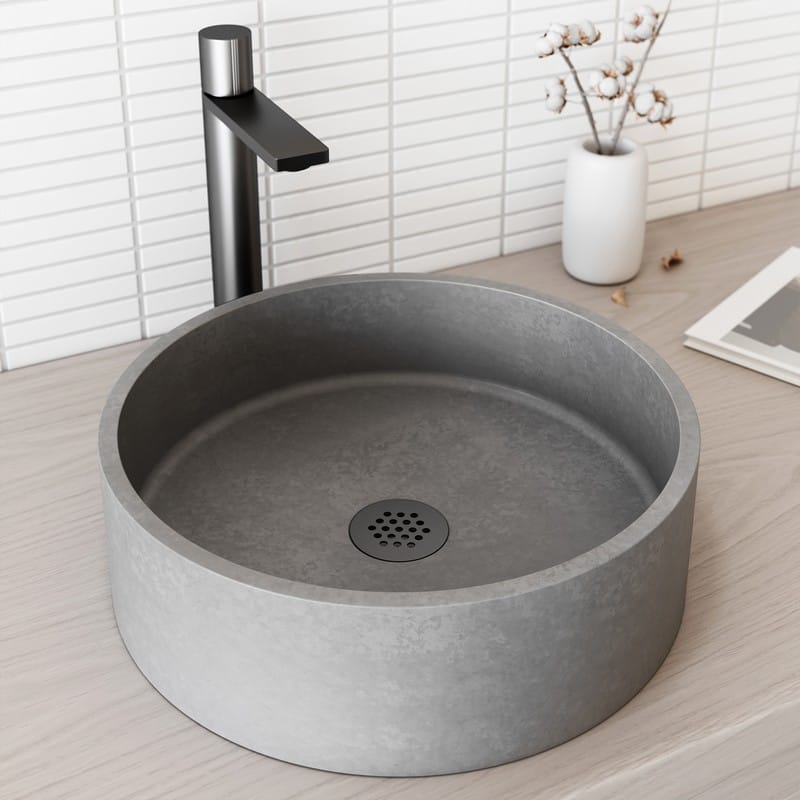
When it comes to bathroom fixtures, few materials offer the combination of beauty and strength that stone resin sinks provide. These innovative surfaces have revolutionized how we think about sink durability, combining the elegance of natural stone with the resilience of modern materials. But what makes stone resin such a compelling choice? Let's explore the fascinating world of these durable bathroom companions.
Picture this: you're standing in your bathroom, admiring the sleek design of your new sink fixture. It looks beautiful, but more importantly, it's built to last. That's exactly what stone resin bathroom sinks offer. These fixtures aren't just about aesthetics – they're engineered to withstand the daily rigors of household life while maintaining their pristine appearance. Whether you're dealing with morning chaos or evening relaxation, a stone resin sink can handle whatever comes its way. But how exactly do they manage to be so resilient? Let's dive deeper into what makes these sinks truly special.
What Makes Stone Resin So Durable?
Stone resin sinks are crafted from a unique blend of natural stone particles and high-quality resins. This combination creates a surface that's incredibly tough yet surprisingly elegant. The natural stone components provide inherent strength and stability, while the resin binder ensures flexibility and resistance to cracking. Think of it like building a house with both strong bricks and flexible mortar – the result is something that can endure a lot without breaking apart.
The manufacturing process involves compressing these materials under high pressure, creating a dense, uniform structure. This means there are fewer weak spots or areas prone to damage. Unlike traditional materials that might chip or crack easily, stone resin sinks can handle impacts from pots, pans, and even dropping a heavy object without showing much damage. The surface remains smooth and intact, maintaining its beauty over time.
Resistance to Daily Wear and Tear
One of the standout features of stone resin sinks is their ability to resist everyday damage. Kitchen and bathroom activities can be harsh on fixtures, but stone resin handles it all with grace. Here's what makes them particularly resistant:
• Heat resistance – They can handle hot pots and pans without warping or discoloring• Stain resistance – Spills and splatters don't penetrate deeply into the surface• Scratch resistance – Even with regular use, they maintain their smooth finish• Chemical resistance – Cleaning products and household chemicals won't damage the surface
Consider a busy kitchen where pots bang against the sink, or a bathroom where makeup brushes and hair products are regularly used. A stone resin sink will continue to look good even after years of use. This isn't just theoretical – countless homeowners have shared stories of their stone resin sinks lasting decades with minimal maintenance.
Impact Resistance That Surprises Many
Many people assume that stone-like materials must be fragile, but stone resin sinks prove otherwise. They're designed to absorb impact energy rather than transmit it, which means they're less likely to crack or break when hit by objects. This characteristic is especially important in busy households where kids might drop toys or adults might accidentally knock items into the sink.
The impact resistance works through the material's composition and structure. The resin component acts as a shock absorber, while the stone particles distribute force evenly across the surface. When you drop a ceramic bowl or a heavy cooking pot, the sink absorbs the impact rather than transferring it to the underlying structure. This feature alone can save you from expensive repairs or replacements.
Real-world testing shows that stone resin sinks can withstand drops from several feet without damage. Some manufacturers even conduct formal impact tests to verify their products' durability, giving consumers confidence in their purchase.
Environmental and Weather Resistance
Modern stone resin sinks aren't just tough inside the home – they're built to handle outdoor conditions too. While most bathroom applications are indoors, some homeowners choose stone resin for outdoor spaces like covered patios or garden areas. In these environments, the material shows remarkable resistance to weather-related stressors.
The material's composition makes it resistant to moisture, temperature fluctuations, and UV exposure. Unlike some materials that might fade or deteriorate in sun and rain, stone resin maintains its color and structural integrity. This makes it ideal for areas where water exposure is constant, such as near showers or in humid bathrooms.
Additionally, the material doesn't absorb water like porous stones might. This means no worrying about water seepage, mold growth, or staining from prolonged moisture exposure. The sealed surface keeps everything clean and dry, reducing maintenance needs significantly.
Low Maintenance and Longevity
Durability isn't just about withstanding damage – it's also about how easy something is to care for. Stone resin sinks shine in this area because they require minimal upkeep compared to many alternatives. Regular cleaning with mild soap and water is usually sufficient to keep them looking fresh.
Here's what makes maintenance simple:
• No special cleaning products required – Regular household cleaners work fine• Easy to spot-clean – Stains and marks wipe away easily• Doesn't require sealing – Unlike natural stone, it doesn't need periodic resealing• Resistant to bacteria growth – The non-porous surface prevents bacterial buildup
The longevity factor is equally impressive. With proper care, a quality stone resin sink can last for decades. Many homeowners report using their sinks for 20+ years without needing replacement. This longevity translates to significant savings over time, as you won't need frequent replacements or costly repairs.
Compare this to cheaper alternatives that might need replacing every 5-10 years due to wear, and the financial benefits become clear.
Cost-Effectiveness Over Time
While stone resin sinks may cost more upfront than basic alternatives, their long-term value becomes obvious when considering total costs. The initial investment pays dividends through reduced replacement costs, lower maintenance requirements, and continued performance.
Let's look at some numbers:
• Initial cost range: $200-$800 depending on size and style• Expected lifespan: 20-40 years with proper care• Annual maintenance cost: Minimal, typically less than $20 per year• Replacement frequency: Rarely needed, unlike cheaper options that may fail within a decade
For comparison, a typical porcelain sink might cost $100-$300 initially but could need replacement every 10-15 years. Over a 30-year period, that's multiple purchases and installation costs. The stone resin sink represents a one-time investment with decades of reliable service.
Additionally, the resale value of homes with quality stone resin fixtures often increases. Potential buyers appreciate the durability and timeless appeal of these sinks, making them a smart addition to any property upgrade.
Stone resin bathroom sinks represent a perfect marriage of form and function. Their exceptional durability comes from a carefully engineered blend of natural stone and modern resins, creating surfaces that can handle everything from daily use to occasional accidents. Whether you're renovating your bathroom or upgrading your kitchen, these sinks offer peace of mind through their reliability and longevity.
The benefits extend beyond simple toughness – they include low maintenance, environmental resistance, and excellent value over time. While they might seem like a premium choice, their ability to last for decades makes them one of the smartest investments you can make in your home. When you consider the countless hours saved from avoiding repairs and replacements, plus the continued beauty they bring to your space, stone resin sinks prove themselves as more than just fixtures – they're long-term partners in your home's comfort and functionality.
Related Posts
 Home Decor
 Exploring the Design Elements of Cosa 48I01 86100 Square White Tile
 Home Decor
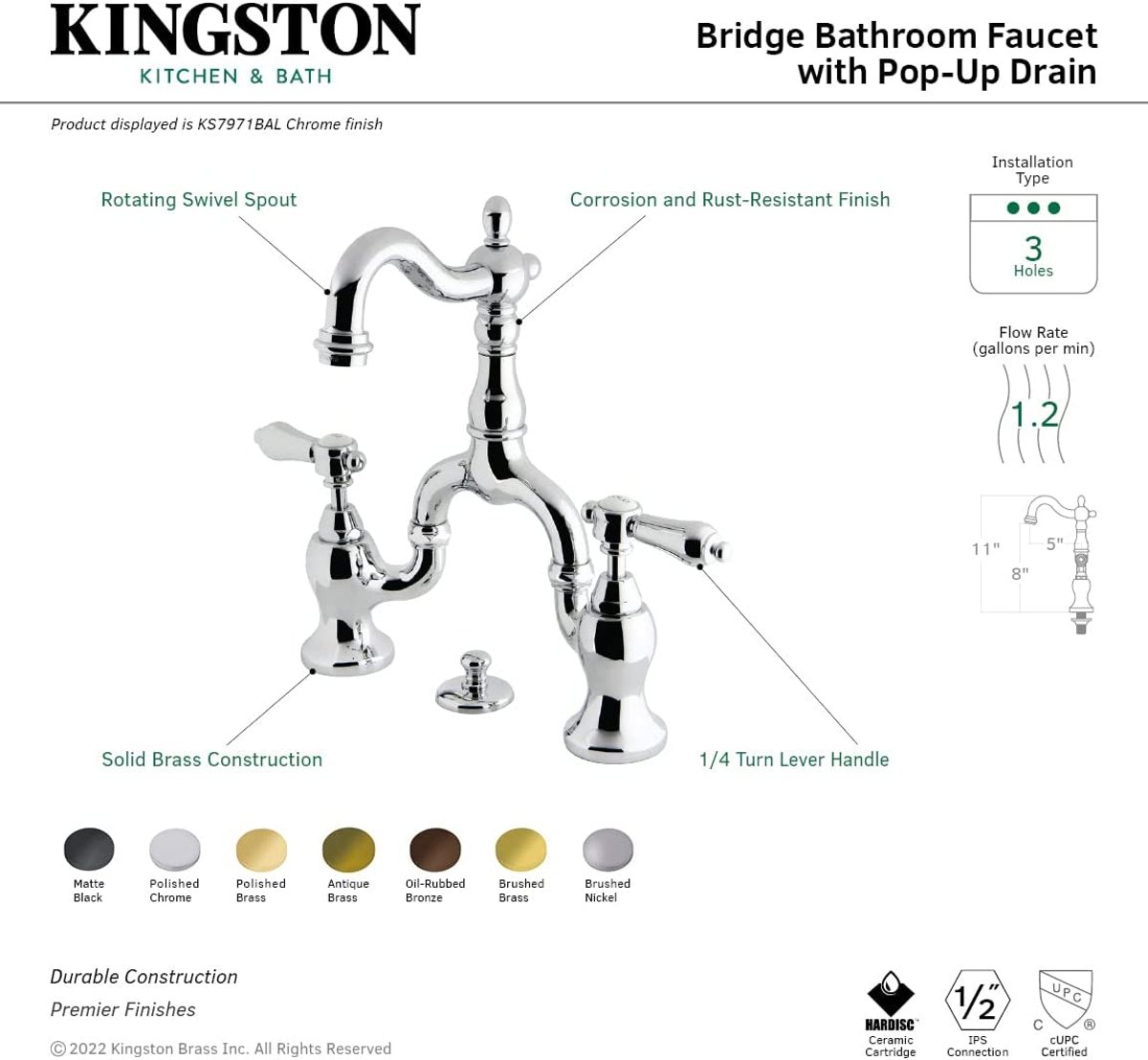
 The Role of Material Quality in Kingston Brass KVBH25227W8B Bathroom Fixture Longevity
 Home Decor
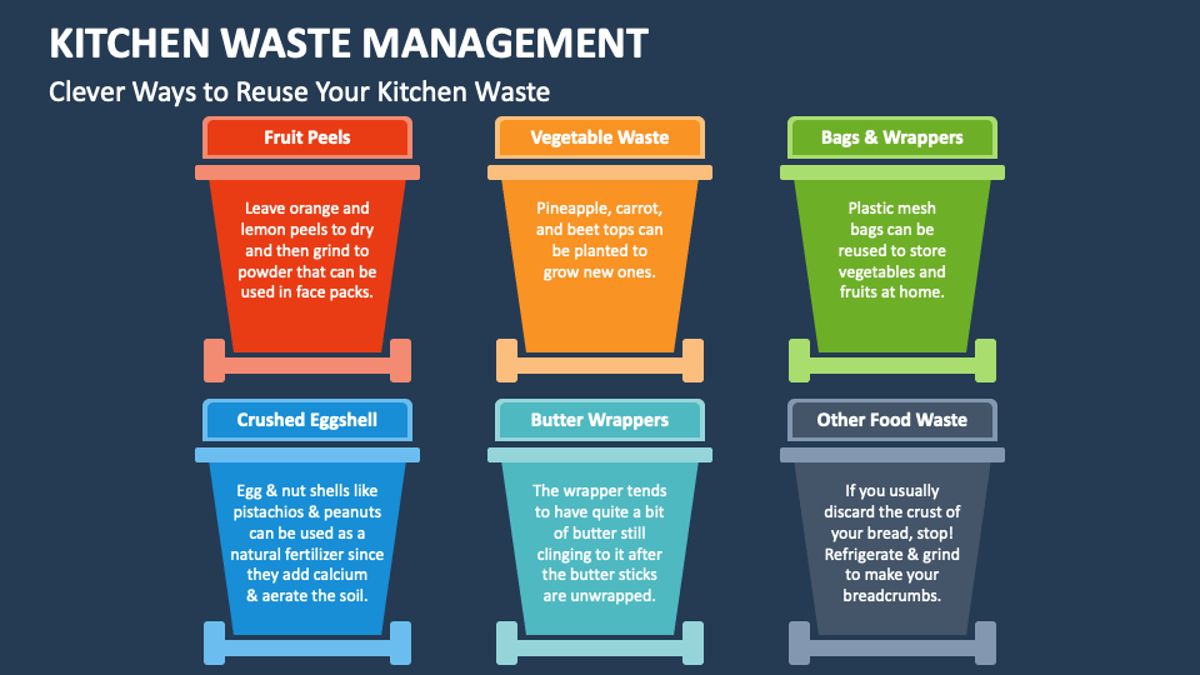
 The Ultimate Guide to Managing Kitchen Waste with Cyclonehaus Stuffer
 Home Decor
 The Art of Selecting the Right Bathroom Sink for Your Home
 Home Decor
 Comparing Kingston Brass VPB1368 Console Legs with Other Premium Cabinet Hardware
 Home Decor