Think about the last time you stepped into a bathroom that made you feel truly relaxed yet perfectly functional. Maybe it was the way light streamed through frosted windows, or how the shower felt just right, or perhaps it was the clever storage that kept everything neat. Great bathroom design isn't just about looking good—it's about creating spaces that work beautifully for everyday life.
Bathrooms are often overlooked when we think about home design, yet they play one of the most important roles in our daily lives. They're where we start each day, where we end each day, and where we find moments of peace and quiet. The best bathroom designs don't just look amazing—they actually make life easier. Whether you're planning a complete renovation or simply updating your current space, understanding how to balance form and function can transform your bathroom from merely adequate to absolutely exceptional. It's not about choosing between beauty and usefulness; it's about finding the perfect harmony between both.
Understanding the Core Principles of Bathroom Functionality
Before diving into design choices, it's essential to grasp what makes a bathroom truly functional. Think about your daily routine—the things you do every morning and evening. A well-designed bathroom considers these routines from the start. The layout should flow naturally from one activity to another. For instance, if you typically brush teeth, wash face, and apply makeup in the morning, your sink area should be easily accessible. Consider the placement of fixtures like toilets, showers, and bathtubs carefully. A common mistake is placing a toilet too far from the sink, forcing you to walk across the room unnecessarily.
Functional elements include:
• Proper lighting that illuminates all areas clearly• Adequate storage solutions that keep things organized• Strategic placement of frequently used items• Good water pressure and drainage systems• Safety features for all family members
These aren't just nice-to-haves—they're essential components that affect how you actually live in your space.
Choosing the Right Layout for Your Space
Every bathroom has its unique shape and size, and that matters enormously when planning functionality. A small powder room will require different strategies than a master bathroom with a soaking tub. The most common layouts include linear, L-shaped, U-shaped, and galley styles. Each has distinct advantages. A linear layout works well when you have limited space but want maximum efficiency. An L-shaped configuration allows for better traffic flow and more counter space. U-shaped layouts offer the most storage and workspace but require more square footage.
Consider these factors when choosing your layout:
• Available square footage• Number of users• Frequency of use• Personal habits and preferences• Future needs (aging in place)
Sometimes the most practical choice isn't the most obvious one. You might find that a corner tub in a small bathroom creates better traffic flow than a large bathtub that takes up too much space. The key is thinking beyond what looks pretty to what works for your lifestyle.
Selecting Fixtures That Serve Both Purpose and Aesthetics
Fixtures are the heart of any bathroom, and they must serve dual purposes: they need to work efficiently while also contributing to the overall visual appeal. A great faucet doesn't just control water flow—it sets the tone for the entire space. Look for fixtures that complement your chosen style while providing practical benefits.
When selecting fixtures, consider:
• Water efficiency ratings• Durability and materials• Ease of cleaning• Compatibility with existing plumbing• Style consistency with other elements
A modern faucet with a sleek design might seem perfect, but if it's difficult to operate or requires constant maintenance, it defeats the purpose. Take time to research products thoroughly. Look for models that offer both aesthetic appeal and reliable performance. For example, a brushed nickel finish might look elegant, but stainless steel offers superior durability in high-moisture environments. The right fixture should feel like it belongs in the space, not just something that was added.
Storage Solutions That Keep Everything Organized
One of the biggest challenges in bathroom design is maintaining organization without sacrificing style. The secret lies in smart storage planning that maximizes every inch of available space.
Effective storage strategies include:
• Wall-mounted shelves that add visual interest while providing storage• Built-in cabinetry that disappears into the walls• Over-the-toilet storage that utilizes unused vertical space• Drawer systems that organize smaller items• Medicine cabinets that combine storage with mirrors
Don't overlook hidden storage opportunities. Behind doors, under sinks, and even within shower stalls can hold surprising amounts of useful items. The goal isn't just to store things—it's to make them easy to access and visually appealing. When everything has its place, the bathroom feels calm and controlled rather than chaotic and cluttered.
Consider using baskets or bins to group similar items together. This simple approach helps you find what you need quickly while maintaining a clean appearance. Sometimes less is more, so choose storage solutions that enhance rather than overwhelm your space.
Lighting That Enhances Both Mood and Function
Lighting plays a crucial role in bathroom design, affecting everything from your mood to your ability to perform daily tasks. Poor lighting can make a beautiful bathroom feel cold and unwelcoming, while thoughtful lighting can transform a simple space into a sanctuary.
The ideal bathroom lighting combines three main types:
• Ambient lighting for general illumination• Task lighting for specific activities• Accent lighting for decorative elements
Natural light is always preferred when possible. Large windows or skylights can provide this, but many bathrooms lack sufficient natural light. In these cases, layered artificial lighting becomes essential.
For task areas like vanities, consider installing lights on either side of the mirror. This prevents shadows that can interfere with makeup application or shaving. Under-cabinet lighting adds extra brightness for grooming tasks.
Think about how lighting affects your experience throughout the day. Morning light should be bright and energizing, while evening lighting might benefit from warmer tones that create relaxation. Smart lighting systems allow you to adjust brightness and color temperature based on your needs, making your bathroom adaptable to any situation.
Materials and Finishes That Stand the Test of Time
Choosing the right materials and finishes is one of the most important decisions in bathroom design. These elements directly impact both the appearance and longevity of your space. Materials must withstand moisture, humidity, and daily wear while maintaining their beauty over time.
Key considerations include:
• Water resistance properties• Durability under regular use• Maintenance requirements• Color and texture compatibility• Cost versus long-term value
Popular choices like ceramic tile offer excellent water resistance and come in countless styles. Natural stone provides elegance but requires more upkeep. Modern materials such as porcelain and engineered quartz provide durability with minimal maintenance.
When selecting finishes, consider how they age. A glossy white tile might look pristine initially, but it shows water spots and fingerprints easily. Matte finishes hide imperfections better but may not reflect light as effectively. The best approach is to choose materials that complement your lifestyle and maintenance preferences.
Remember that trends change, but quality materials endure. Investing in solid, well-made fixtures and surfaces pays dividends in both satisfaction and resale value.
Incorporating Technology for Enhanced Convenience
Modern technology has revolutionized bathroom design, offering new ways to enhance both comfort and functionality. From smart showers to automated lighting, these innovations can make daily routines more pleasant and efficient.
Smart bathroom features that are gaining popularity:
• Smart mirrors with built-in lighting and displays• Automated temperature controls for showers• Voice-activated lighting and appliances• Touchless fixtures that reduce germs and improve hygiene• Smart toilets with heated seats and bidet functions
While these technologies can significantly improve your bathroom experience, they shouldn't overshadow the fundamental design principles. Choose technology that enhances rather than complicates your space.
Consider starting with one or two features that align with your lifestyle. A smart mirror might be perfect if you value convenience in your morning routine, while a touchless faucet could be ideal if you're concerned about hygiene.
Remember that technology requires maintenance and updates. Before installing any smart features, consider whether you'll enjoy them enough to keep them working properly over time. The most successful bathroom designs integrate technology thoughtfully, ensuring it serves your needs rather than overwhelming them.
Creating a bathroom that successfully balances form and function is both an art and a science. It requires understanding your lifestyle, anticipating daily needs, and making thoughtful choices about every element. The most satisfying bathroom designs don't compromise on either beauty or usability—they embrace both as complementary aspects of a single vision. Whether you're designing a new bathroom or renovating an existing one, remember that the ultimate goal is to create a space that supports your daily life while bringing joy and comfort. The right combination of smart layout, quality materials, strategic storage, and thoughtful lighting transforms a simple bathroom into a true retreat. With careful planning and attention to detail, your bathroom can become the highlight of your home—a place where form and function work together seamlessly to enhance your everyday experiences.
Related Posts
 Home Decor
 Exploring the Design Elements of Cosa 48I01 86100 Square White Tile
 Home Decor
 The Role of Material Quality in Kingston Brass KVBH25227W8B Bathroom Fixture Longevity
 Home Decor
 The Ultimate Guide to Managing Kitchen Waste with Cyclonehaus Stuffer
 Home Decor
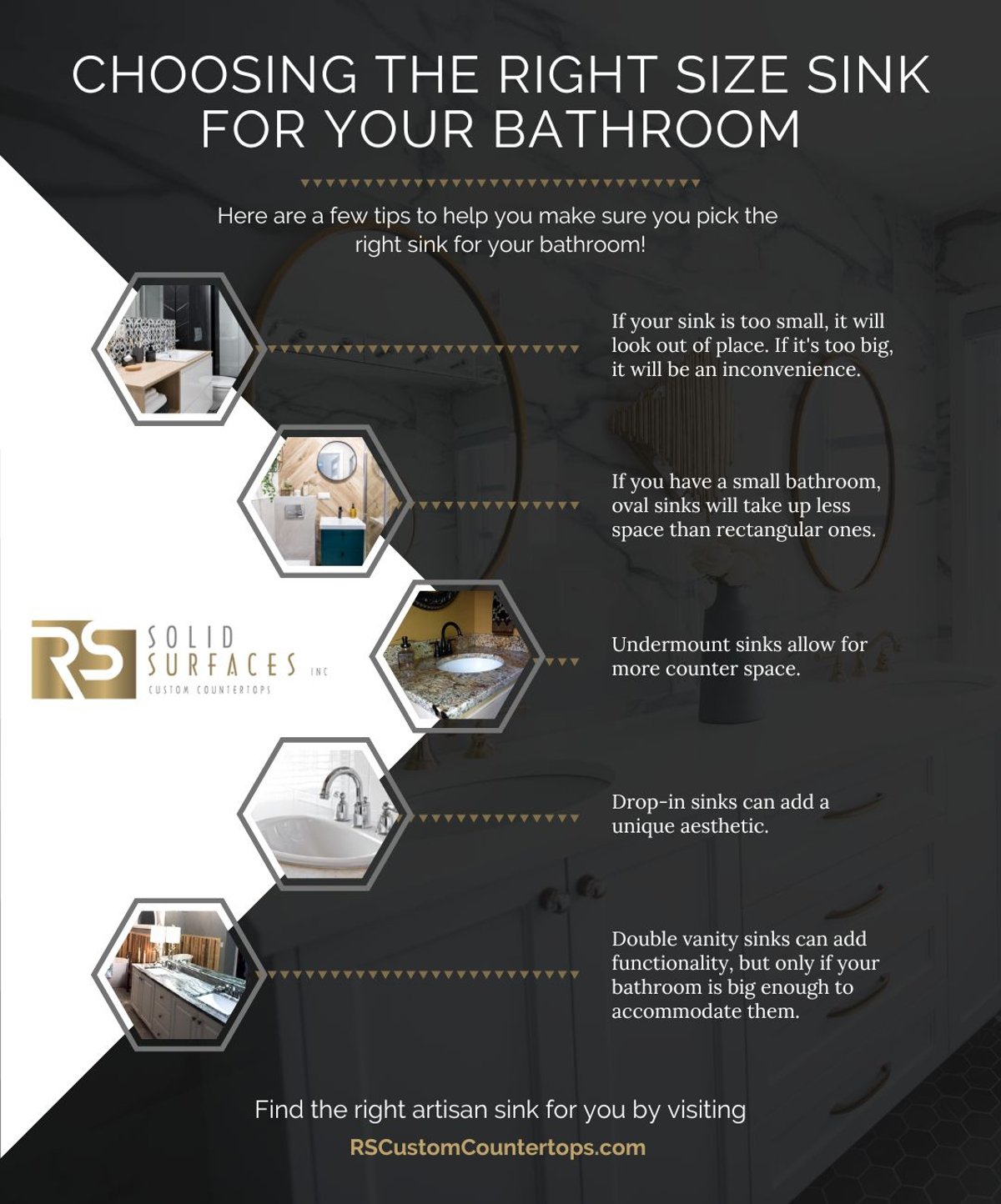
 The Art of Selecting the Right Bathroom Sink for Your Home
 Home Decor
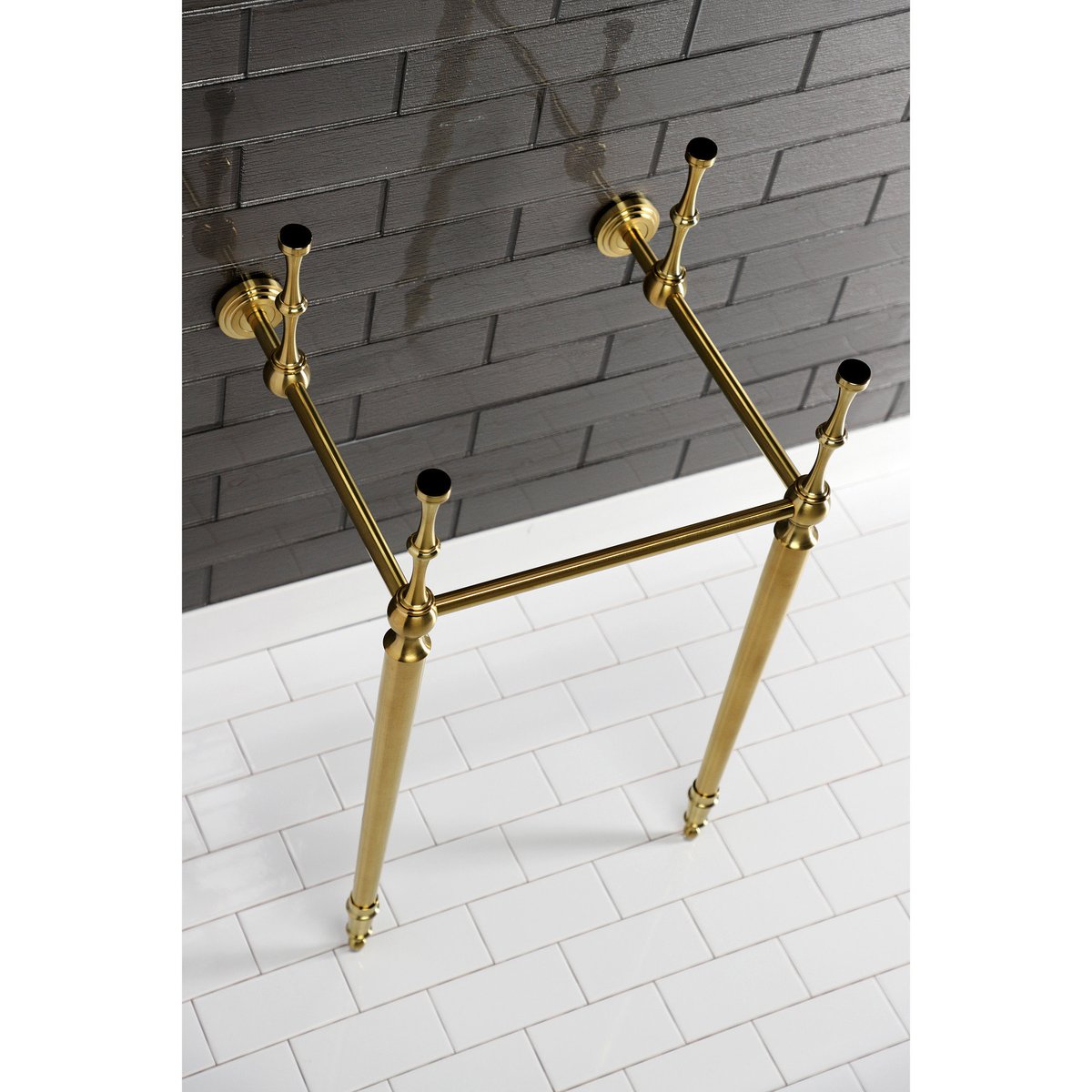
 Comparing Kingston Brass VPB1368 Console Legs with Other Premium Cabinet Hardware
 Home Decor