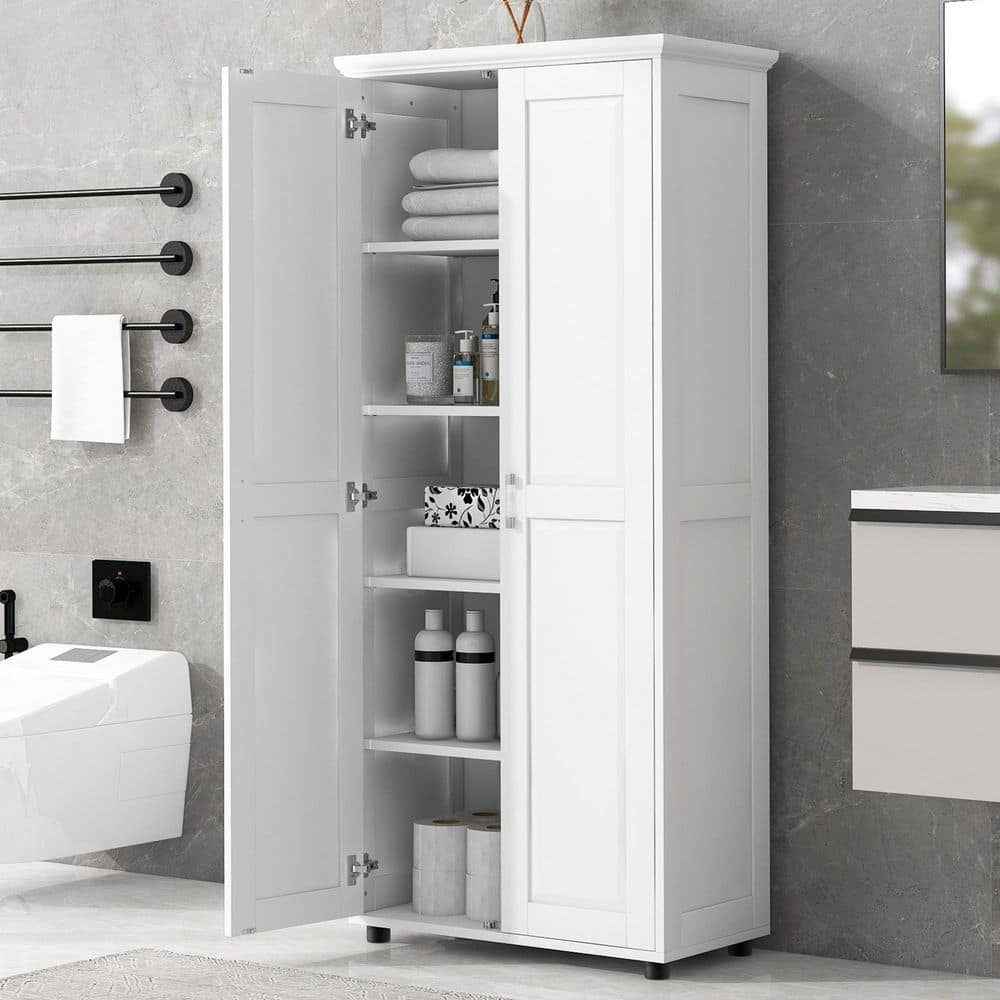
In today's crowded cities, where square footage often comes at a premium, the way we think about storage is changing. Harper's convertible storage systems are proving that clever design can turn tiny apartments into functional sanctuaries. These aren't just storage units—they're lifestyle transformers that help people live better in smaller places.
Imagine walking into your apartment and seeing a sleek, modern solution that serves multiple purposes. Maybe it's a coffee table that doubles as a storage unit, or a bed frame that conceals an entire wardrobe. This isn't science fiction—it's happening right now in apartments across the country thanks to Harper's convertible storage innovations. For people living in tight quarters, these smart solutions offer something precious: more space without taking up more room. The transformation isn't just visual; it's fundamental to how we organize our lives and interact with our homes.
The Rise of Micro-Living and Storage Challenges
Urbanization has brought us to a crossroads. Cities are growing denser, and housing costs continue to climb. This reality forces many people to embrace micro-living—a lifestyle defined by small spaces that must serve multiple functions. The challenge becomes clear: how do you keep everything you need in a space that feels too small? Traditional storage solutions often fall short, creating clutter and visual chaos instead of calm organization. Harper's approach addresses this directly by designing storage that adapts to your life rather than forcing your life into rigid containers. Consider the typical urban dweller who might have a 400-square-foot studio. Every inch matters, and every item needs a purpose beyond simple placement.
Key Features That Define Harper's Convertible Systems
What makes Harper's storage solutions stand out isn't just their cleverness—it's their thoughtful integration of form and function. Their products feature:
• Multi-purpose furniture that serves different roles throughout the day• Clever hidden compartments that reveal themselves when needed• Modular designs that can grow with your needs• Quality materials that look good and last long• Simple installation that anyone can manage
These elements combine to create storage that feels like magic. A dining table might transform into a workspace during the day, while a bench seat could hide away blankets and seasonal clothing. The beauty lies in the simplicity—the systems don't require complex mechanisms or expensive maintenance.
Real-Life Applications in Tiny Apartments
Let's see how these systems actually work in practice. Take Sarah, a graphic designer living in a 300-square-foot studio in Brooklyn. Her kitchen island doubles as a storage unit for spices and cooking tools, while her bedroom area features a headboard that conceals a full linen closet. During the day, she uses her convertible desk that transforms from a sleek surface into a storage unit when not in use. The result? More usable space and less visual clutter. Similarly, Marcus, a college student in San Francisco, uses his convertible storage system to organize textbooks, clothes, and electronics in a space that's barely bigger than a walk-in closet. His setup allows him to maintain a clean, organized environment despite limited square footage.
Cost-Benefit Analysis of Convertible Storage
One might wonder if these systems are worth the investment. The numbers tell an interesting story. While the initial cost may seem higher than traditional storage options, the long-term benefits often outweigh the upfront expense. Consider the savings from avoiding:
• Multiple separate storage units• Clutter removal services• Extra moving costs• Furniture replacement due to poor organization• Stress from constant reorganization
A single Harper convertible system can replace three or four traditional storage items, effectively reducing overall costs. Many users report spending less time managing their belongings and more time enjoying their space. The psychological benefit alone—feeling organized and in control of one's environment—is invaluable.
Design Philosophy Behind Smart Storage
Harper's approach to storage design goes beyond mere functionality. They've embraced a philosophy that considers how people actually live, not just how they might theoretically organize their belongings. This means understanding that people move through their spaces throughout the day, that families change over time, and that what works today might not work tomorrow. The systems are designed to be flexible, adapting to life's inevitable changes. A convertible storage solution for a newlywed couple will differ from one for a single professional, yet both can use the same foundational principles. The company focuses on timeless design that won't feel dated in a few years, ensuring that investments in these systems remain valuable over time.
Future Trends in Compact Living Solutions
As urban populations continue to grow, the demand for creative storage solutions shows no signs of slowing. Harper's convertible systems represent just the beginning of what's possible in small space design. Emerging trends include:
• Integration with smart home technology• More sustainable materials and manufacturing processes• Increased customization options for individual preferences• Expansion into commercial spaces and shared living environments• Development of even more compact yet efficient designs
The company continues to innovate, exploring ways to make storage solutions even more versatile and accessible. As more people embrace the idea of downsizing while maintaining quality of life, Harper's vision of adaptable, multi-functional storage becomes increasingly relevant. The future of small space living isn't just about fitting more things into less space—it's about optimizing how we interact with everything we own.
Harper's convertible storage solutions represent more than just clever furniture design—they embody a new way of thinking about living in small spaces. By focusing on adaptability, functionality, and style, these systems help people reclaim their living areas from the chaos of clutter and inefficiency. Whether you're a young professional in a studio apartment or someone looking to maximize their existing space, these solutions prove that creativity and smart design can solve practical problems. The transformation isn't just about storing more things—it's about creating more freedom in how we live. In a world where space is increasingly precious, Harper's approach offers a pathway to simpler, more intentional living that doesn't compromise on comfort or style.