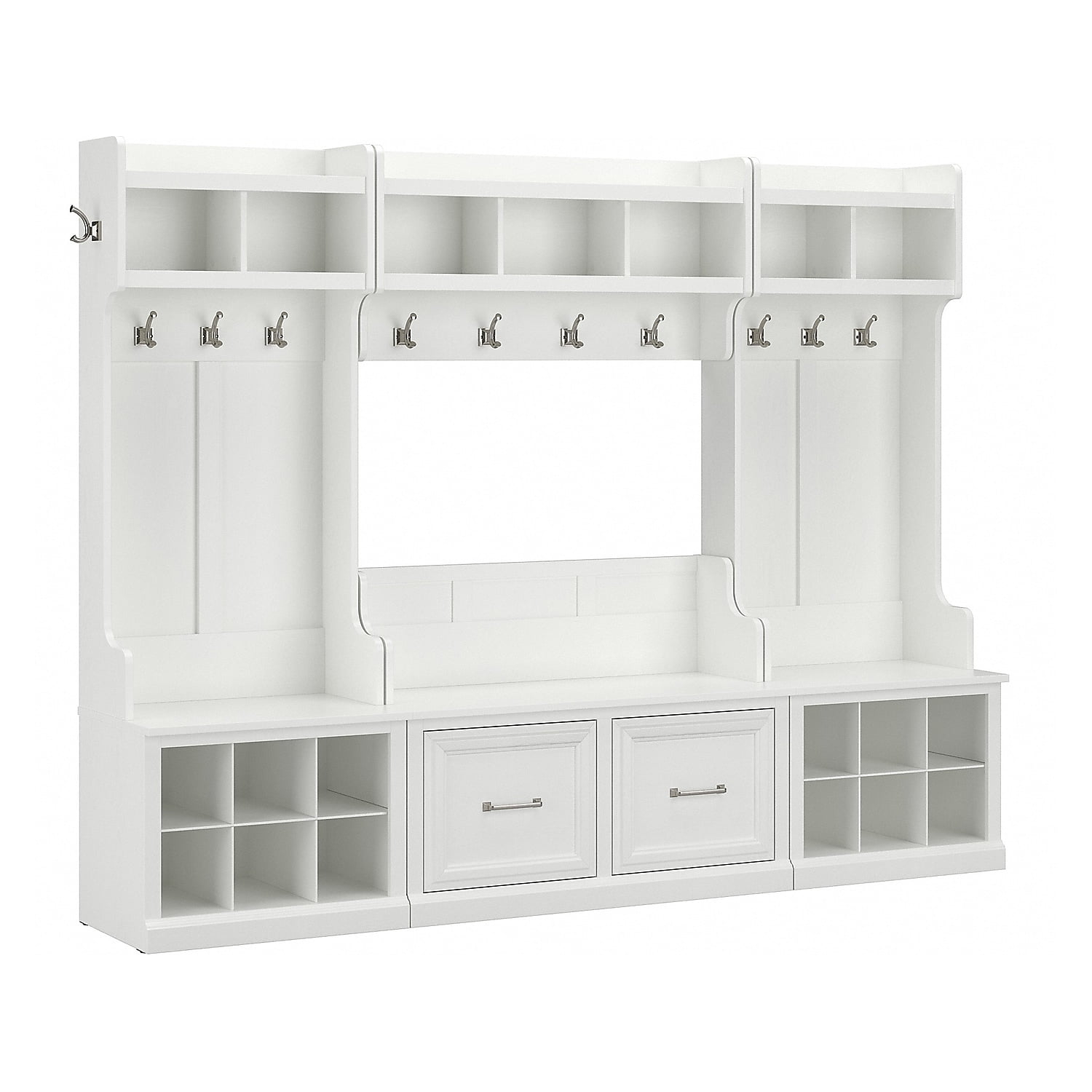
We've all been there. The entryway, the first impression of our home, often becomes a chaotic dumping ground for shoes, bags, keys, and mail. But what if there was a way to bring order and style to this high-traffic zone, using materials that are both practical and beautiful? Let's explore how engineered wood can transform your entryway.
That first step inside your home sets the tone for everything that follows. A cluttered, disorganized entryway can feel overwhelming, while a well-arranged one offers a sense of calm and welcome. When it comes to creating functional and attractive storage for this space, the material you choose is super important. You want something that can handle daily wear and tear, looks good, and is maybe even kind to your wallet and the planet. That's where engineered wood really shines. It's not just a budget alternative; it's a high-performance material perfect for solving your entryway storage dilemmas.
What Exactly is Engineered Wood?
You might have heard terms like plywood, MDF, or particleboard floating around. These are all types of engineered wood. Essentially, it's wood that's been manufactured by binding together wood strands, veneers, particles, or fibers with adhesives and pressing them into panels. Unlike solid wood, which is cut directly from a tree, engineered wood uses wood byproducts and smaller pieces, making it a more sustainable choice. It's designed to overcome some of the limitations of natural wood, like warping or cracking, and often offers superior strength and stability for specific applications. Think of it as wood, but smarter and more adaptable.
Why Engineered Wood is Perfect for Entryways
Entryways are tough environments. They deal with foot traffic, dropped items, moisture from wet shoes, and the general hustle and bustle of daily life. Engineered wood is remarkably well-suited to this kind of stress.
- Durability and Stability: Many types of engineered wood, like high-density fiberboard (HDF) or quality plywood, are incredibly strong and resistant to warping or swelling, even with fluctuating humidity levels common in entryways. This means your built-in shoe cabinets or wall shelves won't sag or twist over time.
- Cost-Effectiveness: Compared to solid hardwoods, engineered wood often provides a more budget-friendly option without sacrificing much in terms of appearance or function. This allows you to get more storage for your money.
- Versatility in Design: Engineered wood can be manufactured into a wide range of finishes, colors, and textures. Whether you're going for a sleek, modern look with high-gloss panels or a more rustic feel with a wood-grain laminate, there's an engineered wood product to match. It's also easy to cut and shape, allowing for custom designs that fit even awkward nooks and crannies.
- Sustainability: By utilizing wood fibers and byproducts, engineered wood helps reduce waste and can lessen the demand on old-growth forests. Some products even use low-VOC (volatile organic compound) adhesives, making them a healthier choice for your home.
Types of Engineered Wood for Your Entryway
Not all engineered woods are created equal, and understanding the differences can help you choose the best material for your specific needs:
- Plywood: Made from thin layers (veneers) of wood glued together with the grain of adjacent layers rotated at right angles. This cross-graining makes plywood very strong and resistant to splitting and shrinking. It's a fantastic choice for cabinet boxes and structural components.
- Medium-Density Fiberboard (MDF): Created by breaking down wood into fine fibers, combining them with wax and resin binders, and then applying high temperature and pressure. MDF is very smooth and dense, making it excellent for painted finishes or for creating intricate decorative elements. However, it can be susceptible to water damage if not properly sealed.
- Particleboard: Made from wood chips and sawdust pressed together with a resin. It's generally the least expensive option and is often used for less visible parts of furniture or for temporary solutions. While affordable, it's not as strong or durable as plywood or MDF and can be prone to swelling when wet.
- Oriented Strand Board (OSB): Similar to plywood but made from larger, more uniform wood strands arranged in specific orientations. It's strong and cost-effective, often used in construction, but less common for visible interior finishes unless covered with a decorative laminate.
Designing Your Dream Entryway Storage
With engineered wood, the possibilities for entryway storage are virtually endless. Think about what you need most:
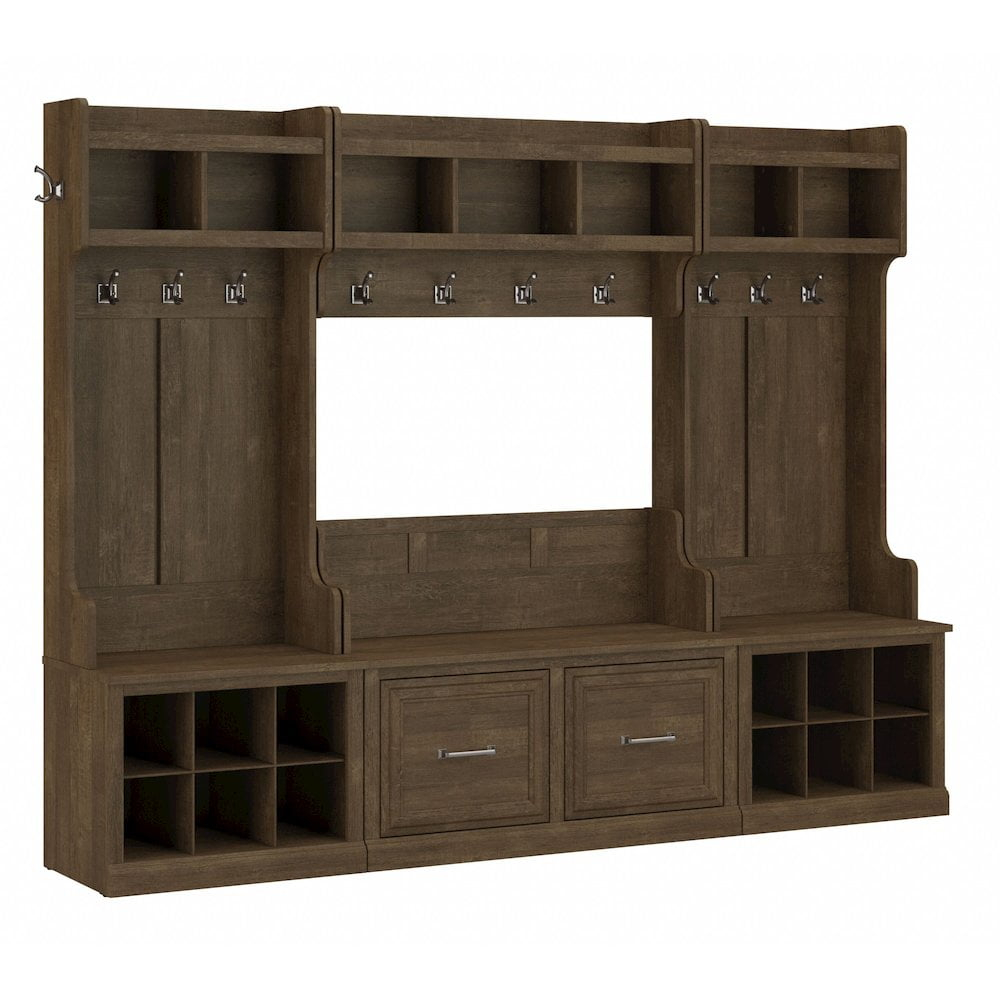
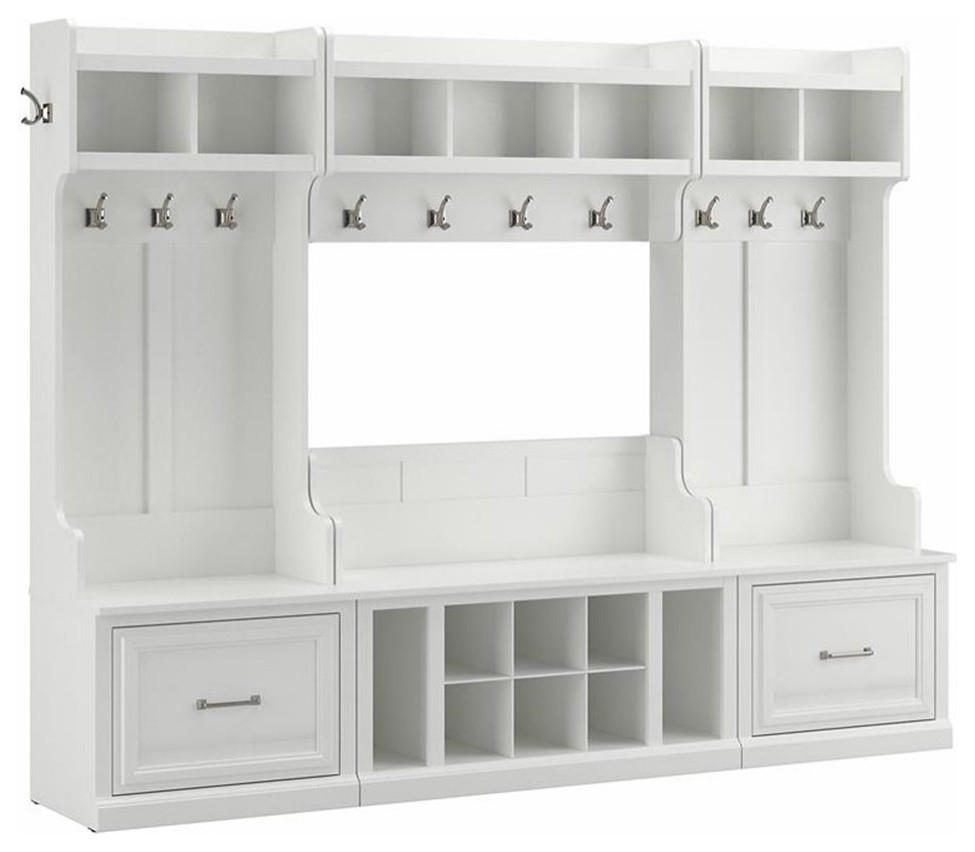
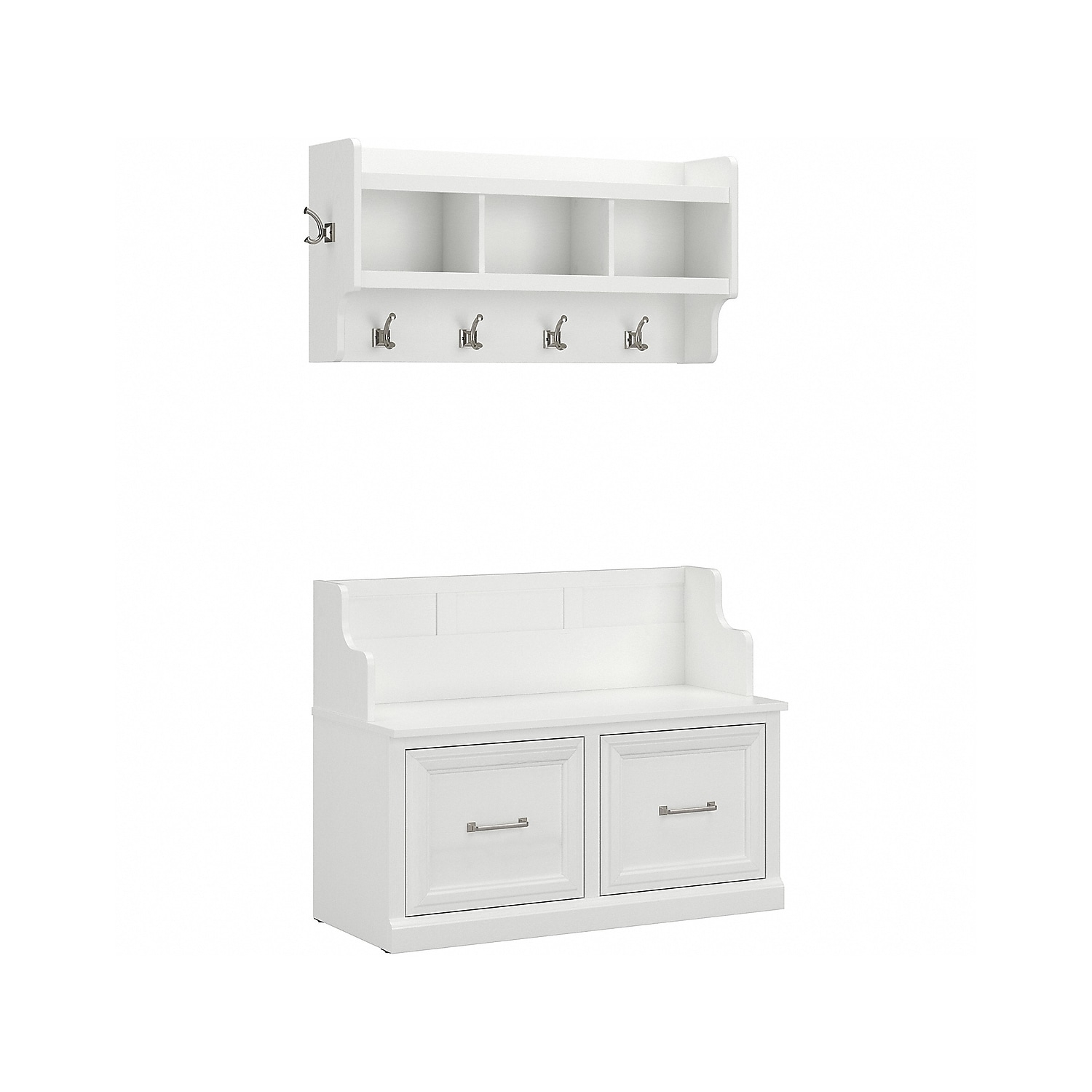
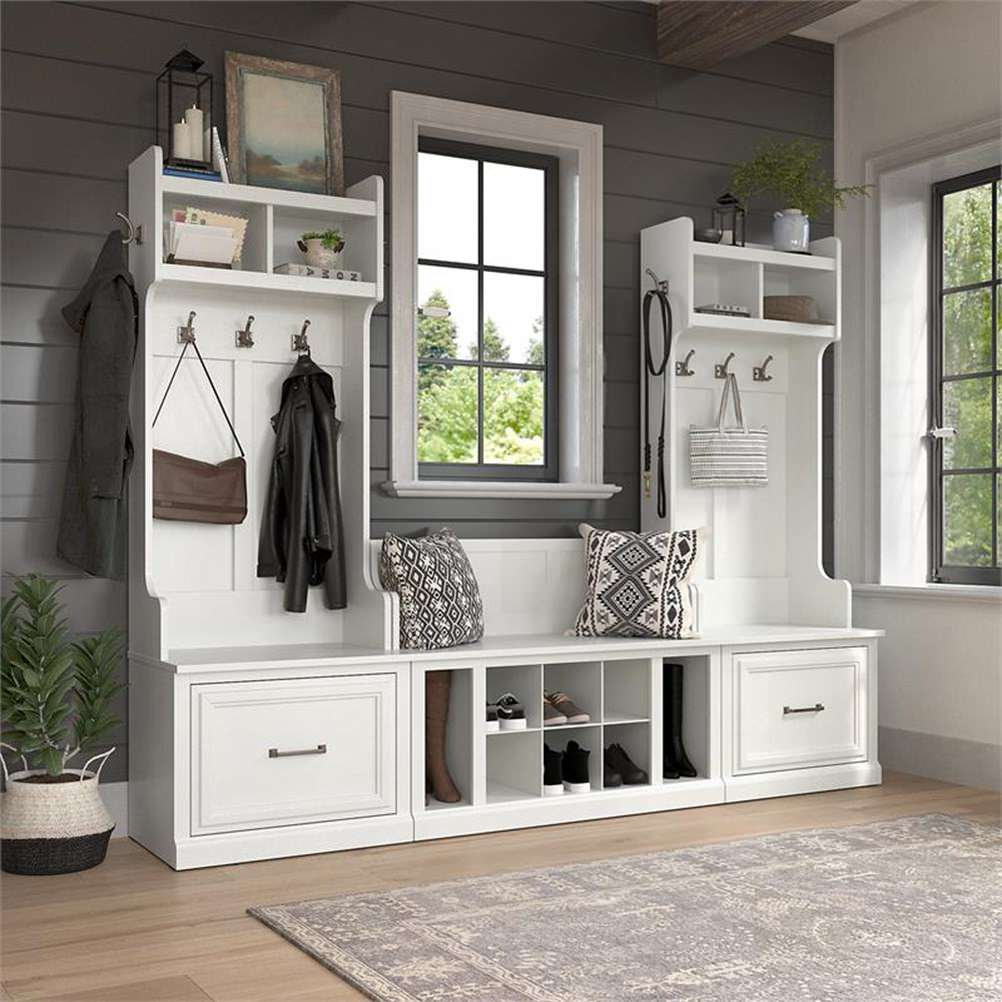
- Shoe Storage: Built-in benches with lift-up tops, pull-out drawers, or cubbies are perfect for stashing shoes. Plywood is great for the main structure, while MDF can be used for drawer fronts that you plan to paint.
- Coat Hooks and Shelving: Simple shelves above a console table can hold keys and mail, while sturdy plywood can be used to build the framework for robust coat racks.
- Console Tables and Cabinets: Custom-sized console tables or narrow cabinets made from engineered wood can provide a surface for decor and hidden storage for less sightly items.
- Wall-Mounted Solutions: Floating shelves or wall-mounted cabinets are excellent space-savers, especially in smaller entryways. Engineered wood panels are ideal for this, offering stability and a clean look.
When designing, consider the finish. Laminates offer a wide array of wood grains and solid colors, are easy to clean, and are quite durable. Veneered plywood offers a more authentic wood look and can be stained or painted. For painted finishes, MDF is often the go-to due to its smooth, uniform surface.
Tips for Working with Engineered Wood
If you're planning a DIY entryway project, here are a few things to keep in mind:
- Edge Treatment: The exposed edges of some engineered woods, like MDF and particleboard, can look unfinished. You can cover them with iron-on edge banding, apply wood filler and paint, or use decorative trim for a polished appearance.
- Moisture Protection: For areas prone to moisture (like around shoe storage), consider using moisture-resistant engineered wood products or applying a sealant, especially to edges and undersides.
- Cutting and Drilling: Use sharp blades designed for the specific type of engineered wood you're using to get clean cuts and prevent chipping. For MDF, a dust mask is a must, as the fine particles can be harmful if inhaled.
- Fasteners: While screws work well, be mindful of the density. For particleboard, pre-drilling pilot holes and using screws specifically designed for it can prevent splitting. High-quality plywood is more forgiving.
The Long-Term Value
Investing in entryway storage made from quality engineered wood isn't just about immediate tidiness; it's about creating a lasting solution. Unlike flimsy plastic organizers or poorly constructed furniture that might warp or break, well-made engineered wood pieces can serve your family for years. They offer a balance of affordability, durability, and aesthetic appeal that's hard to beat. Imagine walking into your home every day to a perfectly organized and welcoming entryway – that's the promise engineered wood can help you fulfill.
So, the next time you're thinking about tackling that entryway clutter, don't overlook the power of engineered wood. It’s a versatile, robust, and often surprisingly affordable material that can be shaped into exactly the kind of storage you need. From sleek modern cabinets to functional benches, engineered wood is ready to help you create an entryway that’s both beautiful and blissfully organized. It’s a smart choice that brings real value and lasting order to one of the most important spaces in your home.