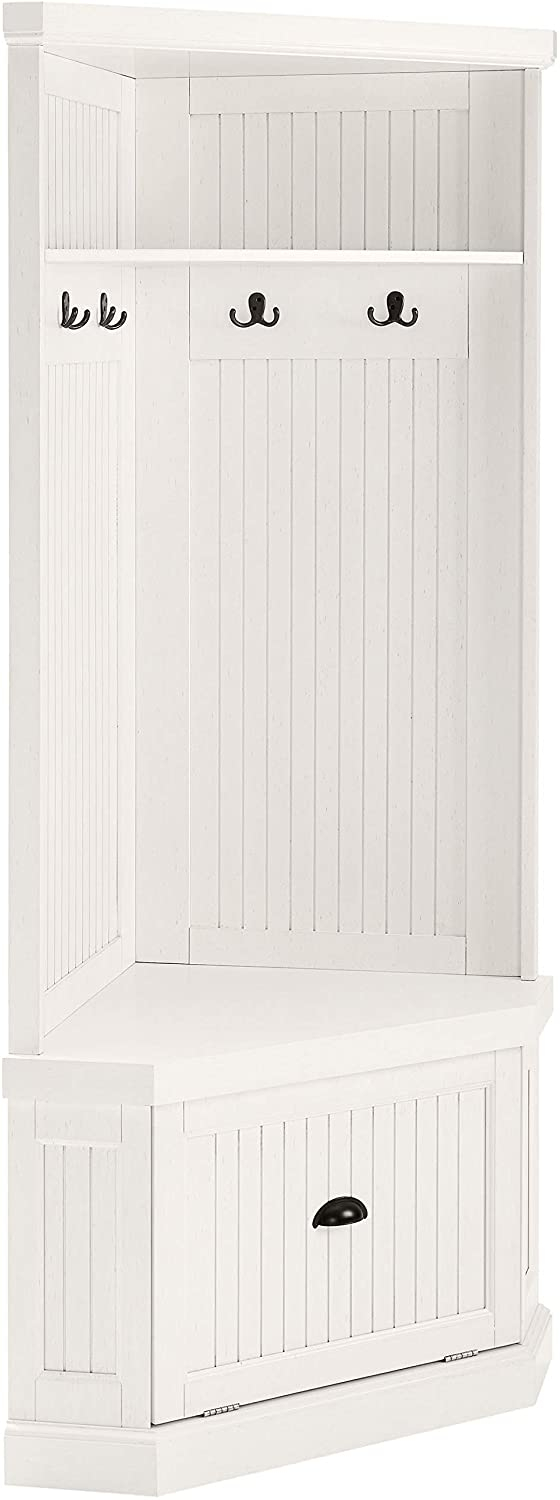
Your entryway sets the tone for your entire home. It’s the first impression, the welcoming committee, and often, the battleground for clutter. A hall tree is a fantastic solution, offering storage and style. But when it comes to the classic seaside look, the choice often boils down to two enduring colors: black and white. Which one will bring your entryway to life and keep it organized? Let's dive in.
So, you've decided a hall tree is the way to go for your entryway. Smart move. It's a versatile piece that can hold coats, hats, bags, and even offer a place to perch while you tie your shoes. Now comes the fun part – picking the style and, crucially, the color. The 'seaside' aesthetic conjures images of breezy coastlines, calming blues, and natural textures. When we talk about seaside hall trees, black and white often emerge as the frontrunners. They're timeless, adaptable, and can truly define the mood of your space. But how do you pick the one that’s perfect for your home? It’s not just about looks, is it? It’s about practicality, longevity, and how it all fits together.
The Allure of White: Bright, Airy, and Coastal
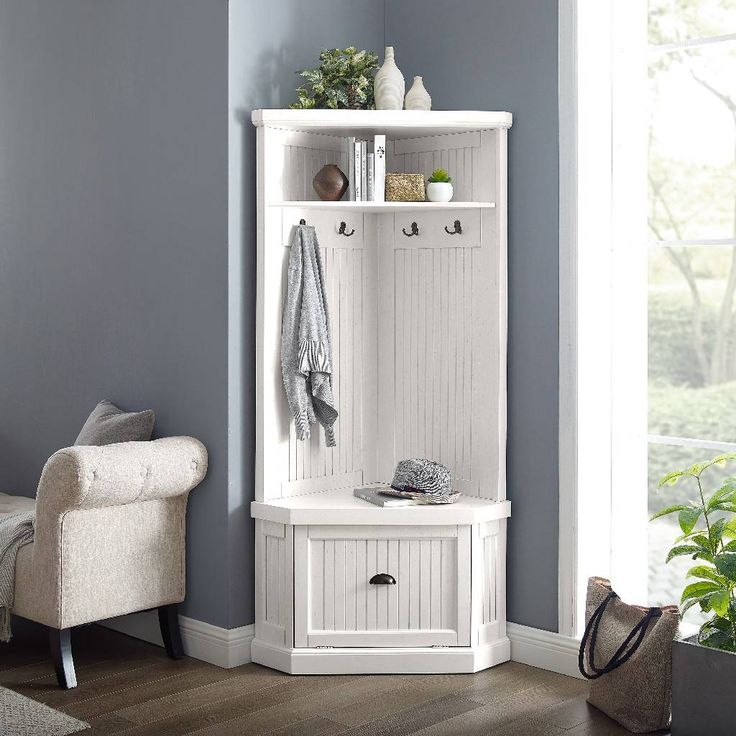
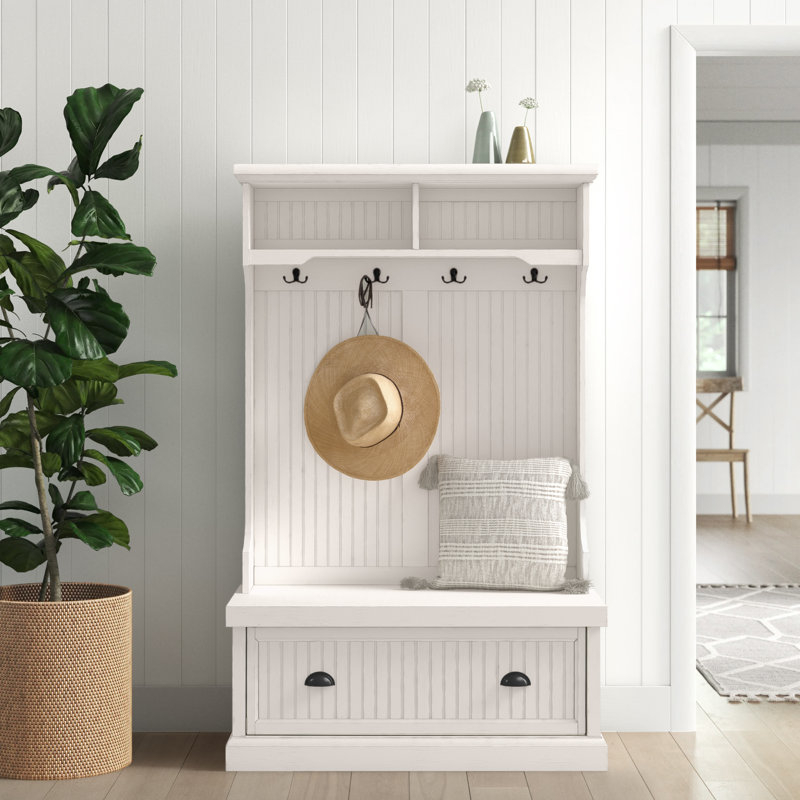
White is practically synonymous with coastal living. Think crisp sails, sandy shores, and sun-drenched porches. A white seaside hall tree can instantly brighten your entryway, making it feel more spacious and open. It’s incredibly versatile, pairing well with almost any other color. If you have a smaller entryway, white can be a game-changer, visually expanding the space. Plus, it really pops against darker walls or a more muted color palette. It’s a classic for a reason, offering a clean, fresh look that’s hard to beat. Imagine a lovely white hall tree, adorned with a few nautical-themed hooks and perhaps a small potted plant. It just feels right for that seaside vibe. It can also make your space feel more cheerful and inviting. However, white does have its Achilles' heel: it shows dirt and scuffs more readily. Keeping it pristine might require a bit more elbow grease, especially if you have kids or pets tracking in mud and grime. But the aesthetic payoff can be well worth the effort.
The Sophistication of Black: Bold, Elegant, and Grounding
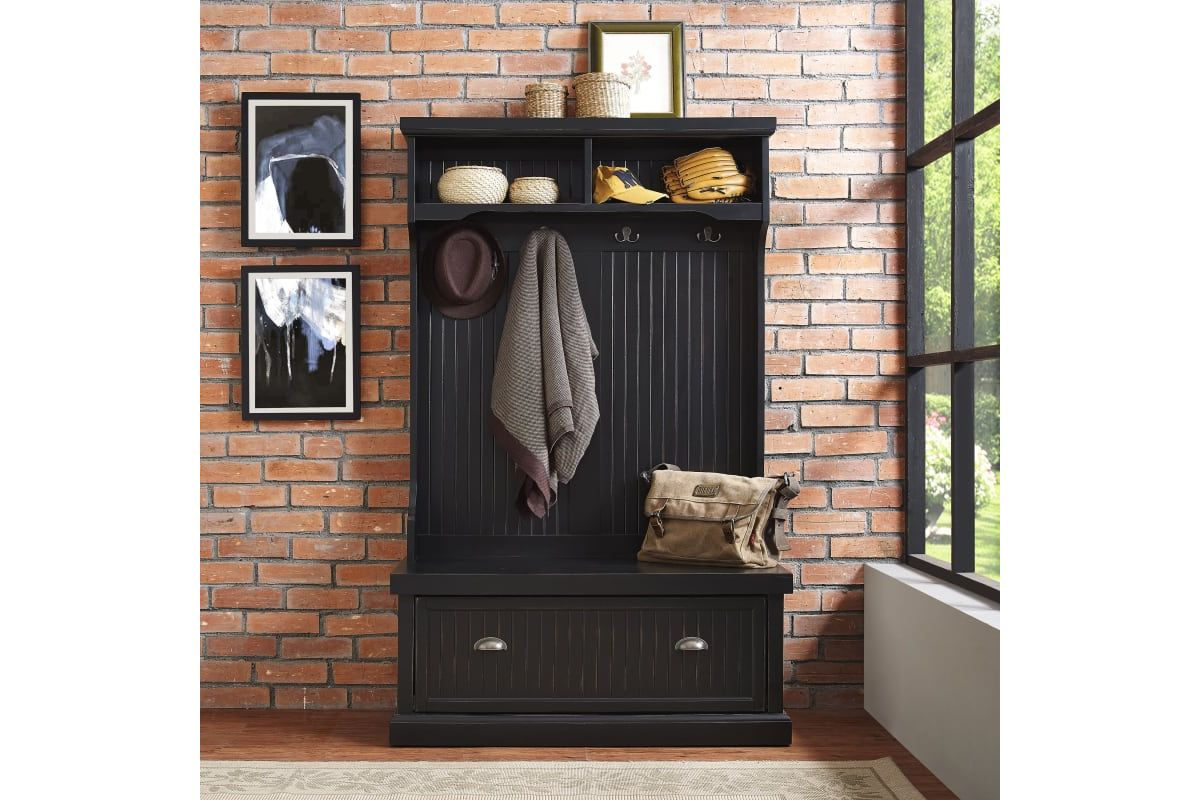
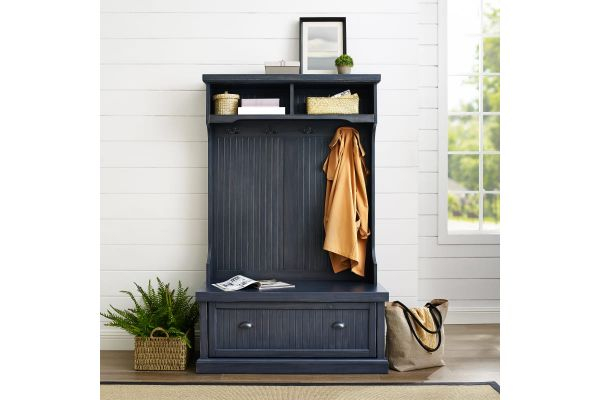
On the flip side, black offers a more grounded and sophisticated take on the seaside theme. It can provide a striking contrast, adding depth and drama to your entryway. Black hall trees can anchor a space, making it feel more intentional and polished. If your home already has a lot of light colors or you want to create a more dramatic statement, black is an excellent choice. It’s also surprisingly forgiving when it comes to hiding minor scuffs and dirt, which is a definite plus for busy households. A black hall tree can evoke the feeling of weathered wood or even the elegance of a classic pier. It pairs beautifully with natural wood tones, brass accents, and pops of color like navy or coral, all of which fit perfectly within a seaside aesthetic. Consider a black hall tree with some brushed nickel hardware – it’s a look that’s both timeless and contemporary. It can also lend a touch of timeless elegance, making your entryway feel more upscale and curated. It’s a choice that speaks of confident style.
Practicality Check: Maintenance and Durability
Let's be real, the best-looking hall tree is one that stays looking good. When considering black versus white, maintenance is a key factor. As mentioned, white tends to show dirt, dust, and marks more obviously. A quick wipe-down with a damp cloth might be necessary more frequently to keep it looking sharp. Black, while better at hiding everyday grime, can sometimes show dust more readily, especially if it has a matte finish. Scratches or chips on a black finish might also be more noticeable than on a white one, depending on the type of paint or finish used. When choosing, think about the material of the hall tree itself. Is it solid wood, MDF, or metal? Wood can be painted or stained, and the quality of the finish will play a big role in its durability. For painted finishes, a good quality, semi-gloss or satin sheen is often easier to clean than a flat finish. Always check manufacturer care instructions before making your final decision. It’s worth thinking about your lifestyle here. Are you someone who enjoys regular tidying, or do you prefer something a bit more low-maintenance?
Style Synergy: Matching Your Existing Decor
The most important factor, ultimately, is how the hall tree complements your existing decor. Think about the colors already present in your entryway and adjacent rooms. If your home is filled with light, airy colors, a white hall tree will likely blend seamlessly. It can enhance that feeling of openness and light. If you have a more eclectic style, or perhaps darker wood accents elsewhere, a black hall tree might provide a more cohesive and grounding element. Consider the hardware too. Are you leaning towards brushed nickel, matte black, or perhaps a vintage brass? White hall trees often look stunning with brushed nickel or chrome hardware, reinforcing that clean, coastal feel. Black hall trees can look equally good with brushed nickel for a modern look, or with antique brass for a more traditional or nautical appeal. Don't forget about the other elements in your entryway – rugs, mirrors, lighting. How will your chosen hall tree interact with them? Visualizing the complete picture is crucial.
Beyond Color: Material and Design Factors
While color is a big decision, don't overlook other aspects of your seaside hall tree. The material matters. Solid wood offers durability and a classic feel, often with beautiful grain patterns that can shine through lighter finishes. MDF or particleboard can be more budget-friendly but might not stand up to heavy use as well. The design itself should also align with your seaside vision. Look for details like beadboard paneling, nautical-inspired hooks, or perhaps a weathered or distressed finish that enhances the coastal charm. Some hall trees also include built-in benches or drawers, adding even more functionality. Think about the scale of the hall tree too. You don't want it to overwhelm your entryway, nor do you want it to feel too small and insignificant. Measure your space carefully and consider the overall proportions. A well-chosen design, regardless of color, will enhance your entryway.
Making the Final Call: Your Personal Preference
At the end of the day, the 'right' choice between a black and white seaside hall tree is entirely personal. Both offer distinct advantages and can contribute beautifully to a coastal aesthetic. Do you crave the bright, open feel that white provides, and are you prepared for the slightly more involved upkeep? Or does the sophisticated grounding and forgiving nature of black appeal more to your sense of style and practicality? Perhaps you're even considering a more adventurous color, like a soft seafoam green or a weathered blue, to truly embrace the seaside theme. Whatever you choose, ensure it brings you joy every time you walk through your door. Your entryway should feel like a welcoming embrace, a space that reflects your personality and makes you feel at home. Trust your gut, consider the practicalities, and select the hall tree that speaks to you.
Choosing between a black and white seaside hall tree is a delightful dilemma, and honestly, you can't go too wrong with either. White offers that undeniable coastal brightness and airiness, making spaces feel larger and more cheerful. Black provides a sophisticated contrast, grounding your entryway with a touch of elegance and offering a bit more forgiveness in terms of daily wear. Consider your home's existing palette, your lifestyle, and what aesthetic truly resonates with you. Whether you opt for the crispness of white or the understated drama of black, a well-chosen hall tree will undoubtedly elevate your entryway, offering both style and much-needed organization for your daily comings and goings. Happy decorating.