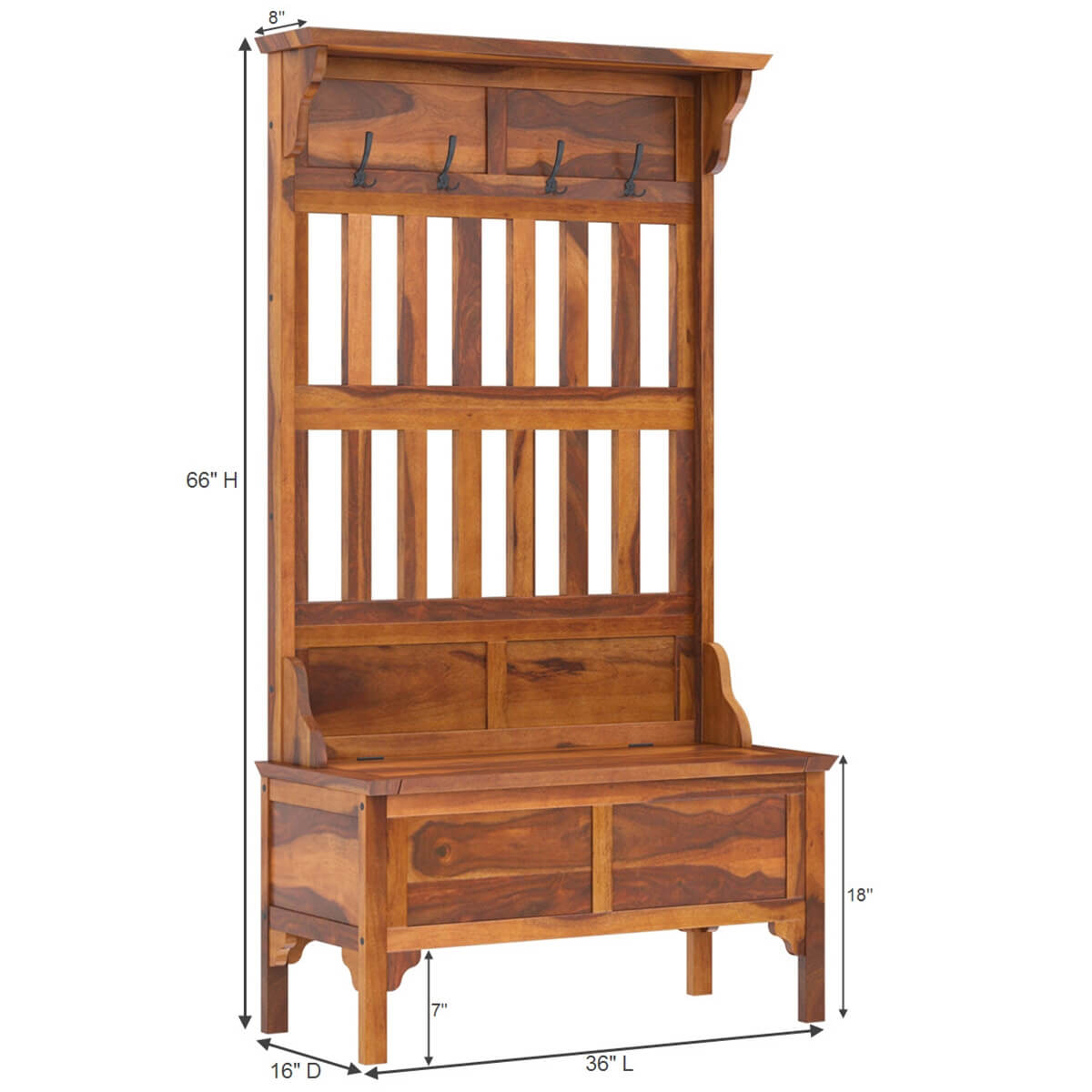
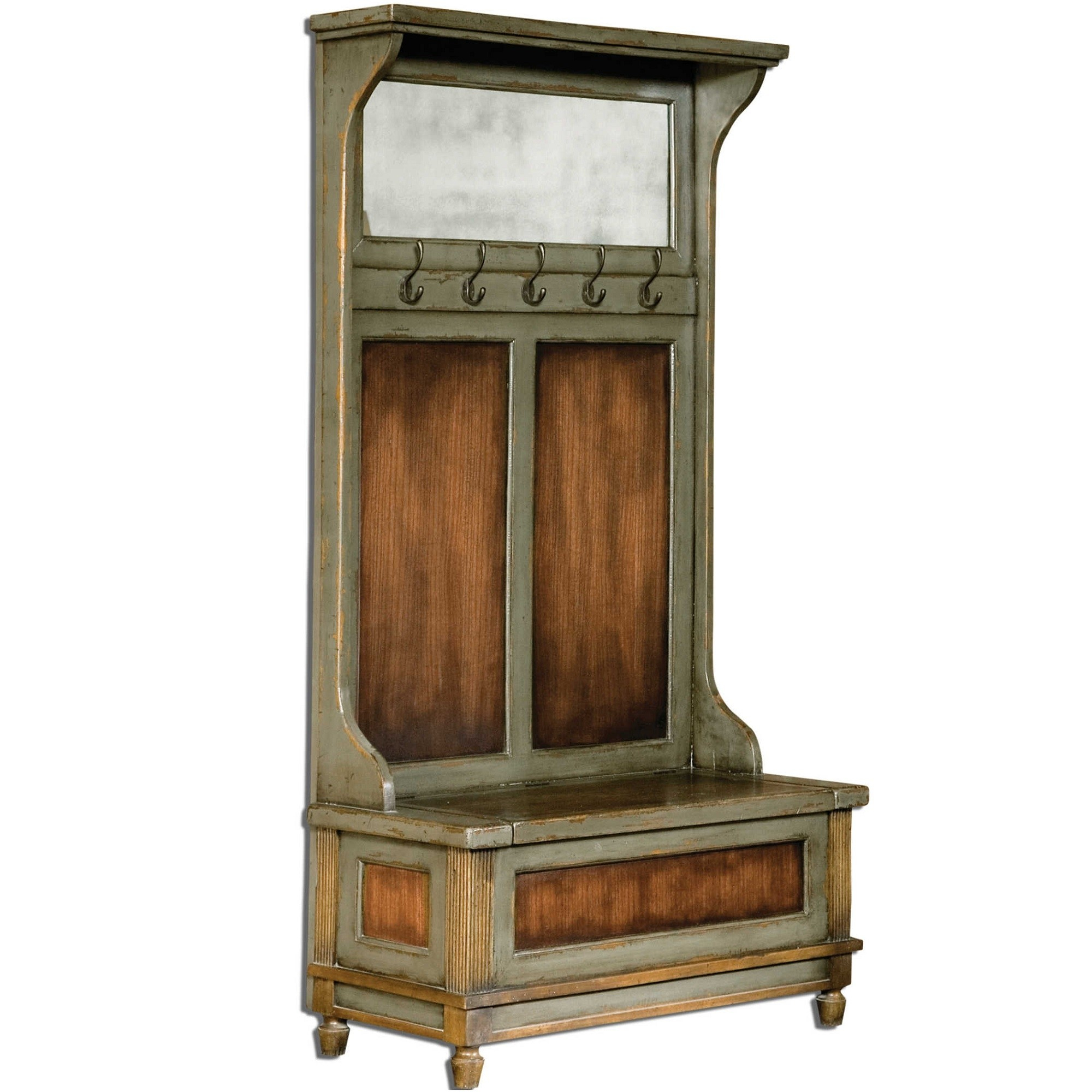
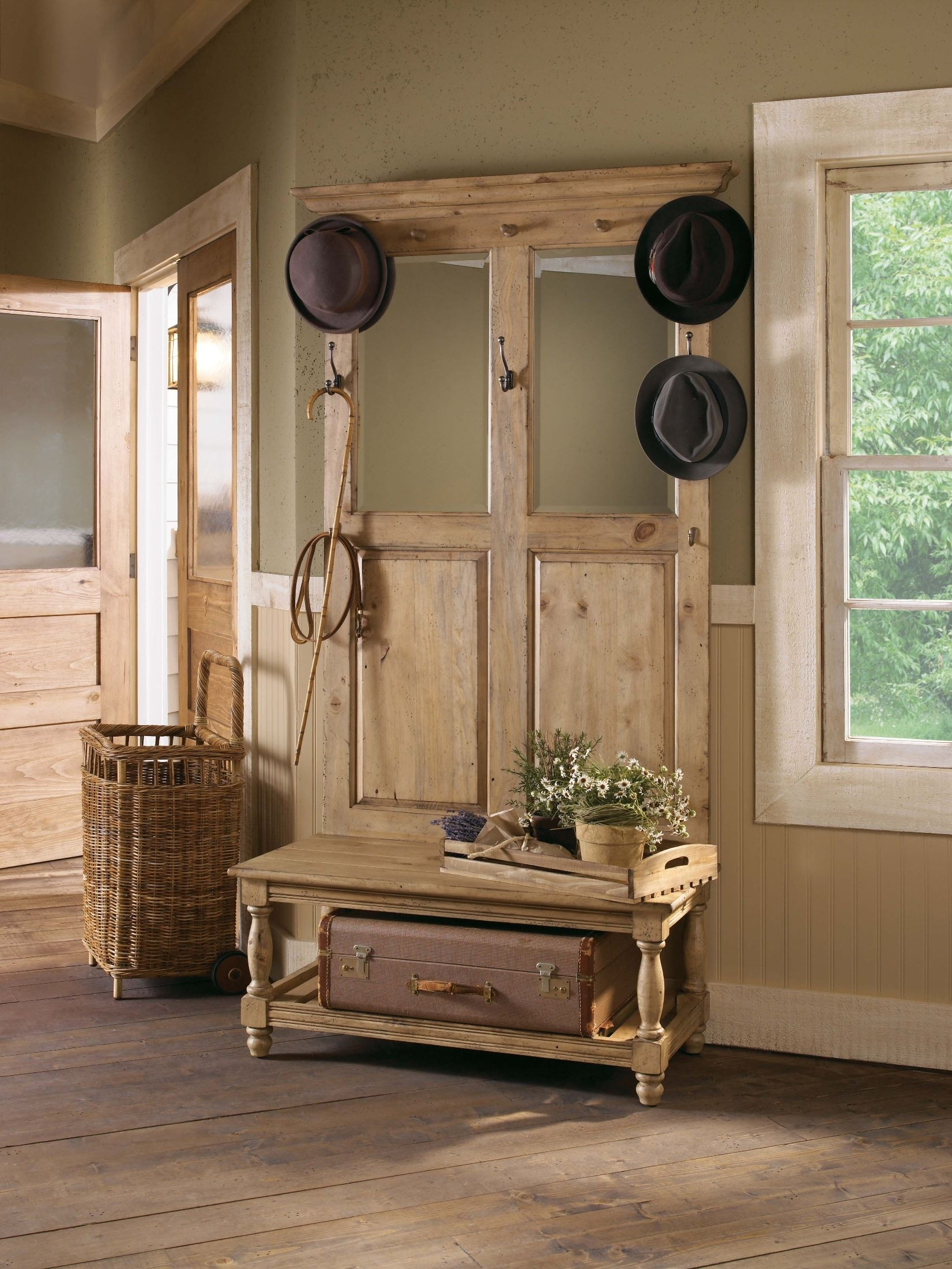
Hall trees, those stately sentinels of the entryway, hold a special place in many homes. They're more than just a place to hang coats; they're a statement piece, a functional work of art that often carries with it a rich history. Whether it's an antique passed down through families, or a vintage find from a local shop, these pieces deserve our care and attention. This article will be your guide to understanding the essence of hall tree care, ensuring your piece continues to charm and provide utility for years to come. It's a journey into preserving a piece of the past, and making it a part of your present.
Old wood furniture, like a hall tree, is more than just a thing; it's a connection to the past. It whispers stories of bygone eras, and it brings a sense of timelessness to our homes. But to keep these treasures looking their best, we have to learn the right ways to take care of them. This isn't about complicated methods or expensive products. It's about simple, effective techniques that will help your hall tree age gracefully. We'll cover everything from cleaning and repair to protecting it from the elements and everyday wear and tear. Get ready to become a hall tree guardian, and keep your piece in tip-top shape.
Understanding Your Hall Tree's Wood Type
Before you begin any care regimen, it's vital to know what kind of wood your hall tree is made from. Different wood types have different needs. Is it oak, mahogany, walnut, or pine? Each reacts differently to cleaning products, humidity, and light.
- Oak: Known for its strength and durability, oak often features a prominent grain.
- Mahogany: Prized for its rich color and fine grain, mahogany is often found in more expensive pieces.
- Walnut: Another beautiful hardwood, walnut can range in color from light brown to deep chocolate.
- Pine: Softer and more prone to scratches, pine is a common choice for more rustic or less expensive hall trees.
If you're unsure, gently inspect the wood. Look at the grain pattern, or ask a furniture restoration expert for their opinion. Knowing the wood type helps you choose the right cleaning and protection products.
Gentle Cleaning: The Key to Longevity
Dusting your hall tree regularly is the simplest way to keep it in good condition. A soft, microfiber cloth is your best friend here – it's gentle and captures dust effectively. When it's time for a deeper clean, avoid harsh chemicals and abrasive cleaners. Here's a simple, effective cleaning method:
- Dust Thoroughly: Start by dusting the entire hall tree, including all surfaces, crevices, and carvings. A soft brush can be helpful for reaching difficult spots.
- Mild Soap and Water: Mix a small amount of mild soap (like dish soap) with warm water. Dip your microfiber cloth into the soapy water, wring it out well, and gently wipe down the surfaces.
- Rinse and Dry: Use a clean, damp cloth to remove any soap residue. Immediately dry the area with a fresh, dry microfiber cloth. Make sure there's no water left behind.
Avoid using anything that contains ammonia or alcohol, as these can strip the finish and dry out the wood. Always test any cleaning solution in an inconspicuous area first, to ensure it doesn't damage the finish.
Dealing with Scratches, Dents, and Minor Damage
Life happens, and your hall tree may develop scratches, dents, or other minor imperfections. Don't worry, these are often fixable. Here are some techniques to try:
- Scratches: For shallow scratches, try using a wood polish that matches the color of your hall tree. Apply a small amount with a soft cloth and rub it in the direction of the grain. Another option is to use a walnut or pecan (if the wood is light-colored) rubbing it directly on the scratch.
- Dents: Gently apply a damp cloth over the dent and use a warm iron (on a low setting) on top of the cloth. The steam can help lift the wood fibers. Be very careful not to scorch the wood.
- Loose Joints: If the hall tree has loose joints, you might need to re-glue them. This is a more involved repair, so consider consulting a professional if you're not comfortable with it.
Always remember to test any repair method in an area that's not easily seen before applying it to the entire piece.
Protecting Your Hall Tree from the Elements
Hall trees aren't built to withstand the elements, so protecting them from environmental factors is crucial.
- Sunlight: Direct sunlight can fade and damage the finish of your hall tree. Place it away from direct sunlight or use curtains or blinds to filter the light.
- Humidity and Temperature: Extreme temperature or humidity changes can cause the wood to expand and contract, leading to cracks. Keep your hall tree in a stable environment, away from heat sources or air conditioning vents.
- Water Damage: Water is the enemy of wood furniture. Wipe up spills immediately, and avoid placing the hall tree in areas prone to moisture. Use coasters under any decorative items that might hold moisture.
Consider applying a quality wood protectant to provide an extra layer of defense against moisture and UV damage. Choose a product that's specifically formulated for your wood type and finish.
Long-Term Preservation: Preventive Measures
Preventive care is the best way to ensure your hall tree lasts for generations. Here are a few things to keep in mind:
- Regular Maintenance: Continue with your dusting and cleaning routine. Inspect the hall tree regularly for any signs of damage or wear.
- Avoid Overloading: Don't overload the hall tree with too many coats, hats, and other items. This can put stress on the joints and hardware.
- Proper Storage: If you need to store your hall tree for an extended period, make sure it's in a climate-controlled environment, covered with a breathable fabric, and away from direct sunlight.
- Professional Help: Don't hesitate to seek professional help from a furniture restorer if you encounter significant damage or are unsure about a repair.
Showcasing Your Hall Tree: Display and Decor
Once your hall tree is clean and well-maintained, it's time to think about how to showcase it. Consider the surrounding space and the overall style of your home.
- Placement: Position your hall tree in a prominent location, like an entryway, hallway, or even a bedroom. Make sure it's easily accessible and doesn't obstruct foot traffic.
- Accessories: Add accessories to enhance its beauty and functionality. A decorative umbrella stand, a small bench, or a mirror can complement the hall tree beautifully.
- Personal Touches: Add a personal touch with items that reflect your taste and personality. A framed family photo, a favorite hat, or a vase of flowers can make the hall tree feel welcoming and inviting.
Your hall tree is a statement piece, so let it shine. By incorporating thoughtful display and decor, you can transform it into a stunning focal point.
Caring for your hall tree is a rewarding experience. It's a chance to connect with history, appreciate craftsmanship, and preserve a piece of furniture for future generations. By following the simple tips and techniques outlined in this article – from understanding your hall tree's wood type to implementing regular cleaning and protection – you can ensure that your hall tree continues to be a cherished part of your home. Remember, it's not about perfection; it's about providing consistent, loving care. So, embrace the journey, and enjoy the satisfaction of breathing new life into your old wood. It's a legacy of care you can be proud of.