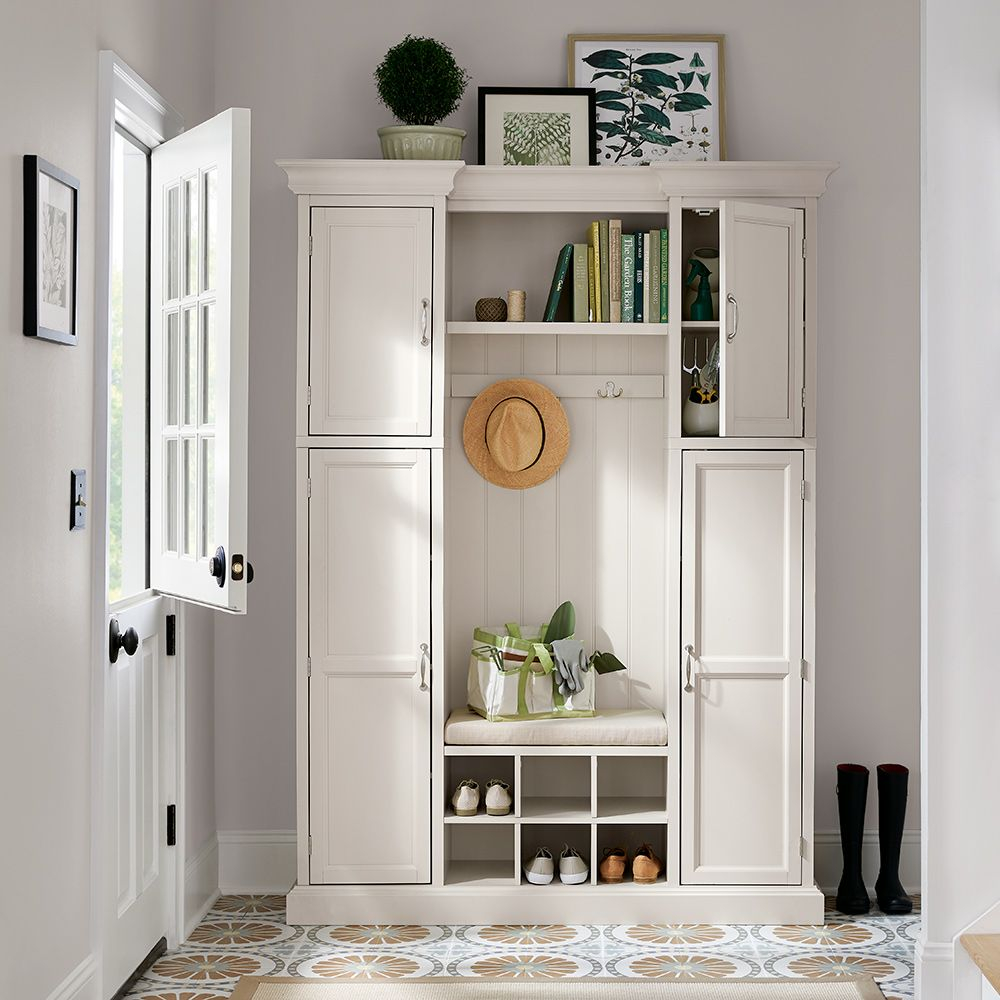
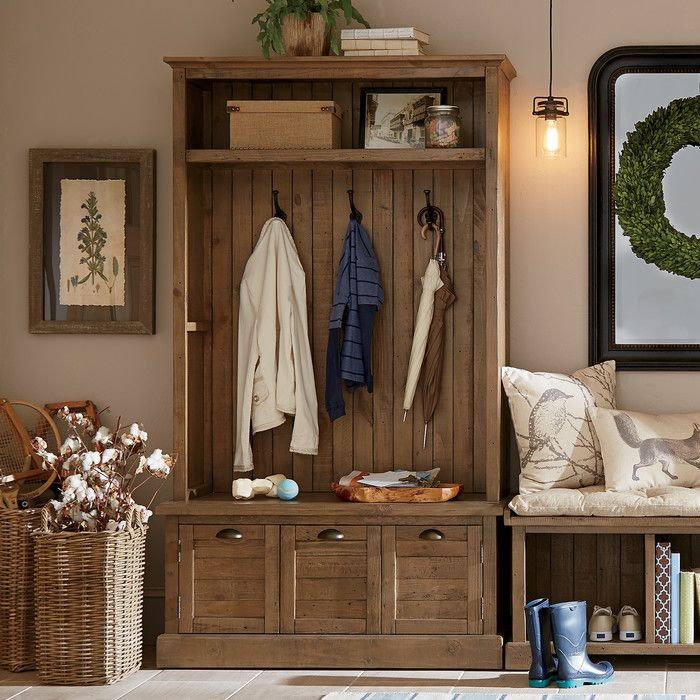
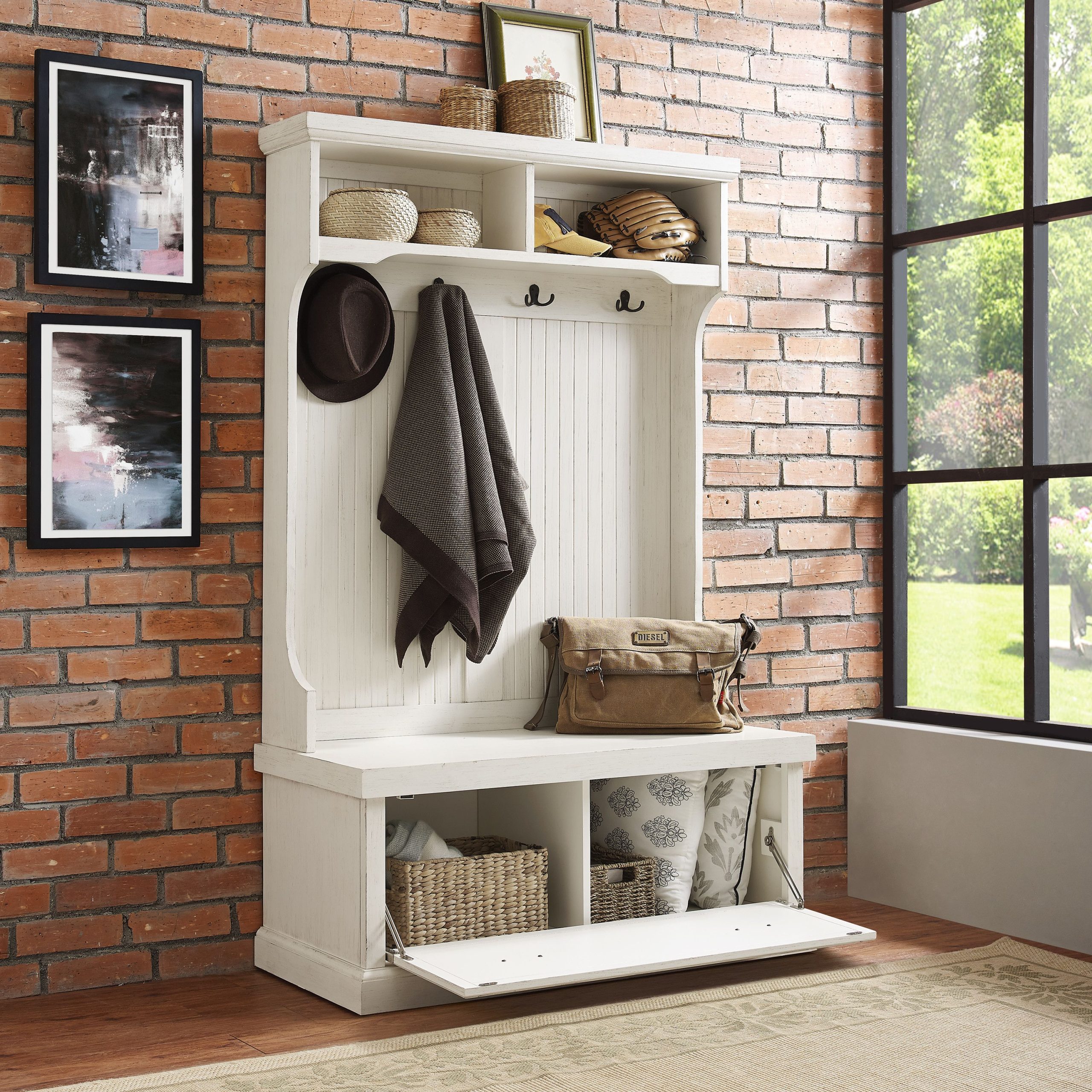
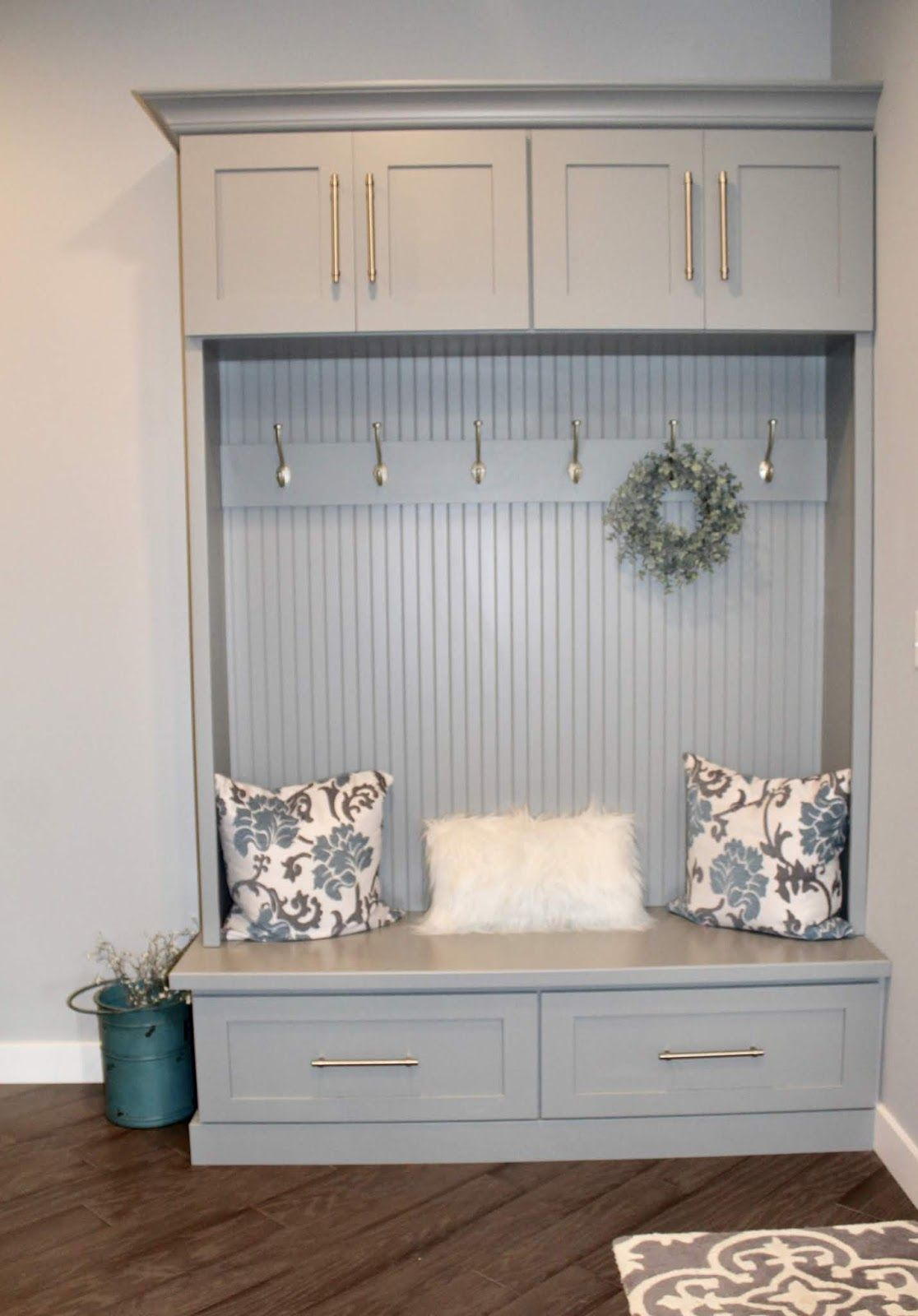
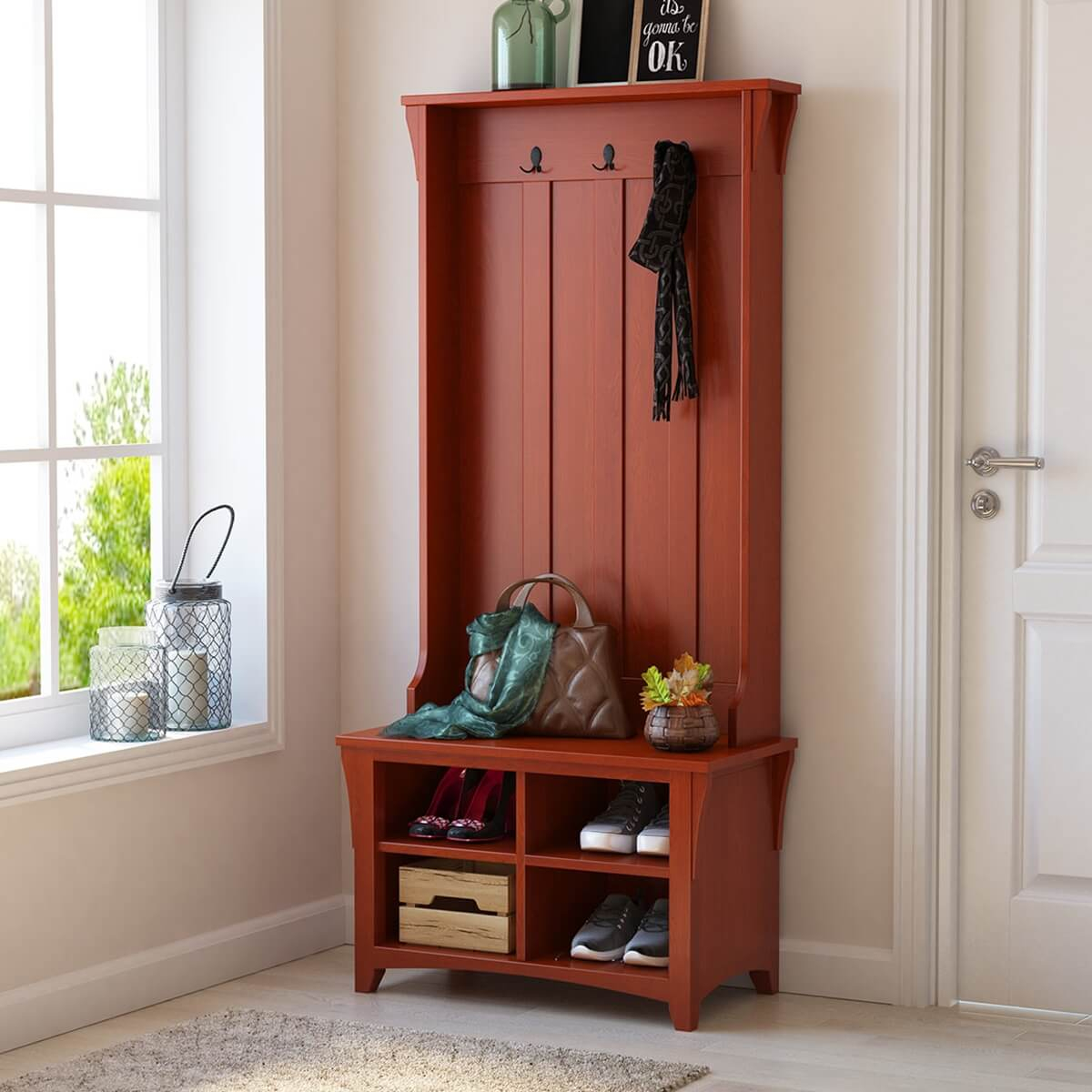
We all want a welcoming entryway. A hall tree can be a game-changer, providing storage, a place to sit, and a spot to hang coats and bags. But before you splurge, you need to consider the materials. The material determines durability, style, and price. Let’s dive deep into the most common options, weighing their advantages and disadvantages so you can make a smart decision. This isn't just about looks; it's about long-term value and suitability for your lifestyle.
Your entryway is the first impression your home makes. It's where you and your guests transition from the outside world into your space. An entryway hall tree is a great way to make this transition smoother, more organized, and more stylish. But the material of your hall tree is super important; it impacts everything from how long it lasts to how well it fits your aesthetic. This article will break down the pros and cons of the most popular hall tree materials, helping you make an informed choice that you’ll love for years to come. Ready to get started. Let's go!
Solid Wood: The Timeless Classic
Solid wood hall trees are a popular choice, and for good reason. They bring a sense of warmth, quality, and permanence to a space.
Pros:
- Durability: Solid wood is incredibly sturdy and can withstand years of use, even with heavy coats and bags. It's built to last.
- Aesthetics: The natural grain and beauty of wood are unmatched. It adds a touch of elegance and sophistication. Plus, you can stain or paint it to match your decor.
- Longevity: With proper care, a solid wood hall tree can last for generations. It's a true investment.
- Repairability: Scratches or dings can often be sanded and refinished, giving your hall tree a new lease on life.
Cons:
- Cost: Solid wood hall trees are typically more expensive than other options.
- Maintenance: Wood requires regular cleaning and sometimes polishing to maintain its appearance.
- Susceptibility to Moisture: Wood can warp or crack if exposed to excessive moisture or humidity. This is a big deal.
- Weight: Solid wood furniture can be heavy, making it difficult to move or rearrange.
Engineered Wood (MDF, Particleboard): The Budget-Friendly Choice
Engineered wood, such as medium-density fiberboard (MDF) and particleboard, is a more cost-effective alternative to solid wood. It's made by bonding wood fibers with resin, creating a dense and stable material.
Pros:
- Affordability: Engineered wood hall trees are generally much cheaper than solid wood options, making them accessible to a wider range of budgets.
- Versatility: They can be easily painted or finished to match any decor style.
- Stability: Engineered wood is less prone to warping or cracking compared to solid wood, especially in fluctuating humidity conditions.
- Availability: Engineered wood hall trees are widely available in various styles and sizes.
Cons:
- Durability: Engineered wood is less durable than solid wood and can be more easily damaged by scratches, dents, or moisture.
- Repairability: Damage is harder to fix. You can't always sand and refinish engineered wood like you can solid wood.
- Water Damage: Moisture can cause engineered wood to swell and lose its structural integrity. Be careful.
- Environmental Concerns: Some engineered wood products may contain formaldehyde, which can be a health concern.
Metal: The Modern & Industrial Look
Metal hall trees offer a sleek and modern aesthetic. They can fit well in various styles, from industrial to minimalist.
Pros:
- Durability: Metal is exceptionally strong and can withstand heavy use. It's resistant to scratches and dents.
- Low Maintenance: Metal is easy to clean and doesn't require much upkeep.
- Style: Metal hall trees come in a variety of finishes, from powder-coated to raw steel, offering a range of design options.
- Moisture Resistant: Metal isn't affected by humidity or water damage.
Cons:
- Rust: Some metals, like steel, can rust if not properly treated or if exposed to excessive moisture.
- Weight: Similar to solid wood, metal furniture can be heavy and difficult to move.
- Cold Appearance: Metal can feel cold and less inviting than wood, depending on the finish and design.
- Limited Warmth: It might not always create a warm, cozy feeling.
Bamboo: The Eco-Friendly Option
Bamboo is a rapidly renewable resource, making it an attractive choice for eco-conscious consumers. It’s also known for its strength and durability.
Pros:
- Sustainability: Bamboo is a highly renewable resource, growing quickly and requiring minimal resources to cultivate.
- Strength: Bamboo is surprisingly strong and durable, even stronger than some hardwoods.
- Aesthetics: Bamboo has a unique grain pattern that adds a touch of natural beauty to any space.
- Eco-Friendly: It's a good choice for those who prioritize sustainable materials.
Cons:
- Cost: Bamboo hall trees can be more expensive than engineered wood options, though generally less than solid wood.
- Water Sensitivity: While durable, bamboo can still be susceptible to water damage if not properly sealed.
- Style Limitations: The design options for bamboo hall trees may be more limited than those for other materials.
- Availability: Can be less readily available compared to other materials.
Mixed Materials: Combining the Best of Both Worlds
Many hall trees combine different materials to create a unique look and leverage the strengths of each material. For instance, you might find a hall tree with a metal frame and wooden shelves, or an engineered wood frame with solid wood accents.
Pros:
- Design Flexibility: Mixed materials allow for a wider range of design styles and aesthetics.
- Cost-Effectiveness: Combining materials can help balance cost and durability.
- Durability & Style: You can get the best of both worlds - the strength of metal and the warmth of wood, for instance.
- Unique Aesthetics: Offers a chance to create a truly unique look in your entryway.
Cons:
- Potential for Weak Links: The durability of the hall tree may be dependent on the weakest material component.
- Matching Finishes: It can be challenging to find finishes and colors that complement each other perfectly.
- Repair Complexity: Repairs might be more complicated if different materials are damaged.
- Quality Variation: The quality can vary significantly depending on the materials used and the craftsmanship.
Making Your Decision: Key Considerations
Choosing the right hall tree material depends on your individual needs and preferences. Here's a quick checklist to help you decide:
- Budget: How much are you willing to spend. Engineered wood is typically the most affordable, while solid wood is the most expensive.
- Style: What aesthetic are you going for. Consider the overall style of your home and the look you want to achieve in your entryway.
- Durability Needs: Do you have kids or pets. Do you need something that can withstand heavy use.
- Maintenance Preferences: How much time and effort are you willing to dedicate to cleaning and maintaining your hall tree.
- Environmental Concerns: Are you concerned about sustainability and eco-friendliness. If so, bamboo is a great choice.
- Space and Functionality: Consider the size of your entryway and the storage needs you have. Do you need a bench, shelves, and coat hooks, or just some of these features. Think about the layout of your space.
By considering these factors, you can narrow down your options and choose the hall tree material that's right for you.
Choosing the right material for your entryway hall tree is a significant decision. By understanding the pros and cons of each option – solid wood, engineered wood, metal, bamboo, and mixed materials – you can make an informed choice that aligns with your budget, style, and lifestyle. Take the time to evaluate your needs, consider the long-term implications, and select a hall tree that will welcome you and your guests for years to come. Remember that your entryway is a statement, so choose a hall tree that reflects your personality and enhances the beauty of your home and... good luck