
When you're working with limited width but unlimited dreams, the challenge becomes how to maximize every inch of your narrow lot. These spaces demand smart thinking, creative layouts, and an understanding of how to make the most of what you have. Whether you're building a new home or renovating an existing structure, mastering the art of narrow lot floor planning can transform your vision into reality.
Picture this: you've found the perfect plot of land, but it's only 15 feet wide. Your heart skips a beat, not because you're disappointed, but because you realize that creating functional living spaces within such constraints will require careful planning and innovative design solutions. Narrow lots present unique challenges that many homeowners face, especially in urban areas where space is at a premium. The good news? With the right approach, these tight spaces can become some of the most efficient and beautifully designed homes you'll ever see. It's all about knowing what works and what doesn't, understanding how to work with the limitations rather than against them.
Understanding Narrow Lot Constraints
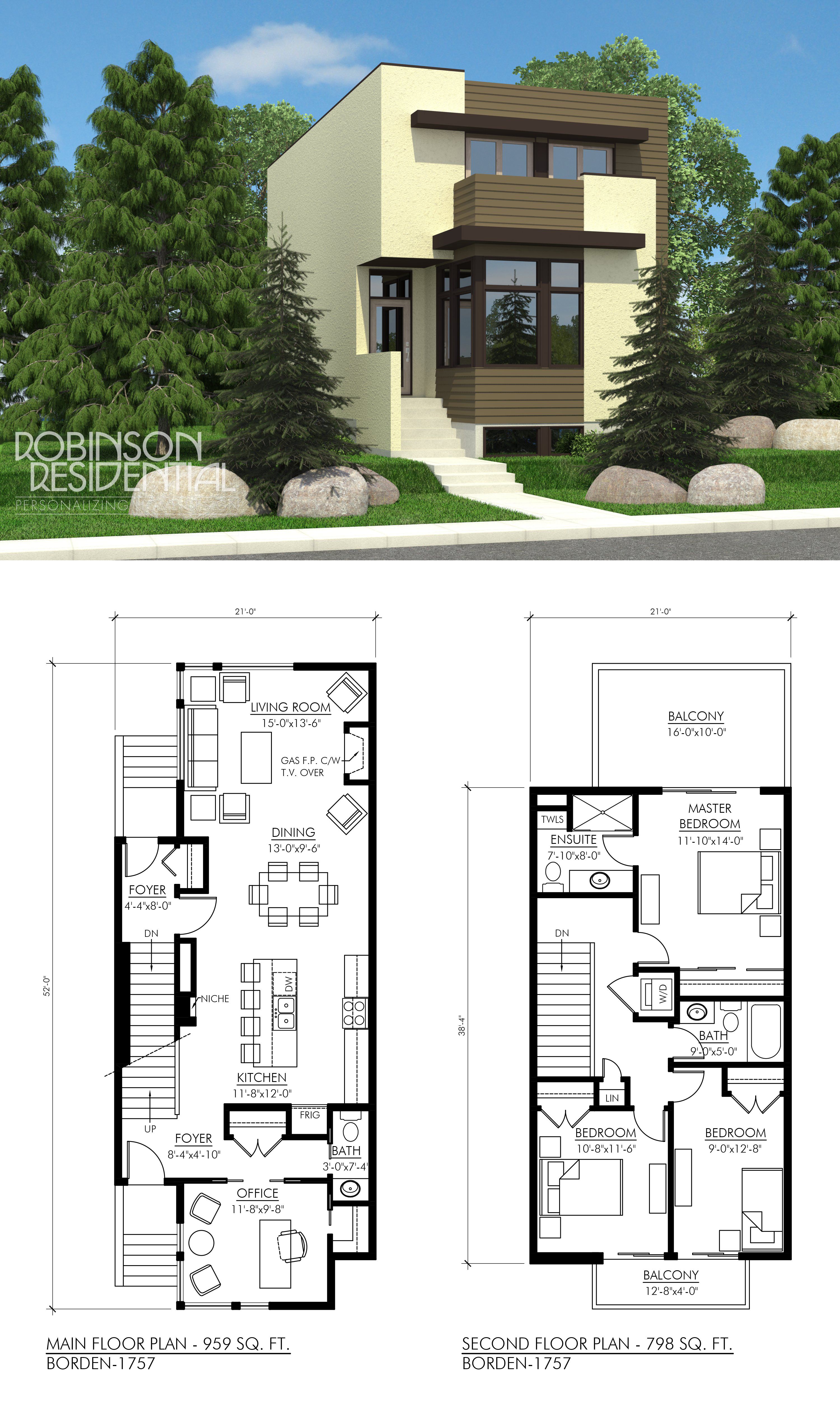
Narrow lots come with their own set of rules that every designer must understand. The primary constraint is often the width itself - typically less than 20 feet, sometimes even less than 15 feet. This creates several challenges: limited natural light, reduced airflow, and restricted room sizes. Think about how a typical house layout might look when compressed into a space that's barely wider than a few parking spaces. The first thing to consider is the building setback requirements imposed by local zoning laws. Many cities require a minimum distance between the building and the street frontage, which means that even if you have a 20-foot-wide lot, the actual usable space for construction might be significantly smaller. Consider a 16-foot wide lot with 3 feet of setback on each side - that leaves just 10 feet of usable space for your building. That's incredibly tight! Another major factor is the relationship between the lot width and the number of rooms you want to accommodate. A traditional four-bedroom home might need 30-40 feet of width to feel comfortable, but you're working with less than half of that. This forces designers to think vertically and creatively about how to distribute space efficiently.
Key Design Principles for Compact Layouts
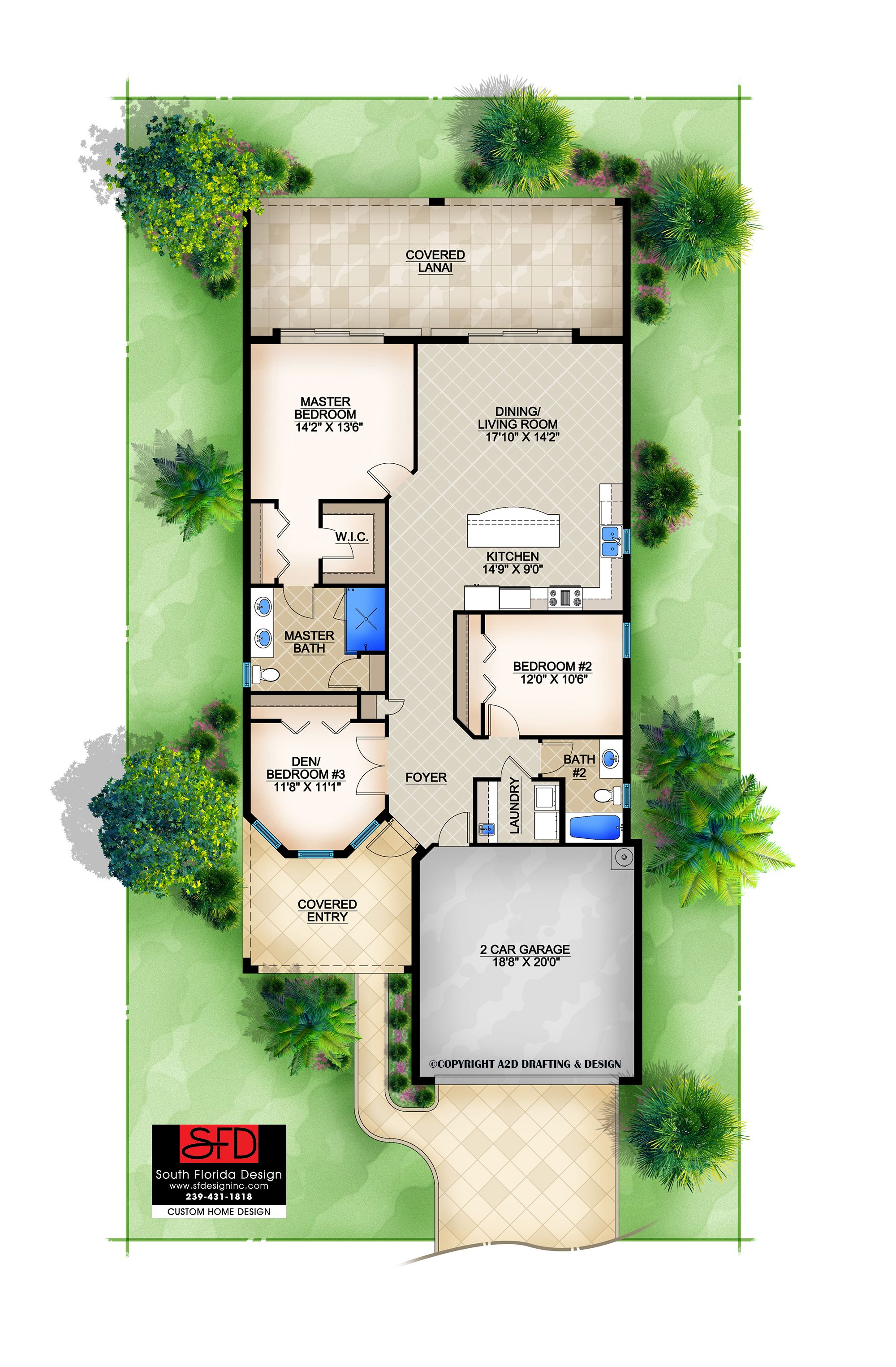
The foundation of successful narrow lot floor plans lies in embracing certain core principles that work with the space rather than fighting against it. Vertical thinking becomes crucial - instead of spreading horizontally, consider stacking elements vertically. For instance, a two-story design can provide the same amount of living space while taking up much less ground area. The concept of open floor plans proves particularly powerful in these situations. When walls are removed or minimized, the illusion of space increases dramatically. A kitchen that flows seamlessly into the dining area and living room can make a 12-foot wide space feel much larger than its actual dimensions. Another essential principle is the strategic placement of the main entrance. In narrow lots, positioning the entry door in the center rather than at the side can help distribute traffic flow more evenly throughout the home. This approach allows for better spatial organization and prevents the feeling of having to navigate through a narrow corridor to reach different areas. Multi-functional rooms also become vital in compact spaces. A study that doubles as a home office, a guest bedroom that transforms into a playroom, or a dining area that can serve as a casual living space during the day - these flexible arrangements help stretch the utility of every square foot.
Optimizing Natural Light and Airflow
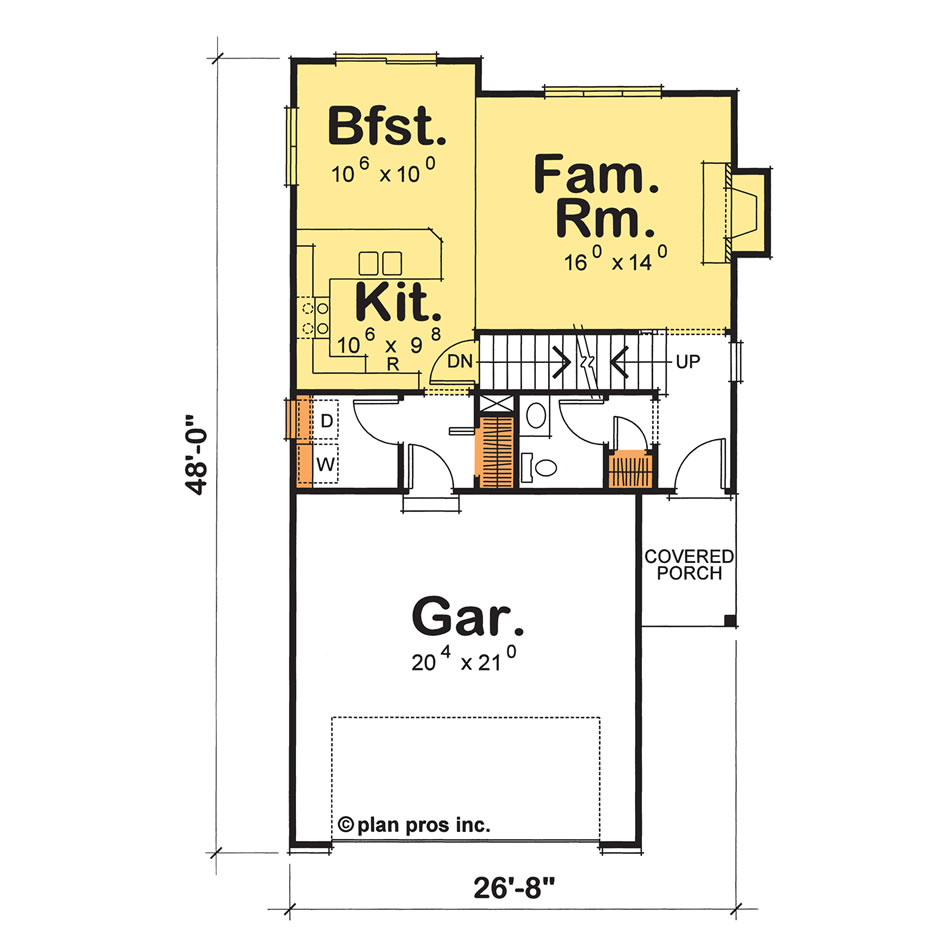
Natural light and fresh air aren't luxuries in narrow homes; they're necessities. Without adequate lighting and ventilation, these spaces can quickly feel cramped and uncomfortable. One of the most effective ways to enhance natural light is through the use of light wells or courtyards. These vertical shafts cut through the building structure to bring daylight deep into interior spaces. Even a small opening in the ceiling can make a huge difference in how bright and airy a narrow space feels. Smart window placement is equally important. Instead of placing windows only on the sides, consider adding skylights, clerestory windows, or even glass doors that open onto small patios or courtyards. This creates multiple points of light entry. For airflow, designers often utilize cross-ventilation techniques by strategically placing windows on opposite sides of the home. In narrow lots, this might mean installing windows on both the front and back facades, even if the building is only 12 feet wide. Sometimes, a simple solution like a sliding glass door that opens onto a covered porch can provide excellent cross-ventilation while maintaining privacy. The goal is to ensure that no part of the home feels stuffy or dark, regardless of its size. Properly planned lighting schemes, including the strategic use of mirrors and reflective surfaces, can also amplify the natural light that enters the space.
Creative Storage Solutions
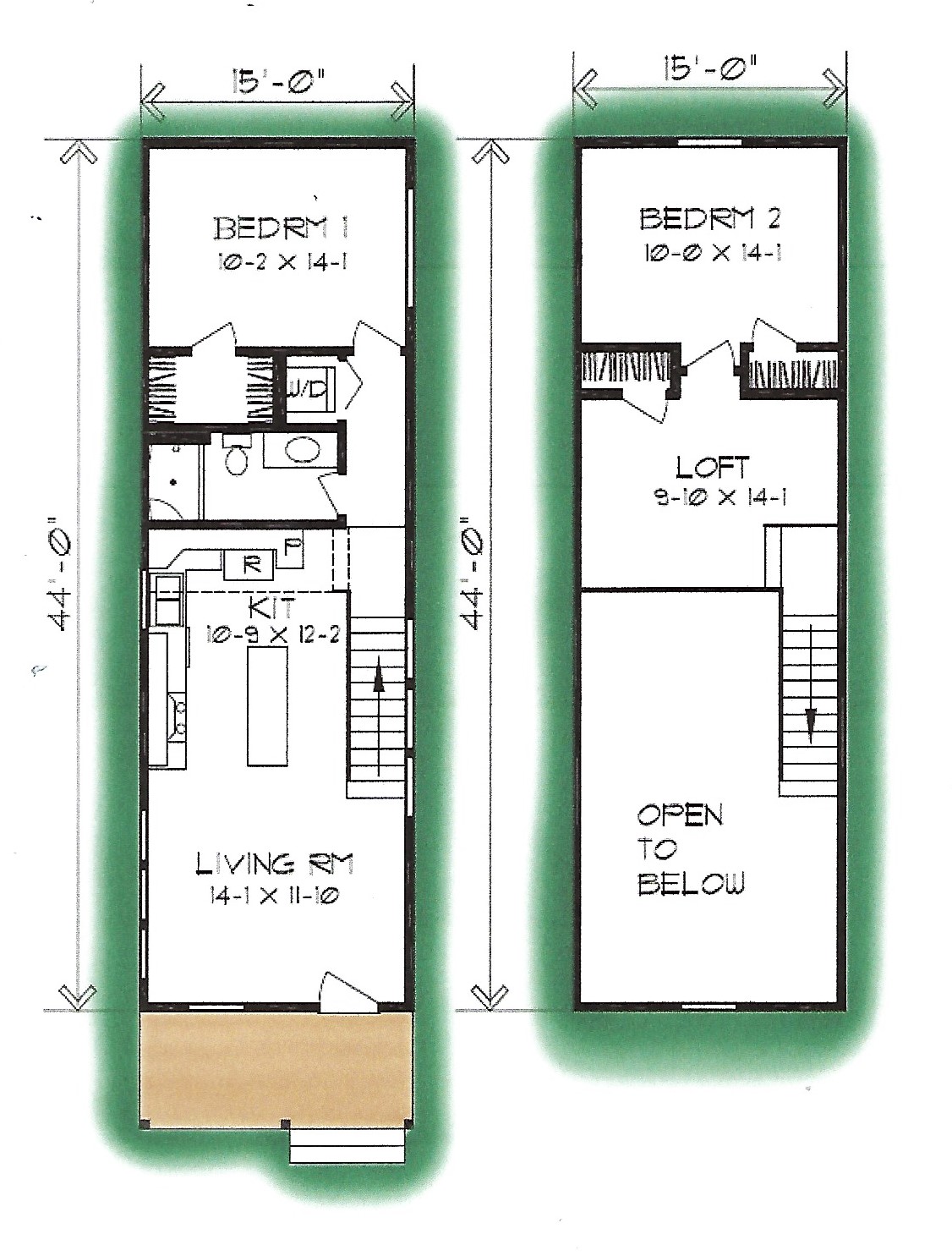
Storage in narrow lots requires imagination and ingenuity. Traditional approaches often fall short when dealing with limited space, so creative alternatives become essential. Built-in storage solutions are perhaps the most effective approach for narrow homes. Custom cabinetry that runs along entire wall sections can provide substantial storage while maintaining clean lines. These built-ins don't just store items - they define spaces and add architectural interest. Consider using the space under stairs, behind doors, or along hallway walls for hidden storage solutions. Another clever approach involves multi-purpose furniture. A dining table that folds away to reveal storage underneath, or a sofa bed that serves as both seating and sleeping accommodation, maximizes functionality without sacrificing style. Vertical storage systems also prove invaluable in narrow spaces. Tall bookcases, linen storage units, and tall cabinets can reach from floor to ceiling, utilizing the full height of the room. Sometimes, the most practical storage solution involves rethinking what needs to be stored where. For example, storing seasonal items in the attic or basement rather than in the main living areas, or using the garage as additional storage space if it's separate from the main living quarters.
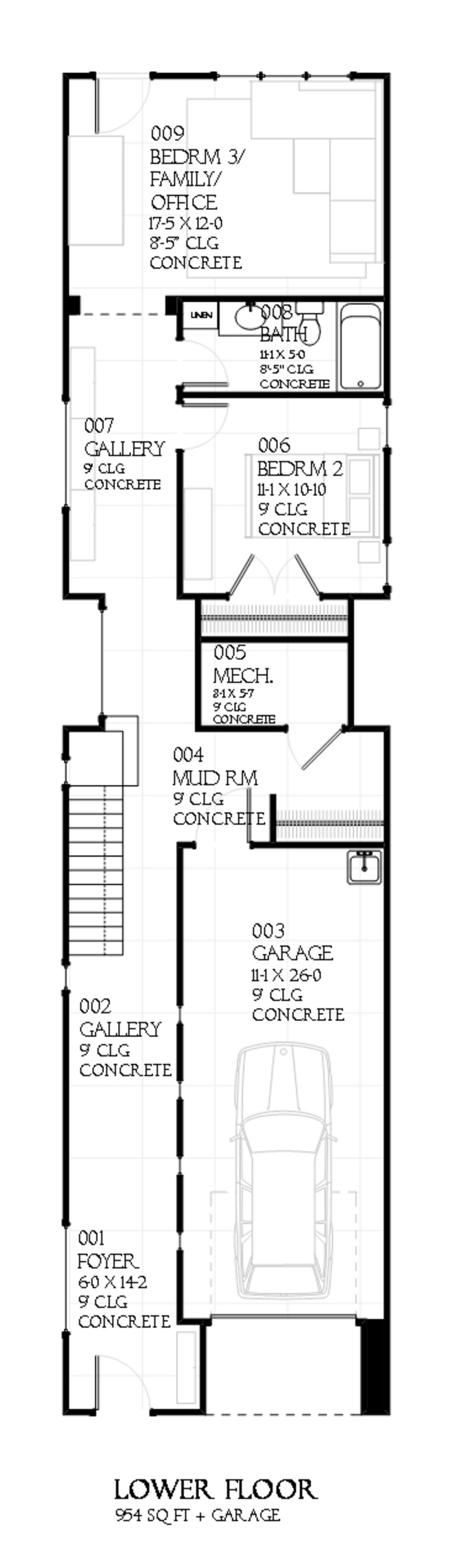
Strategic Room Placement and Flow
The way rooms are arranged in narrow lots can make or break the overall success of a design. Every doorway, every corridor, and every transition point must be carefully considered. The kitchen, often the heart of the home, should ideally be positioned near the center of the space to allow for easy access from multiple areas. This arrangement helps prevent the kitchen from becoming isolated or difficult to navigate. Bathroom placement is another critical element. In narrow lots, it's common to locate bathrooms toward the rear of the home, where they can be tucked away from high-traffic areas while still remaining easily accessible. This setup also allows for better sound insulation and privacy. The master bedroom and bathroom should be positioned to create a sense of separation and tranquility. Placing these private spaces away from the main living areas ensures that family life doesn't intrude on personal time. Consider the flow of traffic throughout the day. The morning routine, evening relaxation, and social activities all require different spatial arrangements. A well-designed narrow lot floor plan accounts for these various activities by creating clear pathways and logical connections between spaces. Sometimes, the solution involves creating a series of smaller, interconnected spaces rather than one large, open area. This approach can actually make the space feel more intimate and manageable than a single, overwhelming room.
Practical Tips for Homeowners
For those actually building or renovating on narrow lots, several practical tips can save both time and money. First, always hire professionals who specialize in narrow lot designs. These experts understand the nuances of working within tight constraints and can suggest solutions that might not occur to someone unfamiliar with the challenges. Budget for extra costs associated with custom elements - built-ins, specialized windows, or structural modifications often cost more than standard construction. Be prepared to compromise on some features that seem important but aren't absolutely necessary. For example, a large formal dining room might be replaced with a more versatile breakfast area that serves multiple functions. The importance of proper planning cannot be overstated. Before breaking ground, create detailed drawings showing exactly how each room will function and relate to others. Consider hiring a 3D visualization specialist who can help you see how the final space will look and feel. Test your floor plan with actual furniture before construction begins to ensure everything fits as expected. Finally, remember that narrow lots offer opportunities for innovation that might not exist in larger spaces. Embrace the challenge and let the constraints inspire creative solutions that result in truly unique and functional homes.
Designing floor plans for narrow lots isn't just about fitting more rooms into less space - it's about redefining what's possible with limited resources. These spaces teach us that creativity and thoughtful planning can produce results that exceed expectations. When you approach narrow lot design with the right mindset, these challenging plots can become some of the most interesting and satisfying homes to live in. The key lies in understanding that the limitations are not obstacles to overcome, but rather constraints that inspire innovative thinking. Whether you're planning a new build or remodeling an existing structure, remember that successful narrow lot designs prioritize function without sacrificing aesthetics. They create spaces that feel generous despite their size, and they demonstrate that good design transcends physical boundaries. The end result is often a home that's not only practical but also uniquely suited to its environment and inhabitants. So the next time you encounter a narrow lot, don't see it as a limitation - see it as an opportunity to create something special that makes the most of every precious inch.


