
Every home deserves a retreat that feels like a private oasis. The master bedroom isn't just a room—it's your personal haven where you unwind, recharge, and feel truly at home. Whether you're planning a new build, renovating, or simply rearranging existing furniture, understanding effective floor plan concepts can completely change how you experience your most important living space.
The master bedroom represents more than just a place to sleep. It's your personal sanctuary, a reflection of your lifestyle, and often the most valuable part of your home. When designing or redesigning this crucial space, thoughtful floor plan choices can make all the difference between feeling cramped and feeling spacious, between feeling overwhelmed and feeling calm. The right layout doesn't just organize furniture—it creates flow, enhances privacy, and supports your daily routines. From minimalist designs to luxurious layouts, there's a master bedroom floor plan concept that fits every lifestyle and living situation.
Understanding Your Space's Potential
Before diving into design specifics, take a careful look at your current space. Measure everything carefully, noting window placements, door locations, and structural elements. Consider the room's natural light patterns throughout the day. A well-planned floor layout should work with your space rather than against it. For instance, if you have a large window, consider positioning your bed to take advantage of morning light. Think about traffic flow too—where do you naturally move when entering and leaving the room? These observations form the foundation of any successful floor plan strategy.
Key factors to evaluate:
Classic Layouts That Stand the Test of Time
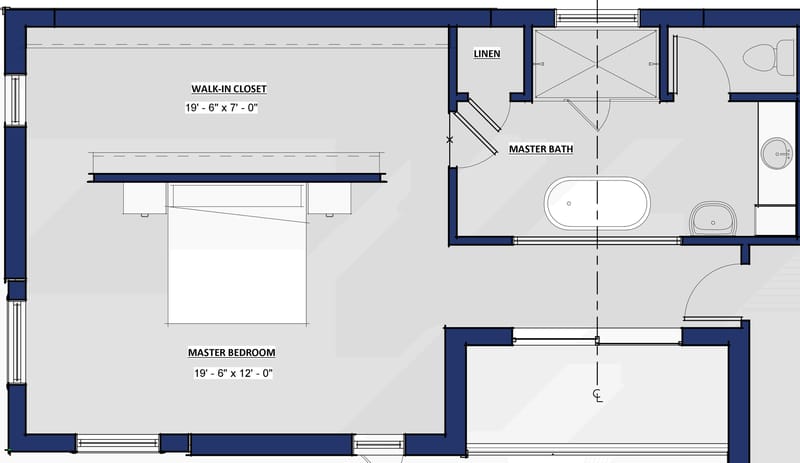
Some master bedroom floor plans have remained popular for decades because they work so well. The traditional rectangular layout offers simplicity and versatility. Position your bed against the longest wall, creating a sense of stability and visual balance. This classic approach works beautifully with most furniture arrangements and makes even smaller rooms feel more spacious.
Another tried-and-true option involves creating distinct zones within the space. For example, separate your sleeping area from your dressing room using a small alcove or built-in screen. This setup allows you to maintain privacy while keeping both areas functional. Many homeowners find that this division helps them mentally separate rest time from preparation time, leading to better sleep quality.
Consider also the importance of symmetry. Balanced layouts often feel more harmonious and pleasing to the eye. When placing furniture, aim for visual equilibrium—perhaps two nightstands of equal size, or matching seating arrangements on either side of a focal point.
Maximizing Small Spaces Without Sacrificing Style
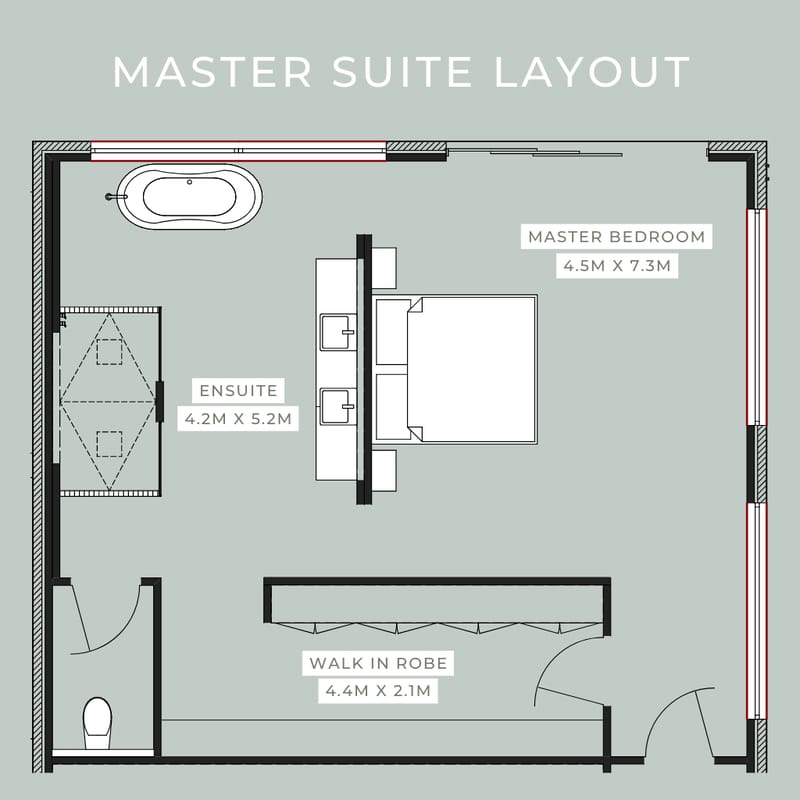
Small master bedrooms don't mean small dreams. In fact, clever floor planning can make even compact spaces feel expansive and sophisticated. The key lies in smart storage solutions and multi-functional furniture pieces. Consider platform beds that double as additional storage, or beds with built-in drawers underneath.
Vertical space becomes incredibly valuable in smaller rooms. Install tall bookcases or wardrobes that reach toward the ceiling. Not only does this create visual height, but it also provides abundant storage without taking up precious floor space. Floating shelves can add personality while maintaining an open, airy feel.
Think about how you use the room throughout the day. If you spend significant time reading or working, designate a quiet corner for a comfortable chair and small desk. This transforms your bedroom from purely a sleeping space into a multifunctional retreat. The goal is to make every inch count.
Creating Privacy and Separation
Privacy matters deeply in bedroom design. Even in larger homes, many people desire a sense of seclusion within their master suite. One effective approach uses a partial wall or screen to define different areas without completely enclosing them. This technique maintains openness while providing visual separation.
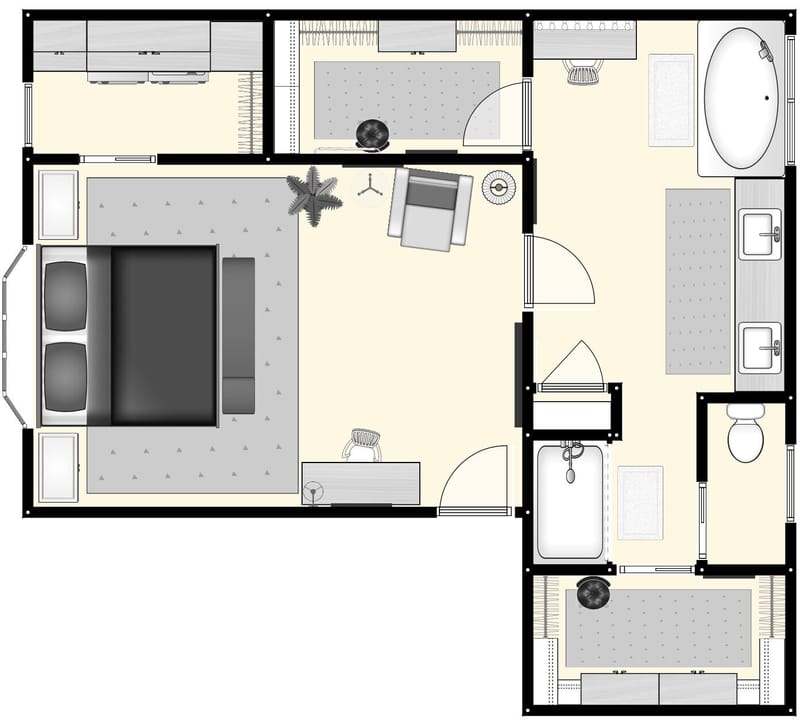
A popular method involves positioning the bedroom door so it doesn't directly face the bed. This simple adjustment changes the room's energy and can make even small spaces feel more dynamic. Additionally, consider using different flooring materials or colors to distinguish between areas. Perhaps a carpeted section for sleeping and a hardwood floor for walking areas.
For those with children or pets, creating a buffer zone around the bed can be essential. This might involve placing a large piece of furniture like a dresser or armoire between the entrance and sleeping area. The result is a more peaceful environment that minimizes disturbances during rest time.
Integrating Technology Seamlessly
Modern living demands that we incorporate technology thoughtfully into our personal spaces. Smart lighting systems, charging stations, and entertainment options should blend naturally with your overall design rather than appearing as afterthoughts. Plan where you'll place outlets and cables before selecting furniture positions.
Consider installing hidden cable management systems behind walls or within furniture. This keeps cords out of sight while ensuring easy access when needed. LED strip lighting around the bed frame or inside wardrobes can create ambient lighting that enhances mood and functionality.
When positioning electronics, think about how you actually use them. A bedside table with integrated USB ports and wireless charging capabilities streamlines your evening routine. Similarly, mounting a TV above the bed requires careful consideration of viewing angles and distances to prevent neck strain.
Don't overlook simple solutions like smart thermostats or automated blinds that adjust based on time of day or natural light levels. These technologies contribute to a more comfortable and effortless living experience.
Personalization Through Functional Design
The best master bedroom floor plans reflect your unique lifestyle and habits. If you're a morning person, position your workspace near a window to catch natural light. Conversely, if you prefer to sleep in late, ensure your bed faces away from direct sunlight.
Storage needs vary greatly between individuals. Some people require extensive closet space, while others prefer simple dresser drawers. Evaluate your clothing inventory and lifestyle requirements to determine what storage solutions will serve you best. Consider modular options that can adapt as your needs change over time.
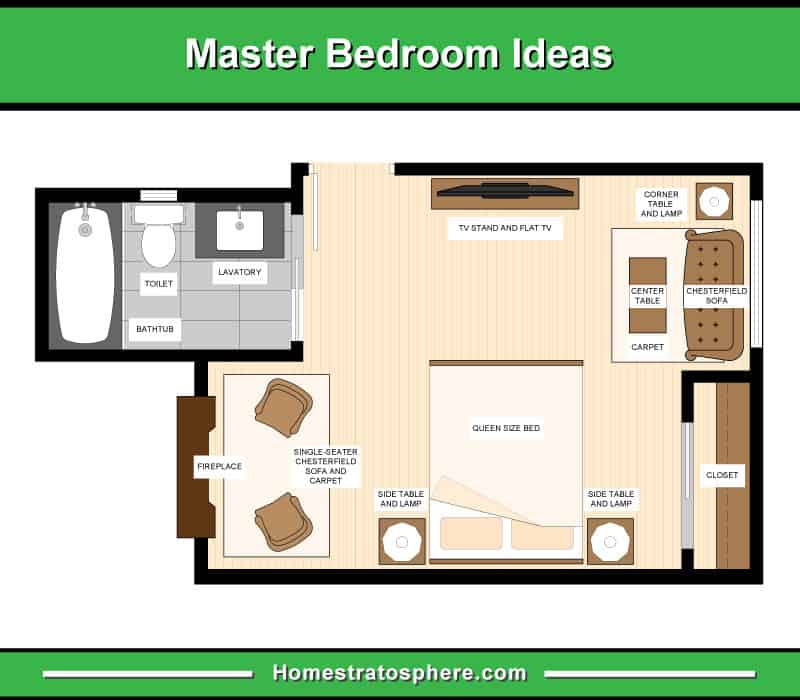
Lighting plays a crucial role in personal comfort. Layer different types of illumination throughout the room—ambient lighting for general brightness, task lighting for reading or work, and accent lighting for atmosphere. Dimmer switches allow you to adjust these levels based on your mood or activity.
Finally, remember that personal touches matter enormously. Whether it's artwork, plants, or special furniture pieces, incorporating elements that reflect your personality makes any space feel truly yours. These details transform a functional room into a meaningful sanctuary.
Budget-Friendly Transformation Strategies
You don't need a massive renovation budget to create an impressive master bedroom. Sometimes small changes make the biggest impact. Repainting the walls in a calming color scheme can instantly refresh the entire space. Lighter tones generally make rooms appear larger and more airy.
Furniture placement often produces dramatic results without spending much money. Moving your bed to a new location can completely alter the room's feel. Rearranging existing pieces to optimize traffic flow and create designated zones can enhance functionality significantly.
DIY projects offer excellent opportunities for personalization. Custom headboards, painted accent walls, or repurposed furniture can add character and sophistication. Look for affordable alternatives to expensive items—secondhand finds, flea market treasures, or creative repurposing of existing pieces.
Invest in quality basics that will last. A good mattress and supportive pillows typically provide better returns than fancy decorative items. Similarly, choosing durable, timeless furniture pieces ensures your investment continues to serve you well for years to come.
The perfect master bedroom floor plan isn't just about aesthetics—it's about creating a space that truly serves your life. Every element, from furniture arrangement to lighting choices, should support your daily rhythms and personal preferences. Whether you're working with a sprawling suite or a modest corner, thoughtful planning leads to a room that feels both functional and peaceful. Remember that the best design solutions emerge from understanding your actual needs rather than following trends blindly. Take time to observe how you live, what challenges you face, and what makes you feel most comfortable. Your ideal master bedroom floor plan reflects not just your taste, but your lifestyle and priorities. With careful consideration and creative thinking, any space can become your perfect retreat.


