
When you're working with a narrow lot, every inch counts. These homes demand creativity, smart planning, and a deep understanding of how space can be maximized without sacrificing comfort or style.
Picture this: you've found the perfect home site, but it's just 15 feet wide. Or maybe 20 feet. Maybe even less. The challenge isn't just about building a house—it's about building one that feels spacious, functional, and lived-in. That's where the art of narrow lot floor planning comes into play. This isn't just about cramming rooms into tight spaces. It's about crafting a home that breathes, flows, and makes the most of its limited footprint. Whether you're a first-time homeowner or someone looking to renovate, understanding how to approach narrow lot designs can transform your project from frustrating to fantastic.
Understanding Narrow Lot Challenges
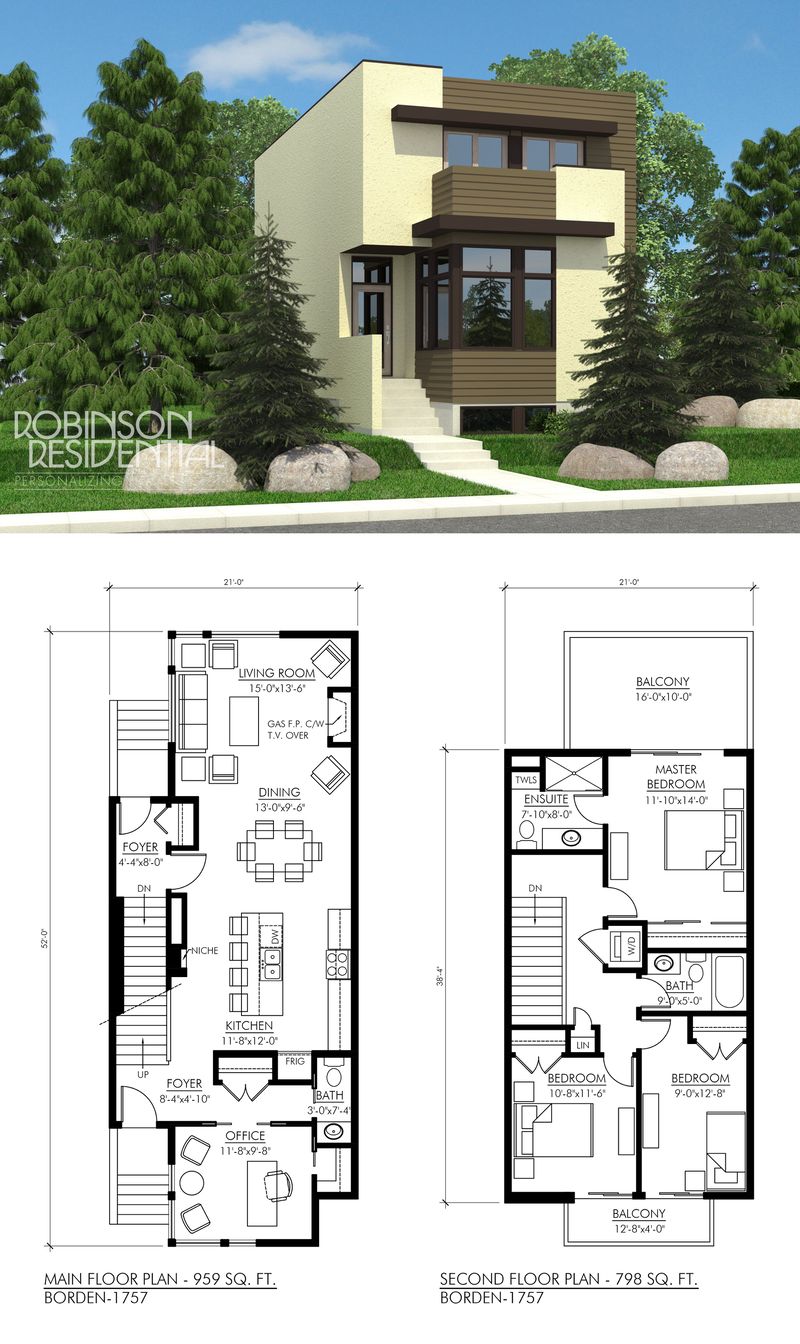
Narrow lots present unique hurdles that most standard house designs simply don't account for. The main issue? Light and ventilation. When a house is squeezed between neighbors, getting natural light becomes tricky. Windows might be small, positioned awkwardly, or blocked entirely. Think about how this affects your daily life. Morning sunlight streaming through a window might be your favorite way to start the day—but if there's no window, or it's blocked by a neighbor's structure, that's a major inconvenience.
Another big challenge is privacy. With walls so close together, you're essentially sharing a wall with your neighbor. That means noise, shared walls, and potentially less privacy than you'd expect. If you have young children, this might mean they can hear everything happening next door. If you work from home, the constant background noise could be a distraction.
Storage is another common problem. In a narrow home, you don't have the luxury of extra rooms or hallways to stash things away. Every square foot needs to serve multiple purposes. A guest room might also double as a study, or a dining area might fold into a living space during the week. This is why good floor plan design for narrow lots requires thinking beyond simple room placement.
Key Principles for Success
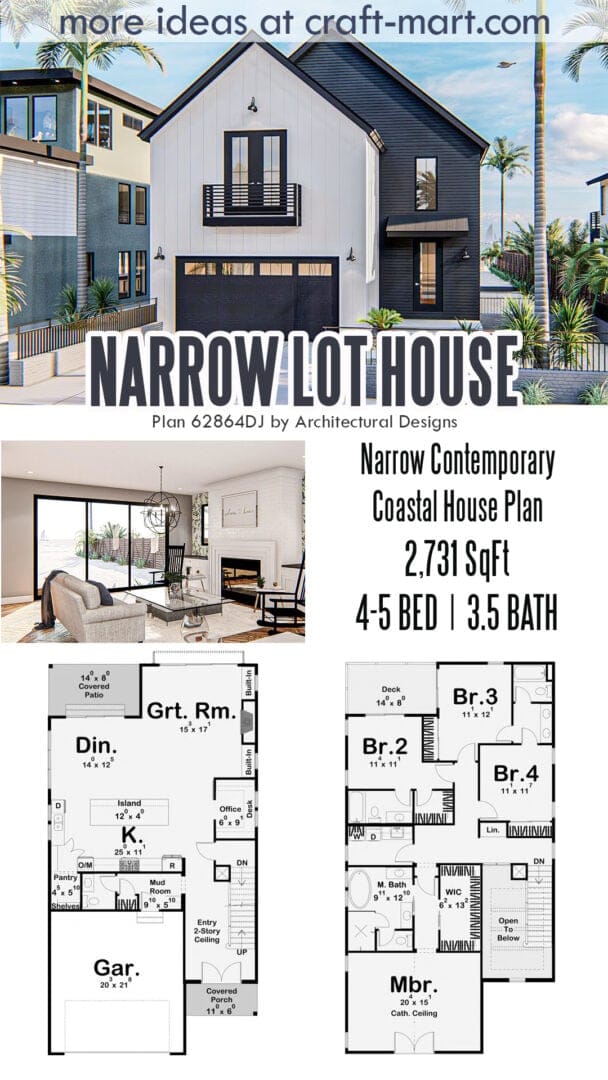
So how do you tackle these challenges? Here are some fundamental principles that will guide you through the process:
The Power of Strategic Window Placement
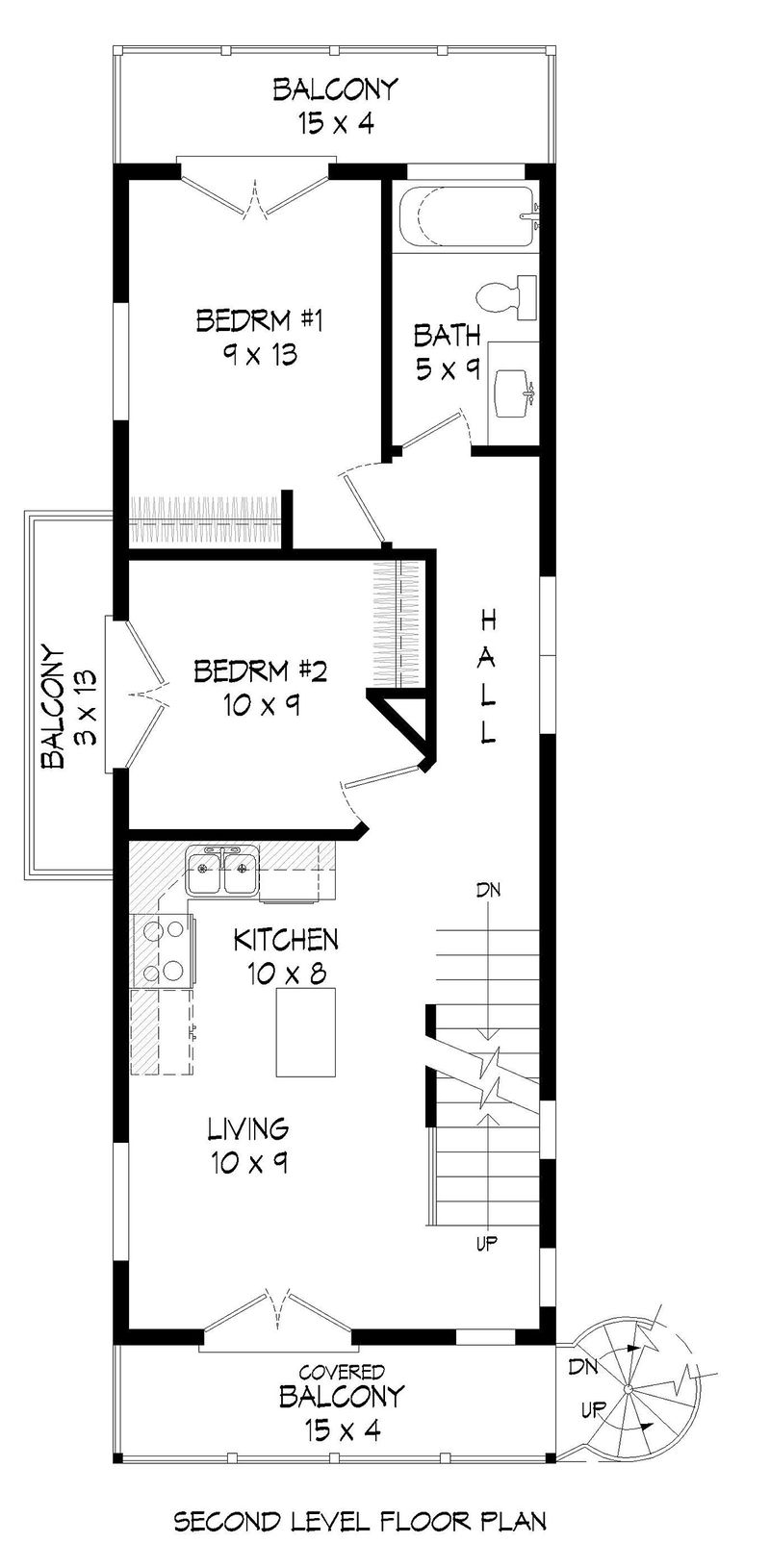
Let's talk windows because they're more than just decorative elements—they're lifelines for a narrow house. They bring in light, create views, and even affect the perceived size of a space. In a narrow lot, strategic window placement can make all the difference.
Consider installing large windows on the sides of the house, especially if there's enough depth. These can create a feeling of openness even when the width is limited. But remember, the windows need to be positioned correctly. If you're designing a narrow house, placing windows on the front and back of the structure can give a sense of horizontal spread.
Another option is to use skylights or clerestory windows. These can provide light from above, which is especially useful in the center of a narrow home where direct sunlight might not reach. A well-placed skylight can brighten a hallway or central area, making it feel more spacious and welcoming.
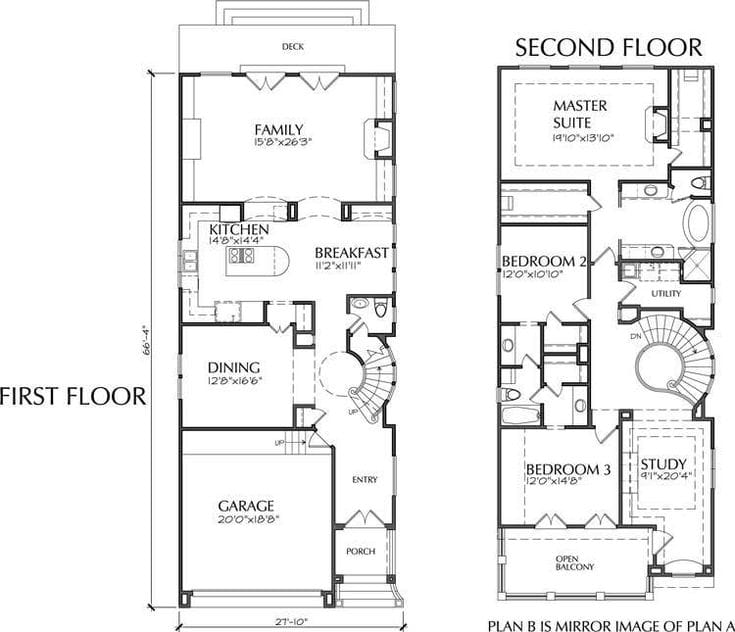
Some designers even use reflective surfaces or light-colored materials near windows to bounce light deeper into the space. It's a subtle trick that can make a huge impact on how the space feels during the day.
Creative Storage Solutions
Storage is a critical concern in narrow homes, and it's where many people get stuck. But creative solutions can actually enhance the design rather than just solving a problem. Here's how:
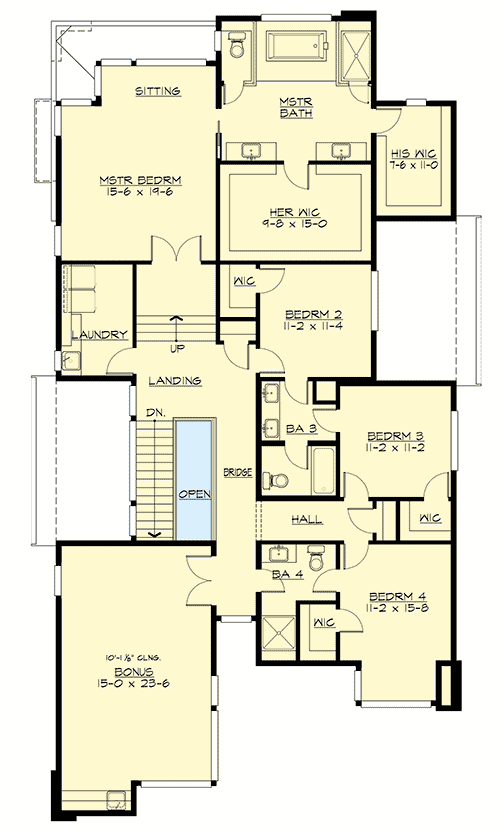
Designing for Flow and Functionality
A narrow lot floor plan must balance function and flow. People want to move easily through their homes, and that's even more important when space is limited. Here are some ways to ensure both:
Real-Life Examples and Inspiration
Sometimes seeing examples helps bring the theory to life. Let's look at a few real-world narrow lot designs that showcase how clever planning can overcome space limitations:
These examples show how creativity, smart planning, and a willingness to think outside the box can lead to beautiful and functional narrow lot homes.
Final Thoughts
Designing a floor plan for a narrow lot isn't just about fitting a house into a tight space. It's about redefining what a home can be. When you approach it with the right mindset, it becomes an opportunity to create something truly special—a home that's uniquely yours, designed to fit your lifestyle and maximize every square foot. Remember, the key isn't just in the numbers—it's in how you use them. With careful planning, thoughtful design choices, and a bit of creativity, narrow lot homes can be just as comfortable, inviting, and functional as any other house. The challenge is not a limitation—it's a chance to design something amazing.
Creating a successful floor plan for a narrow lot is an exercise in thoughtful design and creative problem-solving. From maximizing vertical space to using strategic window placement, the possibilities are endless when you approach the challenge with intention. Whether you're starting from scratch or redesigning an existing space, these principles can help you build a home that's both beautiful and functional. The key is to embrace the constraints as opportunities, and let your creativity shine through every design decision. After all, the best homes are often those that work with what they have, rather than against it.


