
Imagine waking up to natural light streaming through large windows, stepping directly outside from your living room, and enjoying a backyard view from your family room. That's the magic of walk-out basement house plans. These innovative designs transform traditional basements from dark, damp spaces into bright, functional areas that feel like they belong on the main floor.
Walk-out basement house plans have revolutionized home design, especially in areas where land is limited or expensive. These clever layouts take advantage of sloped lots and create additional living space while maintaining the aesthetic appeal of traditional homes. But what exactly makes a walk-out basement special? And how do you go about designing one that works for your family and lifestyle?
What Makes a Walk-Out Basement Different
A walk-out basement isn't just a regular basement with a door leading outside. It's a carefully planned addition that provides direct access to the outdoors from below-grade living spaces. The key difference lies in the design approach and the way it integrates with the overall structure.
Traditional basements are typically accessed from inside the house and often feel cramped and dark. In contrast, walk-out basements offer several distinct advantages:
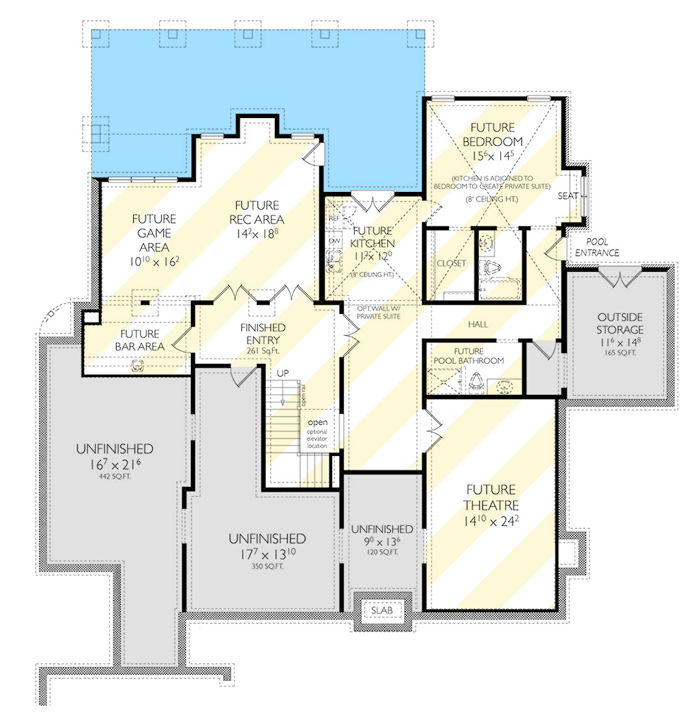
The concept works best when there's a significant slope in the lot, allowing the basement to sit below ground level while still providing access to the surface. This design approach essentially creates two levels of living space - the main floor above and the walk-out basement below.
Design Considerations for Your Walk-Out Basement
Planning a walk-out basement requires careful thought about several important factors. First, consider the lot's topography and slope. You'll want enough elevation change to accommodate the basement's depth while ensuring proper drainage away from the foundation.
Key design elements include:
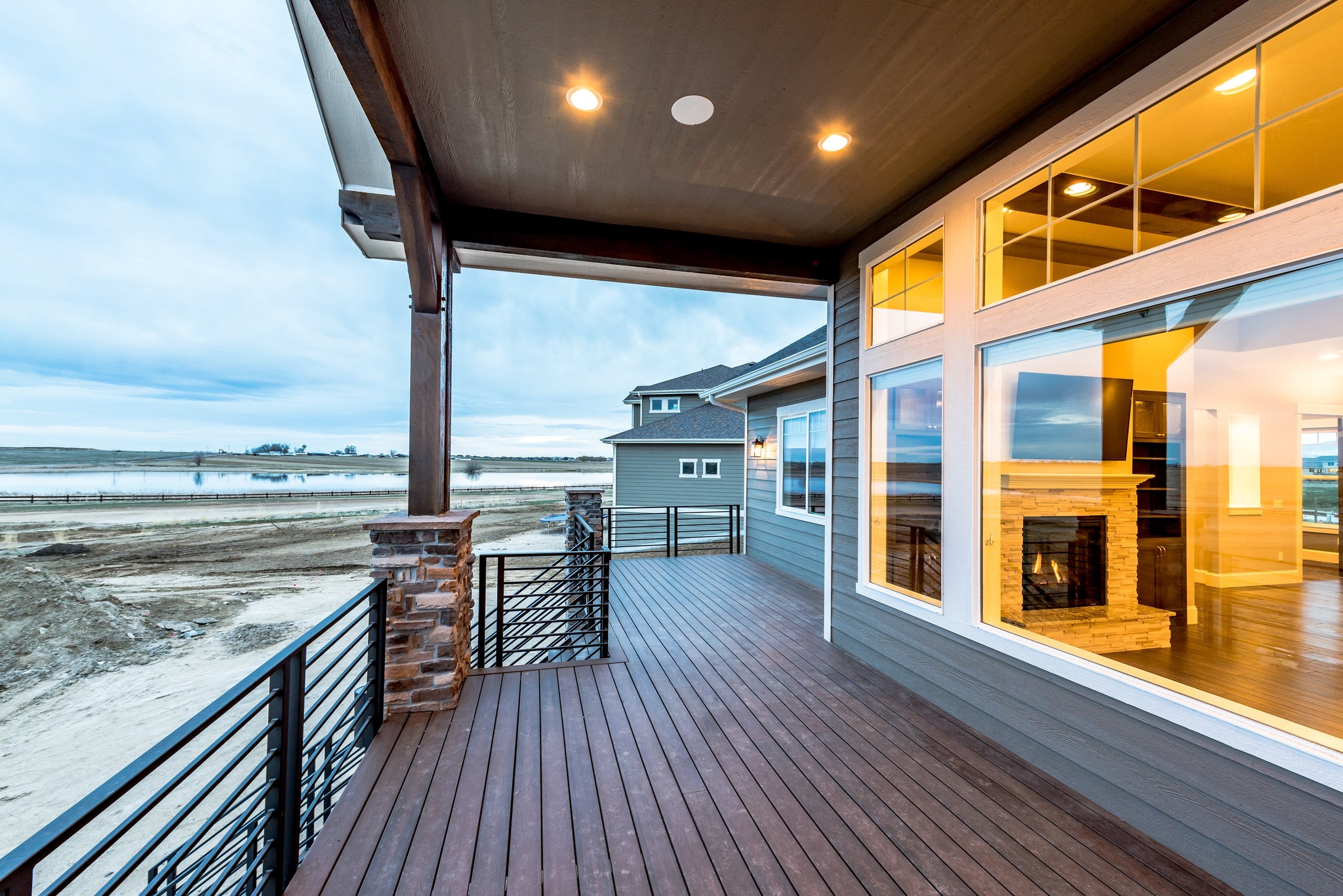
The orientation matters too. Positioning the walk-out side toward the south or west can maximize sunlight exposure during the day. Think about privacy concerns as well - if your neighbors are close, you might want to incorporate screening elements or plantings.
Another crucial consideration is local building codes. Many jurisdictions have specific requirements for walk-out basements, including minimum window sizes, egress requirements, and structural specifications. Always check with local authorities before beginning any design work.
Structural Requirements and Building Codes
Building a walk-out basement involves meeting more stringent structural standards than standard basements. The walls must be strong enough to handle lateral soil pressure, which can be substantial depending on your location and soil conditions.
Critical structural elements include:
Local building departments often require detailed engineering calculations for walk-out basements. They'll want to see:

These additional requirements mean walk-out basements cost more to build, but they also add significant value to your home. The investment often pays off in both resale value and daily living enjoyment.
Cost Factors and Budget Planning
When planning your walk-out basement project, budgeting becomes critical. These basements typically cost 20-40% more than conventional basements due to their complexity and additional features.
Here's what contributes to the higher costs:
Average costs range from $150-300 per square foot for walk-out basement construction, compared to $80-150 per square foot for standard basements. However, many homeowners find that the increased value and living space justify the extra expense.
Consider financing options if you're planning to add a walk-out basement to an existing home. Some lenders offer construction loans specifically for basement renovations, while others may allow you to include the costs in a home equity loan or line of credit.
Practical Benefits and Lifestyle Advantages
Beyond the obvious architectural benefits, walk-out basements offer numerous practical advantages that can significantly improve daily life. Picture having a dedicated entertainment area with direct access to your backyard, or a private office space that feels completely separate from the main living areas.
Some lifestyle benefits include:
Many families appreciate the flexibility of walk-out basements. You can use them as guest suites, home offices, entertainment areas, or even as primary living spaces during winter months. The ability to step directly outside from your living room creates a seamless transition between indoor and outdoor activities.
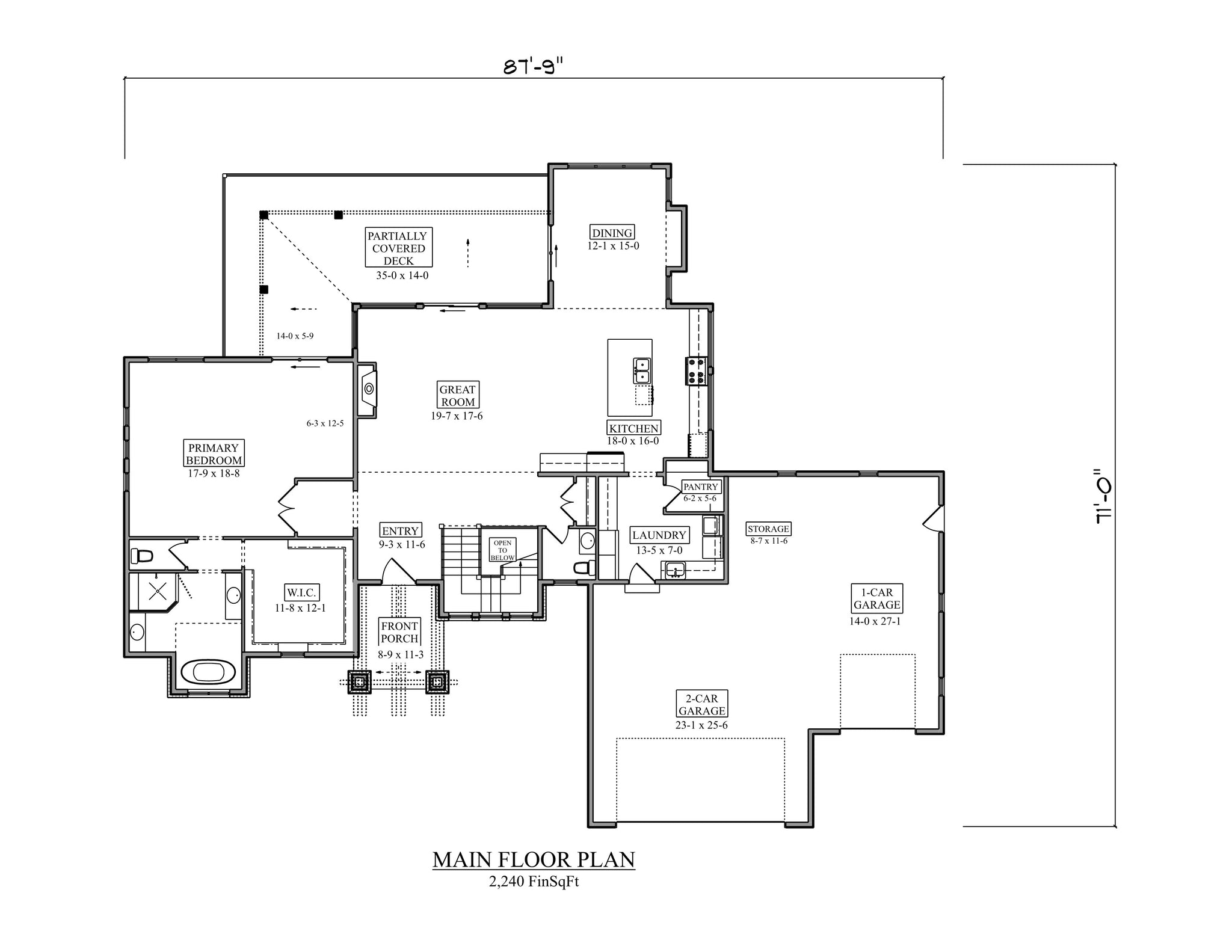
The psychological benefits shouldn't be overlooked either. Natural light and views of the landscape can dramatically improve mood and well-being, especially during darker months.
Maintenance and Long-Term Care
While walk-out basements offer incredible benefits, they also require specific maintenance attention. The exterior elements demand regular care to ensure longevity and safety.
Key maintenance tasks include:
The waterproofing system is particularly important. Even small cracks can lead to costly water damage over time. Most professionals recommend professional inspections every 3-5 years, especially after severe weather events.
Proper maintenance can extend the life of your walk-out basement for decades. The investment in quality materials and construction practices pays dividends in reduced repair costs and continued enjoyment of your space.
Walk-out basement house plans represent a smart approach to maximizing limited space while creating beautiful, functional living areas. Whether you're building a new home or renovating an existing one, these designs offer unique opportunities to enhance your living experience and increase your property value.
The key to success lies in careful planning, proper engineering, and working with experienced professionals who understand the specific requirements of walk-out basement construction. From initial design through final finishing touches, each step requires attention to detail and consideration of both aesthetics and functionality.
If you're considering a walk-out basement, start by consulting with architects and contractors familiar with this type of construction. They can help you navigate local regulations, assess your site conditions, and develop a plan that meets your needs and fits within your budget. The result is often a space that feels like a true extension of your main living areas, offering the comfort of home with the flexibility and beauty of outdoor access.


