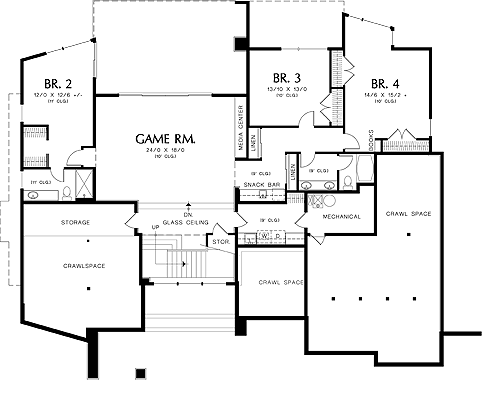
When you think about home design, the basement often gets overlooked. But what if I told you that a well-planned basement could transform your entire living experience? Whether you're building a new home or renovating an existing one, basement house plans offer incredible opportunities to expand your living space while maximizing functionality.
Basement house plans represent more than just additional square footage – they're strategic investments in your home's future. These designs tap into the hidden potential beneath your feet, creating spaces that serve multiple purposes while adding significant value to your property. From family rooms to home offices, wine cellars to guest suites, the possibilities are endless when you approach basement planning with intention and creativity.
Why Choose Basement House Plans
The appeal of basement house plans goes beyond simple space expansion. Consider how much you'd pay for extra room in your current home – that's exactly what a well-designed basement can offer for a fraction of the cost. Think about it: you get additional bedrooms, bathrooms, entertainment areas, or even commercial spaces without the expense of moving to a larger home.
Many homeowners find that their basement plans become their favorite part of the house. It's not just about having more space – it's about having better space. A basement can provide quiet zones for work or study, active areas for family gatherings, or peaceful retreats for relaxation. The versatility is remarkable, especially when you consider that basements typically require less heating and cooling than upper-level spaces, leading to lower energy bills.
Plus, a quality basement adds substantial value to your property. Real estate experts consistently show that finished basements increase home values by 10-20%, sometimes even more depending on the region and quality of finish.
Essential Design Elements
Creating a successful basement house plan starts with understanding the fundamental elements that make a space functional and inviting:
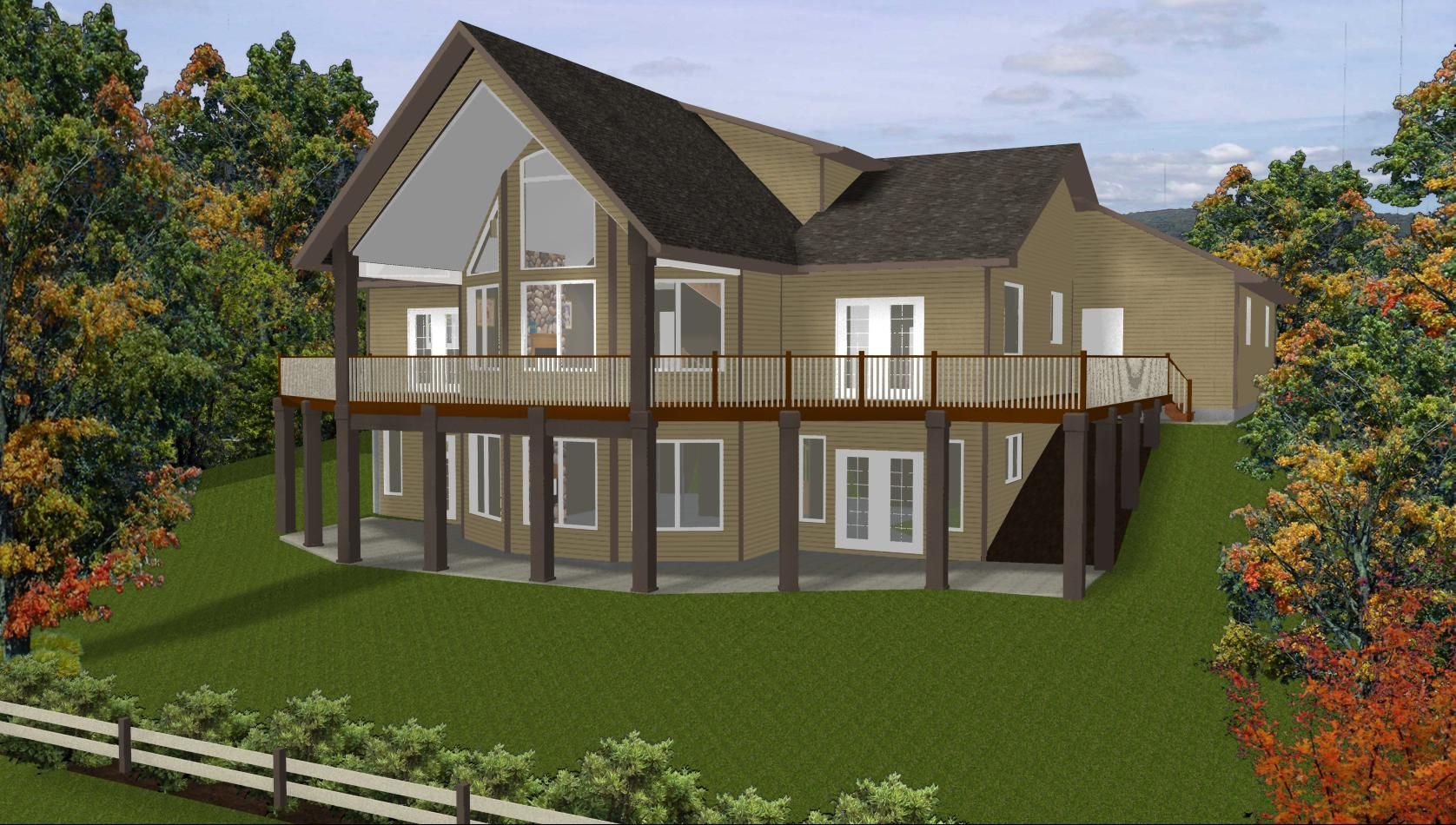
Natural Light: This is crucial for any basement design. Large windows, skylights, or glass doors can make a basement feel open and airy rather than dark and claustrophobic. Many modern plans incorporate daylight wells or courtyards specifically designed to bring light underground.
Ceiling Height: Standard basement ceilings are typically 7-8 feet, but some plans allow for 9-foot or higher ceilings. Higher ceilings dramatically change the feel of a space, making it more comfortable for activities like reading, working, or entertaining.
Drainage and Waterproofing: This isn't just about preventing water damage – it's about creating a safe, dry environment. Good basement plans always include proper drainage systems, waterproofing membranes, and moisture control measures.
Ventilation: Proper air circulation is essential for comfort and health. Many successful basement designs feature mechanical ventilation systems or strategically placed windows to ensure fresh air flows through the space.
Popular Basement Room Configurations
The beauty of basement house plans lies in their adaptability. Here are some of the most popular configurations that homeowners choose:
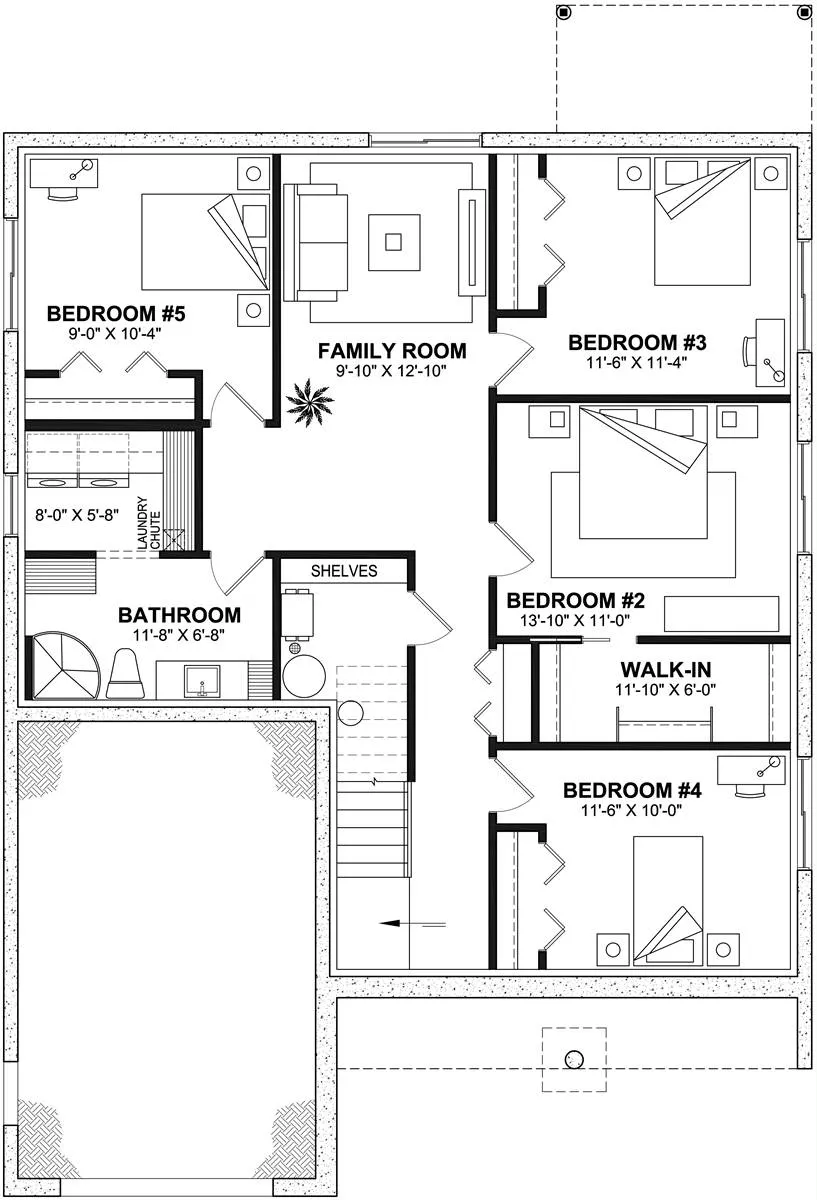
Family Room and Entertainment Area: This setup creates the perfect space for movie nights, board games, and casual gatherings. It often includes built-in storage, comfortable seating arrangements, and entertainment centers. Some plans feature full bars or wet bars in these spaces.
Home Office or Study: A quiet, dedicated workspace away from the main floor noise. These rooms often include ample desk space, bookshelves, and good lighting. Many homeowners prefer these spaces because they offer uninterrupted focus time.
Guest Suite: Complete with private bathroom and sleeping area. This configuration provides privacy for visitors while keeping them close to the main house. Some designs include separate entrances for guests.
Workshop or Gym: For those with hobbies or fitness goals, a basement workshop or exercise area can be incredibly valuable. These spaces often feature specialized flooring, storage solutions, and adequate ventilation.
Storage Solutions: Sometimes the most practical basement design focuses entirely on organization. Multi-level shelving, custom cabinetry, and efficient storage systems can transform a basement from a dumping ground into a well-organized treasure trove.
Planning Considerations and Challenges
Before diving into basement house plans, there are several important factors to consider:
Soil Conditions: The type of soil around your foundation affects both construction costs and design options. Clay soils may require special support systems, while sandy soils might need different approaches. Your local building codes will specify requirements based on your area's geology.
Water Table Levels: If groundwater is high, you'll need stronger waterproofing and possibly sump pumps. This isn't just about preventing floods – it's about ensuring long-term structural integrity.
Local Building Codes: Every region has unique regulations regarding basement construction. Some areas require permits for any basement work, while others have specific requirements for egress windows or fire safety features.
Cost Implications: While basements add value, they also add complexity to construction. Expect to pay 10-15% more for basement construction compared to above-ground levels, though this varies significantly by location and complexity.
Maximizing Natural Light and Airflow
One of the biggest challenges with basement house plans is dealing with darkness and poor air circulation. However, innovative approaches make these issues manageable:
Light Solutions:
Install large windows or sliding glass doors that open directly to outdoor spaces
Use light wells or courtyard designs to channel natural light deeper into the basement
Consider skylights or solar tubes for overhead illumination
Choose light-colored finishes and reflective surfaces to maximize available light
Air Quality Improvements:
Implement mechanical ventilation systems with heat recovery units
Position windows strategically to create cross-ventilation
Add plants to naturally filter indoor air
Use dehumidifiers to manage moisture levels
These improvements aren't just about comfort – they're about health. A properly lit and ventilated basement becomes a place where you actually want to spend time, not just pass through.
Cost-Effective Basement Design Strategies
You don't need to break the bank to create a fantastic basement space. Here are practical ways to maximize value without overspending:
Start Simple: Begin with basic framing and electrical work before adding finishing touches. This allows you to see what works before investing heavily in aesthetics.
DIY Where Possible: Many basement projects can be tackled by homeowners with basic skills. Framing, electrical work, and simple finishing tasks often save significant money.
Smart Material Choices: Select materials that offer durability without premium prices. Laminate floors, quality paint, and efficient lighting can make a huge difference in appearance without major costs.
Plan for Future Upgrades: Build flexibility into your basement design.预留空间 for future additions or changes in function. This prevents costly renovations later.
Energy Efficiency: Invest in good insulation and energy-efficient appliances early. These savings will compound over time and make your basement more comfortable year-round.
Legal and Safety Requirements
Basement house plans must meet strict legal standards to protect occupants and ensure compliance with local regulations:
Egress Windows: Most building codes require at least one window per bedroom or living area that meets specific size requirements for emergency escape. These windows must be operable from inside the room.
Fire Safety: Smoke detectors, fire-resistant materials, and clear escape routes are mandatory in all basement living spaces. Some jurisdictions require sprinkler systems for larger basement areas.
Electrical Codes: Basement electrical installations must follow specific guidelines, including GFCI protection for outlets near water sources and proper grounding.
Permits and Inspections: Most basement construction requires permits and multiple inspections. Skipping these steps can result in expensive corrections or even legal issues.
Structural Integrity: Any basement modifications must maintain or improve the home's structural soundness. This includes proper load-bearing calculations and foundation support.
Future-Proofing Your Basement Design
Thinking ahead makes all the difference in creating lasting value from your basement investment. Consider these forward-thinking elements:
Technology Integration: Plan for smart home features from the start. Hidden wiring for speakers, security cameras, and internet connectivity makes future upgrades seamless.
Flexible Spaces: Design areas that can easily change function. Movable walls, modular furniture, and adaptable layouts accommodate changing needs over time.
Accessibility Features: Incorporate features like ramps, wider doorways, and grab bars that make the space usable for people of all ages and abilities.
Sustainability Options: Solar panels, rainwater collection systems, and energy-efficient appliances contribute to long-term savings and environmental responsibility.
Resale Value: Keep in mind that your basement might eventually become someone else's dream space. Design with universal appeal and timeless aesthetics.
Basement house plans offer homeowners an incredible opportunity to enhance their living spaces while adding substantial value to their properties. The key to success lies in thoughtful planning, attention to detail, and understanding both the challenges and benefits of underground living.
Whether you're designing a new home or renovating an existing one, remember that a well-executed basement plan can become the heart of your home's functionality and comfort. Start by identifying your priorities – do you need more bedroom space, or are you looking for a quiet retreat?
Don't let the complexity of basement construction intimidate you. With careful planning, professional guidance when needed, and a clear vision of what you want to accomplish, your basement can become one of the most valuable and enjoyable parts of your home. The investment pays dividends not just financially, but in the quality of life you create for yourself and your family.
Sarah Mitchell is a certified interior designer (NCIDQ) and home improvement specialist with over 8 years of experience helping homeowners create functional, beautiful living spaces. She holds a Bachelor's degree in Interior Architecture from the Savannah College of Art and Design (SCAD) and has contributed to real estate and home décor publications.