
Picture this: waking up to morning light streaming through large windows, stepping out onto a private deck overlooking your backyard, and having easy access to your finished basement space. This isn't just a fantasy - it's very possible with the right house plan. When you combine the simplicity of a single-level home with the added living space of a walkout basement, you get something special that many homeowners find irresistible.
The marriage between single-story living and walkout basements creates some of the most appealing home designs available today. These homes offer the best of both worlds: the convenience of one floor with the extra space that comes with a partially below-grade level. Whether you're planning a new build or looking to renovate, understanding how these two elements work together can transform your entire approach to home design. The beauty lies not just in the aesthetic appeal, but in the practical advantages they provide for modern families.
What Makes a Walkout Basement Special
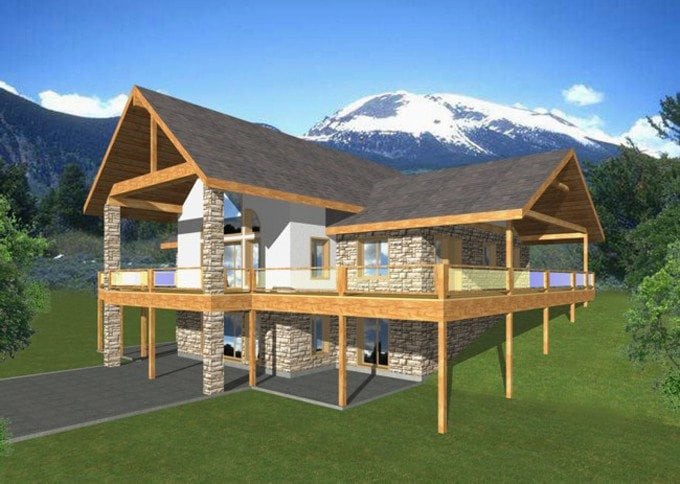
A walkout basement is more than just a basement with a door leading outside. It's a strategic design choice that maximizes usable space while creating a seamless connection between indoor and outdoor living areas. The key difference is that the basement level has direct access to the exterior through doors or windows, allowing for natural light and fresh air to flow freely into what might otherwise be a dark, enclosed space. This design feature turns what could be a neglected area into a valuable part of your home.
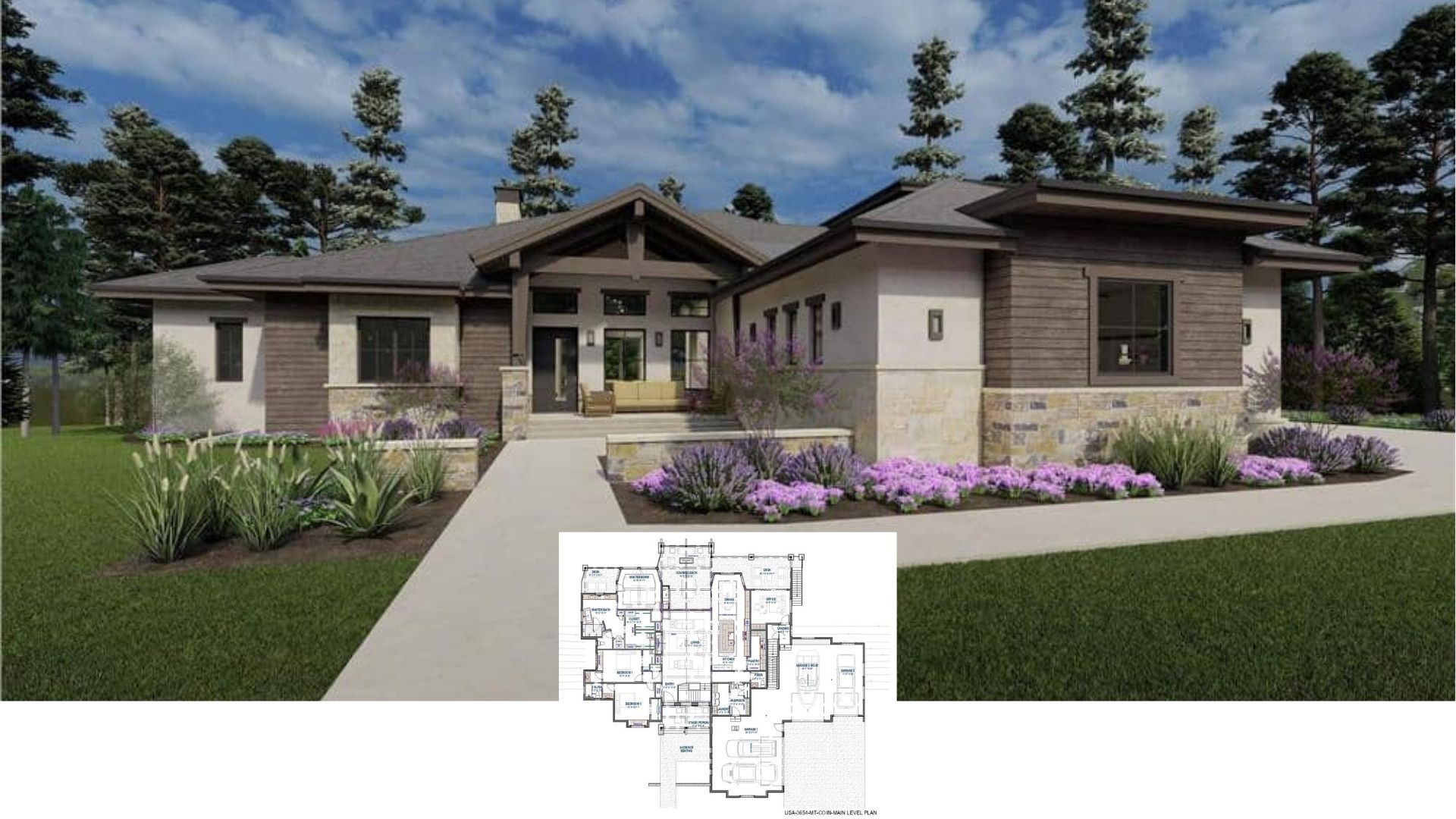
Think about how much more enjoyable it would be to have a family room that opens directly to a patio, or a workshop that gets plenty of natural light. That's exactly what a walkout basement offers. The psychological benefit alone is huge - people feel more connected to their homes when they can move naturally between indoor and outdoor spaces.
Benefits of Single-Level Living
There's something incredibly appealing about living on one floor. For starters, it eliminates the need for stairs, which means easier mobility for everyone in the household. Think about elderly family members, young children, or anyone dealing with mobility challenges. A one-story layout makes daily life much simpler.
Beyond accessibility, single-level homes also tend to be more energy efficient. There's less square footage to heat and cool, and the overall footprint of the home often requires fewer materials and labor costs. Plus, you save time every day. No more climbing stairs to get to the laundry room or rushing upstairs to check on kids in the middle of the night.
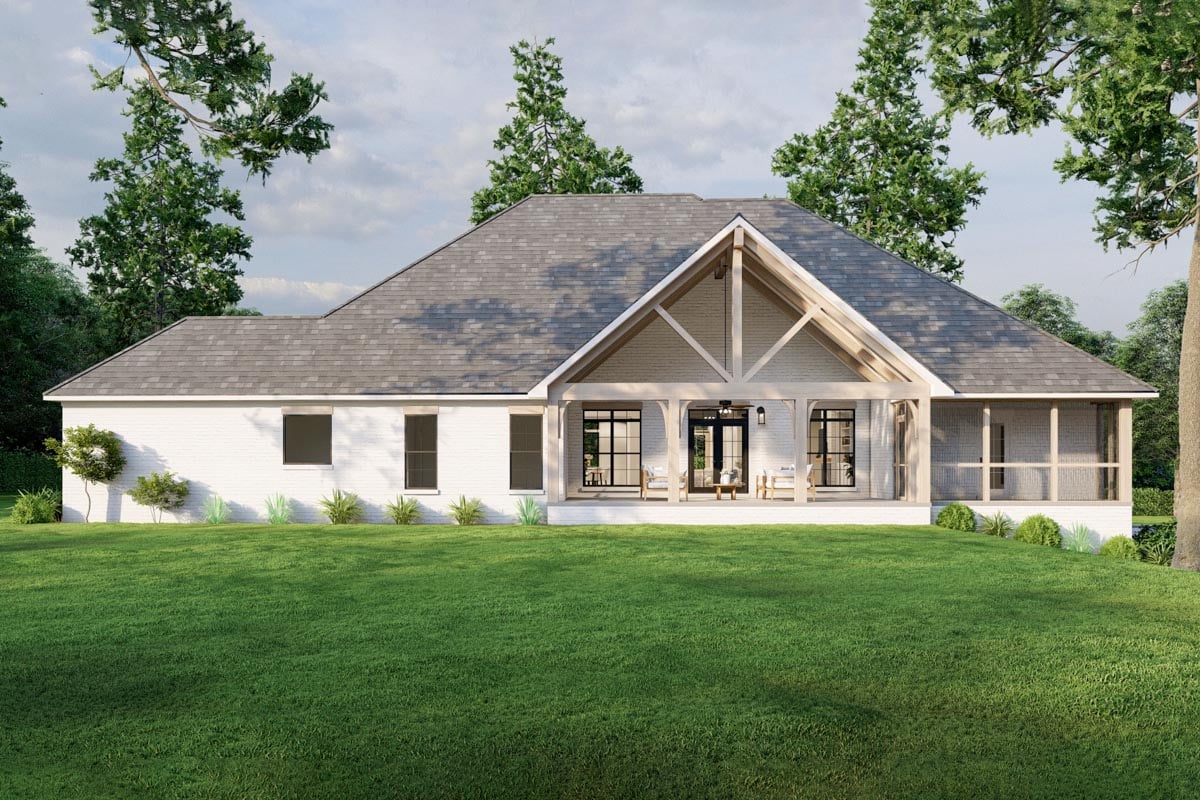
These homes also offer better flexibility for home offices, playrooms, or guest quarters. Everything is within reach, and there's no awkwardness about moving between floors when entertaining guests or hosting family gatherings.
Design Considerations for Layout
When designing a one-story home with a walkout basement, the placement of your main living areas becomes crucial. Most architects recommend positioning the primary bedroom and bathroom on the upper level, while using the basement for additional bedrooms, recreational spaces, or utility areas. This arrangement allows the main living areas to remain bright and airy, while giving the basement its own character.
Key factors to consider:
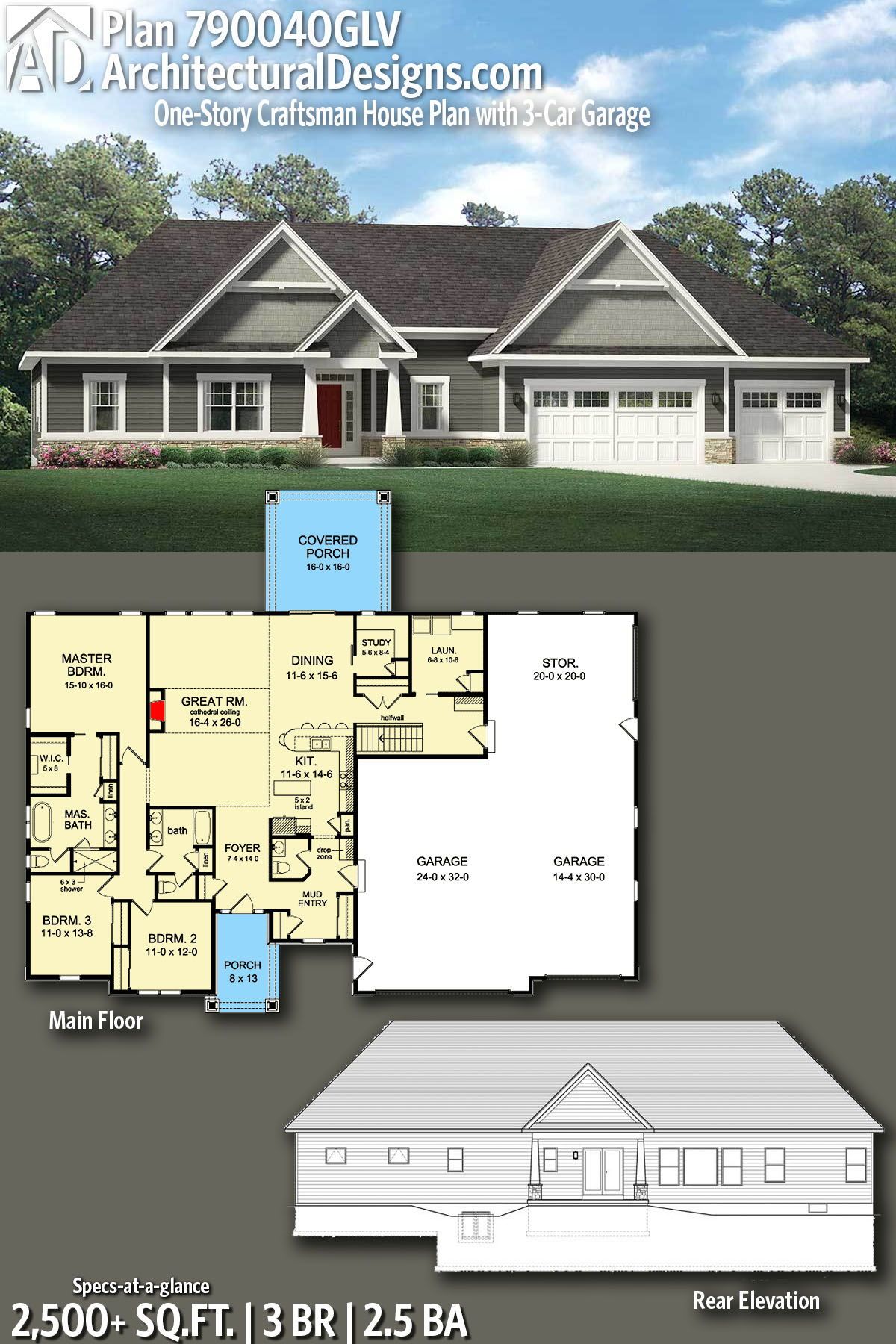
The basement entrance should ideally face a direction that receives good natural light during the day. Many homeowners prefer south-facing entrances to maximize sun exposure, especially in northern climates where daylight hours are limited.
Practical Advantages and Space Utilization
One of the biggest draws of this combination is the incredible amount of usable space you gain without dramatically increasing your home's footprint. A typical walkout basement can easily accommodate a full kitchen, dining area, family room, or even a separate living space that feels completely distinct from the main floor.
Consider a family room that opens directly onto a deck or patio. Imagine having your entertainment area just steps from the great outdoors. Or picture a home office that overlooks a garden or yard. These aren't luxuries - they're practical realities that make daily life more enjoyable.
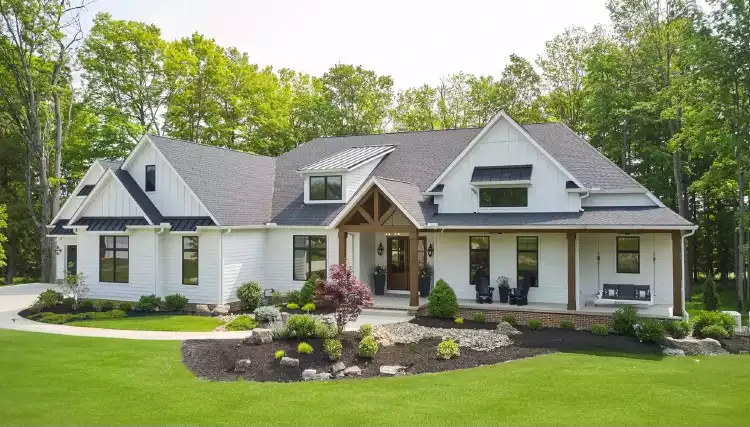
The basement space also provides excellent storage solutions. Instead of filling your garage with boxes, you can create a well-lit storage area that's actually useful. Many homeowners find that the extra space helps them organize their belongings more efficiently, reducing clutter on the main level.
Structural and Construction Challenges
While these homes offer many benefits, they also come with unique construction challenges that shouldn't be overlooked. The foundation must be built to handle the additional weight and pressure from soil and water. This typically means deeper footings and stronger concrete work compared to standard basements.
Water management becomes critical with walkout basements. Proper drainage systems, including French drains and proper grading around the foundation, are essential to prevent moisture issues. Many problems with these homes stem from poor waterproofing or inadequate drainage.
Additionally, the cost of construction can be higher due to the complexity of the foundation work. You'll also need to consider the expense of finishing the basement properly, including insulation, electrical work, and HVAC considerations. These are all factors that should be carefully planned into your budget from the beginning.
Real-World Examples and Inspiration
Looking at actual examples can help clarify how these designs work in practice. Some popular layouts include:
Many successful designs incorporate large windows that let in natural light, creating a sense of spaciousness despite the lower level. Some homeowners choose to build their walkout basement with a partial above-ground wall, creating a semi-circular design that blends seamlessly with the landscape.
One common mistake is assuming that all walkout basements look the same. In reality, there are numerous creative approaches to achieving this design. Some homes feature a full basement with multiple access points, while others use a more subtle approach with a single walkout door and large windows.
A one-story home with a walkout basement represents a smart solution for modern living needs. It combines the accessibility and efficiency of single-level living with the expanded functionality of a partially below-grade space. While the initial investment may be higher and the construction process more complex, the long-term benefits often outweigh these challenges.
Whether you're building a new home or remodeling an existing structure, this design approach offers flexibility, practicality, and a quality of life that's hard to match. The key is to work with experienced professionals who understand both the structural requirements and the lifestyle benefits of this type of home design. With proper planning and execution, you can create a space that truly enhances your daily routine and provides lasting value for your family.


