
Picture this: a beautiful garden space that's easy to tend, naturally pest-resistant, and built to last for years. What if we told you there's a simple way to achieve this? Enter cedar plank raised garden beds – the perfect blend of functionality and natural beauty that's been helping gardeners around the world grow better crops.
When it comes to gardening, the right setup can make all the difference between a thriving garden and a frustrating struggle. Cedar plank raised garden beds have emerged as one of the most popular solutions among both novice and experienced gardeners. These structures offer something special – they combine practical benefits with natural aesthetics that complement any outdoor space. Whether you're dealing with poor soil quality, limited space, or just want to make gardening easier on your back, cedar plank raised beds might be exactly what you've been searching for. The magic lies not just in their design, but in the centuries-old wisdom of using cedar wood for outdoor construction.
Why Cedar Wood Works So Well
Cedar isn't just another type of wood – it's got unique properties that make it perfect for garden applications. The natural oils in cedar act as a built-in preservative, making it resistant to rot and insects. When you look at a cedar plank raised bed, you're seeing wood that's been used for centuries in everything from boats to outdoor furniture. These natural compounds give cedar its distinctive smell and its ability to withstand the elements.
The beauty of cedar extends beyond its longevity. It's naturally water-resistant, which means your garden bed won't start falling apart after the first rainy season. Plus, many gardeners find that cedar's natural scent helps repel certain pests, creating a more peaceful growing environment. Some even say that plants seem to thrive better when grown in cedar beds – though that might just be the psychological comfort of knowing you're using something that's been trusted for generations.
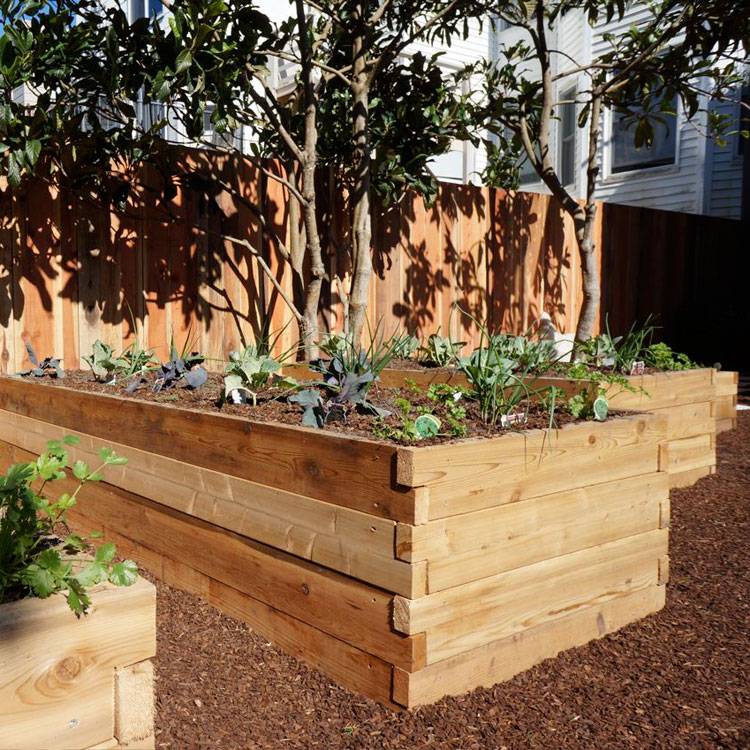
Designing Your Perfect Raised Bed
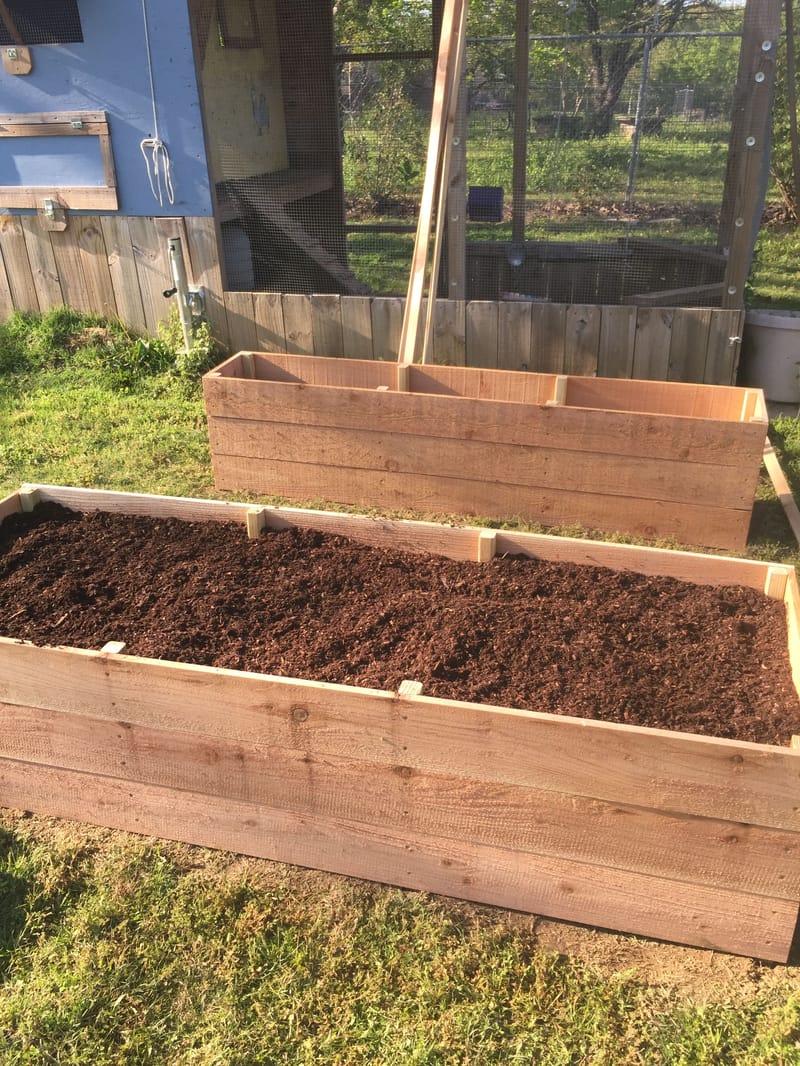
Creating a cedar plank raised garden bed starts with understanding the basics of good design. First, consider the dimensions. Most gardeners find that 4 feet wide provides easy access to the center of the bed without having to step on the soil. As for height, 8 to 12 inches works well for most vegetables, while deeper beds may be better for root crops like carrots or potatoes.
The planks themselves should be at least 1 inch thick to ensure they can handle the weight of soil and water without warping. You'll want to leave about 1/2 inch gap between each plank to allow for expansion and contraction as weather changes. This spacing also makes it easier to fill the bed with soil and gives you room to adjust if the wood shifts over time.
Think about the shape too. While rectangular beds work great for most spaces, curved designs can add visual interest to your garden. Square corners are easier to build, but rounded edges can help prevent soil from spilling out during heavy rains.
Construction Process Made Simple
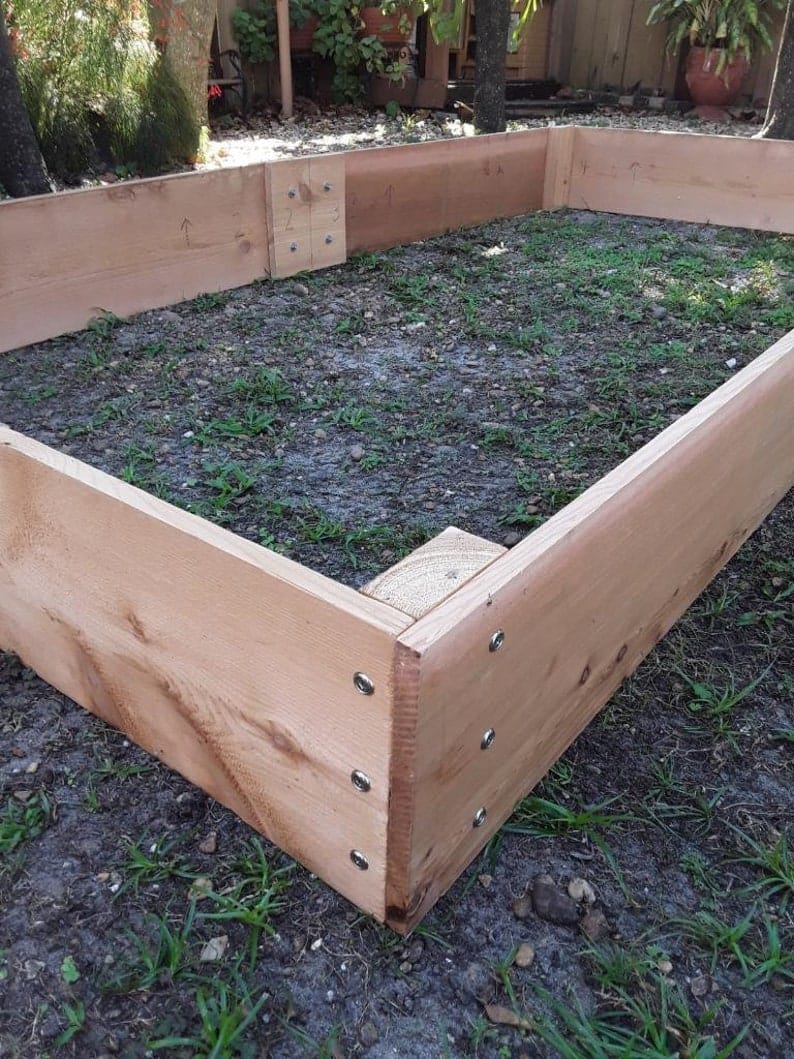
Building a cedar plank raised garden bed doesn't require advanced carpentry skills. Start by measuring your desired space carefully. You'll need to cut your planks to length – typically 8 feet long planks work well for standard garden sizes.
The foundation matters. If you're building on grass, remove the sod and level the ground. For concrete or asphalt surfaces, you might want to add a layer of landscape fabric underneath to prevent weeds. Many gardeners prefer to dig a shallow trench about 2 inches deep along the planned edge of their bed.
Assembly is straightforward once you've got your materials ready. Simply lay out your planks and secure them with galvanized screws, making sure to pre-drill holes to avoid splitting. The key is to drive the screws at an angle toward the center of the bed rather than straight down. This prevents water from pooling around the screw heads.
Don't forget to add corner brackets or metal posts for extra stability, especially for larger beds or those that will hold a lot of soil.
Soil Preparation and Planting
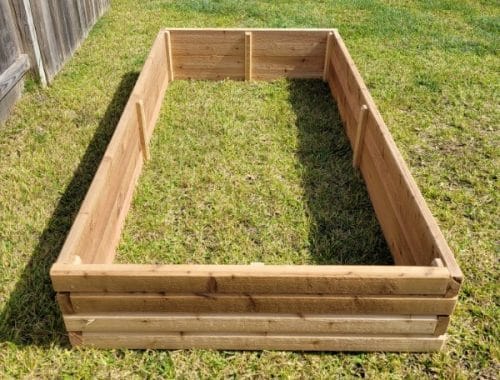
Once your cedar bed is assembled, it's time to fill it with the right soil mixture. The secret to successful raised bed gardening isn't just the structure itself, but the soil you put inside. Aim for a blend of 60% native soil, 30% compost, and 10% coarse sand or perlite. This combination provides nutrients while ensuring good drainage.
Fill your bed gradually, checking that the soil settles evenly. You don't want to overfill initially, as soil will compress over time. After filling, add a few inches of mulch on top to retain moisture and suppress weeds.
When planting, consider companion planting principles. Tomatoes and basil work wonderfully together, while beans can fix nitrogen in the soil for neighboring plants. The elevated nature of raised beds makes it easier to rotate crops seasonally, giving your plants the best chance to thrive.
Remember to water deeply but less frequently. The elevated soil dries out faster than ground-level soil, so establishing a consistent watering schedule is crucial. Many gardeners find that drip irrigation systems work exceptionally well with raised beds because they deliver water directly to the root zone.
Maintenance and Longevity Tips
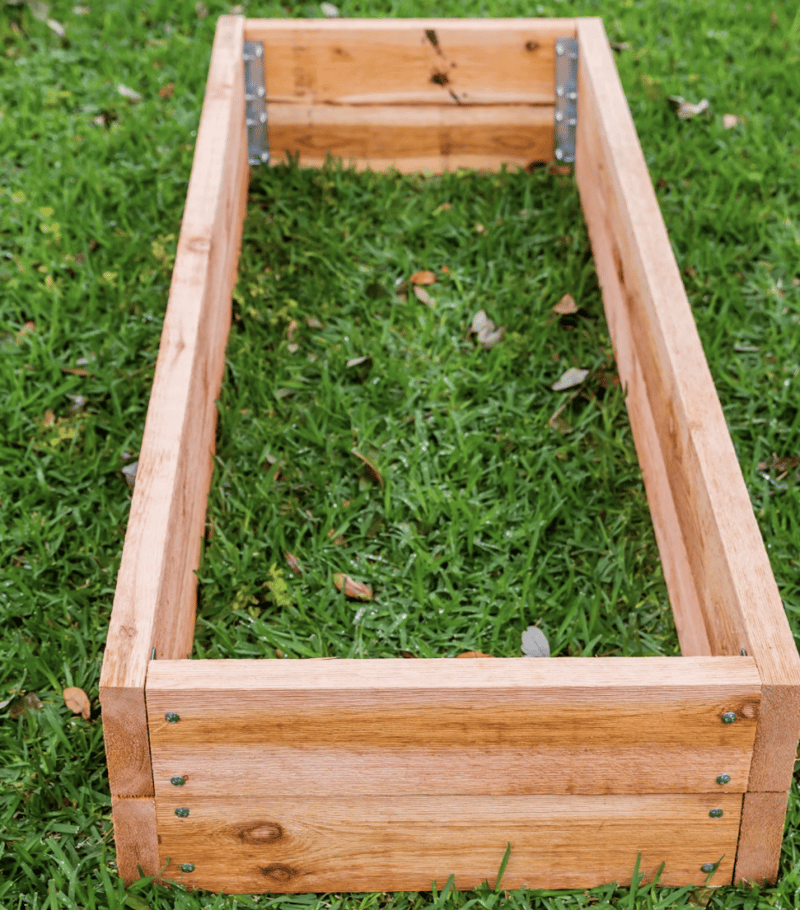
One of the biggest advantages of cedar plank raised beds is their longevity. With proper care, these structures can last 15-20 years or more. The key to maintaining their beauty and function lies in regular attention to a few simple practices.
Annual inspection is essential. Check for loose screws or shifting planks, and tighten anything that feels loose. Look for signs of insect damage or rot, particularly around the bottom edges where moisture tends to accumulate.
Adding fresh compost annually keeps the soil nutrient-rich and helps maintain the health of your plants. Consider adding a light layer of mulch each spring to protect the soil and provide ongoing benefits.
If you notice any planks starting to look worn or damaged, you can often replace just those sections rather than rebuilding the entire structure. This makes maintenance manageable even for beginners.
Some gardeners choose to apply a natural sealant every few years to preserve the cedar's appearance, though this isn't strictly necessary since cedar is naturally durable.
Benefits Beyond Plant Growth
Cedar plank raised garden beds offer advantages that extend far beyond growing better vegetables or flowers. They're particularly helpful for gardeners with mobility issues, as they eliminate the need to bend down and work in the ground. This can make gardening much more comfortable and sustainable for people who have back problems or arthritis.
The elevated design also makes it easier to control pests like slugs and snails, which struggle to reach plants in raised positions. Many gardeners report fewer pest problems when using raised beds, which means less need for chemical treatments.
These beds also help with water management. Because the soil is elevated and often has better drainage than ground-level areas, you're less likely to deal with soggy conditions that can harm plant roots. This is especially helpful in areas with heavy rainfall or poor drainage.
Additionally, raised beds allow for more efficient use of space. You can plant more densely in a smaller area compared to traditional row gardening, maximizing your yield in limited space. This makes them ideal for urban gardeners or anyone with a small yard.
Cedar plank raised garden beds represent more than just a gardening trend – they're a thoughtful approach to creating better growing conditions for plants and gardeners alike. From the natural durability of cedar to the practical benefits of elevation, these structures offer something special for anyone serious about gardening. Whether you're a beginner looking for an easy way to start growing food or an experienced gardener wanting to optimize your space, cedar raised beds provide a solid foundation for success. The investment in quality materials pays dividends not just in plant health, but in the joy of gardening itself. You might find yourself spending more time in your garden, enjoying the satisfaction of watching your plants thrive in their perfectly designed homes. There's something deeply satisfying about working with natural materials that have been trusted for generations, and cedar plank raised beds offer that connection to timeless wisdom while meeting modern gardening needs.


