
Picture this: you're lying in bed, looking down at the floor beneath your queen-sized mattress. You notice something missing - that cozy, finished look that makes your bedroom feel complete. What's the secret? It's not just about comfort, but about finding the right rug size under your queen bed.
When it comes to bedroom design, one of the most overlooked elements is the rug placed beneath a queen-sized bed. Many people assume that any rug will do, but getting the sizing right can transform a room from merely functional to truly inviting. The right rug size creates visual balance, defines the space, and adds warmth to your sleeping area. It's not just about aesthetics though - there are practical benefits too. A properly sized rug helps protect your flooring, provides extra comfort underfoot, and can even influence how spacious your bedroom feels.
Understanding Queen Bed Dimensions
Before diving into rug sizes, let's start with the basics. A standard queen bed measures 60 inches wide by 80 inches long. That's a lot of space to cover, especially when you consider that most bedrooms have additional furniture like nightstands, dressers, and perhaps a chair or two. When you think about it, a queen bed is already commanding attention in any room. So what happens when we add a rug underneath? It should complement rather than compete with the bed's presence. Consider the overall proportions. If you have a large bedroom, you might want a bigger rug to maintain visual balance. But if your space is smaller, a rug that's too big could overwhelm the room. The key is finding that sweet spot where everything feels harmonious.
Standard Rug Sizes for Queen Beds
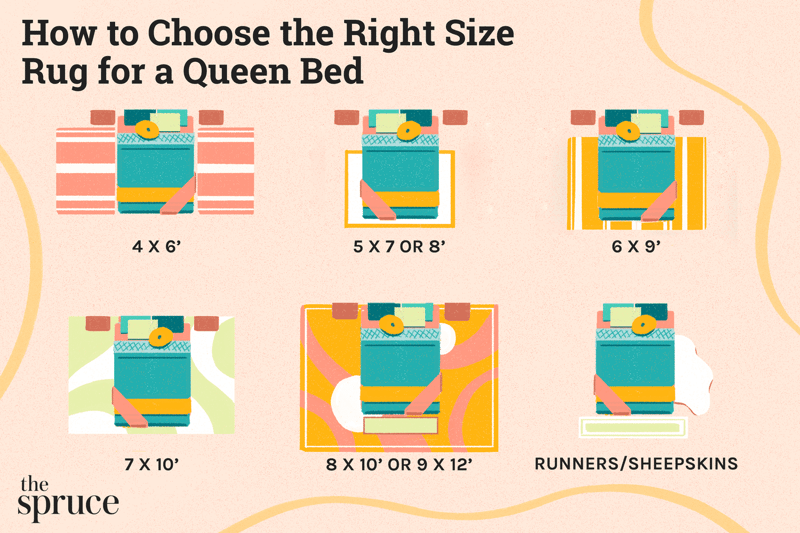
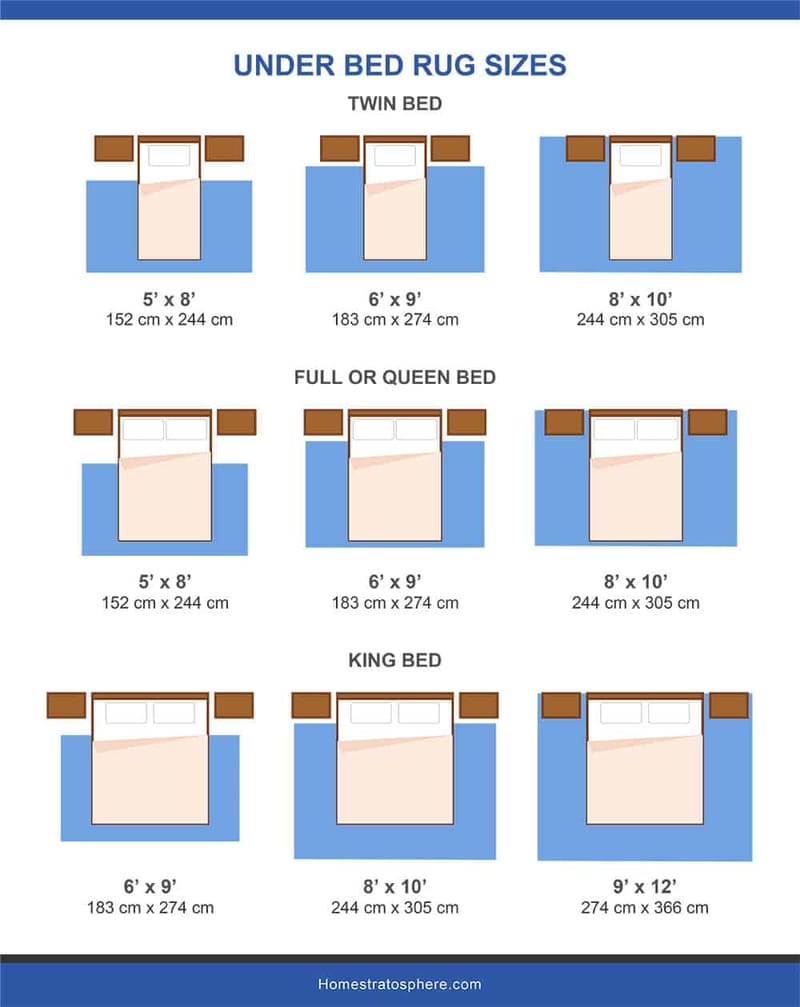
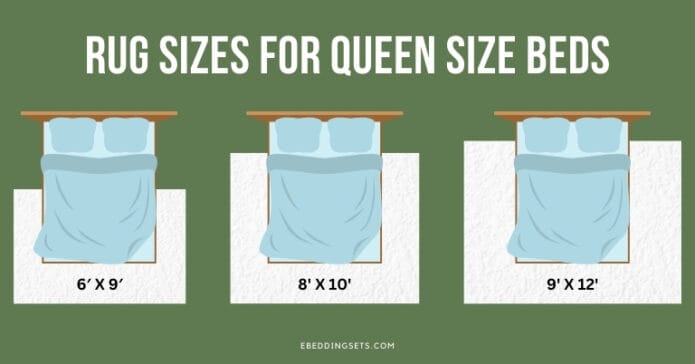
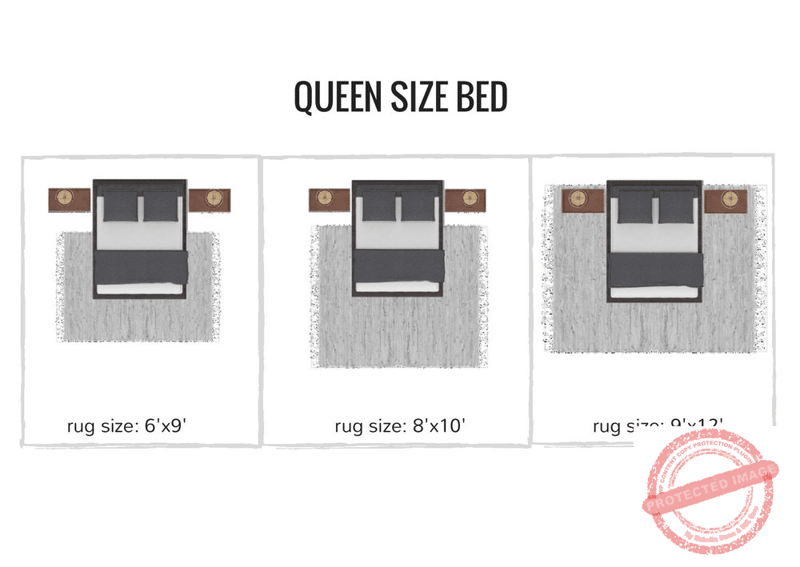
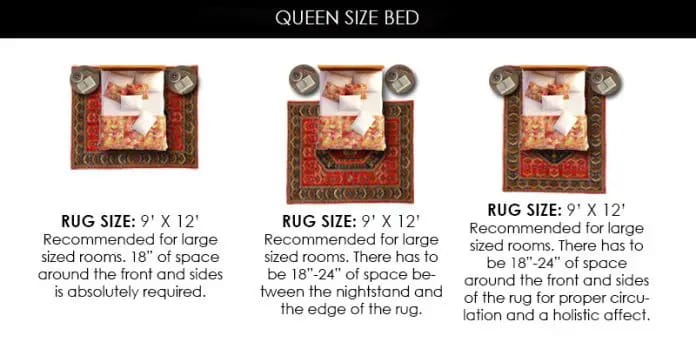
There are several common rug sizes that work well under queen beds. The most popular choice is a 7'x9' rug. This size gives you enough room to extend beyond the bed's edges while still maintaining a comfortable fit in most rooms. Another option is a 6'x9' rug, which works well in smaller spaces or when you want to keep things more contained. For those with very large bedrooms, a 9'x12' rug might be appropriate. These dimensions allow for generous overhang on all sides, creating a more defined and luxurious look. Let's break this down a bit more. A 7'x9' rug will typically extend about 24 inches beyond the bed's edges on each side. That extra space gives your feet something soft to step on when you get up at night. It also helps define the sleeping area, making it clear where your bed ends and the rest of the room begins.
Calculating Your Perfect Rug Size
The math isn't rocket science, but it's important to get it right. Start by measuring your bed's dimensions carefully. Then decide how much overhang you want on each side. Most designers suggest at least 12 inches of overhang, but 18-24 inches is often preferred for maximum effect. Here's a simple way to calculate it: take your bed width and add twice the desired overhang. For example, if your queen is 60 inches wide and you want 18 inches of overhang on each side, your rug should be 96 inches wide. The length calculation is similar. Add twice the desired overhang to your bed length. So for a queen bed that's 80 inches long, with 18 inches of overhang, you'd need a rug that's 116 inches long. Of course, practical considerations matter too. If you have furniture like nightstands that need to fit comfortably, you might want to adjust your calculations accordingly. Sometimes you'll find that a slightly smaller rug works better in your specific layout.
Room Size Considerations
The size of your bedroom plays a crucial role in determining the best rug size. In small rooms, going too big with your rug can make everything feel cramped and claustrophobic. Think about it - if you have a 10x12 foot bedroom and you place a 9'x12' rug under your queen bed, you're essentially taking up most of the available floor space. This can make the room feel smaller instead of larger. On the other hand, in larger spaces, a bigger rug can actually enhance the feeling of spaciousness. A 7'x9' rug in a 15x20 foot bedroom will look perfectly proportioned and create a nice focal point. Consider the traffic flow too. You don't want your rug to interfere with walking pathways or make it difficult to move around the room. The rug should enhance the room's functionality, not hinder it. Some people prefer to measure their entire sleeping area, including nightstands and any adjacent furniture, to ensure the rug fits properly within the overall space.
Practical Placement Tips
Getting the placement right is just as important as choosing the right size. The rug should extend beyond the bed's edges on all sides. Ideally, you want to leave about 12-18 inches of space between the rug's edge and any surrounding furniture. This creates a clean boundary that helps define the sleeping area. For nightstands, make sure they sit comfortably on top of the rug, not on the bare floor. This creates visual continuity and makes the space feel more unified. One common mistake people make is placing the rug too close to the bed's edges. This can create an awkward gap that looks unfinished. Also, consider how the rug interacts with other elements in the room. If you have a dresser against the wall, you might want the rug to extend toward it to create a more cohesive look. The rug should anchor the bed and create a sense of stability.
Material and Style Considerations
Beyond size, the material and style of your rug also play important roles in how it functions and looks. For bedrooms, softer materials like wool, cotton, or plush synthetic fibers tend to work well. They provide comfort underfoot and can add texture to your space. Some people prefer the durability of nylon or polyester rugs, especially in high-traffic areas. The pattern and color also matter. Solid colors can make a small room feel larger, while bold patterns can add visual interest to larger spaces. Lighter colors generally reflect light and make rooms feel more open. Darker colors can create a cozy, intimate atmosphere. Consider the overall aesthetic of your bedroom. If you have a modern minimalist design, a simple, neutral-colored rug might be perfect. For more traditional setups, rich textures and deeper colors could work better. Don't forget about maintenance - some materials are easier to clean than others, especially if you have pets or children around.
Finding the right rug size under your queen bed is both an art and a science. It requires balancing practicality with aesthetics, considering your room's dimensions, and thinking about how everything works together. The key takeaway is that there's no one-size-fits-all approach. What works beautifully in one bedroom might not suit another perfectly. Take your time to measure carefully, consider your room's proportions, and think about how you'll actually use the space. Whether you go for a modest 6'x9' rug or opt for a grand 9'x12' piece, the goal remains the same - to create a comfortable, visually appealing space that feels like home. Remember, the perfect rug isn't just about covering floor space. It's about creating a sense of completeness, adding warmth to your bedroom, and making every morning feel a little more special.


