
When it comes to choosing a mattress for kids, teens, or guests, two sizes often cause confusion: the twin and twin XL. These seemingly similar options have some important distinctions that can impact your sleep quality and room setup. Let's explore what makes them different and how to pick the best one for your situation.
Picture this: you're shopping for a new bed for your teenager's dorm room or guest bedroom. You've narrowed it down to twin or twin XL mattresses, but something feels off about the comparison. The measurements seem almost identical, yet there's definitely a difference. It's like trying to fit a square peg in a round hole – except instead of furniture, we're dealing with sleep surfaces. This confusion isn't just random; it's rooted in how these two sizes work differently in real life. Understanding their unique characteristics can save you from costly mistakes and ensure better sleep for everyone involved.

The Basic Size Difference
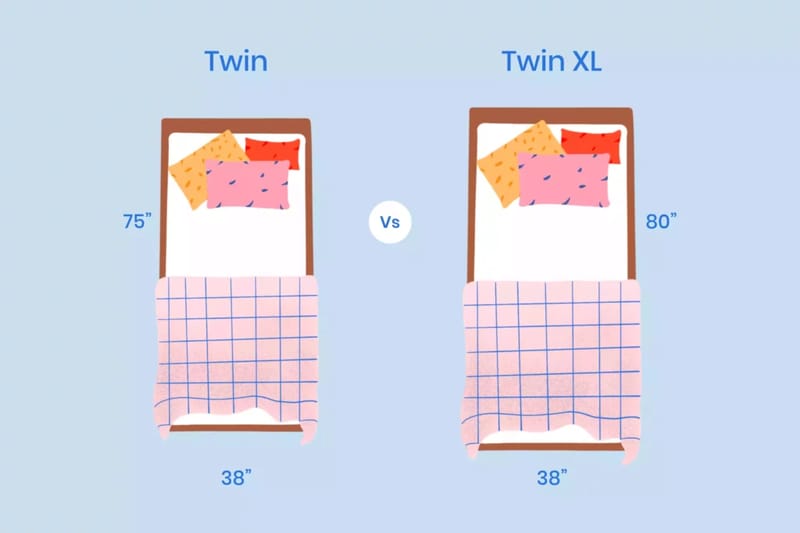
At first glance, both twin and twin XL mattresses look remarkably alike. They're both about 38 inches wide, which makes sense since they're both designed for single sleepers. However, the length is where things get interesting. A standard twin measures 75 inches long, while a twin XL extends to 80 inches. That's five extra inches – enough space for a taller person to stretch out comfortably. Think of it like having a slightly longer bed, but the width stays the same. When you're dealing with teenagers who are still growing, or adults who simply prefer more leg room, those extra inches matter significantly. The difference might seem small, but it's substantial enough to affect sleep posture and comfort levels.
Who Needs the Extra Length?
The twin XL size wasn't invented just for fun – it serves a real purpose. Consider the average height of teenagers today. Many are taller than their parents remember, and they need room to move around during sleep. A twin XL gives them that breathing room. Plus, it works well for adults who want a little extra space. But here's the thing: if you're buying a mattress for someone who's shorter than average, or if you're planning to use it in a very small room, the extra length might be unnecessary. The key is matching the size to the user's actual needs. Some people find the extra space comforting, while others feel it makes their beds feel too big. It's all about personal preference and body proportions.

Room Space Considerations
This is where things get practical. A twin XL mattress takes up more floor space than a regular twin, and that matters when you're working with limited room dimensions. In a dorm room, for example, you might have to consider whether your bed will fit properly under the bunk bed frame or next to a desk. Some dorm rooms have strict dimensions that might not accommodate the extra length. Similarly, in a guest bedroom, if the space is tight, a regular twin might be more appropriate. On the flip side, if you have a spacious bedroom with plenty of clearance around the bed, the extra five inches won't be a problem. It's also worth noting that some people actually prefer the feeling of a larger bed, even if they're not particularly tall. The psychological comfort of having more space can improve sleep quality.

Cost and Availability Factors
Price-wise, twin XL mattresses are typically a bit more expensive than regular twins, though not always by much. The manufacturing process is similar, but the extra material means higher costs. You'll also find that twin XL mattresses are less common in certain retailers, especially in smaller stores. This means you might need to shop around a bit more to find exactly what you want. However, online retailers often carry both sizes more readily. The availability issue becomes more pronounced when looking for specific features like memory foam or hybrid designs. Some manufacturers focus more heavily on regular twin sizes because they sell more units. If you're looking for a particular type of mattress, check availability before making your decision. It's also worth noting that some companies offer special pricing for twin XLs, particularly for college students who often need this size.

Storage and Transportation Challenges
Transportation presents another layer of complexity. A twin XL mattress is longer, which means it requires more careful handling during delivery and moving. Standard twin mattresses can fit easily into most standard trucks and cars, but a twin XL might require a larger vehicle or more careful positioning. Storage is another concern. If you're storing a twin XL mattress temporarily, you'll need a space that can accommodate its length. This becomes especially important when moving between homes or traveling. The extra length also affects how easily you can roll or fold the mattress for storage. Some people find the longer size harder to manage during routine maintenance like flipping or rotating. For those who frequently rearrange furniture or move, this could be a significant factor in their decision-making process.
Practical Tips for Making the Right Choice
So how do you decide? Start by measuring the space where the mattress will go. If you're buying for a teenager, consider their current height and growth potential. Ask yourself: will they be sleeping on this bed for years to come, or is it just temporary? For guests, a regular twin might suffice unless you know they're particularly tall. Think about the room layout and whether there's adequate clearance around the bed. Also, consider your budget – twin XLs cost a bit more, so factor that into your decision. Finally, remember that many people don't realize they need the extra length until they try it. If possible, test the size in person before purchasing. Some mattress stores offer trial periods that let you see how the mattress fits your lifestyle. And don't forget to account for bedding – sheets, pillowcases, and covers need to match the exact dimensions you choose.
Choosing between twin and twin XL mattresses isn't just about measurements – it's about understanding how the size impacts daily life and sleep quality. While both serve the same basic purpose of providing a comfortable place to rest, the twin XL offers crucial advantages for taller individuals or those who value extra legroom. The decision ultimately depends on several factors including available space, user height, budget considerations, and personal preferences. Don't let the similarity in appearance fool you – those extra five inches can make a meaningful difference in sleep comfort. Whether you're outfitting a teen's bedroom or preparing a guest room, taking time to consider these factors will help you make a choice that serves you well for years to come. Remember, the right mattress size isn't just about fitting the bed into the room – it's about ensuring that the person sleeping on it gets the support and comfort they deserve.


