
Picture this: you're lying in bed, trying to relax after a long day, when suddenly you feel those tiny, itchy bites on your skin. You look down and see red marks that look like mosquito bites, but they're arranged in lines or clusters. That's bed bug season, and it's not just a nuisance—it's a serious problem that affects millions of people worldwide. But what if there was a simple, effective way to keep these pests away from your sleeping area? Enter the mattress cover protector, a surprisingly powerful tool in the battle against bed bugs.
Bed bugs aren't just a bedroom inconvenience—they're a global health issue that's been making headlines for years. These small, flat insects have made a comeback since the 1990s, and today, they're found in hotels, apartments, dormitories, and homes across the country. They feed on human blood, often biting at night while you sleep, leaving behind itchy welts that can last for days. What makes them particularly tricky is their ability to hide in tiny spaces, including inside mattresses, box springs, and even behind headboards.
The good news is that prevention is much easier than elimination. While many people think bed bugs are impossible to stop once they've infested a space, there are actually several effective strategies available. One of the most overlooked but powerful tools in your arsenal is the mattress cover protector. This seemingly simple device can be a game-changer in keeping these pests at bay.
What Is a Bed Bug Mattress Cover Protector?
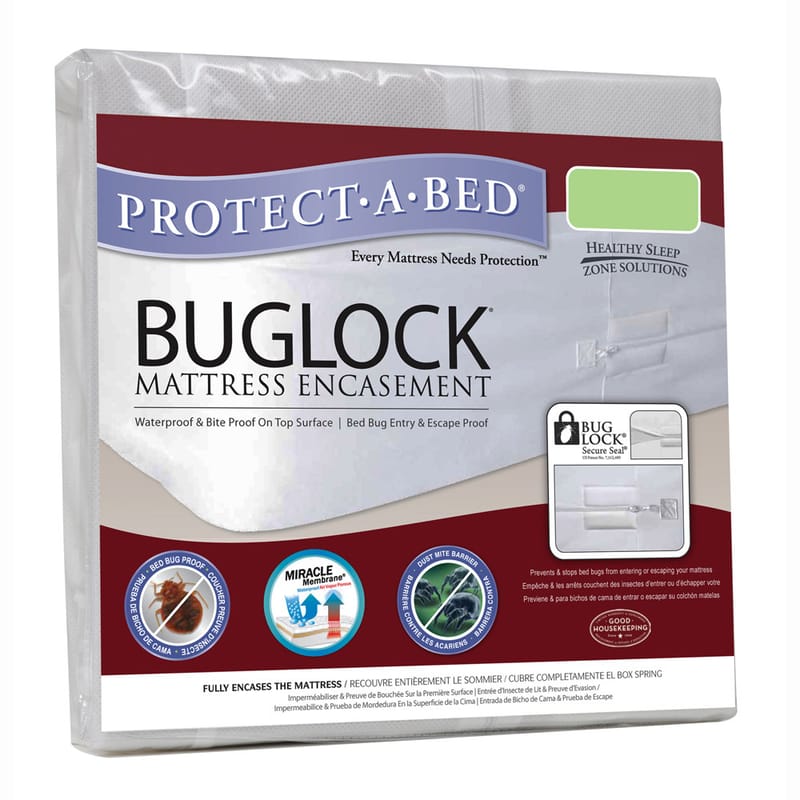
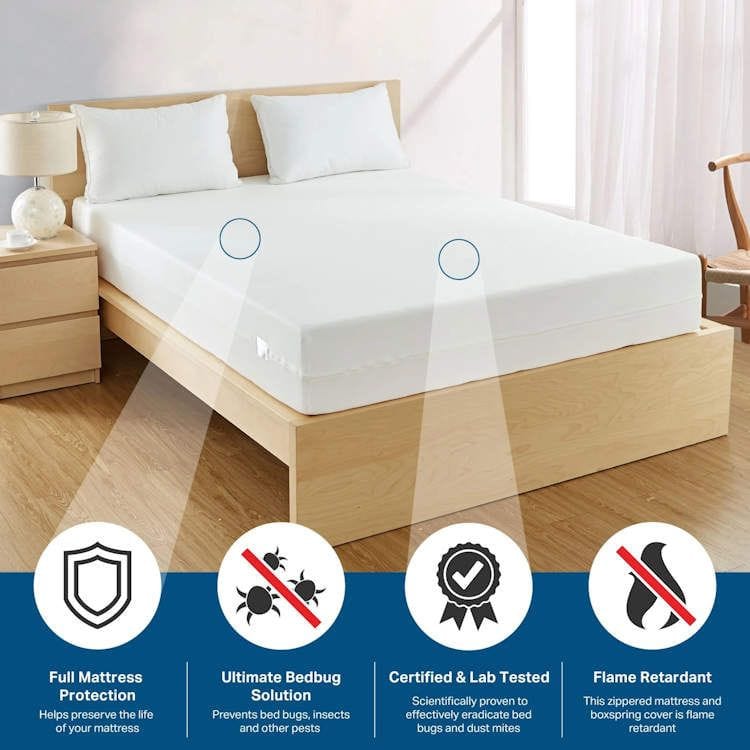
A bed bug mattress cover protector is essentially a tightly woven fabric barrier designed to completely encase your mattress. Unlike regular mattress covers that might have gaps or holes, these specialized protectors are engineered to prevent bed bugs from entering or escaping. Think of it as a protective suit for your mattress.
These covers are typically made from materials like polyester, cotton, or a blend of both. The key is that they must be tightly sealed around all edges, creating a barrier that's virtually impenetrable to bed bugs. Many modern versions feature zippers or elasticized edges that ensure a snug fit around the entire mattress surface.
The design isn't just about preventing entry—the protector also helps in detection. If bed bugs do manage to get past the barrier, they'll leave telltale signs on the cover itself, making early detection easier. It's like having a security camera for your mattress, but one that works both ways.
Why Bed Bug Protectors Are Essential
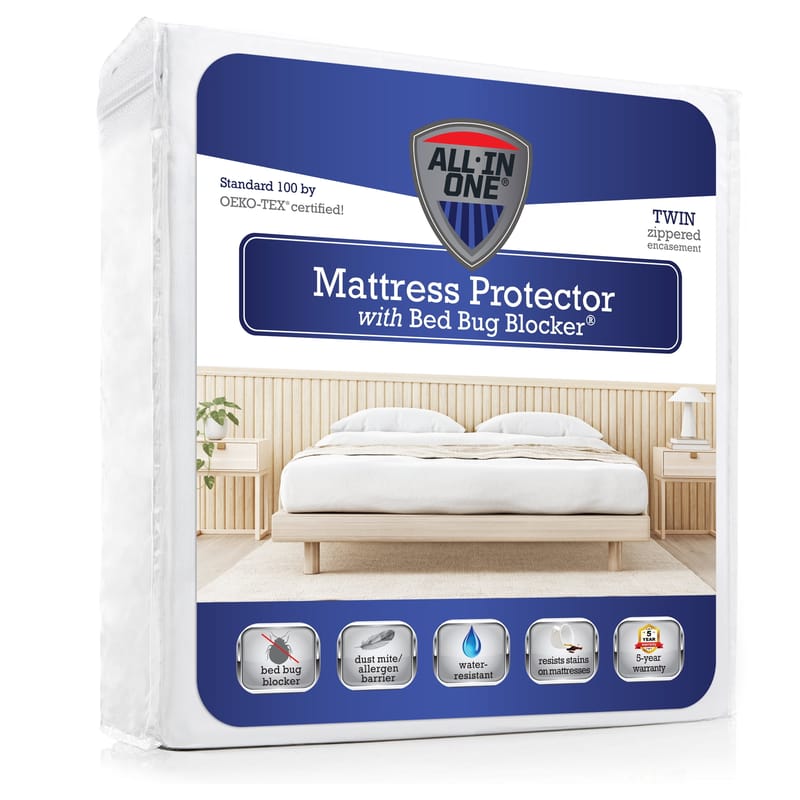
Here's why this simple solution can make such a big difference:
When you consider that bed bugs can live for months without feeding, and that a single female can lay hundreds of eggs, the importance of prevention becomes crystal clear. These pests don't just bite—they reproduce quickly, and their presence can cause serious psychological stress, sleep disruption, and allergic reactions in some people.
Choosing the Right Mattress Protector
Not all mattress covers are created equal, especially when it comes to bed bug protection. Here's what to look for:
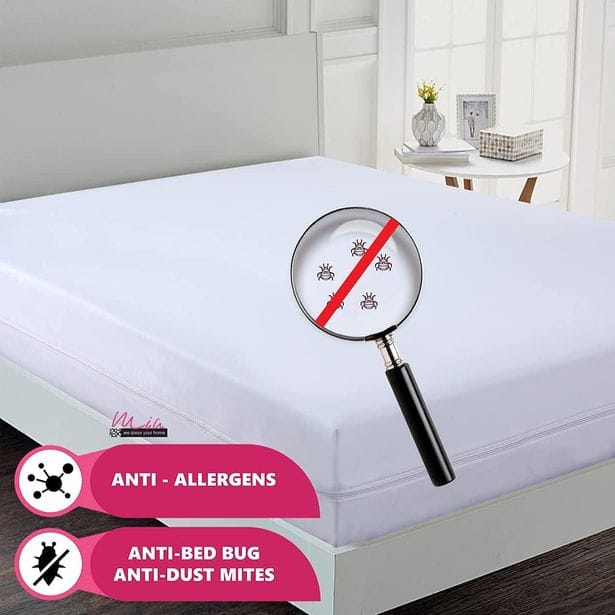
Many people assume that any thick mattress cover will work, but that's not true. Bed bugs are incredibly small—about 1-4mm in length—and can squeeze through spaces that seem impossibly tight to us. A quality protector needs to be specifically designed for bed bug prevention, not just general mattress protection.
Proper Installation and Maintenance
Installing a bed bug mattress protector correctly is crucial for maximum effectiveness. Follow these steps:
1. Clean the Mattress First: Remove all bedding and wash everything in hot water to eliminate any existing bed bugs or eggs 2. Check for Damage: Inspect your mattress for tears or holes that could allow bed bugs access 3. Measure Accurately: Double-check that your protector matches your mattress dimensions exactly 4. Secure Properly: Make sure all edges are tucked in securely, with no gaps around the sides 5. Regular Inspection: Check the cover monthly for any signs of damage or bed bug activity
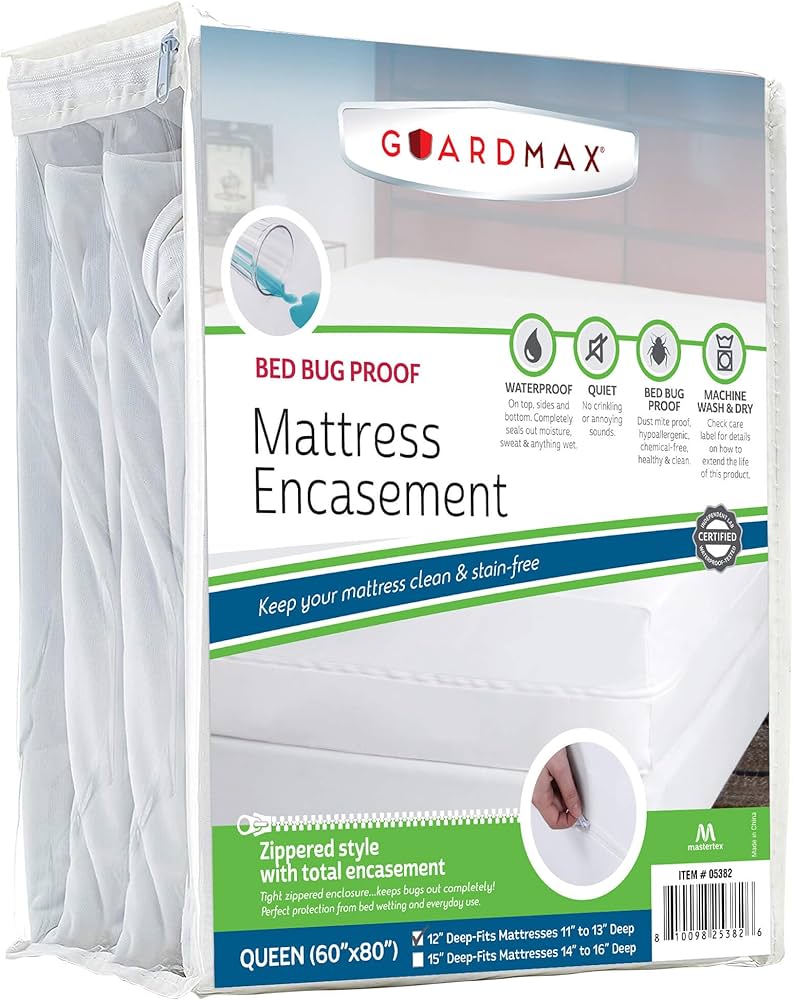
Maintenance is equally important. Most protectors can be machine washed, but always follow the manufacturer's care instructions. Some recommend washing in hot water (at least 120°F) to kill any potential bed bugs or eggs that may have gotten through the barrier. Regular cleaning also helps maintain the protector's integrity over time.
Combining Protectors with Other Strategies
While mattress protectors are powerful tools, they work best as part of a broader strategy:
The most successful approach combines multiple methods. Using a protector alone might catch some bed bugs, but pairing it with regular checks, proper cleaning, and awareness of signs can prevent a minor problem from becoming a major infestation. It's like wearing a seatbelt—it won't guarantee you won't be in an accident, but it dramatically reduces the risk and severity of injury.
Real-Life Success Stories
Many people have found great success with mattress cover protectors. Consider Sarah, a college student who discovered bed bugs in her dorm room. After purchasing a high-quality protector and using it alongside regular cleaning, she managed to prevent the infestation from spreading to her other belongings. Her roommate, who didn't use a protector, ended up dealing with a full-blown infestation that required professional treatment.
Another case involved a family who had tried various DIY solutions for their bed bug problem. After installing protectors on all their mattresses and box springs, they noticed a significant reduction in bites within weeks. Their veterinarian friend explained that the protectors were working perfectly—they were keeping the bugs out of their sleeping areas while they worked on treating the rest of their home.
These stories show that when used properly, mattress protectors can be highly effective. They're not a magic bullet, but they're definitely part of the solution.
Bed bugs may be a persistent problem, but they're not unbeatable. With the right tools and knowledge, you can take control of your sleeping environment and protect yourself from these unwanted guests. A quality mattress cover protector isn't just another piece of bedding—it's a strategic investment in your health, comfort, and peace of mind.
Remember, prevention is always better than cure. While it's impossible to guarantee complete protection against bed bugs, using a proper mattress protector significantly reduces your risk. It's one of the simplest, most cost-effective ways to safeguard your sleep space.
Whether you're dealing with a current infestation or simply want to stay ahead of potential problems, consider adding a mattress protector to your home safety routine. It's a small step that can make a huge difference in how you sleep—and how you feel about your living space. The key is choosing the right one and using it consistently. Your future self will thank you for taking this proactive approach to protecting your health and well-being.


