
Have you ever walked into a room and felt instantly transported? That's often thanks to thoughtful tile choices on the walls. Whether you're dreaming of a cozy bedroom sanctuary or a welcoming living room gathering space, the right wall tiles can completely change how a room feels and functions. But with so many options out there, where do you even begin? This guide will walk you through everything from basic principles to creative inspiration.
Wall tiles have become more than just functional elements in home design. They've evolved into powerful design statements that can transform entire rooms. In bedrooms and living rooms specifically, tiles offer both beauty and practicality. These spaces demand a balance between comfort and style, and tiles can perfectly bridge that gap. From subtle textures to bold patterns, the right choice can make all the difference. But what exactly makes a great tile design for these intimate spaces? Let's explore the essentials together.
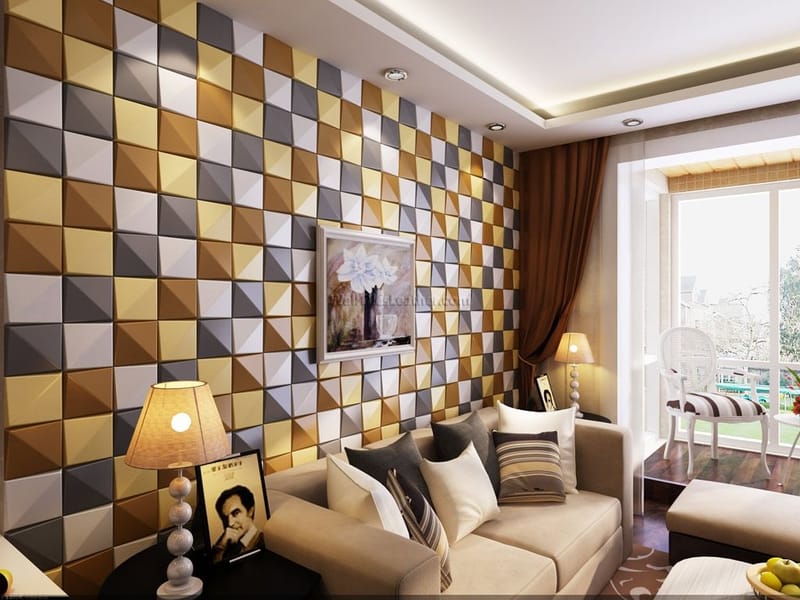
Understanding Tile Materials and Their Properties
The foundation of any successful wall tile design lies in understanding materials. Different types of tiles bring unique characteristics to your space. Ceramic tiles remain popular due to their affordability and wide range of colors. They're easy to clean and maintain, making them ideal for busy households. Porcelain tiles offer superior durability and water resistance, perfect for areas prone to moisture. Natural stone tiles like marble or limestone add luxury and uniqueness but require more care. Glass tiles can create stunning visual effects, especially when used in patterns or as accent pieces. Each material has its own personality and maintenance requirements. Consider how much time you want to invest in upkeep versus the aesthetic you desire.
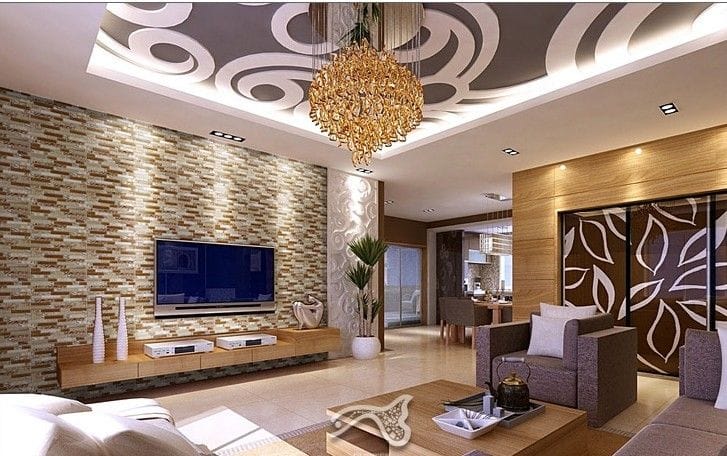
Choosing the Right Size for Your Space
Tile size plays a crucial role in how a room appears and feels. Large format tiles can make small spaces feel bigger and more open. They reduce the number of grout lines, creating a cleaner look. Small tiles, on the other hand, work beautifully for adding texture and detail. In bedrooms, smaller tiles might create a cozy, intimate atmosphere. For living rooms, larger tiles can make the space feel more spacious and modern. Consider the room dimensions carefully. A 3x6 inch tile might work well for a narrow hallway but could feel too cramped in a large living room. Think about proportions and how the tiles interact with furniture and lighting fixtures.
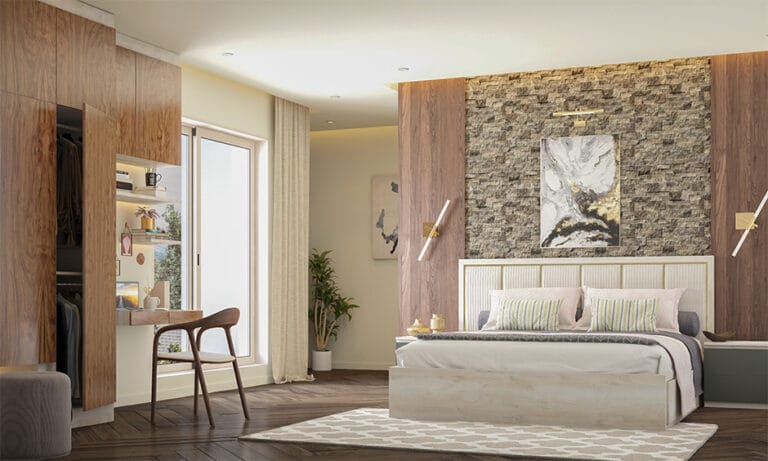
Color Psychology in Tile Selection
Colors have a profound impact on mood and perception. Warm tones like terracotta, beige, or soft browns can create a cozy, inviting atmosphere perfect for bedrooms. Cool blues and greens tend to promote relaxation and calmness. Lighter colors reflect more light, making spaces feel airy and bright. Darker shades can create dramatic focal points but may make smaller rooms feel smaller. Many homeowners find success with neutral backgrounds and pops of color through accent tiles. Consider how the tile colors interact with existing furniture and lighting. Test samples in different lighting conditions throughout the day to see how they truly look.
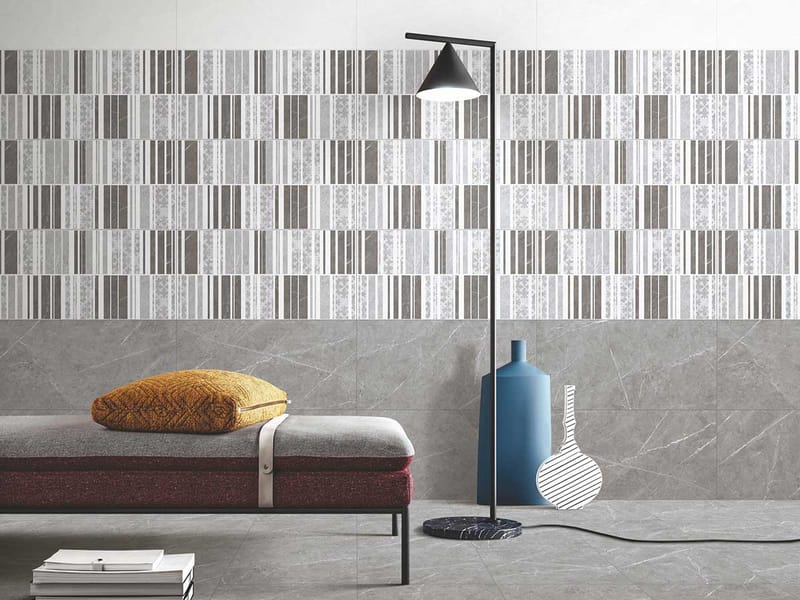
Pattern and Design Considerations
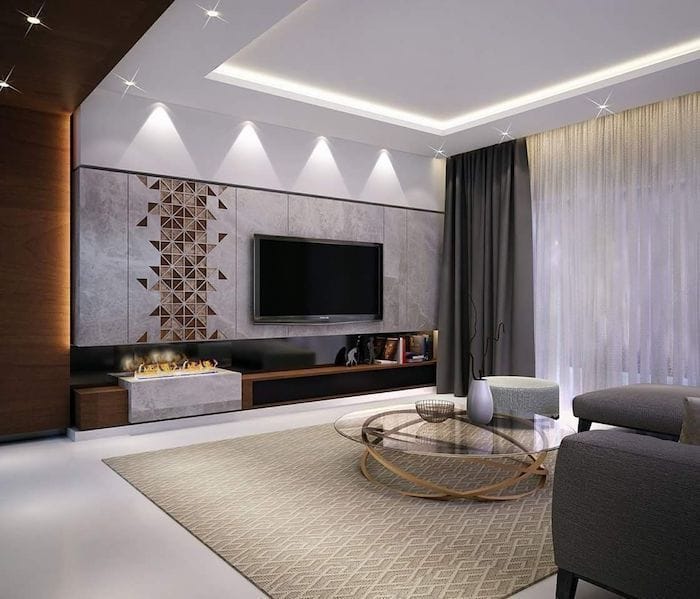
Patterns can elevate simple spaces into extraordinary ones. Geometric designs add contemporary flair while traditional patterns offer timeless elegance. Horizontal stripes can make ceilings appear higher, while vertical patterns draw the eye upward. Some people prefer solid tiles for a clean, minimalist approach. Others love the visual interest that patterned tiles provide. When choosing patterns, think about the overall style of your home. A modern living room might benefit from simple geometric shapes, while a traditional bedroom could embrace classic floral motifs. Consider how patterns affect the room's functionality and whether they'll age well over time.
Practical Applications and Installation Tips
Installing wall tiles requires careful planning and sometimes professional help. Start by measuring accurately and calculating the amount of tile needed. Consider waste factors and purchase extra tiles for future repairs. Different installation methods work better for different surfaces and tile types. Thin-set mortar is standard for most applications, but some specialty tiles require specific adhesives. The grout selection affects both appearance and maintenance. Light-colored grout can make tiles look cleaner but shows dirt more easily. Dark grout hides imperfections but may make small tiles appear smaller. Proper preparation of the wall surface is essential for long-term success.
Maintenance and Longevity Factors
No matter how beautiful your tiles look, proper care ensures they remain stunning for years. Regular cleaning prevents buildup and maintains appearance. Most wall tiles respond well to gentle cleaning with mild soap and water. Avoid harsh chemicals that could damage finishes or cause discoloration. Sealing natural stone tiles helps protect against stains and moisture. Check manufacturer recommendations for specific care instructions. Address spills quickly to prevent staining, especially with porous materials. Periodic inspection for loose tiles or damaged grout helps catch issues early. Remember that high-traffic areas may need more frequent attention than quieter spaces.
Designing with wall tiles in bedrooms and living rooms offers endless possibilities for personal expression and functional improvement. The key is matching the right materials, sizes, colors, and patterns to your specific needs and lifestyle. Take time to consider how each element works together in your space. Don't rush the decision-making process – these choices will influence your daily experience for years to come. Whether you opt for subtle sophistication or bold statement pieces, thoughtful tile selection can transform your home into a true reflection of your personality. Remember that great design comes from understanding both aesthetics and practicality, and wall tiles are no exception. With the right approach, your bedroom and living room can become spaces that truly inspire and comfort.


