
Every bedroom has one essential piece that sits at its center – the dresser. It's more than just furniture; it's your personal sanctuary's canvas. Whether you have a modest side table or a grand Victorian piece, how you decorate it can completely transform your sleeping space. Think about it – when you walk into a room, what catches your eye first? Often it's that beautiful collection of objects that sit atop the dresser, creating a focal point that draws you in. This isn't just about aesthetics though. When we think about our bedrooms, we're really thinking about comfort, relaxation, and personal expression. That dresser becomes your daily ritual station, where you might place your morning coffee mug, evening book, or perhaps that special photo of your family.
Decorating a bedroom dresser feels like curating your personal story in three dimensions. It's about creating visual harmony while honoring your unique style and lifestyle needs. The process begins with understanding what makes a dresser decoration work – and what makes it fall flat. There's something deeply satisfying about arranging items thoughtfully on a dresser, knowing each piece contributes to the overall feeling of the room. You might start with a simple approach, adding one item at a time, or you could go bold with a dramatic display. Either way, there are foundational principles that guide us toward success. The key lies in balancing form and function, creating visual interest without overwhelming the senses, and ensuring every element serves a purpose beyond just looking pretty. This journey through dresser decoration will take you from basic principles to advanced techniques, helping you develop your own signature style.
Understanding Your Dresser's Personality
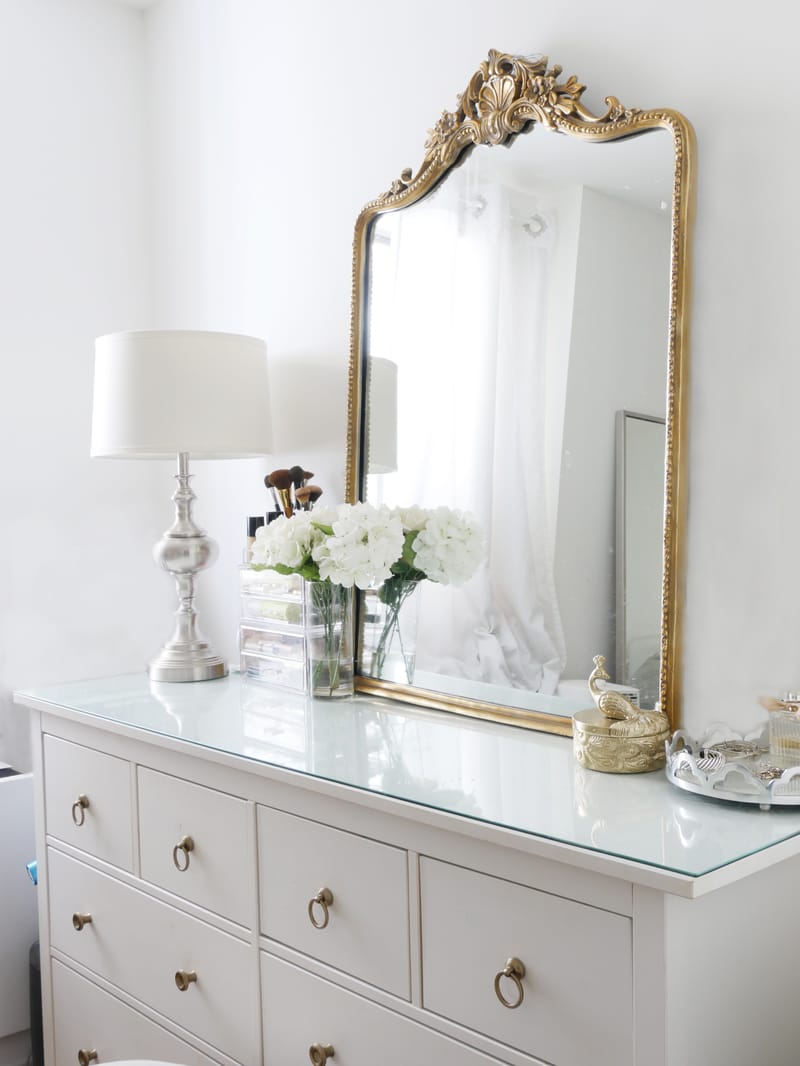
Before diving into decorative elements, consider what kind of dresser you're working with. Is it a modern minimalist piece with clean lines and neutral tones? Or perhaps a vintage wooden beauty with intricate details and rich colors? The foundation of good dresser decoration starts with respecting the piece itself. A sleek contemporary dresser might benefit from geometric shapes and monochromatic schemes. Meanwhile, an ornate antique piece might call for more elaborate decorative elements. Consider the room's existing aesthetic too. Does your bedroom lean toward calm and neutral, or does it embrace bold patterns and vibrant colors? Your dresser should complement rather than compete with the overall atmosphere. Sometimes the most effective approach is to let your dresser speak for itself, allowing its natural beauty to shine through minimal additions. Other times, it calls for a more elaborate treatment. Pay attention to proportions too – if you have a tall dresser, consider using vertical elements in your decoration. For shorter pieces, horizontal arrangements often work better.
Creating Visual Balance and Flow
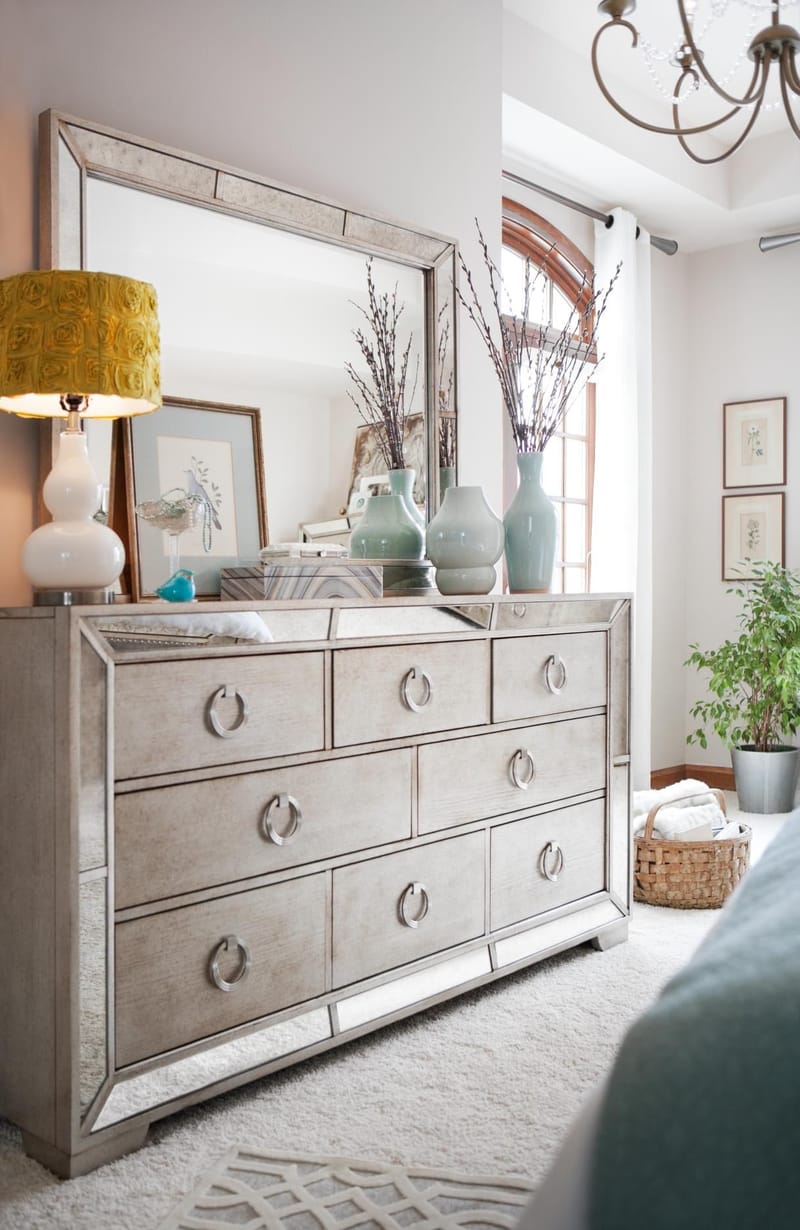
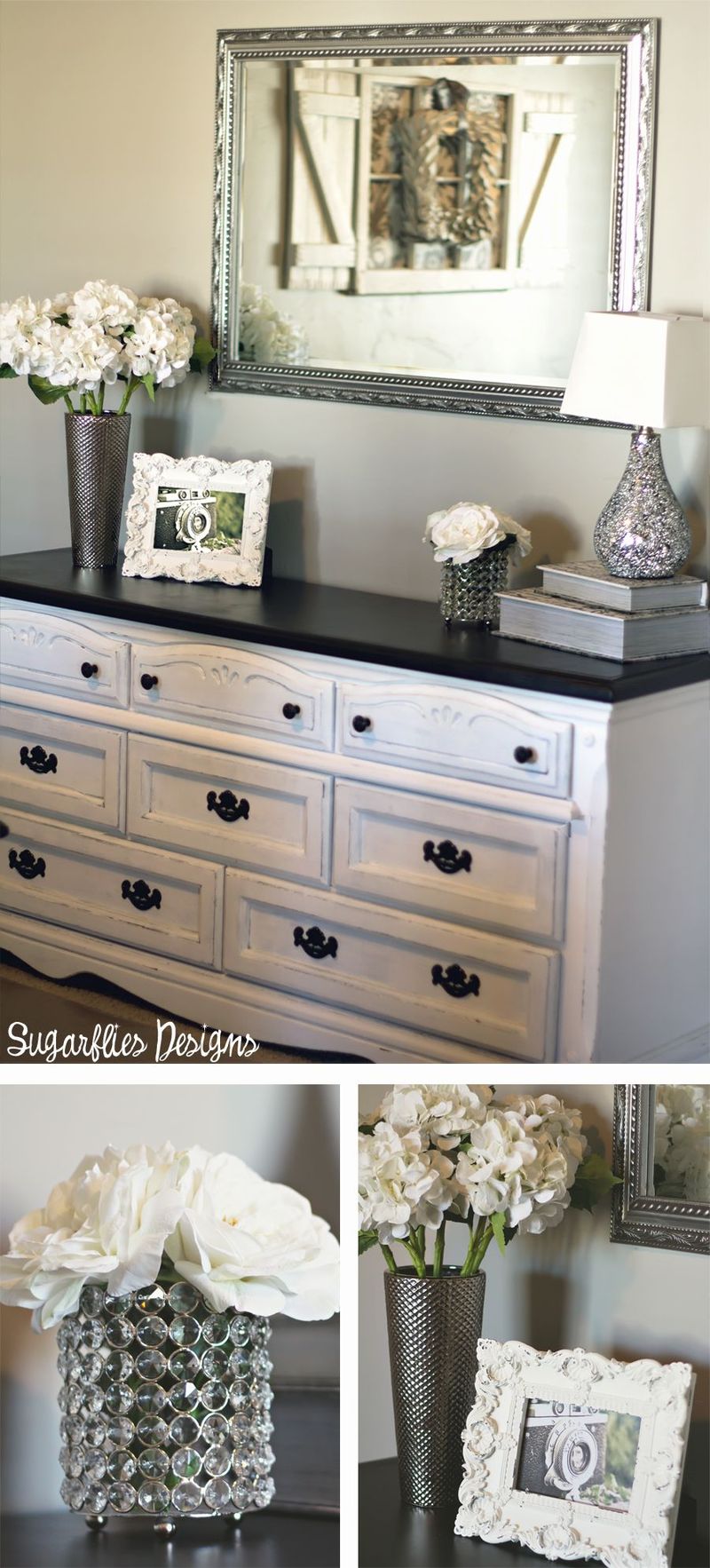
One of the most important aspects of successful dresser decoration is achieving visual balance. This means distributing visual weight evenly across the surface. Imagine placing a large vase on one end and a small candle on the other – that's unbalanced. Instead, try pairing larger items with smaller ones or using similar shapes to create rhythm. Vertical elements like tall candles or vases can create a sense of movement upward, while horizontal elements such as books or trays create stability. Think about the rule of thirds – place your largest items at the outer edges and smaller pieces in the middle. This creates a natural flow that guides the eye around the entire surface. Also consider color harmony. If your dresser features warm wood tones, you might want to incorporate earthy colors in your accessories. Cool tones might pair better with silver, white, or blue accents. The key is to create a cohesive look that feels intentional rather than random.
Layering Textures and Materials
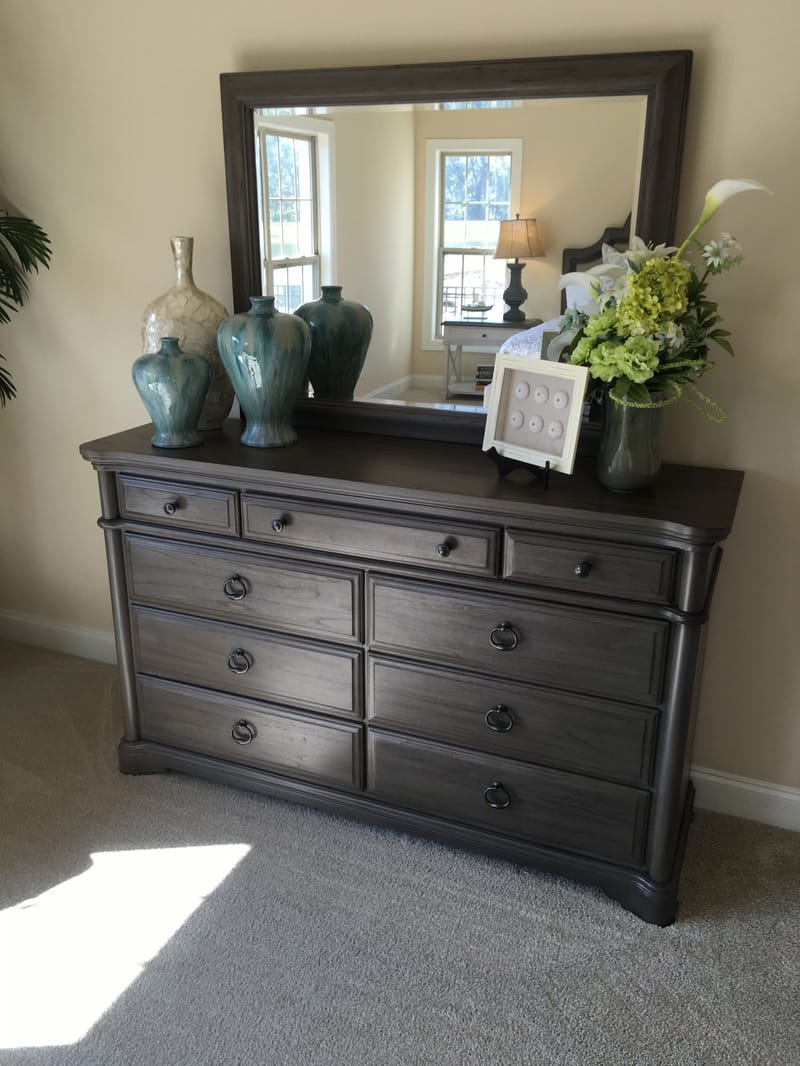
The magic happens when you combine different textures and materials on your dresser. Think about the tactile experience – how things feel when you touch them. Smooth glass, rough wood, soft fabric, and metallic finishes all play their part in creating a rich sensory experience. A ceramic vase paired with a linen napkin, for example, adds depth to a simple arrangement. Consider incorporating natural elements like plants, stones, or woven baskets. These organic touches bring life and warmth to the space. Metals offer contrast – brushed brass, polished silver, or even rustic iron can add sophistication. Don't overlook the importance of varying heights. Taller items should be balanced with shorter ones. A stack of books can provide a base for a candle, while a small sculpture might rest on top. This layering effect creates dimension and prevents the look from feeling flat or one-dimensional.
Choosing the Right Lighting
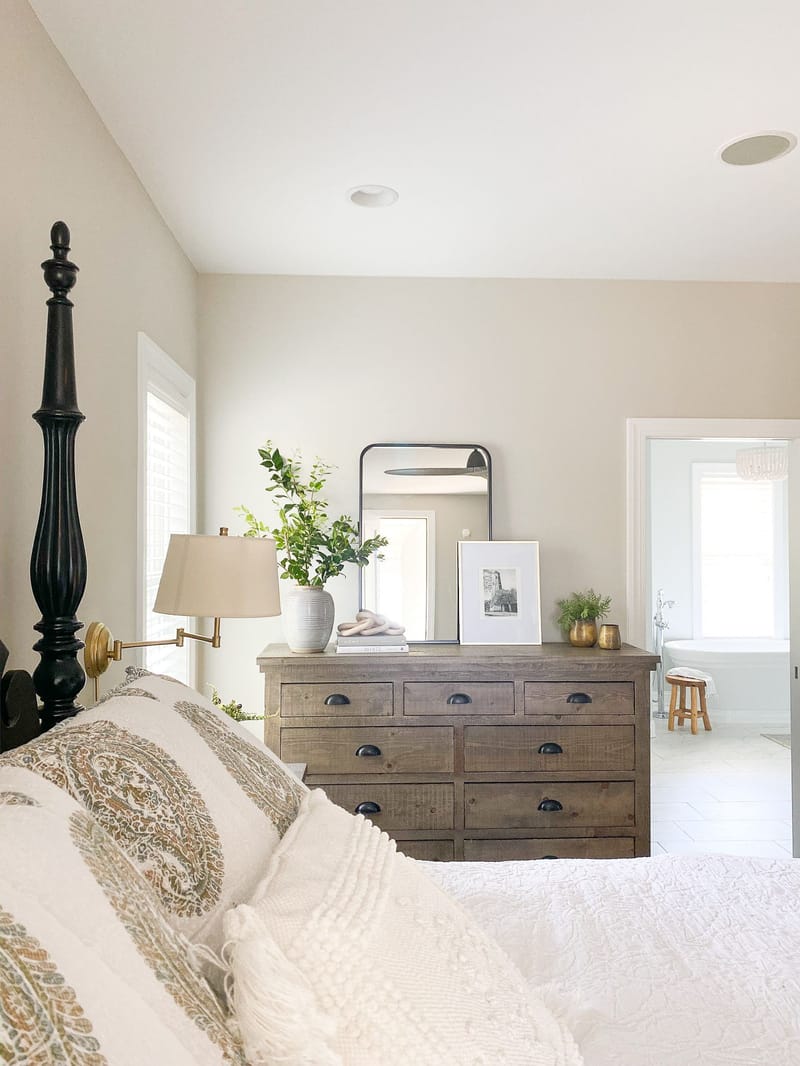
Lighting is crucial for showcasing your dresser decorations effectively. Natural light during the day provides the best backdrop for displaying items, but evening ambiance can be equally powerful. Consider adding a small table lamp or floor lamp nearby to create gentle illumination. This not only highlights your decorative pieces but also sets a relaxing mood for bedtime. Candles are magical in this context – they provide both light and fragrance while creating a cozy atmosphere. But remember to use them safely, especially if you have children or pets around. LED strip lights behind the dresser can create a subtle glow that enhances the overall appearance. For a more dramatic effect, consider placing a small spotlight or reading lamp directly on the dresser. This draws attention to specific items and creates focal points within your display. The right lighting can make even the simplest arrangement appear elegant and intentional.
Functional Items That Look Beautiful
A well-decorated dresser serves a purpose beyond decoration – it should also be functional. This means choosing items that you actually use, not just those that look nice. A small tray can organize your jewelry and makeup, while a decorative box might hold your favorite books or photos. Consider storage solutions that double as décor. A pretty basket can hold blankets and linens, while still looking stylish. Small mirrors are both practical and decorative – they reflect light and make the room feel larger. A vintage trunk can serve as a storage solution while adding character to your space. The key is finding pieces that fulfill a need in your daily routine while contributing to the overall aesthetic. This approach prevents your dresser from becoming cluttered or overly ornamental. Instead, it becomes a reflection of your lifestyle and priorities. Think about how you interact with your dresser throughout the day – what do you reach for most? Incorporate those items into your display naturally.
Seasonal and Personal Touches
Your dresser deserves to evolve with the seasons and your changing moods. Swap out items seasonally – fresh flowers in spring, warm candles in winter, bright colors in summer, and earth tones in fall. This keeps the space feeling fresh and alive. Personal items tell your story and make the space uniquely yours. Family photos, travel souvenirs, or handwritten notes can create emotional connections with your environment. Consider rotating these pieces based on your current interests or memories. Artwork, whether purchased or handmade, adds personality and can serve as a conversation starter. Even simple items like a favorite pen or a small plant can carry meaning and keep the space feeling personal. Don't be afraid to experiment with different themes or concepts. One week you might focus on nature-inspired elements, another on vintage finds, or perhaps a minimalist approach. These variations keep the decorating process exciting and prevent stagnation.
Decorating a bedroom dresser is both an art and a science. It requires understanding your space, respecting the furniture itself, and creating arrangements that feel intentional rather than chaotic. The beauty of this process lies in its flexibility – you can start simple and build complexity over time. Whether you prefer a clean, minimalist approach or a more elaborate display, the principles remain the same. Focus on balance, texture, and functionality, and remember that your dresser should reflect your personal style while serving your daily needs. The most successful dresser decorations are those that feel like they belong together, creating a cohesive whole that enhances your bedroom's overall character. Take your time with the process – some of the most beautiful arrangements emerge from patient experimentation and thoughtful consideration. Most importantly, don't forget to enjoy the creative journey. Decorating isn't just about the final result; it's about the joy of discovery and the satisfaction of creating something beautiful that's uniquely yours.


