
Picture this: you're settling in for a peaceful night's sleep, wrapped in a soft, warm blanket that fits your king size bed perfectly. No more struggling with too-small throws or feeling cold at the edges. Finding the right blanket for your king bed isn't just about size—it's about comfort, quality, and choosing materials that will keep you cozy all year round.
When it comes to king size beds, the blanket game is serious business. These magnificent sleeping spaces demand blankets that can match their grandeur. Whether you're buying a new set for your home or replacing an old favorite, understanding what makes a great king size blanket is essential. The right choice can transform your bedroom from merely functional to absolutely inviting. Let's explore what really matters when selecting the perfect blanket for your king bed.
Understanding King Size Blanket Dimensions
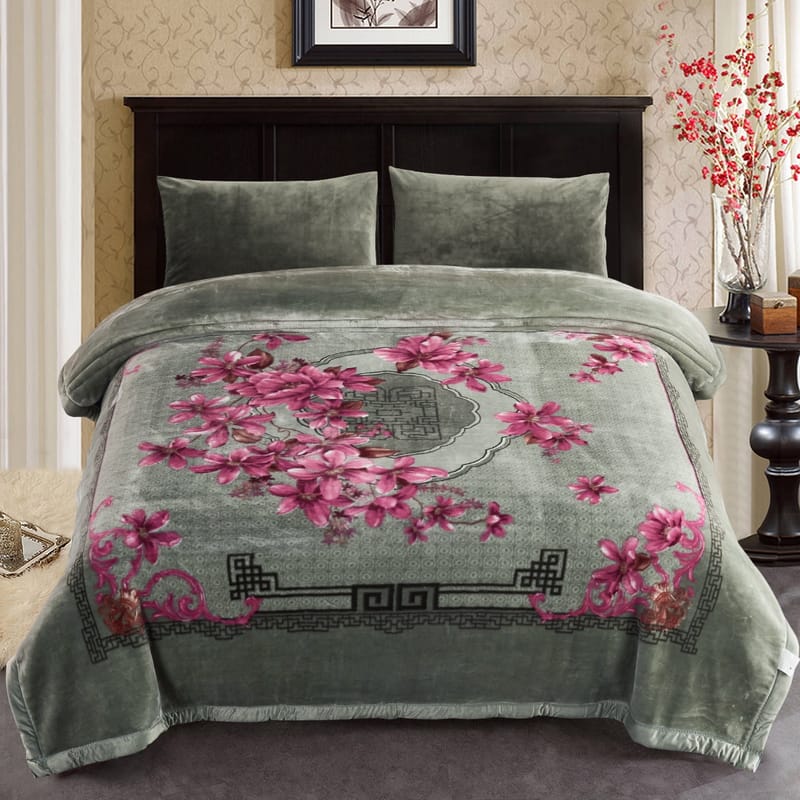
King size beds come in different measurements, which means knowing exactly what you need is crucial. Standard king beds measure 76 inches wide by 80 inches long, while California king beds are slightly longer at 72 inches wide by 84 inches long. When shopping for blankets, look for options that are at least 90 inches wide to ensure full coverage. Some premium blankets even extend to 100 inches wide for that extra luxury feel. Think about how much space you want to cover and factor in how much overhang you prefer. Do you like your blanket to drape over the sides, or do you prefer a tighter fit? These preferences will guide your selection process.
Material Matters: Fabric Types for Maximum Comfort
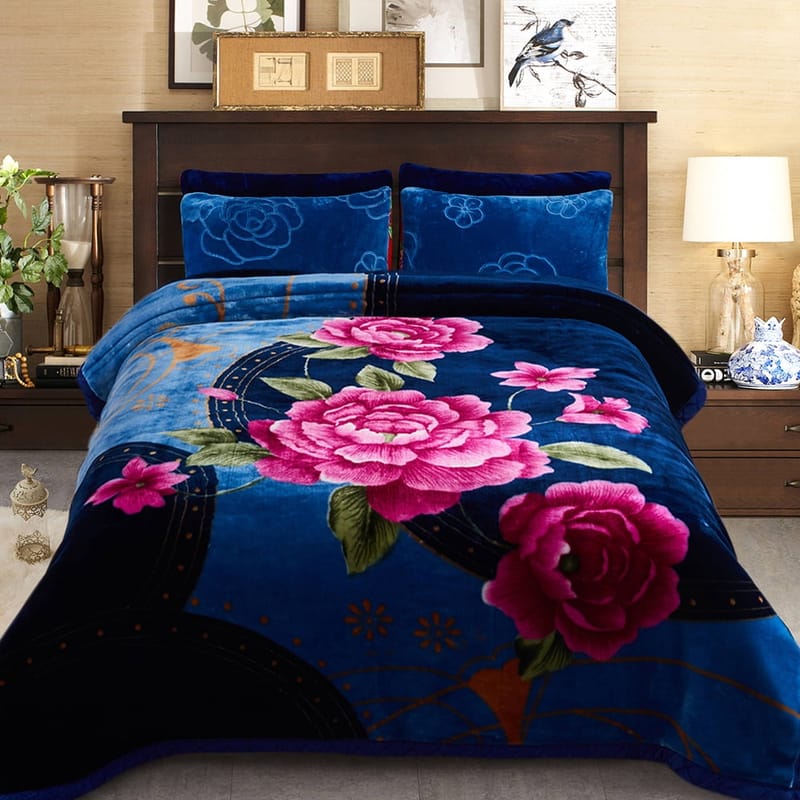
The material of your blanket plays a huge role in how comfortable you'll feel. Cotton blankets offer breathability and are perfect for warmer months. They're soft against the skin and easy to care for, making them ideal for those who sleep hot. Wool blankets provide excellent warmth and natural temperature regulation, keeping you cool in summer and warm in winter. They're also naturally resistant to dust mites and odors. Fleece blankets are incredibly soft and affordable, though they may not breathe as well as natural fibers. Silk blankets are luxurious and lightweight, offering a smooth texture that feels amazing against the skin. Consider your climate, sleeping habits, and personal preferences when choosing between these options. What kind of feel do you want against your skin? That's often the first question to ask yourself.
Weight and Thickness: Finding Your Sweet Spot
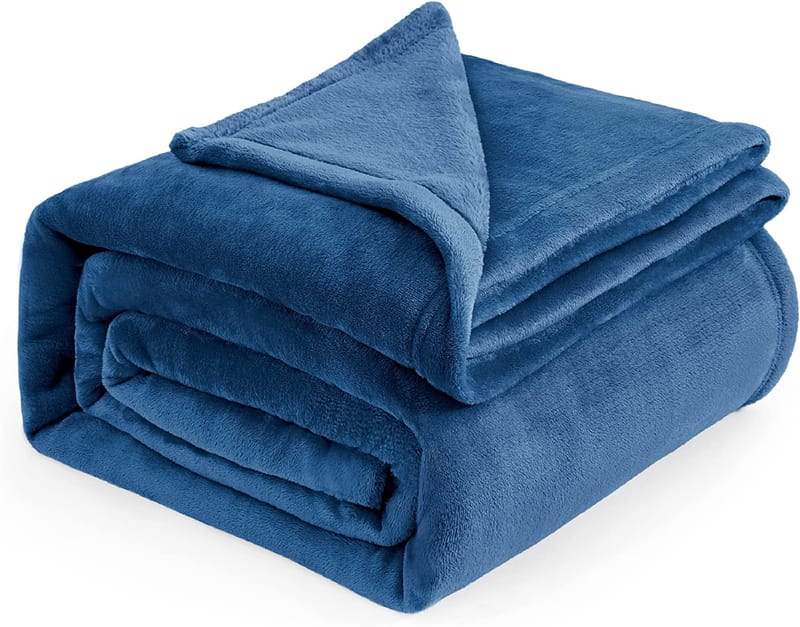
Blanket weight can make or break your sleep experience. Lightweight blankets typically weigh under 2 pounds and are great for hot sleepers or summer months. Medium-weight blankets usually range from 2 to 4 pounds and offer a good balance for year-round use. Heavy blankets, weighing 4 pounds or more, provide maximum warmth and are perfect for colder climates or those who love that cocooned feeling. The thickness of a blanket also affects its warmth and drape. Thicker blankets tend to be more insulating but might feel bulkier. Lighter blankets are more breathable but may not provide enough warmth in very cold weather. How do you feel during different seasons? This can help narrow down your choices significantly.
Seasonal Considerations: Adapting to Weather Changes
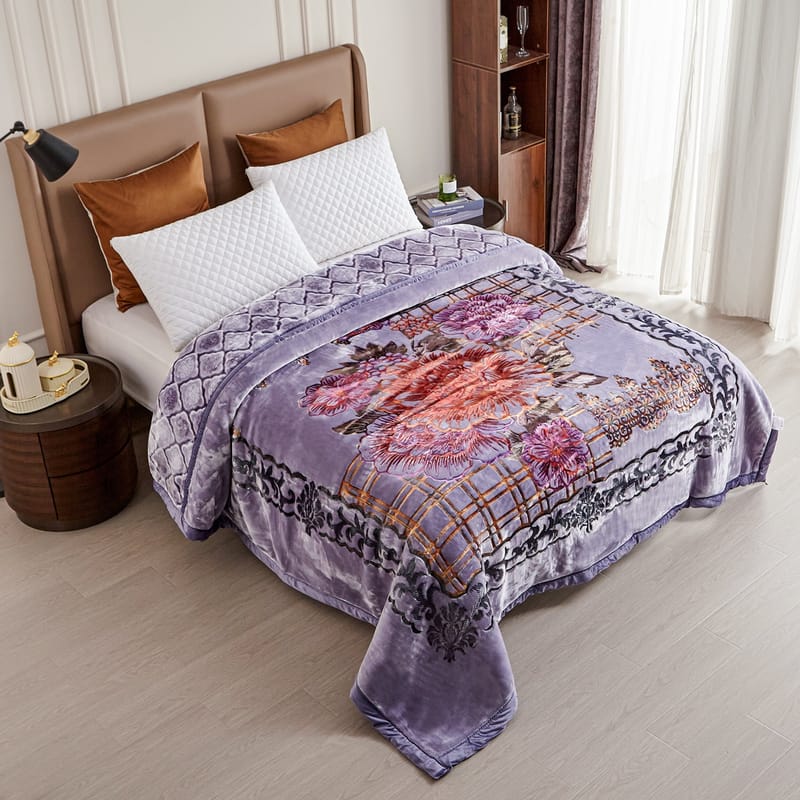
Your blanket choice should adapt to the changing seasons. In winter, you might want something heavier and warmer, perhaps a thick wool or fleece blanket. During summer, lighter materials like cotton or linen work better to prevent overheating. Many people find themselves switching between different blankets based on the season. Others prefer having multiple blankets—one lighter for summer and one heavier for winter. Consider investing in a few different types rather than just one blanket that works all year. Do you wake up feeling too hot or too cold? This can be a strong indicator of whether your current blanket is right for the season.
Care and Maintenance: Keeping Your Blanket in Top Shape
Proper care extends the life of your blanket and keeps it feeling fresh. Always check the manufacturer's washing instructions before cleaning. Some blankets can go in the regular washing machine, while others require special handling. Air drying is often recommended for delicate materials to prevent shrinking or damage. For wool blankets, spot cleaning might be preferable to full washing. Storage is also important—keep blankets in a cool, dry place away from direct sunlight to preserve their color and texture. Regular fluffing and airing out can also help maintain their shape and freshness. How often do you wash your blankets? This routine can make a big difference in longevity.
Budget Considerations: Quality vs. Price
Blankets vary widely in price, and it's worth considering what you're paying for. Higher-end blankets often use better materials, more precise construction, and superior craftsmanship. However, there are also excellent mid-range options that offer great value. Set a budget that works for you and remember that a quality blanket is an investment in your comfort and sleep quality. Consider how often you'll use it and how long you expect it to last. Sometimes spending a bit more upfront saves money in the long run. Are you willing to pay more for a blanket that will last longer? This decision often pays off in the end.
Choosing the perfect blanket for your king size bed is both an art and a science. It involves balancing practical considerations like size, material, and weight with personal preferences for comfort and style. Whether you're looking for something light and breezy for summer or a warm, cozy option for winter, there's a blanket out there that's just right for you. Remember that the best blanket isn't necessarily the most expensive one—it's the one that makes you feel comfortable and secure in your own home. Take time to consider your needs, test different materials if possible, and trust your instincts. After all, your bedroom should be a sanctuary of comfort and relaxation. What matters most to you in a blanket? That's the key question to answer when making your final choice.


