
When you think about your bedroom, you probably picture the cozy comfort of your bed, the soft glow of bedside lamps, and maybe even the gentle sound of rain on the window. But have you ever stopped to consider just how wide that door really is? It's a question that might seem simple, but it actually touches on everything from home design to accessibility needs. Whether you're planning a renovation, moving into a new place, or simply curious about the dimensions that shape our daily lives, understanding bedroom door widths is surprisingly important.
Every day we walk through doorways without much thought, but behind those familiar openings lies a fascinating world of standardized measurements and thoughtful design decisions. For bedroom doors specifically, there's more to their width than meets the eye. While most people assume all bedroom doors are roughly the same size, the reality is quite different. The width of a bedroom door isn't just about fitting through it—it's about comfort, functionality, and sometimes even legal requirements. From the smallest studio apartments to the largest master suites, the dimensions of bedroom doors play a crucial role in how we move through our homes. So why does this matter so much? Because whether you're moving furniture, accommodating guests, or ensuring accessibility for everyone in your household, knowing the right measurements can save you from frustrating mistakes and unnecessary expenses.
Standard Bedroom Door Sizes Explained
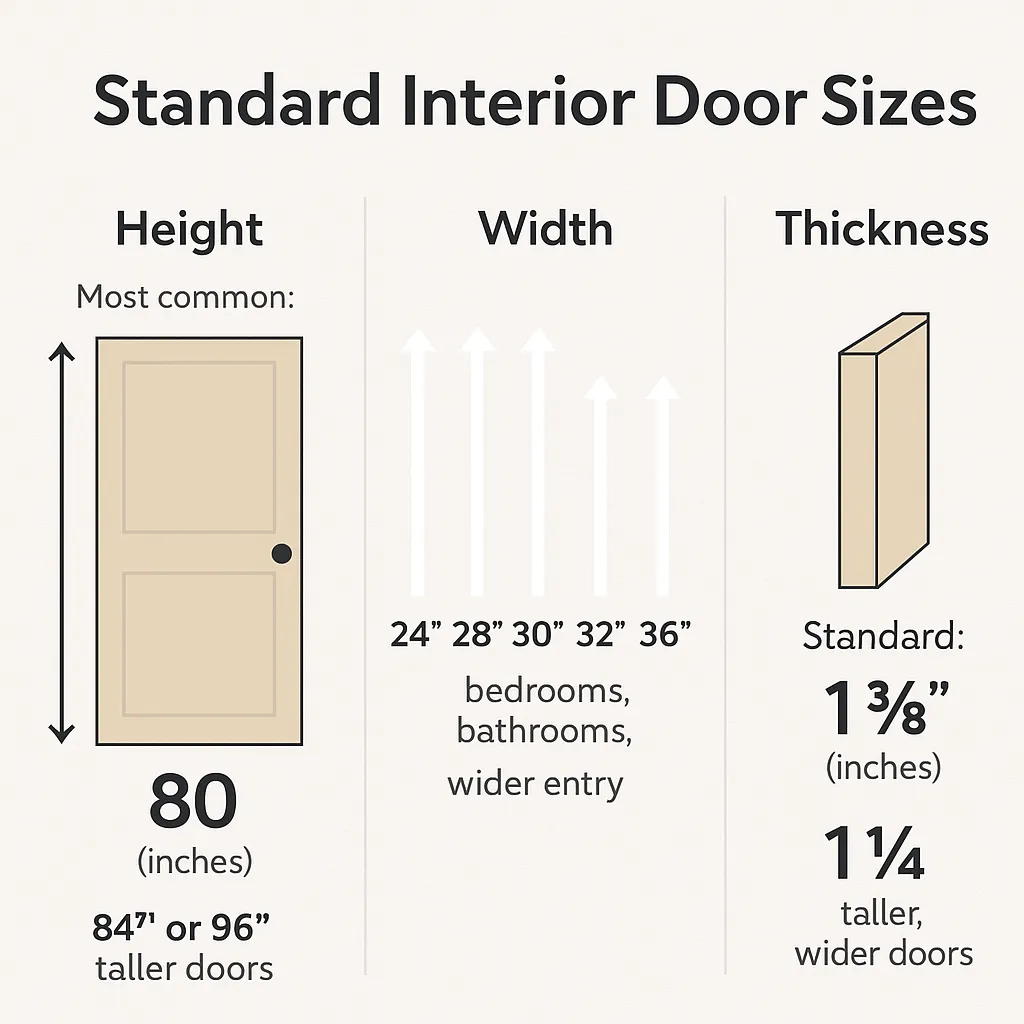
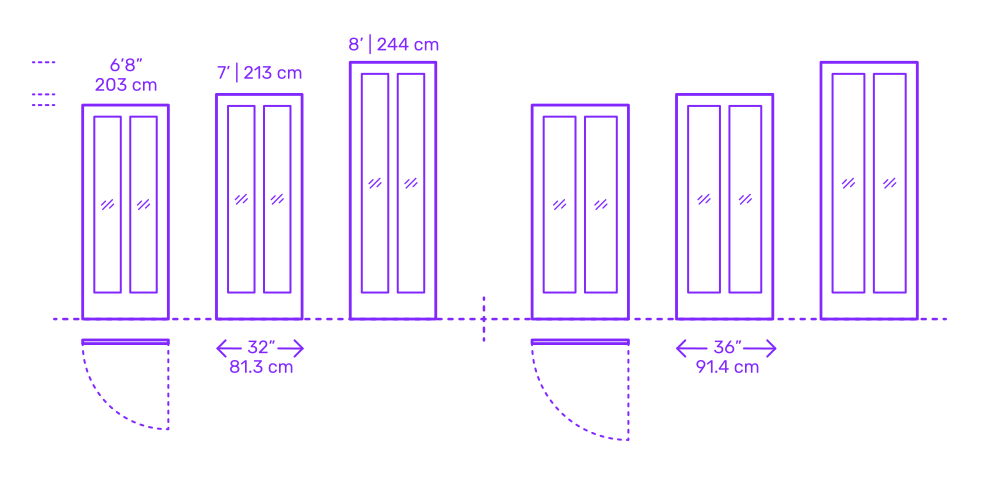
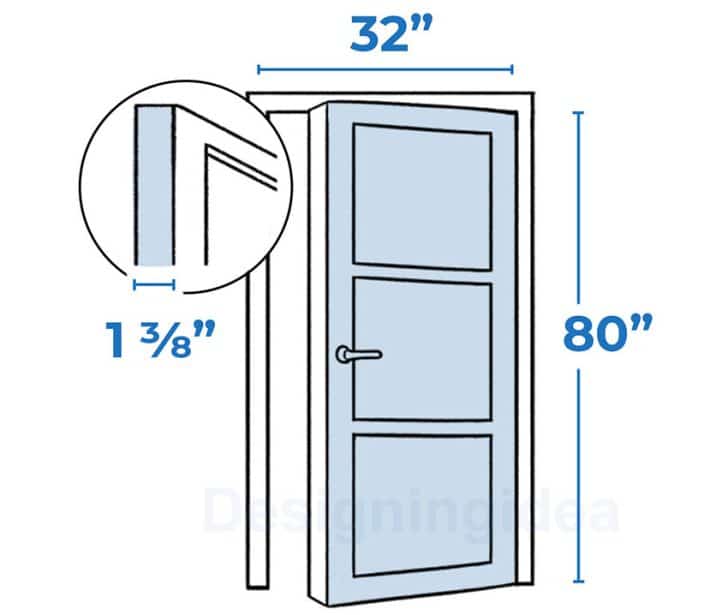
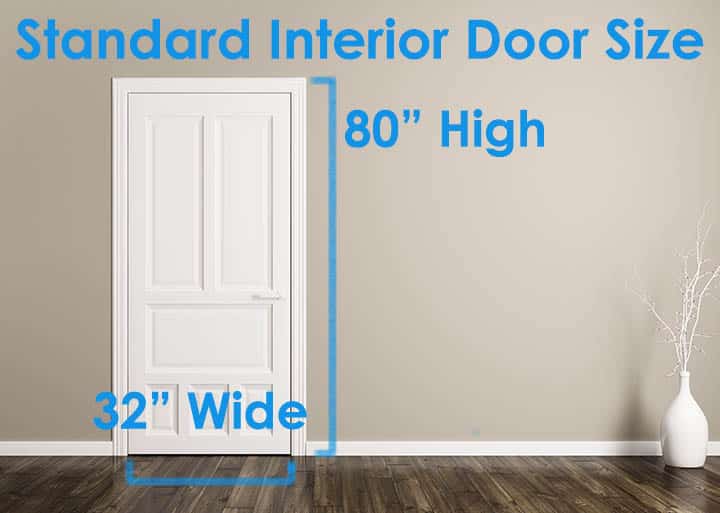
Let's start with the basics. The most common bedroom door width is 32 inches, which translates to about 2 feet 8 inches. This measurement has become the industry standard for many residential applications, especially in newer construction. However, don't be surprised if you encounter variations. Some older homes might feature 30-inch doors, while others could have 36-inch doors. The reason for these differences often comes down to when the house was built and what local building codes were in place at the time. Think about it like this: if you're buying a house built in the 1970s, you're more likely to find 30-inch doors, whereas a modern condo might have 32-inch doors. It's like the architectural fingerprint of different eras. For those who need extra space, 36-inch doors are becoming increasingly popular, particularly in larger homes and luxury properties. These wider options offer better accessibility and make it easier to maneuver large items through the doorway.
What Determines Door Width in Different Settings
The width of bedroom doors isn't arbitrary—it's influenced by several important factors. Building codes play a major role, especially in commercial buildings and public spaces where safety and accessibility are paramount. In residential settings, though, the choice is often more flexible. Consider the room layout and intended use. A master bedroom suite might benefit from a wider door to accommodate king-sized beds and large furniture pieces. Meanwhile, a guest bedroom in a small apartment might work perfectly well with a narrower door. The surrounding architecture matters too. If your bedroom opens into a hallway that's already narrow, a wider door won't help much. You'll want to ensure the doorway matches the overall flow of your space. Another factor is accessibility needs. For individuals using wheelchairs or mobility aids, doors need to be at least 32 inches wide to meet ADA standards, though 36 inches or more is often preferred for greater comfort.
Why Door Width Matters More Than You Think
Here's where things get interesting. The width of a bedroom door affects more than just walking through it. When you're trying to move a dresser, a vanity table, or even a loveseat, door width becomes a practical consideration that can make or break your moving day. Picture this: you've just bought a beautiful 4-foot-wide bookcase and you're excited to set it up in your bedroom. But when you try to get it through the doorway, it hits the frame and won't budge. That's where knowing the actual door width becomes crucial. Door width also impacts how easily people can move through the space. In a home with elderly residents or young children, wider doors provide more comfortable passage. Additionally, wider doors can affect the room's aesthetics and feel. A 36-inch door creates a more spacious feeling compared to a 30-inch door, even if the actual room dimensions are identical. It's all about creating a sense of openness and flow in your living space.
Common Door Widths in Residential Applications
When you're shopping for doors or measuring existing ones, you'll encounter several standard measurements. The most prevalent residential door width is 32 inches, which works well for most bedrooms. This size offers a good balance between functionality and cost-effectiveness. Next up is the 30-inch door, which is common in older homes and some smaller apartments. These are typically less expensive to install and maintain. Then there's the 36-inch door, which is growing in popularity, especially in modern homes and luxury properties. It's worth noting that these measurements refer to the clear opening—the space available for passing through, not including the door frame itself. You might also encounter 28-inch doors in very compact spaces or specialty applications, though these are less common. For those considering renovations, it's helpful to know that most standard door sizes come in increments of 2 inches, making replacement and installation relatively straightforward. The key is understanding what size will work best for your specific situation.
Measuring Your Door Properly
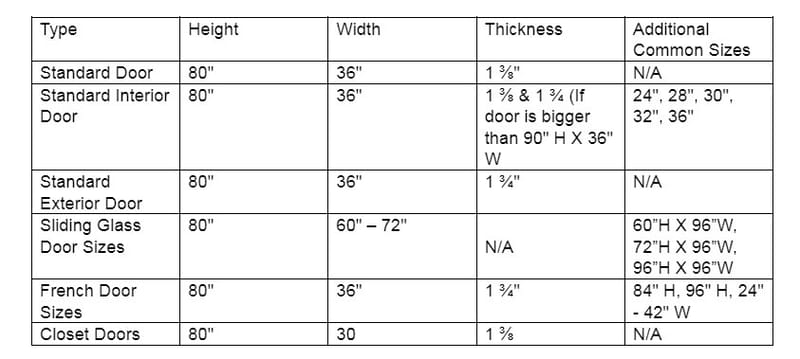
Before you make any decisions about door widths, you need to measure accurately. Start by measuring the clear opening width—the distance between the inside edges of the door frame at the bottom. This is where many people make mistakes. They measure from the outside edges instead of the inside edges, which can lead to confusion when ordering replacements. Take multiple measurements to account for any irregularities in the frame. Measure at the top, middle, and bottom of the opening, and use the smallest measurement as your reference point. Don't forget to measure the height as well, although bedroom doors are typically 80 inches tall, which is standard across most residential applications. If you're replacing a door, also note the thickness of the current door, which is usually either 1-3/8 inches or 1-3/4 inches. This information helps ensure proper fit and function. Remember, accuracy in measurement leads to fewer headaches later on when it comes to installation and functionality.
Special Considerations for Different Door Types
Not all bedroom doors are created equal. Interior doors, exterior doors, and French doors each have their own width considerations. Interior bedroom doors are typically the most common and follow standard residential dimensions. Exterior doors, however, need to meet additional security and weather resistance requirements, which can influence their sizing. French doors, which are popular for their elegant appearance, often come in wider configurations to create that impressive entryway feel. These doors are frequently 36 inches or wider and may require special frames or hardware to accommodate their size. Sliding doors present another unique challenge—they often need more clearance space than traditional hinged doors, which means the width of the opening becomes even more critical. When choosing a door type, consider not just the width but also how the door will operate and how it fits within your overall design scheme. Sometimes the most beautiful door isn't the most practical one, and vice versa.
So there you have it—a look at the often-overlooked world of bedroom door widths. Understanding these measurements isn't just about satisfying curiosity; it's about making informed decisions that improve your daily life. Whether you're planning a renovation, moving into a new home, or simply trying to figure out if that new dresser will fit through your bedroom door, knowing the standard sizes and their implications makes all the difference. The next time you walk through a bedroom doorway, take a moment to appreciate the careful engineering that went into its dimensions. From the 30-inch doors in older homes to the 36-inch options in modern designs, each size serves a purpose and reflects the evolving needs of homeowners. Remember, the right door width isn't just about fitting through—it's about creating spaces that feel comfortable, functional, and welcoming. As you go about your daily routine, you might notice how these seemingly small details contribute to the bigger picture of your living environment. And who knows? You might even find yourself thinking twice before purchasing that massive piece of furniture, just to make sure it'll fit through your door. After all, the right dimensions can save you from a lot of stress and expense in the long run.


