
Imagine waking up every morning feeling secure in your sleep sanctuary. Now imagine that security being compromised by tiny, blood-sucking creatures that can hide in the smallest crevices of your mattress. That's exactly what bed bugs do – they sneak into mattresses, feed on unsuspecting sleepers, and leave behind itchy bites that can ruin your entire night's rest. But what if there was a simple solution that could give you back your peace of mind? Enter the zipper bed bug mattress cover – a surprisingly effective barrier between you and these unwanted guests.
Bed bugs have been making headlines again in recent years, causing sleepless nights and serious anxiety for millions of people worldwide. These resilient insects are notorious for their ability to survive in tight spaces and resist most conventional pest control methods. While professional treatments and chemical sprays certainly play a role in eliminating infestations, many people are turning to preventive measures like mattress covers as their first line of defense. Among all the options available, zipper mattress covers stand out for their practicality, durability, and proven effectiveness. But what exactly makes them so special? How do they work? And more importantly, how can you choose the right one for your needs? This comprehensive guide will walk you through everything you need to know about zipper bed bug mattress covers.
Understanding Bed Bug Behavior and Threats
Before diving into the specifics of mattress covers, it's important to understand why bed bugs are such a persistent problem. These pests don't fly or jump – instead, they crawl and hide in cracks and crevices. Their small size allows them to squeeze into spaces as narrow as a credit card. They're attracted to carbon dioxide and body heat, which means they're drawn to sleeping humans. During the day, they hide in mattresses, box springs, headboards, and even behind baseboards. What makes them particularly difficult to eliminate is their ability to survive for months without feeding. They're also incredibly good at spreading from room to room, often hitching rides on clothing, luggage, or furniture. When they bite, they inject an anesthetic and anticoagulant, which is why some people don't notice the bites immediately. The reaction can range from mild irritation to severe allergic responses. Understanding this behavior helps explain why prevention becomes so crucial.
The Science Behind Zipper Mattress Covers
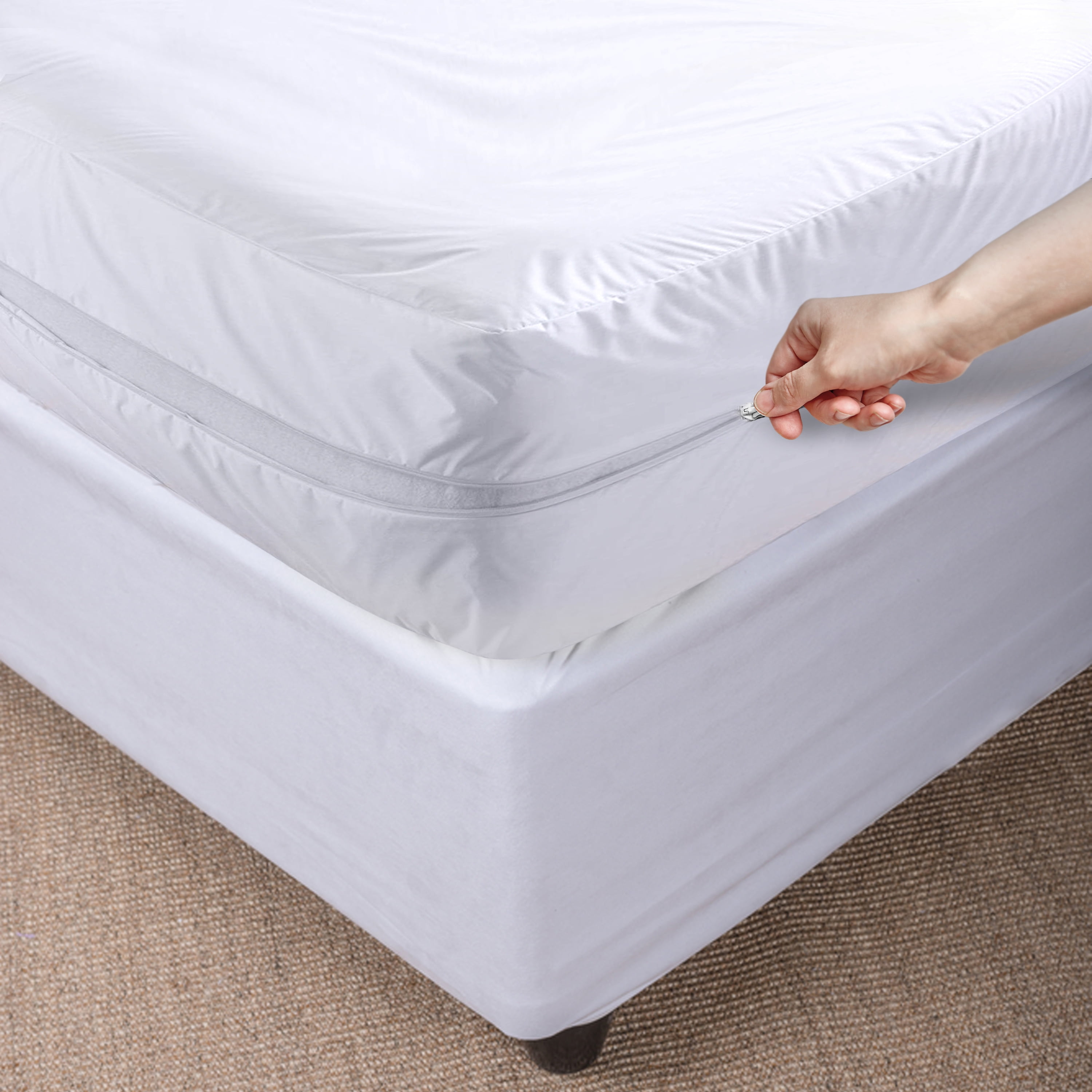
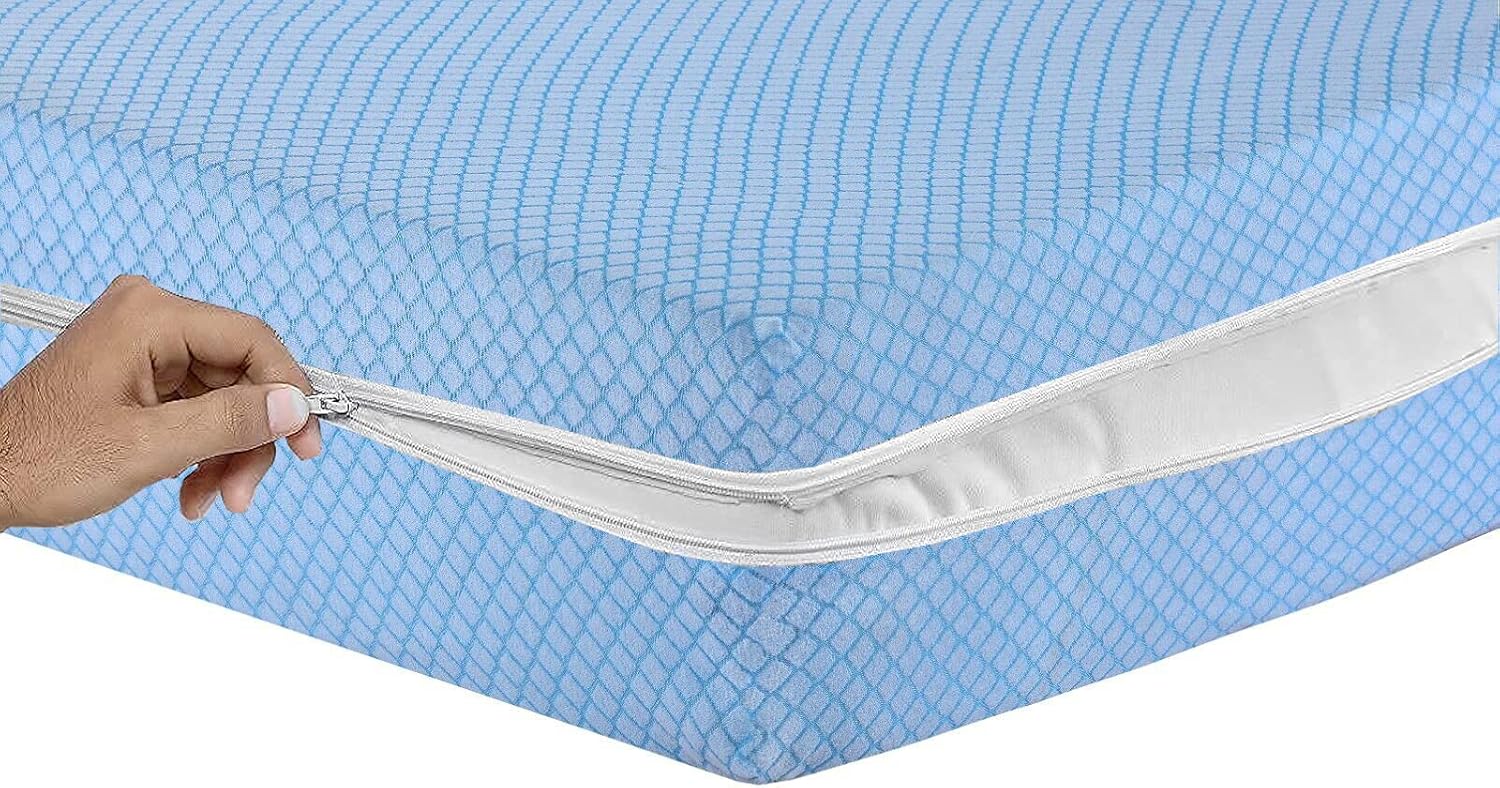
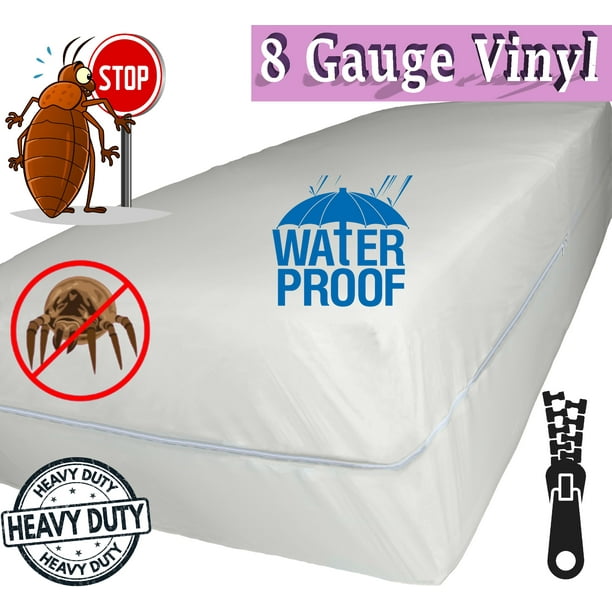
A zipper mattress cover isn't just a fancy cover – it's a carefully engineered protective barrier. The design relies on creating a sealed environment around your mattress. The zipper itself is typically made from durable materials that can withstand regular use and cleaning. The fabric used is usually tightly woven or treated to prevent bed bugs from penetrating through the material. Many modern covers feature reinforced seams and high-quality zippers that won't break easily during use. Some manufacturers even add special treatments or coatings that repel insects or make the surface less appealing to bed bugs. The key is that when properly installed, the cover creates an impenetrable shell around your mattress. It's not just about keeping bed bugs out – it's about trapping any existing bugs inside the mattress so they can't reproduce or continue biting. The cover essentially forces the pests to either find another hiding spot or die off naturally.
Choosing the Right Size and Material
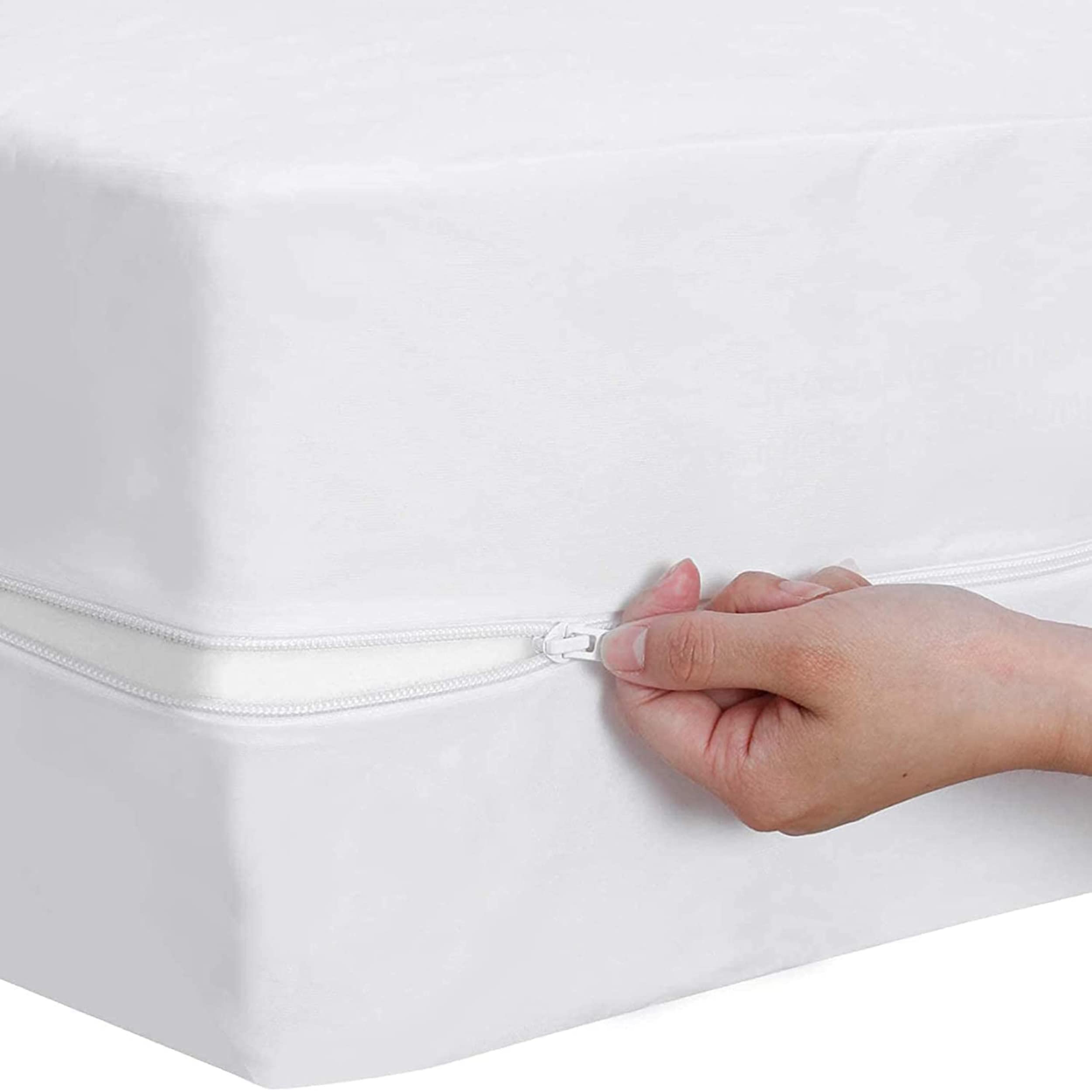
Not all mattress covers are created equal, and choosing the right one starts with knowing your mattress dimensions. Standard sizes include twin, full, queen, and king, but it's always better to measure your mattress precisely rather than assume. A cover that's too small won't provide adequate protection, while one that's too large might bunch up and create gaps. Material choice matters significantly too. Cotton covers are breathable and comfortable but may require more careful maintenance. Polyester blends offer excellent durability and resistance to wear. Some covers use specialized fabrics like microfiber or mesh that enhance both comfort and protection. Look for covers labeled as "bed bug proof" or "insect proof," which indicates they meet certain standards for preventing pest entry. Additional features like elastic edges or adjustable straps can help ensure a snug fit. Consider the cover's breathability – especially important if you tend to sleep hot. The material should allow air circulation while still providing solid protection.
Installation and Maintenance Tips
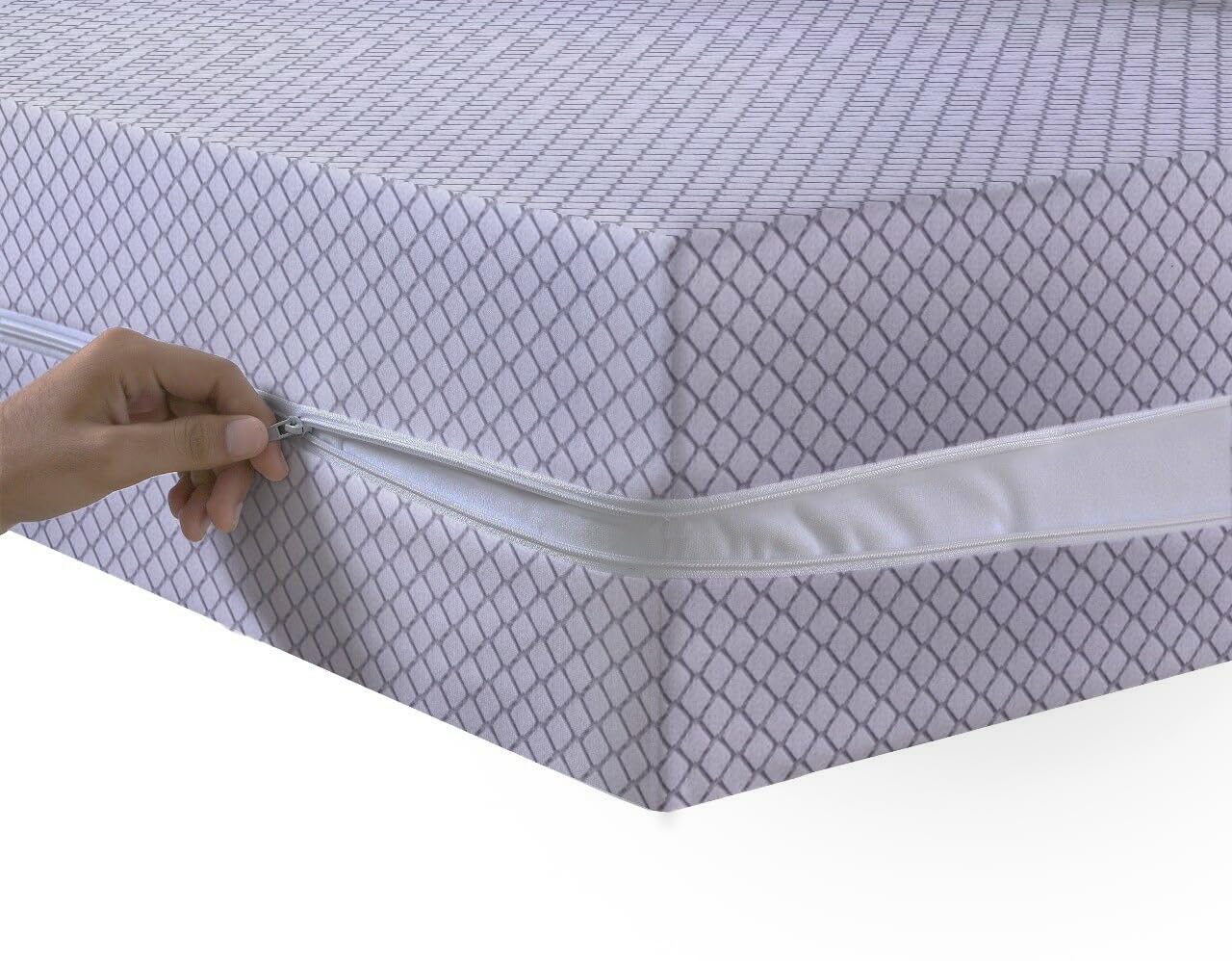
Installing a zipper mattress cover correctly is crucial for its effectiveness. Start by ensuring your mattress is clean and dry before putting on the cover. The process involves sliding the cover over the mattress and securing it with the zipper. Some people find it helpful to start with one corner and work systematically across the surface. Make sure the zipper is fully closed and locked. If you have a fitted sheet underneath, remove it first, as it can interfere with proper coverage. For ongoing maintenance, most covers can be machine washed, but check the manufacturer's instructions first. Use hot water and high heat settings when possible, as heat kills bed bugs and their eggs. Regular inspection is essential – look for signs of damage or wear that might compromise the seal. If you notice any tears or loose zippers, replace the cover promptly. Some people prefer to use multiple covers for extra protection, though this isn't always necessary. The key is consistency in care and monitoring.
Effectiveness and Limitations of Zipper Covers
Research and user reports consistently show that quality zipper mattress covers can be highly effective in preventing bed bug infestations. Studies indicate that when properly installed and maintained, these covers can reduce bed bug populations by up to 90% within a few weeks. The effectiveness largely depends on the cover's construction quality and the user's adherence to proper installation. However, it's important to recognize that no single method offers complete protection. Zipper covers work best as part of a comprehensive approach that includes regular inspections, proper cleaning practices, and vigilance about new items brought into the bedroom. They're particularly useful for preventing new infestations rather than treating existing ones. If you already have a severe infestation, covering the mattress alone won't solve the problem – additional treatments will be necessary. The covers serve as a defensive strategy rather than a cure-all solution.
Cost-Benefit Analysis and Where to Buy
Investing in a quality zipper mattress cover typically costs between $30 and $80, depending on size and brand. This might seem like a significant expense, but it's actually quite reasonable when compared to the potential costs of professional pest control services or replacing an infested mattress. The cost-effectiveness becomes clearer when considering the long-term benefits. You're essentially protecting your investment in a quality mattress while avoiding the stress and inconvenience of dealing with bed bugs. Reputable brands often offer warranties or guarantees, which adds to their value proposition. When shopping, look for retailers with good return policies and customer reviews. Online platforms like Amazon or specialized pest control websites often carry various options. Avoid the cheapest options, as poor construction can lead to early failure. Consider buying from established companies that specialize in pest control products rather than general bedding retailers. Some mattress stores also sell these covers, which can be convenient if you're already purchasing new bedding.
In the battle against bed bugs, zipper mattress covers represent one of the most practical and affordable solutions available to consumers. They're not magic bullets, but they're powerful tools when used correctly. By understanding how bed bugs behave, choosing the right product for your needs, and maintaining consistent care, you can significantly reduce your risk of infestation. These covers work best as part of a broader strategy that includes vigilance, cleanliness, and prompt action if problems arise. Whether you're trying to prevent an outbreak or protect a mattress that's already been exposed, a quality zipper cover can provide that essential layer of protection. The peace of mind they offer – knowing that you've taken proactive steps to safeguard your sleep environment – is perhaps their greatest benefit. So don't overlook this simple but effective solution when it comes to protecting yourself and your family from these persistent pests. With the right approach, you can reclaim your sleep and your home from bed bug threats.


