
Imagine walking into a bedroom where every element feels just right - the furniture, the lighting, and yes, even the rug. That's the magic of choosing the correct rug size for your bedroom space. It's not just about aesthetics; it's about creating a comfortable, balanced environment that makes you want to step into that room every morning. Whether you're buying a new rug or replacing an old one, understanding the right size can transform your entire bedroom experience.
Choosing the right rug size for your bedroom might seem like a small detail, but it can completely change how your space feels and functions. A rug that's too small can make your room look unfinished, while one that's too large can overwhelm the space and make it feel cramped. The key lies in understanding how to measure your space correctly and how different rug sizes work with various bedroom layouts. This guide will walk you through everything you need to know to make an informed decision that will keep you happy for years to come.
Understanding Bedroom Rug Size Basics
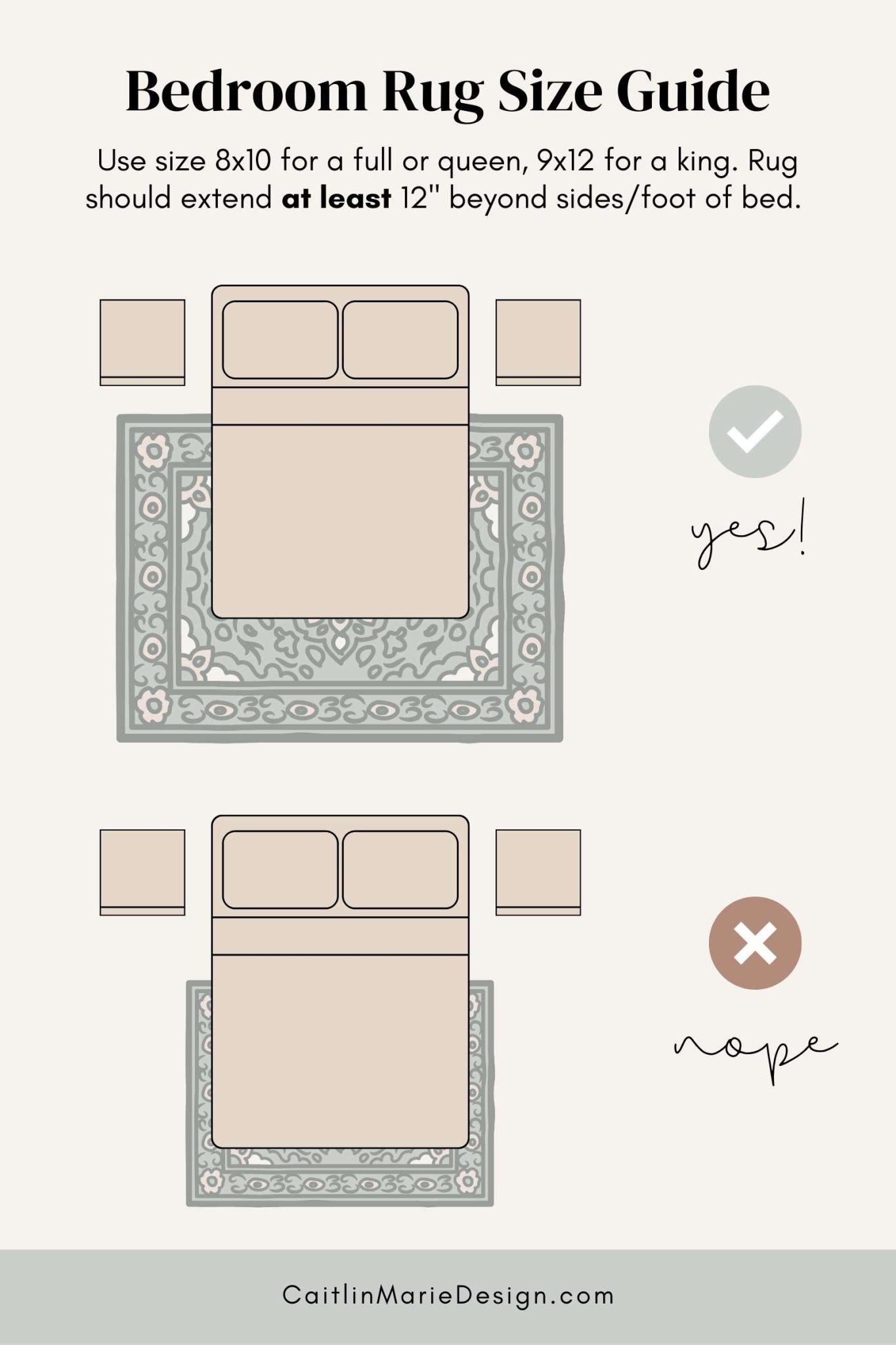
When it comes to bedroom rugs, size matters more than you might think. The rug needs to complement your furniture arrangement rather than compete with it. You'll want to consider both the physical dimensions of your room and how you plan to use the space. For instance, if you have a king-sized bed, you'll need a rug that can accommodate the bed plus some extra space around it. A good rule of thumb is that your rug should extend at least 18 inches beyond each side of your bed. This creates a cozy, defined area that makes your bedroom feel more intentional and inviting. Think of it as creating a little sanctuary within your larger space.
Measuring Your Bedroom Properly
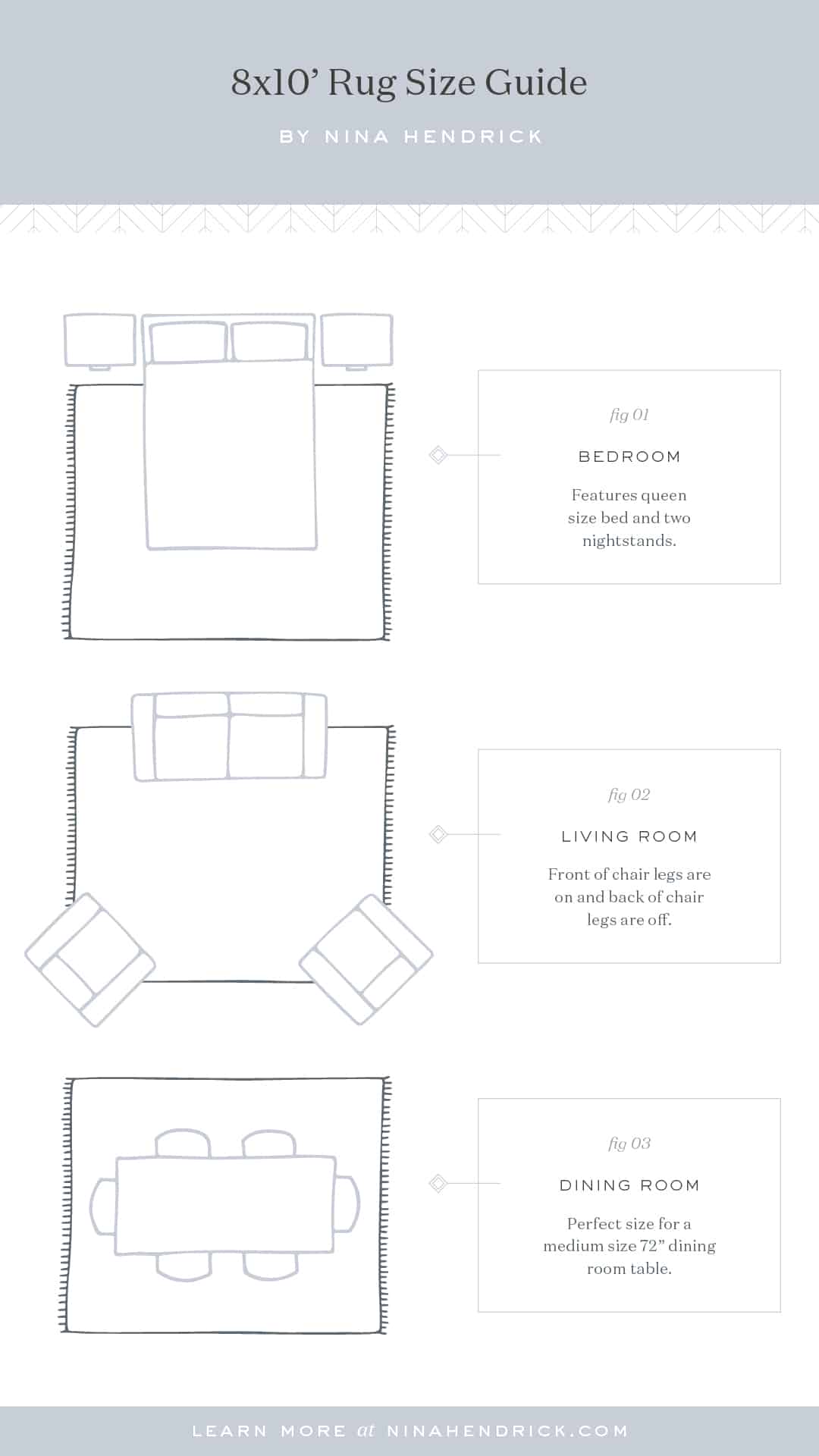
Before you start shopping for a rug, you'll need to take some precise measurements. Start by measuring the length and width of your room, including any areas where furniture will sit. Then, determine where your bed will go and measure the distance from wall to wall. For a king-size bed, you'll want to measure about 6 feet from edge to edge to account for the bed plus a comfortable walking space around it. Don't forget to measure doorways and any narrow spaces that might affect how the rug fits. Sometimes, a slightly smaller rug can actually look better than a huge one if it allows for easier movement and better proportions. It's all about finding that sweet spot where everything looks intentional.
Common Rug Sizes and Their Ideal Applications
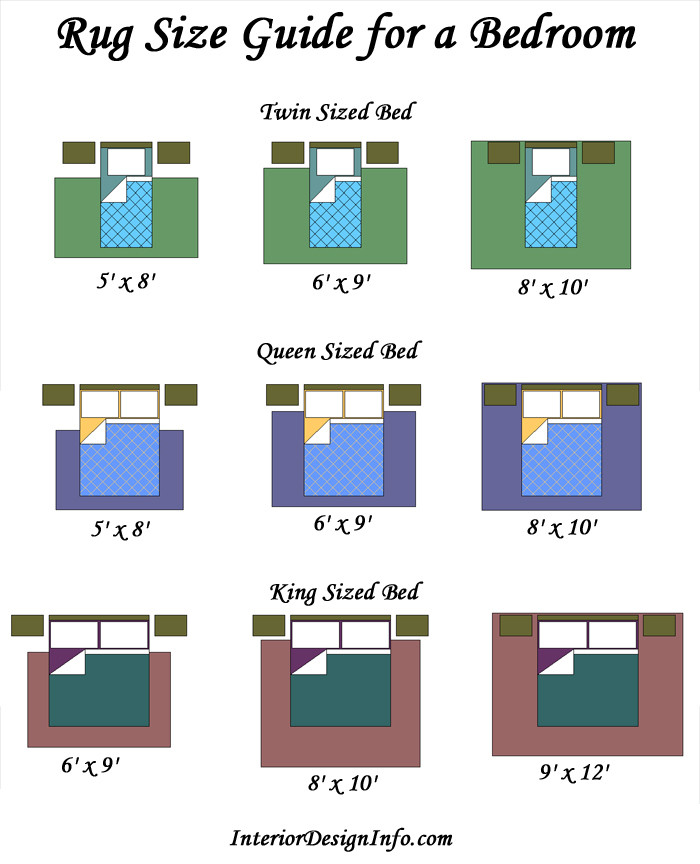
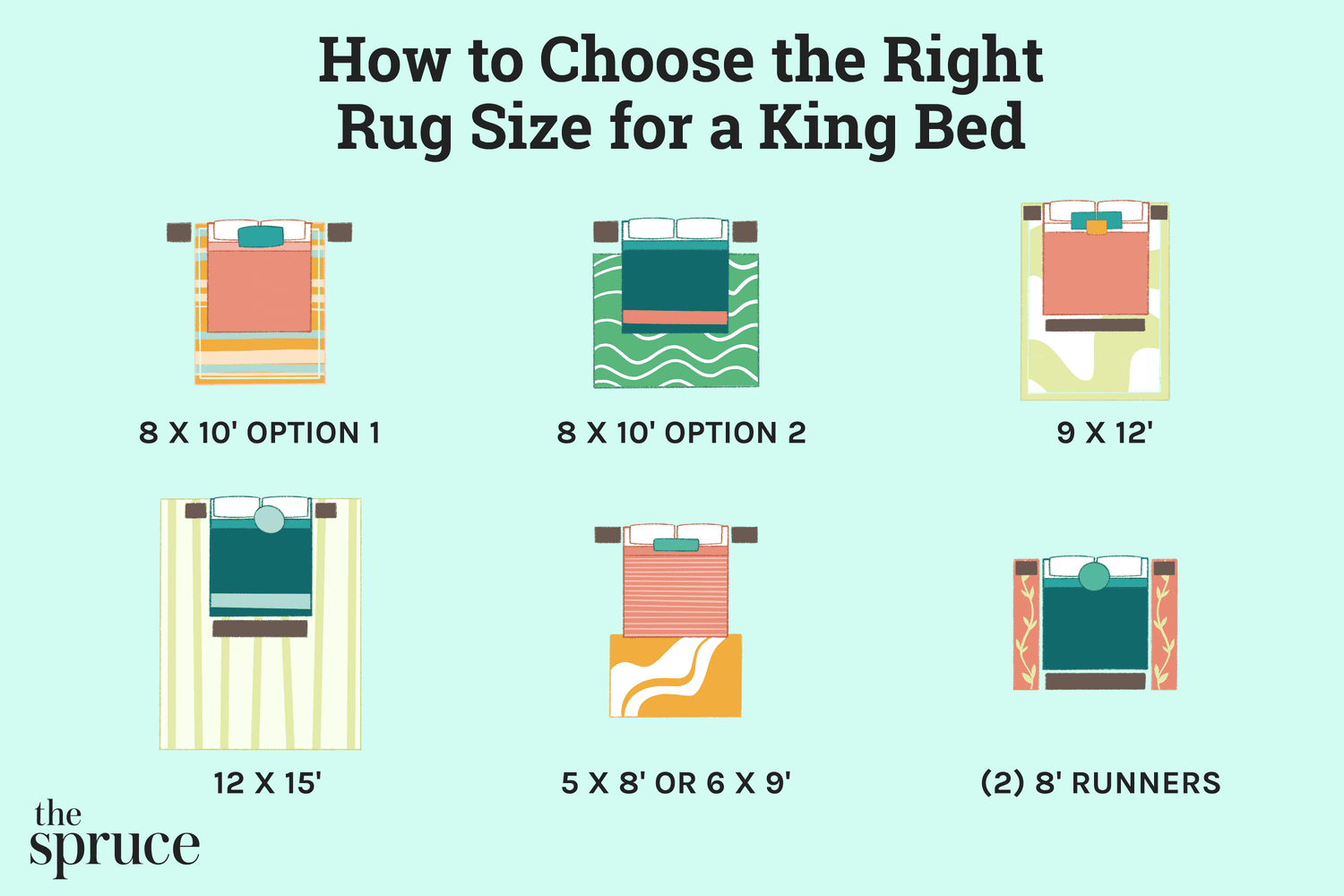
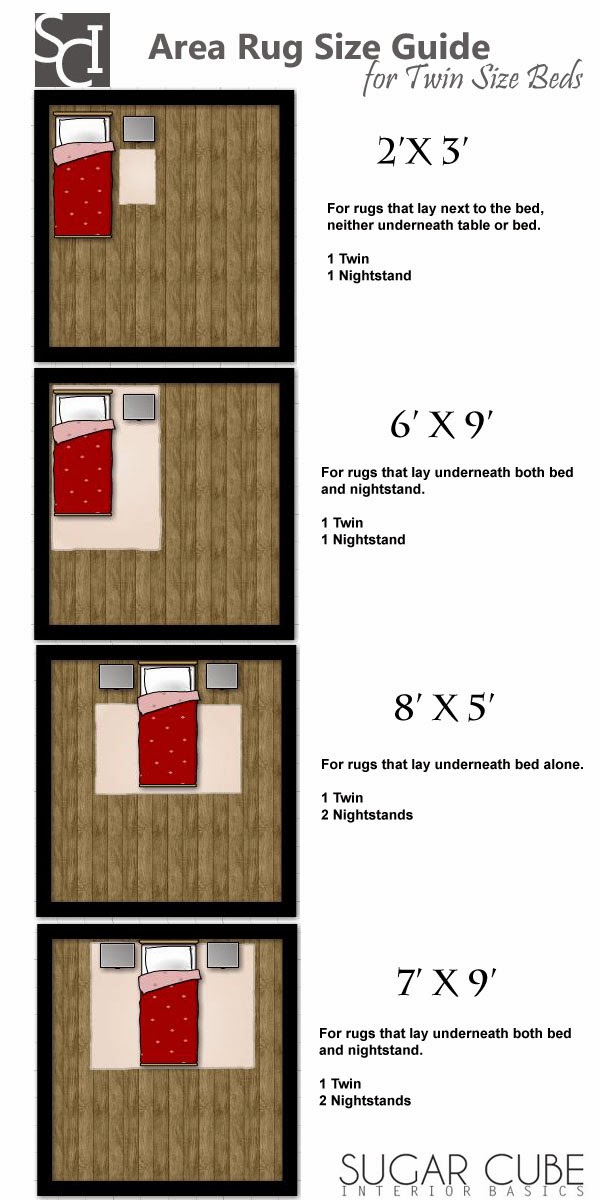
There are several standard rug sizes that work well in bedrooms, each suited to different room layouts and preferences. A 5x8 rug is perfect for a single bed, providing enough space for your feet when you get out of bed in the morning. If you have a queen bed, a 6x9 or 8x10 rug works beautifully, allowing you to place the rug under the entire bed and still have space to walk around it. For larger rooms or king beds, consider a 9x12 or 10x14 rug. These bigger sizes can anchor your entire bedroom setup and create a sense of grandeur. Remember, the rug should be proportional to your room size. A tiny rug in a large room will look lost, while a huge rug in a small room will make everything feel cramped.
How Furniture Placement Affects Rug Size
The way you arrange furniture in your bedroom directly impacts which rug size will work best. If you have a traditional layout with a bed centered on the room, you'll want a rug that extends under the entire bed and perhaps a few feet beyond each side. But if you have a more modern setup with furniture positioned differently, you might need a rug that covers just the bed area or even a more creative arrangement. Consider how people move through the room - you'll want to avoid having furniture legs hanging off the rug edge, which can look awkward. A rug that's too small might cause you to step off it frequently, while one that's too big could make your furniture look like it's floating on the floor.
Proportional Balance Between Room and Rug
Creating visual balance between your room and rug is crucial for a polished look. If your bedroom has high ceilings and lots of open space, a larger rug can help ground the room and prevent it from feeling airy and uninviting. On the flip side, if you have a small bedroom with low ceilings, a smaller rug might be more appropriate to avoid overwhelming the space. Pay attention to the overall scale of your furniture too. A large, heavy-looking chair paired with a small rug might create an imbalance that throws off the whole room's aesthetic. The rug should feel like it belongs in that space, neither too big nor too small.
Practical Tips for Choosing Bedroom Rug Size
Here are some helpful strategies for selecting the right rug size for your bedroom. First, always measure twice and buy once - literally! It's worth investing in proper measuring tools and taking your time. Second, consider the traffic flow in your room. You'll want to ensure there's enough room to walk comfortably around your bed without stepping off the rug. Third, think about how you'll use the space. If you have a reading chair or nightstand, make sure those items will be positioned over the rug for a cohesive look. Finally, don't overlook the importance of pattern and texture. A large patterned rug can make a small room feel even smaller, while a simple, solid-colored rug can make a large room feel cozier.
Choosing the right rug size for your bedroom isn't just about picking something that looks pretty - it's about creating a space that feels comfortable, functional, and uniquely yours. When you take the time to properly measure your room, consider your furniture placement, and think about how you'll use the space, you're setting yourself up for success. Remember, there's no one-size-fits-all solution here. What works perfectly for someone else might not work for your particular situation. Trust your instincts, measure carefully, and most importantly, choose a rug that makes you feel good every time you step onto it. After all, your bedroom is your personal retreat, and the right rug size helps make it feel exactly like home.


