
We've all been there – lying in bed, feeling like you're sinking into a cloud, or worse, your back aches from inadequate support. What if your mattress could give you that perfect balance between comfort and support? This guide explores practical solutions to transform your sleeping surface into something that truly supports your body.
Let's face it – a good night's sleep starts with a good mattress. But what happens when your current mattress feels too soft or lacks the support you need? Maybe you're experiencing back pain, or perhaps you just want that satisfying 'sink' feeling to disappear. Making your mattress firmer isn't just about changing the feel; it's about finding the right balance that keeps your spine properly aligned while still allowing you to rest comfortably. Whether you have a memory foam mattress that's become too yielding or a traditional spring bed that's lost its bounce, there are several approaches to address this common issue.
Understanding Mattress Firmness
Before we dive into solutions, let's talk about what makes a mattress firm or soft. Mattress firmness relates to how much pressure is required to compress the mattress surface. A firmer mattress requires more force to press down, while a softer one yields easily under pressure. The ideal firmness level varies by person, but generally speaking, most adults need a medium to medium-firm feel for optimal spinal alignment. When your mattress becomes too soft, it can cause your body to sink in too deeply, leading to poor posture during sleep. This often results in back and neck pain, restless nights, and overall discomfort. Consider that a mattress that's too soft might not provide enough support for your weight distribution, particularly if you're a side sleeper or someone who weighs more than average. For those who sleep on their stomach, a firmer surface might actually provide better support for maintaining proper spinal alignment.

Quick and Easy Solutions
Sometimes the fix is simpler than you think. Here are some immediate steps you can take:
These temporary fixes can make a noticeable difference in how your mattress feels overnight. They're especially helpful if you're trying to decide whether to invest in a full replacement or if you want to test out different levels of firmness first.
Mattress Topper Options
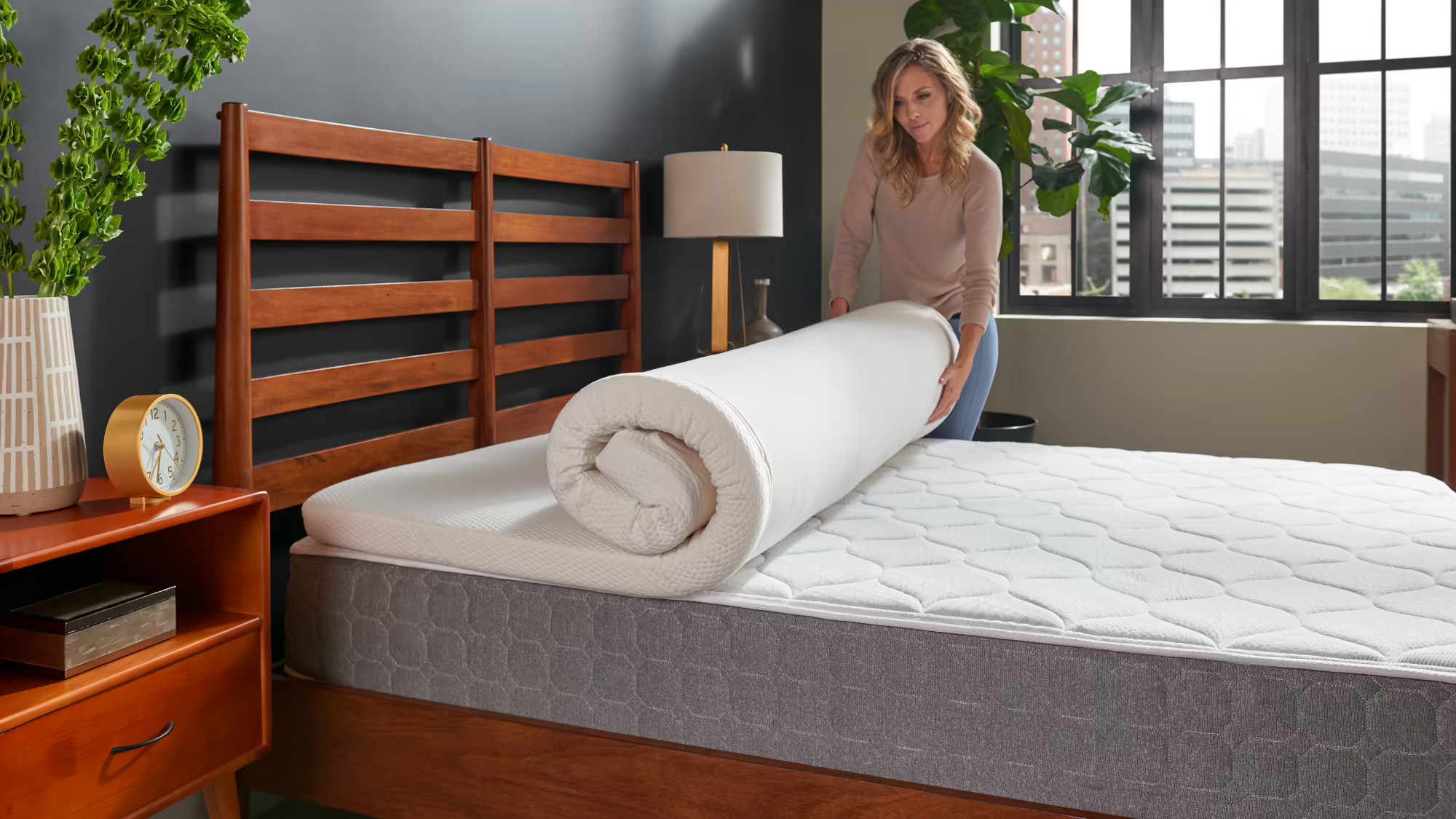
A mattress topper can be a game-changer for those wanting to adjust their current mattress. Different materials offer varying degrees of firmness and support. Here's what you should know:
Remember, the thickness matters too. Thicker toppers typically provide more noticeable changes in firmness. A 2-inch topper may not make a huge difference, but a 3-inch or thicker one can really change how your mattress feels. Also, consider how the topper interacts with your existing bedding. Some people prefer to layer their toppers with sheets or blankets to get the exact feel they want.
Bed Frame and Foundation Adjustments
Your mattress isn't the only factor affecting firmness. The foundation beneath it plays a crucial role. A weak or worn-out foundation can make even the best mattress feel soft or uneven. Here's how to evaluate and improve your setup:

Some people overlook the importance of their bed frame. An old wooden frame that's warped or has gaps in the slats can cause your mattress to droop in certain areas. In such cases, replacing the entire foundation or frame may be necessary. This investment often pays off in improved sleep quality and reduced back pain.
Sleeping Position Considerations
Different sleeping positions require different levels of support. Understanding yours can help determine how much firmness you need:
If you're a side sleeper, for example, you might find that a medium-firm mattress combined with a thin topper creates the perfect balance. On the other hand, stomach sleepers might want to avoid anything too plush and instead look for a firmer foundation or a topper that adds structure without compromising comfort. Pay attention to how you feel when you wake up. Do you have aches in your shoulders or lower back? That might indicate your current setup isn't providing adequate support.
When to Consider Replacement
Sometimes, despite your best efforts, your mattress simply needs to go. Here's how to tell if it's time for a new one:
Replacing a mattress is a significant investment, but it's often worth it if you're struggling with sleep issues. Consider getting a mattress that matches your preferred firmness level and sleeping position. Many companies now offer trial periods, which means you can test a new mattress risk-free for a set number of nights. If you're unsure about which type of mattress to choose, consulting with a sleep specialist or reading reviews from trusted sources can help guide your decision.
Budget-Friendly Tips

Not everyone can afford a new mattress right away, but there are still affordable ways to increase firmness:
Sometimes the solution is more creative than expensive. For instance, placing a thin wooden board between your mattress and foundation can dramatically change how the surface feels. It's not glamorous, but it works. Also, consider asking friends or family if they have a mattress they're willing to part with – sometimes a gently used one can be a perfect fit for your needs.
Long-Term Maintenance
Once you've made your mattress firmer, keeping it that way requires ongoing care:
Maintenance doesn't end once you've adjusted your mattress. Regular care helps preserve the improvements you've made. For example, rotating your mattress regularly prevents one side from wearing down faster than the other. Using a protective cover can shield against spills and stains that might compromise the integrity of your mattress. And remember, your sleep needs can evolve with age, weight changes, or lifestyle modifications, so staying attentive to how your mattress performs is key.
Making your mattress firmer is more than just a quick fix – it's about creating a better sleep environment that supports your body and improves your overall well-being. Whether you choose to add a topper, upgrade your foundation, or eventually replace the entire mattress, each step brings you closer to that ideal balance of comfort and support. The journey to better sleep starts with understanding your needs and being willing to experiment until you find the right combination. Remember, the goal isn't just to make your mattress harder, but to make it more suitable for your unique sleeping style and physical requirements. Take the time to explore your options, listen to your body, and make changes that truly enhance your sleep experience. After all, a good night's rest is one of the most valuable investments you can make in yourself.


