
Picture this: your massive German Shepherd or Great Dane stretching out on their favorite spot, no more stiff joints, no more back pain. That's the magic of elevated dog beds. They're not just another pet accessory - they're a game-changer for big dogs who deserve better sleep quality. Whether you have a 60-pound lab or a 120-pound mastiff, understanding how elevated beds work can transform your dog's daily comfort.
When you're dealing with a large dog, every detail matters. Their size means they need special attention to their comfort and health. Elevated dog beds aren't just about luxury - they're a practical solution for many common issues faced by large breed owners. These beds offer more than just a higher sleeping surface. They provide better air circulation, reduce joint stress, and create a comfortable space that respects your dog's size. Think about it - when you're lying on the floor, your body weight creates pressure points. For a large dog, that pressure can cause discomfort and even long-term joint problems. Elevated beds give them room to move and breathe while maintaining proper spinal alignment.
Why Large Dogs Need Elevated Beds
Large dogs face unique challenges when it comes to sleep and comfort. Their substantial weight puts extra strain on their joints and muscles. Traditional low beds can actually worsen these issues by creating pressure points that cause discomfort.
Consider a 90-pound golden retriever. When they lie on a regular bed, their hips and spine are forced into unnatural positions. The elevated design helps distribute their weight more evenly. This simple change can significantly reduce joint stress and improve overall sleep quality. Many large dogs suffer from arthritis or hip dysplasia, conditions that become much more manageable with proper support.
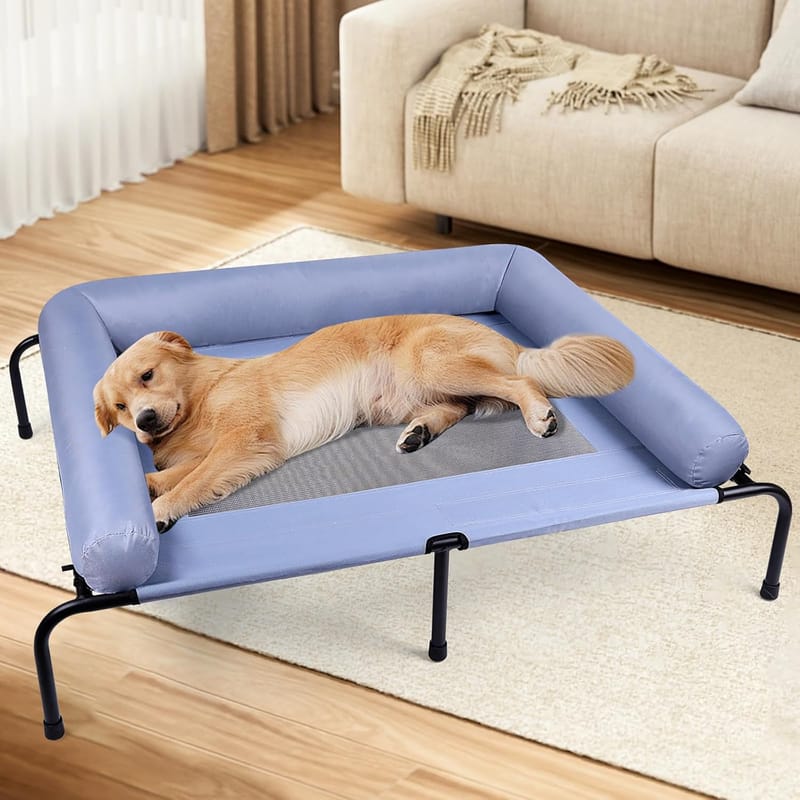
The benefits extend beyond just physical comfort. Elevated beds also offer better temperature regulation. Your dog's body heat rises naturally, and having a raised surface allows better airflow underneath. This prevents overheating during hot weather and keeps them cozy in winter. Plus, it's easier for large dogs to get in and out of the bed without straining their muscles.
Key Benefits of Elevated Dog Beds
The advantages of elevated dog beds go far beyond just a higher surface:
Many large dog owners report dramatic improvements in their pets' behavior after switching to elevated beds. Stiffness in the morning becomes less frequent, and dogs seem more willing to rest during the day. It's like giving your big friend a personal spa experience every night.
Types of Elevated Dog Beds Available
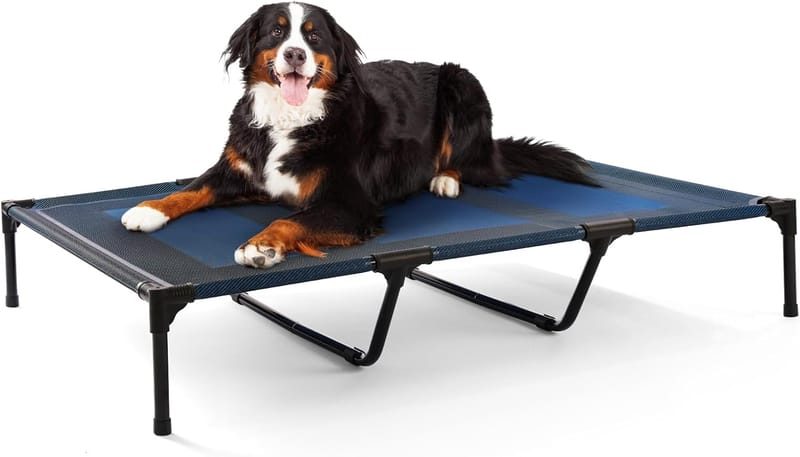
Not all elevated beds are created equal. Here's what you'll find in the market:
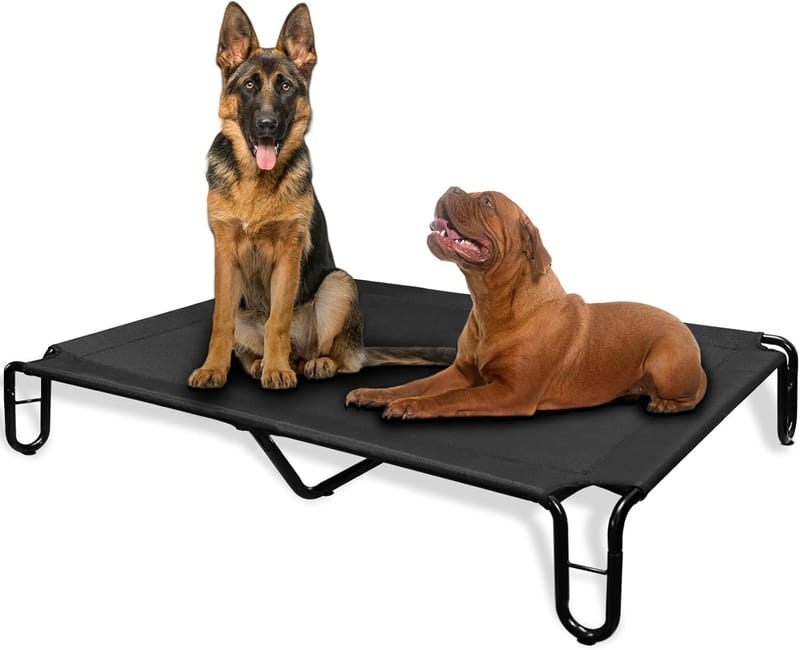
Platform Beds: These have a solid base that provides maximum support. Perfect for dogs with joint problems. The raised structure offers excellent ventilation.
Cushioned Beds: These combine elevation with soft padding for maximum comfort. Great for dogs who love to curl up.
Modular Systems: Some brands offer adjustable height options. You can customize the elevation based on your dog's needs.
Outdoor Options: Designed for dogs who spend time outside. Weather-resistant materials and sturdy construction.
The material choice matters too. Some beds use memory foam that conforms to your dog's body shape. Others rely on high-density foam or even air-filled chambers. Each type has its pros and cons, and the best choice depends on your dog's specific requirements and your home environment.
Choosing the Right Size and Weight Capacity
This is probably the most critical factor when selecting an elevated bed for your large dog. You wouldn't buy a car seat that's too small for your child, right? The same logic applies to dog beds.
Start by measuring your dog's length and width when they're lying down. Add a few inches for comfort. A 100-pound dog might need a bed that's 40x30 inches minimum. But remember, dogs often stretch out wider than they appear. Check the manufacturer's specifications carefully.
Weight capacity isn't just about how much your dog weighs. It's about the bed's ability to handle that weight consistently over time. Look for beds rated for at least 150% of your dog's current weight. For example, if your dog weighs 80 pounds, choose a bed that supports 120 pounds or more.
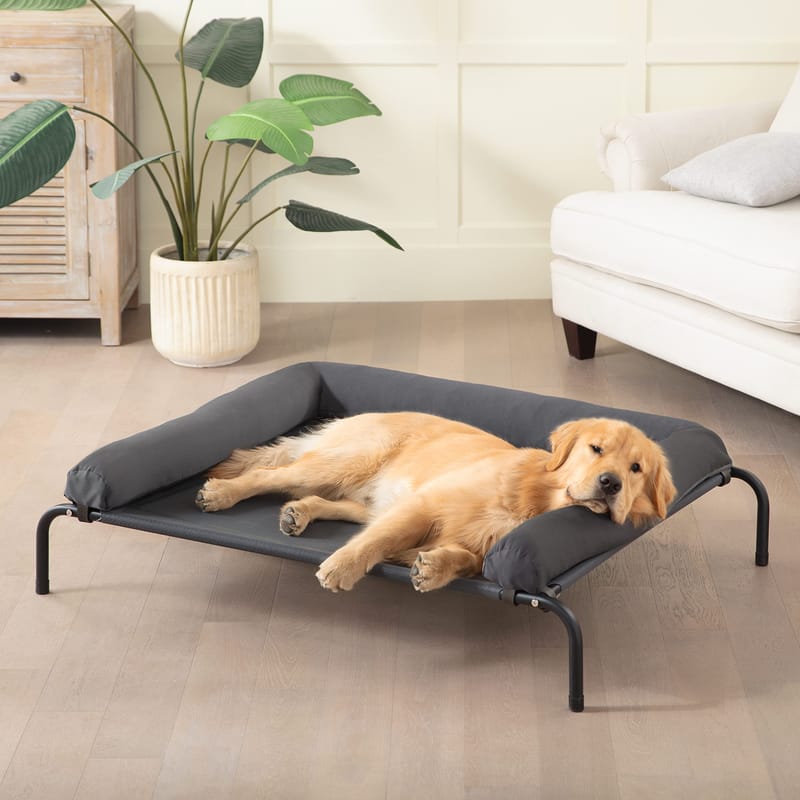
Some beds feature reinforced frames or additional support structures. These are particularly important for dogs that jump on and off frequently. The last thing you want is a wobbly bed that causes your dog to lose balance.
Material Considerations and Durability
The materials used in elevated dog beds affect everything from comfort to longevity. Let's break down the main options:
Foam Materials: Memory foam provides excellent pressure relief and conforms to your dog's body shape. High-quality foam retains its shape longer than cheaper alternatives. Look for beds with 3-inch thick foam layers for large dogs.
Fabric Choices: Breathable fabrics like cotton or mesh prevent overheating. Waterproof covers are great for dogs who have accidents. Some fabrics are easy to remove and wash, which is essential for maintaining hygiene.
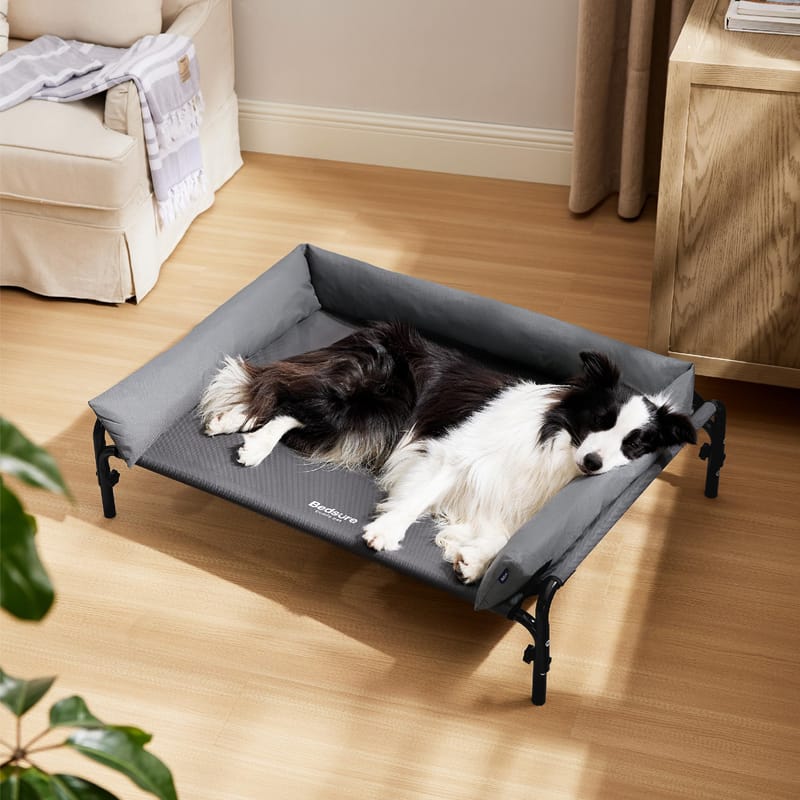
Frame Materials: Metal frames offer strength and durability. Wooden frames provide a classic look but require more maintenance. Plastic frames are lighter but may not hold up under heavy use.
Don't forget about the bottom layer. Some beds have non-slip surfaces that keep them in place. Others feature removable, machine-washable covers for easy cleaning. Quality construction means fewer replacements and more savings over time.
Maintenance and Cleaning Tips
Elevated dog beds require some extra care compared to regular beds. Here's how to keep yours in top condition:
For large dogs, accidents happen. Having a waterproof or stain-resistant cover makes life much easier. Some beds come with removable, washable inserts that can be cleaned separately. This prevents odors and keeps your investment looking fresh.
Consider investing in a bed with antimicrobial properties. These materials resist bacteria growth and help maintain freshness longer. It's especially helpful for dogs with sensitive skin or allergies.
Elevated dog beds represent more than just a trend - they're a thoughtful approach to caring for large dogs. When you're looking at your 80-pound labrador stretching out comfortably, or watching your 120-pound mastiff sleep peacefully, you're seeing the difference that proper support can make. These beds address real issues like joint stress, temperature regulation, and mobility concerns that large dogs face daily. The investment pays off in improved health, better sleep quality, and a happier, more comfortable companion. Remember, choosing the right elevated bed involves careful consideration of your dog's size, weight, and specific needs. Take time to research, measure properly, and select something that will serve your large dog well for years to come. After all, your big dog deserves a bed that's as impressive as their personality.


